tianyuansolar@gmail.com
img
Is it worthwhile to buy an electric car and then install solar panels? In-depth analysis of charging costs.

Is it worthwhile to buy an electric car and then install solar panels? In-depth analysis of charging costs.

2026-10-21

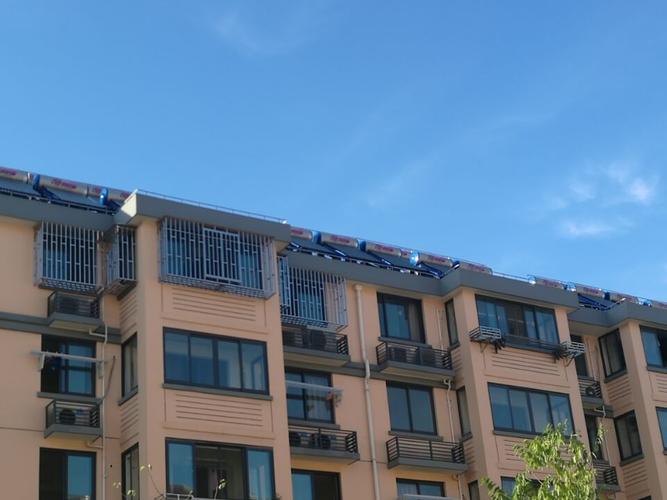
1. Charging Costs: 15 kWh per 100 km, approximately 1200-1500 RMB per year for 3000 kWh charging. 2. Solar PV Payback Period: A 5.5kW system generates 6000 kWh annually, yielding an annual income of approximately 3000-3400 RMB, with a payback period of 6-8 years. 3. Battery Configuration: 15-20 kWh battery for those with a fixed parking space and long commutes; fast solar charging is available for short commutes. 4. Applicable Scenarios: More cost-effective if you have a parking space, good orientation, and high electricity prices (Guangdong/Zhejiang/Shanghai). 5. Six Issues: Installation space, sunlight conditions, electricity price, charging capacity, residential stability, and policies. 6. In short: For those whose annual charging costs exceed 2000 RMB, installing solar PV is likely worthwhile.

How to wire an inverter? Installation precautions for home systems.

How to wire an inverter? Installation precautions for home systems.

2026-10-20

1. DC Side Wiring: Series and parallel design, MC4 connector connection, DC cable selection, and operation after shielding the circuit board. 2. AC Side Grid Connection: Dedicated circuit + independent circuit breaker, bidirectional energy meter, three-phase balanced connection. 3. Grounding and Lightning Protection: Inverter casing grounding, bracket grounding, DC/AC surge protector installation. 4. Communication and Monitoring: WiFi signal testing, CAN/RS485 communication line connection, power sensor installation. 5. Safety Reminders: No "neutral wire" for DC power; operation must be performed by a certified electrician; acceptance inspection includes anti-islanding protection. 6. Acceptance Checklist: MC4 connector pull test, grounding resistance test, APP data synchronization confirmation.

From Africa to Southeast Asia: A Map of Opportunities in Emerging Global Solar Markets

From Africa to Southeast Asia: A Map of Opportunities in Emerging Global Solar Markets

2026-10-17

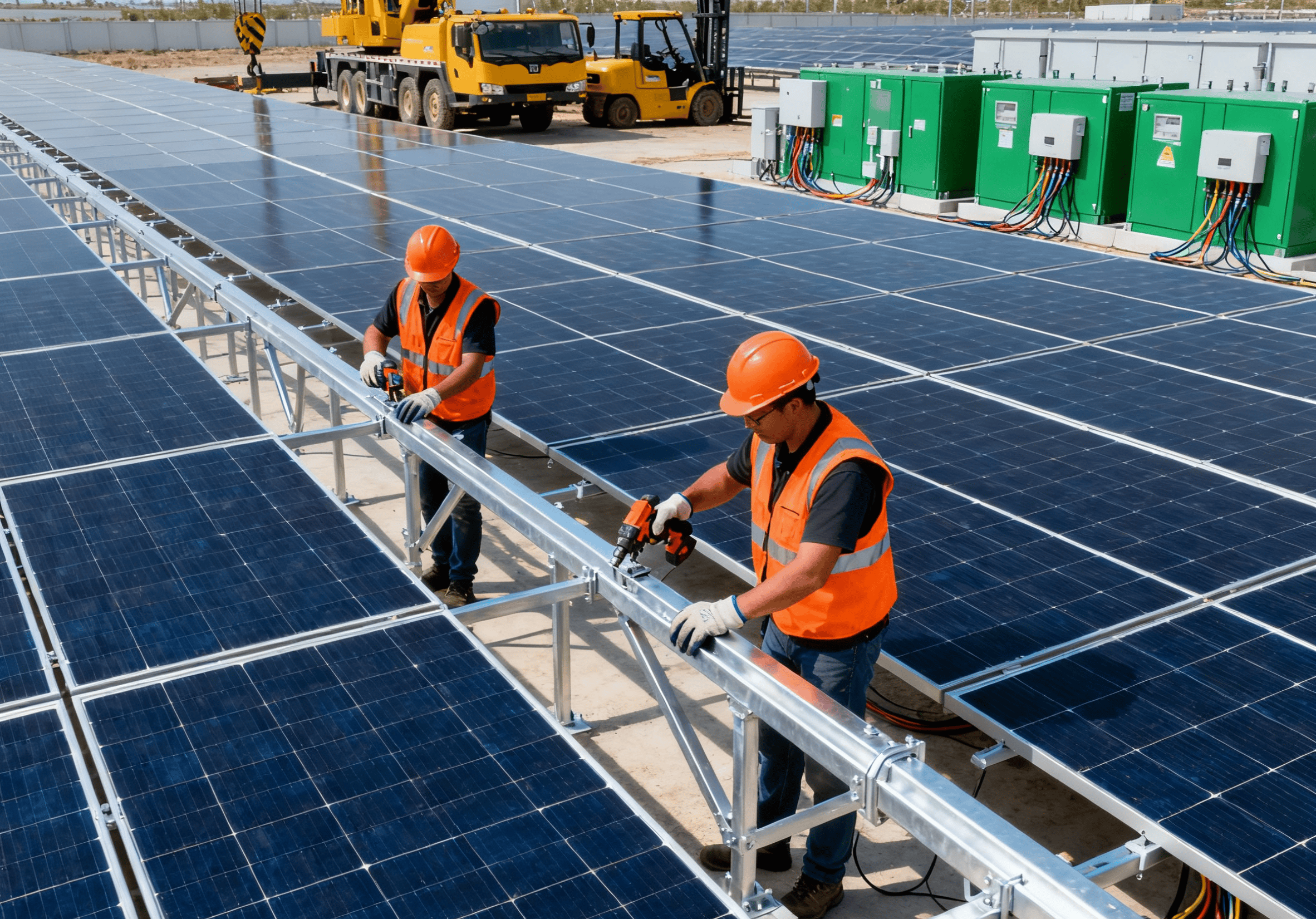
1. Africa: 600 million people lack electricity; strong demand, low competition; three major opportunities: ground-mounted power plants, industrial and commercial power plants, and off-grid microgrids. 2. Southeast Asia: Manufacturing relocation + explosive energy demand; Vietnam is the hottest market, Indonesia is dispersed, and the Philippines offers potential. 3. Middle East: Oil-producing countries are undergoing energy transition; strong payment capacity but high certification thresholds; SASO/ESMA certification is mandatory. 4. South Asia: India has a large market size but tariff barriers; Pakistan and Bangladesh are growing rapidly, but risk control is necessary. 5. Latin America: Brazil, Mexico, and Chile have good resource endowments, but payment risks and exchange rate fluctuations require caution. 6. Development advice: There is no best, only the most suitable; patient investment and risk control are more important than seizing opportunities.

Stackable all-in-one PCs vs. all-in-one PCs: Which one is right for you?

Stackable all-in-one PCs vs. all-in-one PCs: Which one is right for you?

2026-10-16

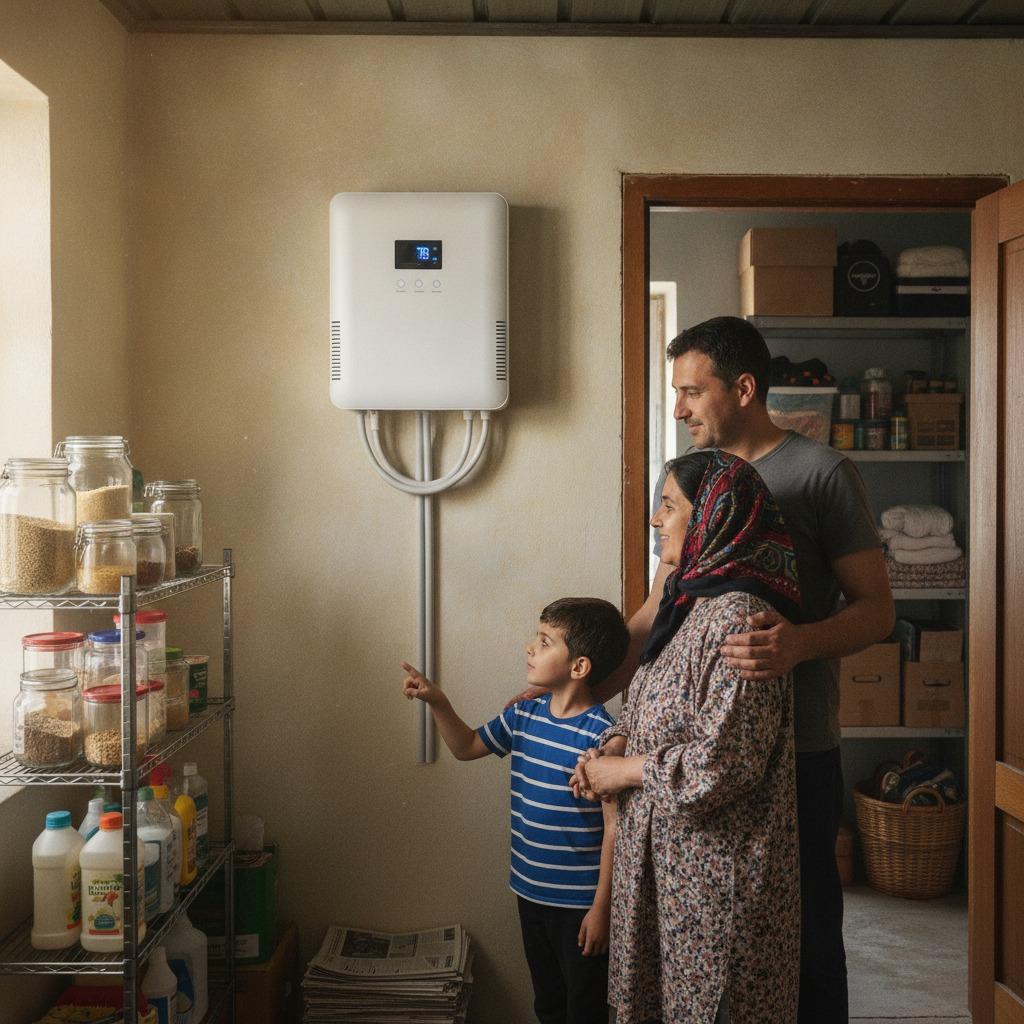
1. Appearance Difference: A single rack vs. multiple stacked modules – the difference is immediately apparent. 2. Expandability Comparison: Stacked racks allow for the addition of battery modules, while integrated racks require parallel connection of the entire unit. 3. Maintenance Experience: With stacked racks, only faulty modules need to be replaced; with integrated racks, the entire unit is typically repaired. 4. Space Occupancy: Integrated racks save space; stacked racks require higher ceiling height. 5. Price Difference: Stacked racks are 10%-20% more expensive, but have lower long-term expansion costs. 6. Purchase Recommendation: Choose integrated racks if you don't plan to expand in the near future; choose stacked racks if you have expansion needs.

How much money can you save in a year by installing solar panels? A comparison of real-life cost savings for three African families.

How much money can you save in a year by installing solar panels? A comparison of real-life cost savings for three African families.

2026-10-16

1. Current Electricity Prices in Africa: Lagos: $0.3 per kilowatt-hour, 200 days/year of power rationing; during power outages, diesel generators cost $8 per liter. 2. Urban Middle-Class Families: A 6kW hybrid system saves approximately $4,200 annually in electricity and diesel costs, with a payback period of 2 years. 3. Industrial and Commercial Users: A 30kW industrial and commercial system saves approximately $37,400 annually, with a payback period of less than 1 year. 4. Remote Rural Families Without Electricity: A 1kW microgrid saves approximately $360 annually in kerosene charging costs per household, with a payback period of 1 year. 5. Four Factors Affecting Cost Savings: Electricity Price, Sunlight Radiance, Self-Consumption Ratio, System Quality 6. Conclusion: Solar power pays off fastest in high-electricity-price regions of Africa; industrial and commercial users see the greatest value.

tianyuansolar@gmail.com
+86-13711660041
+8613711660041
WhatsApp :WhatsApp QR Code