

Foreword
"Will my electricity bill skyrocket after I buy an electric car?"
This is a concern for many people planning to buy an electric vehicle, and a reality faced by many who have already purchased one. An electric vehicle that consumes approximately 15 kWh per 100 kilometers will require about 3000 kWh of charging per year if the daily commute is 50 kilometers. The average household's annual electricity consumption is typically between 3000 and 4000 kWh; adding charging directly doubles this, making the electricity bill quite substantial.
How to solve this problem? Many electric vehicle owners' first reaction is to apply for off-peak electricity pricing and charge their vehicles at night when there is less electricity. But there is an even more thorough solution—installing a solar power system. During the day, solar panels generate electricity, which is then used to charge the vehicle, theoretically achieving "zero-carbon travel."
However, installing a solar power system is a significant investment. Whether it's worthwhile requires careful calculation. This article will thoroughly explain this issue from four perspectives: charging costs, photovoltaic investment, system configuration, and precautions.

I. The Real Cost of Electric Vehicle Charging
Before calculating the return on investment for solar energy, it's essential to first determine the cost of charging electric vehicles.
Let's start with the energy consumption per 100 kilometers. Based on official data from mainstream electric vehicle models and real feedback from numerous owners, the energy consumption per 100 kilometers for different levels of electric vehicles is roughly as follows: small commuter cars (like the Hongguang MINI EV) consume approximately 10 to 12 kWh per 100 kilometers; compact sedans (like the BYD Qin EV and Volkswagen ID.3) consume approximately 13 to 15 kWh per 100 kilometers; mid-to-large sedans and SUVs (like the Tesla Model Y and NIO ES6) consume approximately 17 to 22 kWh per 100 kilometers; and performance models may consume over 25 kWh per 100 kilometers. We'll take a middle value—15 kWh per 100 kilometers—as the basis for subsequent calculations.
Let's talk about annual charging. If you commute 50 kilometers every day, your annual mileage will be about 18,000 kilometers, requiring about 2,700 kilowatt-hours of charging. If you occasionally take long trips or go on weekend getaways, the annual charging requirement may reach 3,500 kilowatt-hours or even more. We'll use 3,000 kilowatt-hours as a reference value.
Then calculate the electricity cost. Electricity prices vary greatly across different regions. Taking Shanghai as an example, the peak-hour electricity price is about 0.6 yuan/kWh, and the off-peak-hour price is about 0.3 yuan/kWh. If you charge entirely during peak hours, the electricity cost for 3000 kWh would be about 1800 yuan; if you charge entirely during off-peak hours, the electricity cost would be about 900 yuan. However, in reality, it is difficult to charge 100% during off-peak hours, and the actual electricity cost is usually between 1200 and 1500 yuan.
Another easily overlooked cost associated with electric vehicle charging is battery degradation. After several years of use, the battery capacity of an electric vehicle gradually decreases, reducing its actual range. This is why some electric vehicles require more frequent charging over time, leading to higher electricity bills.
In summary: an electric vehicle with a power consumption of 15 kWh per 100 kilometers requires approximately 3,000 kWh of charging per year. The electricity cost using a public charging station is about 2,400 to 3,600 yuan (including service fees), while the cost using a home charging station is about 900 to 1,500 yuan (charging during off-peak hours). This cost is indeed much cheaper than that of a gasoline car (approximately 9,000 to 12,000 yuan in fuel costs for 18,000 kilometers per year), but it's not a negligible amount.
II. Is installing a solar-powered charging system cost-effective? Let's calculate the costs in three scenarios.
Now let's calculate the costs and benefits of solar charging.
Let's say you have a house with suitable conditions, where you can install 10 550W solar panels on the roof or in a parking space, for a total installed capacity of 5.5kW. In East China, such a system would generate approximately 6,000 to 7,000 kWh of electricity annually. Considering that photovoltaic power generation is concentrated during the day, while electric vehicles are mainly charged at night, you would need to equip the house with a certain capacity of energy storage batteries to achieve "power generation during the day, charging at night."
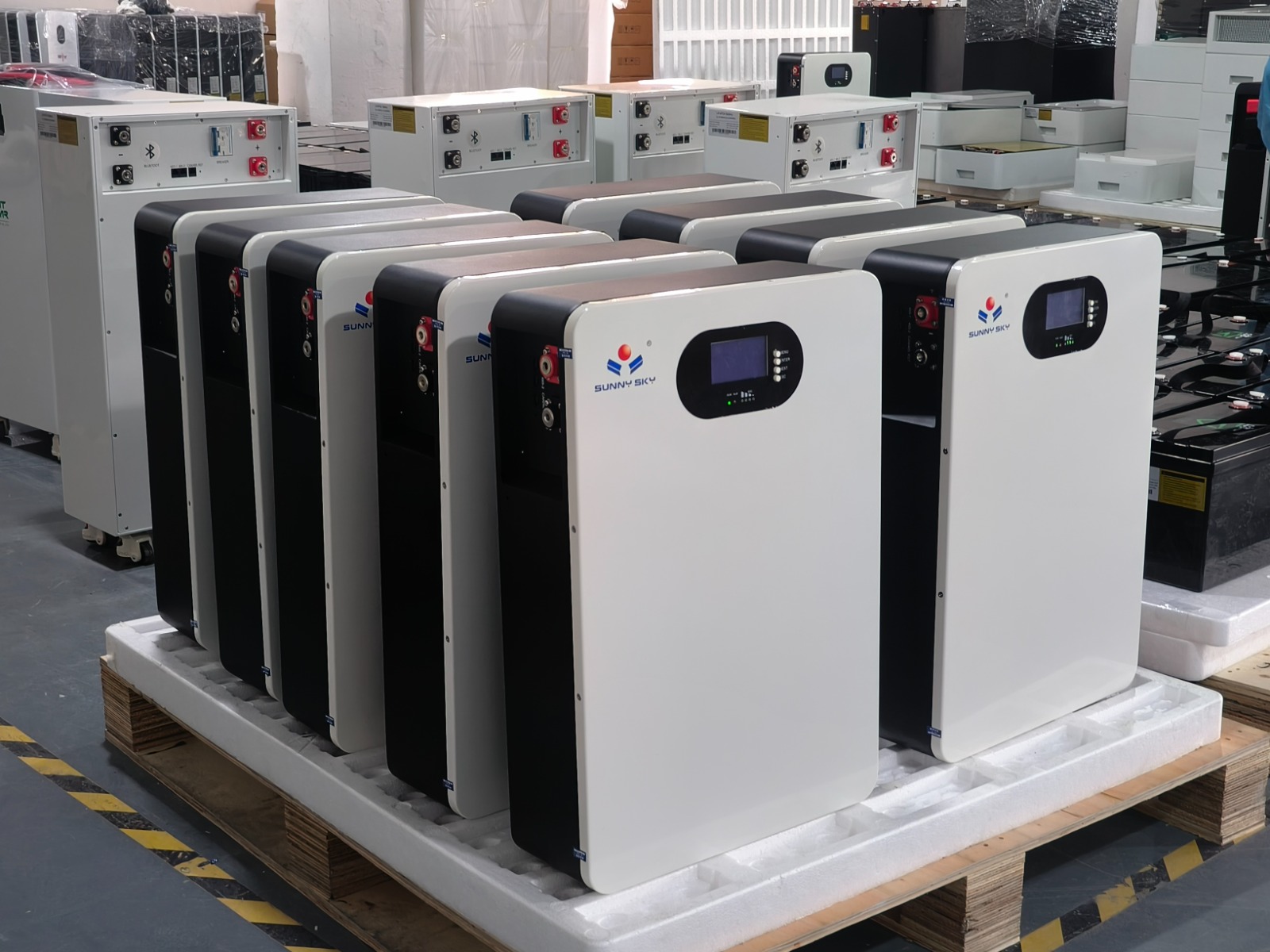
Scenario 1: 5.5kW solar panel + 10 kWh battery + home off-peak charging. This is the most basic configuration. During the day, the electricity generated by the solar panel is prioritized to charge the battery, and at night during off-peak hours, the battery charges the car while continuing to enjoy low off-peak electricity prices. A 10 kWh battery can charge approximately 25 to 30 kWh, enough for the car to travel about 200 kilometers. If your daily commute is less than 100 kilometers, this system can basically meet your charging needs.
Let's calculate the investment costs: A 5.5kW photovoltaic system costs approximately 8,000 to 12,000 yuan, and a 10 kWh battery costs approximately 8,000 to 12,000 yuan. Adding installation fees and other accessories, the total investment is approximately 20,000 to 28,000 yuan. Annual electricity generation revenue: If all of it is used for self-consumption, 6,000 kWh of electricity generated at 0.5 yuan/kWh would save approximately 3,000 yuan in electricity costs. Simultaneously, approximately 1,000 kWh of electricity is sold to the grid, generating approximately 400 yuan in revenue at 0.4 yuan/kWh. The total annual revenue is approximately 3,400 yuan. The payback period is approximately 6 to 8 years.
Scenario 2: 5.5kW PV + 20 kWh battery + virtually no grid usage. This configuration allows for almost complete grid decoupling of household electricity consumption and charging. During the day, electricity generated by the PV system is prioritized for battery charging and household use, while at night, the battery power is used to charge the car. If the battery capacity is large enough, a balance can be achieved most days between daytime power generation and nighttime power consumption.
Cost: A 5.5kW photovoltaic system costs approximately 8,000 to 12,000 yuan, and a 20 kWh battery costs approximately 15,000 to 20,000 yuan, for a total investment of approximately 28,000 to 36,000 yuan. Benefits: Essentially eliminates electricity costs, saving approximately 4,000 to 5,000 yuan annually (including household electricity and charging costs). However, one issue needs to be considered—the cost of a 20 kWh battery is not low, and battery degradation occurs; therefore, battery replacement costs need to be factored into the payback period.
Scenario 3: Integrated Solar PV + Charging Pile Solution (No Battery Included). If you have a fixed parking space with a good orientation, and you park there every day during the day, you can consider the "solar PV + DC fast charging pile" solution. The electricity generated by the solar panels directly charges the car through the charging pile, bypassing battery conversion, resulting in higher efficiency. However, this solution has a limitation—it can only charge during the day. If you don't use the car during the day, this solution is not very suitable.
Cost: A 5.5kW solar panel costs approximately 8,000 to 12,000 yuan, and a DC charging station costs approximately 5,000 to 8,000 yuan, for a total investment of approximately 15,000 to 20,000 yuan. Benefits: All electricity generated is for self-consumption, saving approximately 3,000 yuan in electricity costs annually, with a payback period of approximately 5 to 7 years. This solution eliminates battery degradation and replacement costs, making it suitable for users with a fixed parking space and daytime charging capabilities.
III. Recommended Configuration Scheme for Photovoltaic Power Generation + Electric Vehicles
Having discussed three scenarios, how should you choose? It boils down to two key questions: Do you have a fixed parking space, and how far is your commute?
Option 1: If you have a fixed parking space and a long commute, we recommend "solar power + battery + slow charging station". If your daily commute is over 80 kilometers and your electric car is your primary mode of transportation, a 15-20 kWh battery is reasonable. This ensures that even on several consecutive cloudy days, the battery will have enough capacity to support your commute. A 7kW slow charging station can charge your car for about 70 kWh in 10 hours each night, enough for a range of over 400 kilometers.
Option 2: If you have a fixed parking space and a short commute, we recommend "solar photovoltaic + fast charging station" or "solar photovoltaic + small battery + slow charging station". If your daily commute is only 30-40 kilometers, your parking space has a good orientation, and there is plenty of sunlight, it's more cost-effective to use a small-capacity battery (5 to 10 kWh) or not at all, and directly use solar photovoltaic + fast charging station. During the day, the electricity generated by the solar photovoltaic system can directly charge the car without the need for a battery, making it more efficient.
Option 3: No fixed parking space, so charging can only be done at home. In this case, the photovoltaic power generated can only be sold to the grid first, and then electricity is bought from the grid at night to charge the car. The photovoltaic benefits of this option will be reduced—electricity used during the day and electricity used for charging at night will both be charged, and the "self-generation and self-consumption" maximum can not be achieved. However, if there is a peak-valley electricity price difference in the local area (the peak-valley price difference exceeds 0.3 yuan/kWh), it can still be calculated. A better option is to apply for off-peak charging discounts and use them in conjunction with photovoltaic power generation.
One more point to emphasize: the charging power of your electric vehicle must match the power output of your solar power system. If you install a 5.5kW solar panel, but your electric vehicle only supports a 3kW slow charge, then there will be a significant surplus of solar power. This excess electricity will have to be sold back to the grid, reducing your returns. When choosing solar power capacity, you must consider both the power output of your charging station and the charging needs of your electric vehicle.
IV. Six issues that must be considered before installing photovoltaic systems
The combination of solar power and electric vehicles sounds great, but it's not suitable for everyone. There are a few issues to consider carefully before deciding to install it.
First, do you have enough installation space? A 5 to 10 kW photovoltaic system requires approximately 30 to 60 square meters of installation area, which can be a rooftop, carport, or open space. If you live in a commercial property without your own roof, the feasibility of installing photovoltaics is very low.
Secondly, what is the orientation and sunlight condition of your parking space? Solar panels need to face south and receive sunlight; shading will severely affect power generation. If your parking space is in a basement or is heavily shaded by surrounding buildings, the efficiency of solar power generation will be greatly reduced.
Third, what is the electricity price in your area? The payback period for solar power largely depends on the local electricity price. The higher the electricity price, the greater the return on investment for self-consumption of solar power, and the shorter the payback period. Areas like Guangdong, Zhejiang, and Shanghai have higher electricity prices, making them suitable for installing solar power; while areas with lower electricity prices, such as Xinjiang and Inner Mongolia, will have a longer payback period.
Fourth, how many kilowatt-hours of electricity can an electric vehicle charge per year? This number determines the "absorption" capacity of the photovoltaic system—how much of the generated electricity can be consumed by the electric vehicle. If an electric vehicle can only charge 2,000 kilowatt-hours per year, but you have installed a system that generates 7,000 kilowatt-hours of electricity per year, the excess electricity can only be sold to the grid at a very low price, and the income will be significantly reduced.
Fifth, how long do you plan to live in this house? The payback period for a solar PV system is typically 5 to 10 years. If you move before you break even, the full value of the system won't be realized. If you're renting or plan to move within a few years, installing solar PV isn't a good option.
Sixth, what are the policies regarding solar panel installation in your area? Some residential communities prohibit the installation of solar panels on rooftops or parking spaces, while some cities require approval for private solar panel installations. Before installation, be sure to understand the local policies and regulations to avoid being forced to remove the installed panels later.

Conclusion
Whether it's worthwhile to buy an electric vehicle and then install solar panels depends on many factors: your installation space, sunlight conditions, local electricity prices, the charging needs of your electric vehicle, the stability of your residence... With these factors combined, everyone's answer will be different.
However, one trend is certain: electricity prices will become increasingly expensive, electric vehicles will become more widespread, and the cost of solar power systems will decrease. Now may not be the most profitable time to install solar panels, but it certainly won't be a time to lose money.
If you are considering buying an electric vehicle, you might want to include the cost of solar panels in your "total cost of ownership"; if you are already an electric vehicle owner, assess your current charging costs. If your annual charging expenses exceed 2,000 yuan, installing solar panels may be a worthwhile option.
My advice in one sentence: First, calculate the charging cost clearly, then calculate the photovoltaic investment clearly. Once you understand both costs, the decision will not be difficult.
Please contact Simon immediately to discuss your project:
WeChat: TY530643572
Telephone: +86 137 1166 0041




