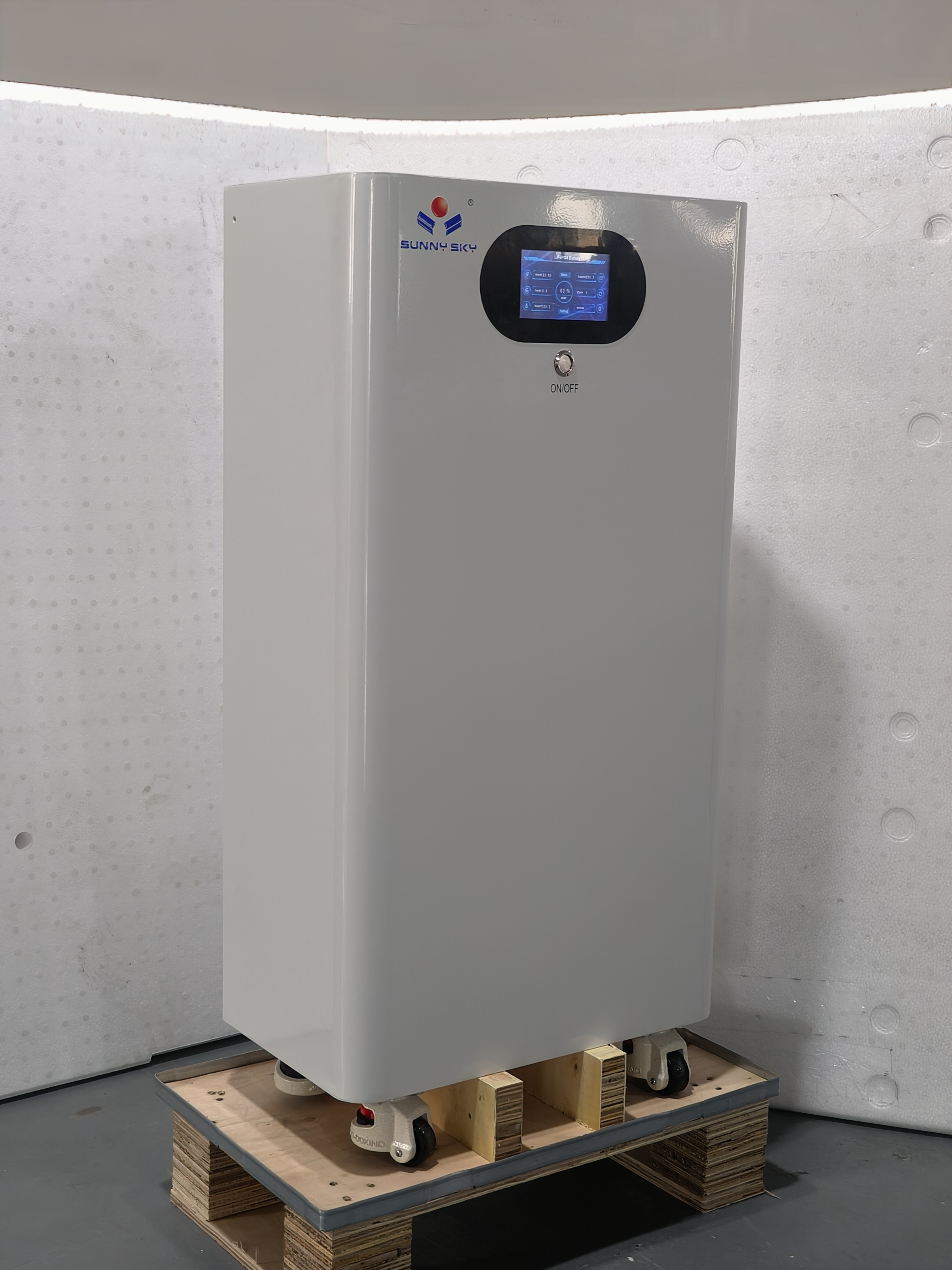
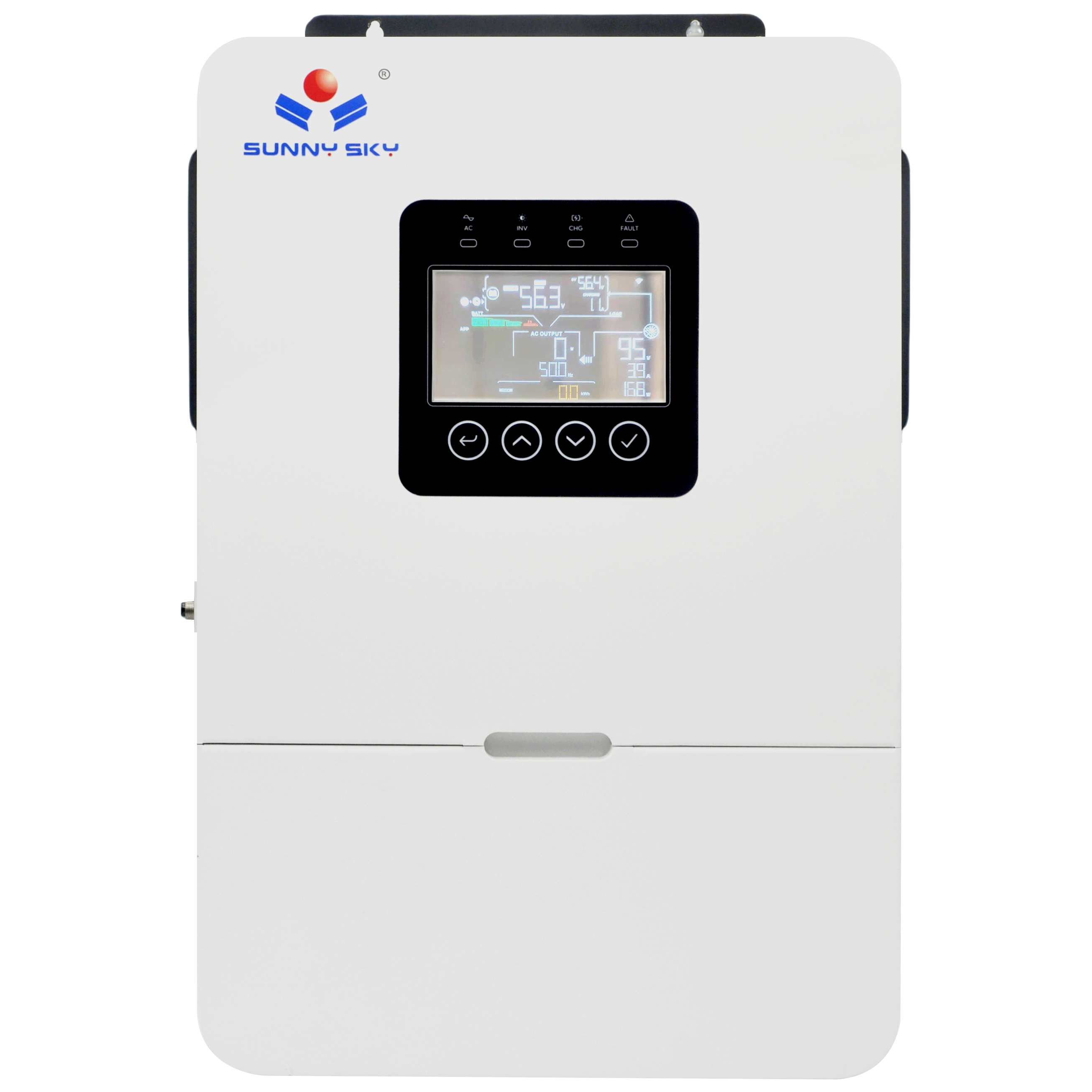
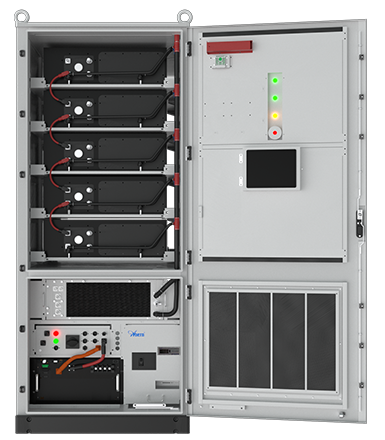
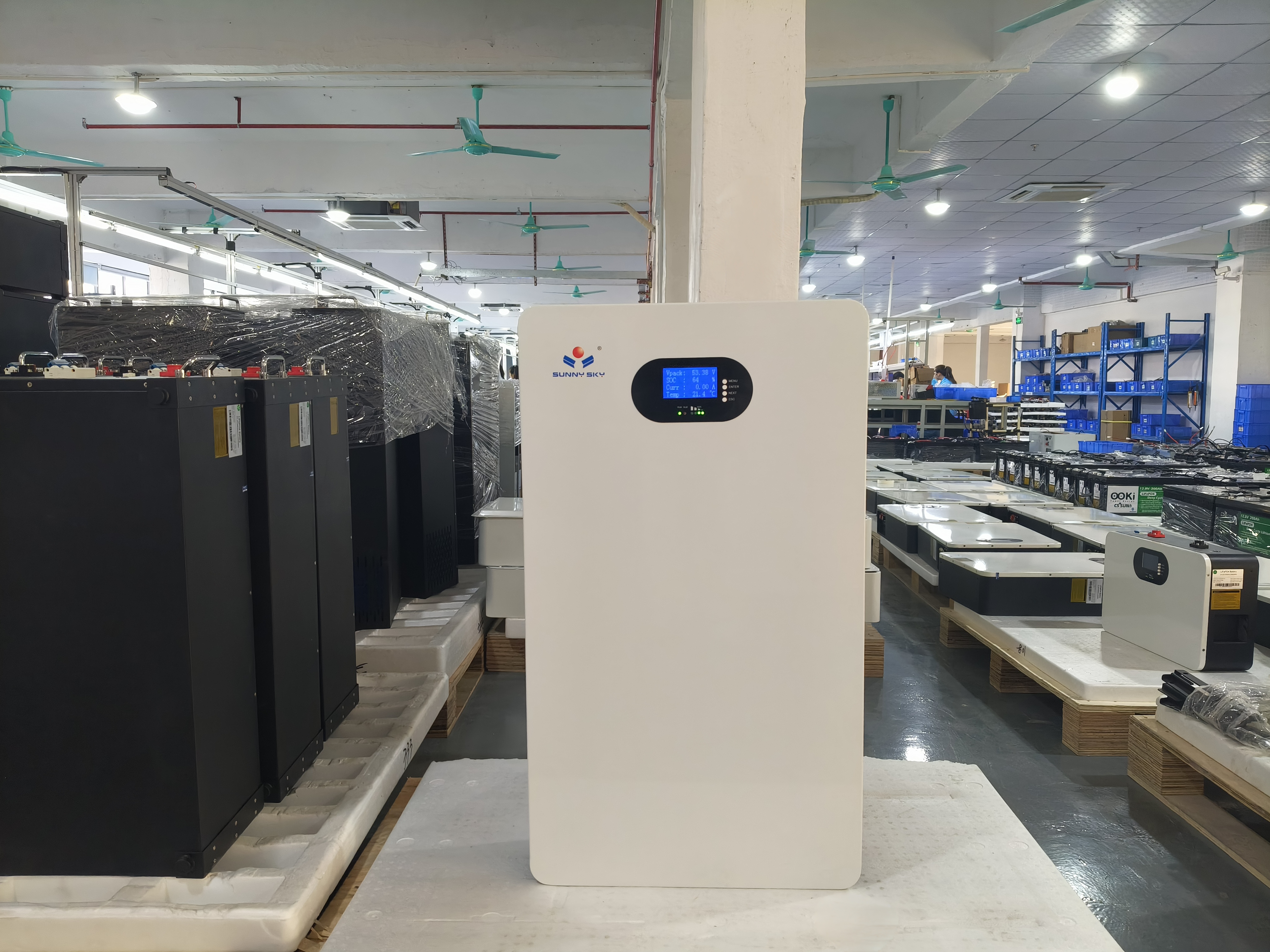
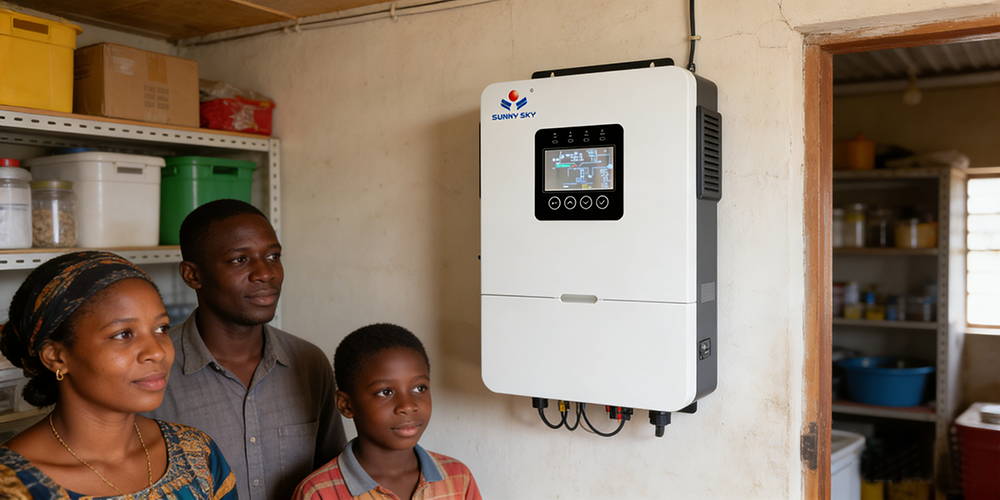
Why have lithium iron phosphate batteries become the mainstream energy storage solution? In-depth analysis of their advantages and disadvantages.
1. What is a lithium iron phosphate battery: its structure, operating principle, and material properties?
2. Core advantages: High safety, long cycle life, stable cost, and excellent high-temperature performance.
3. Limitations: Low energy density, poor low-temperature performance, and challenges in achieving consistency.
4. Comparison of three types of batteries: Lithium iron phosphate vs. Ternary lithium vs. Lead-acid battery
5. Application scenarios: residential energy storage, industrial and commercial energy storage, and communication backup power.
6. Avoiding pitfalls when purchasing: Falsely advertised capacity, refurbished old cells, and warranty traps.