What a solar storage inverter system is meant to solve
A solar storage inverter system is not just about turning DC into AC. In practice, it sits at the center of a larger operating decision: how to use solar power when the sun is available, how to keep loads running when it is not, and how to avoid paying for expensive grid power at the wrong time. For many buyers, that means choosing between a simple grid-tied setup and a solar storage inverter system that can also manage batteries, backup power, and shifting demand.
That decision matters because the wrong architecture can leave a site underpowered, difficult to expand, or awkward to service. A factory may need peak shaving. A commercial building may want more stable bills. A remote site may need an off grid solar inverter arrangement that keeps critical equipment alive when utility power is not dependable. The point is not to buy the most complicated system; it is to buy the one that matches the load profile and operating risk.
Quick answer: when storage changes the economics
If your project only needs daytime self-consumption, a basic photovoltaic inverter system may be enough. If you want backup, load shifting, or better control over peak demand, storage starts to make sense quickly. That is especially true when a solar inverter with battery storage can be used to smooth intermittent generation and reduce reliance on the grid during high-tariff periods.
In buyer terms, the question is usually this: do you need solar power to be used immediately, or do you need it to be available later, possibly at a different power level? If the answer includes later use, outage support, or site stabilization, then a hybrid solar inverter or a broader battery energy storage system becomes relevant.
What the visible cabinet design tells a buyer
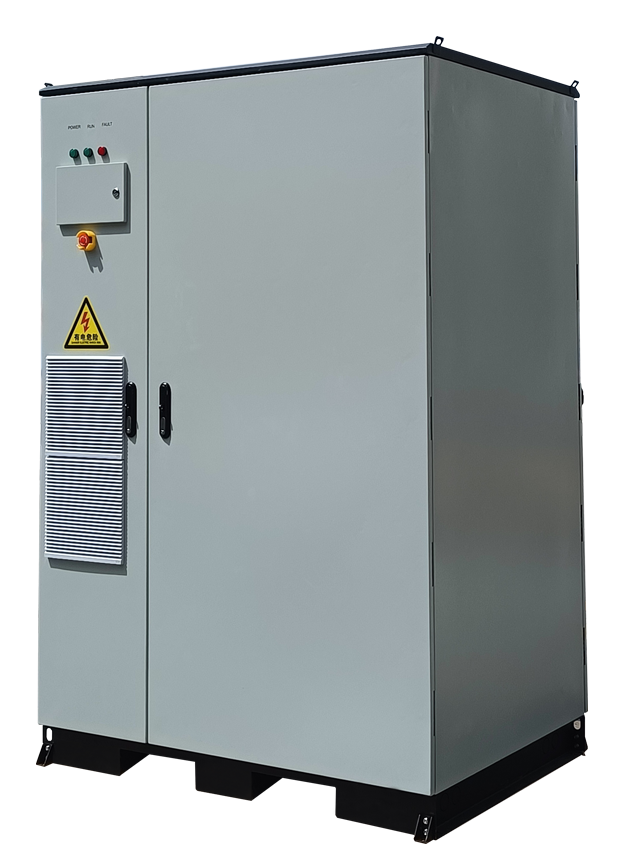
The product information supplied here points to a large industrial energy storage integrated cabinet, with a light gray metal enclosure, double front doors, a service door, venting on the lower front, and high-voltage warning labels. That kind of cabinet format is often used where safety, maintainability, and physical protection matter more than compact size.
From a purchasing perspective, the visible features are useful even without guessing the hidden specifications. Lockable access doors suggest service control. Ventilation provision suggests thermal management is being considered. The emergency stop button and warning signage are the sort of details engineers like to see because they reduce ambiguity on site. The cabinet itself does not tell you battery chemistry, inverter rating, cooling method, or fire suppression approach, so those still need to be confirmed in the technical pack.
Common system types buyers compare
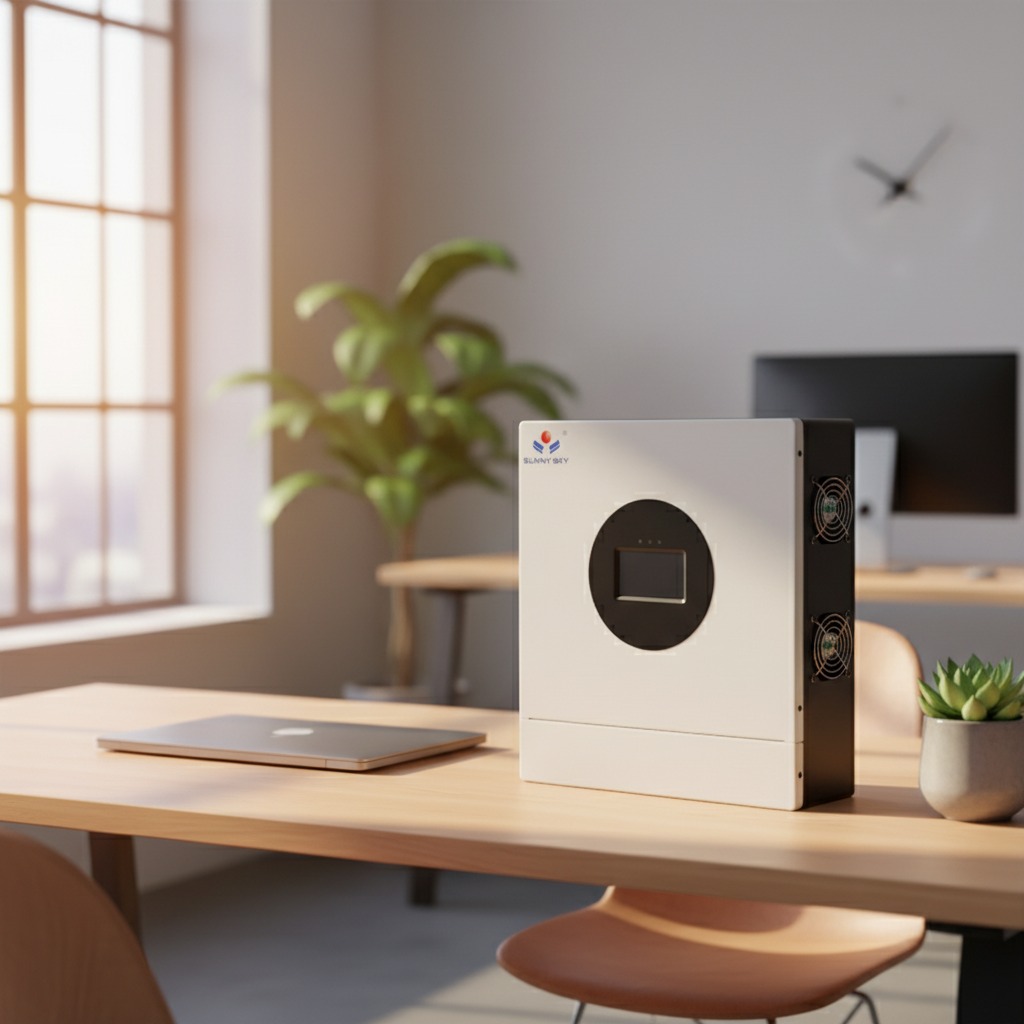
Residential energy storage inverter
A residential energy storage inverter is usually judged on quiet operation, compact size, and ease of installation. Homeowners care about backup circuits and self-consumption, but they rarely need the industrial cabinet footprint seen in larger systems.
Commercial solar inverter
A commercial solar inverter is often chosen for shops, offices, warehouses, and mixed-use buildings. Here, bill reduction and uptime are both important. The system must cope with more variable load patterns than a home solar storage system, and service access starts to matter much more.
Industrial storage cabinet or integrated energy system
This is where the cabinet shown in the product data fits best. Industrial sites usually want rugged enclosures, simpler maintenance access, and the ability to support peak-valley arbitrage, backup power, or microgrid operation. The system may be installed indoors or outdoors depending on the actual design, though that should never be assumed without documentation.
Selection criteria that save trouble later
Engineers and sourcing managers usually do better when they start with the load profile rather than the brochure. Daily energy use, surge demand, critical loads, and outage duration all affect the right solar storage inverter system. It also helps to check whether the project needs islanding capability, black start behavior, or compatibility with an existing PV array.
Another practical issue is serviceability. An all-in-one storage system can simplify installation, but only if the internal layout is sensible and spare parts are available. Buyers should ask how access is handled, what alarms are provided, and what happens if the cabinet needs maintenance during production hours. A clean-looking enclosure is nice; clear service logic is better.
Typical mistakes in procurement
One common mistake is overspecifying power and underspecifying operating context. A solar power storage inverter that looks strong on paper may still be a poor fit if the site spends long periods at partial load or if the ventilation strategy is marginal. Another mistake is assuming every hybrid solar inverter handles backup in the same way. They do not.
It is also easy to overlook communications and controls. Energy storage is not just hardware; it is coordination. If the cabinet must work with plant monitoring, EMS software, or utility rules, those interface details should be settled early. Buyers sometimes discover this only after the equipment arrives, which is an expensive way to learn.
FAQ
Is a solar storage inverter system the same as a battery?
No. The battery stores energy, while the inverter and control system manage how that energy is converted and dispatched. In many projects they are packaged together, but they are not the same function.
Can one system serve both backup and solar self-consumption?
Often, yes. That is one of the main reasons buyers move beyond a basic photovoltaic inverter system. The exact behavior depends on system design and control logic.
Is an industrial cabinet always better than a smaller unit?
Not always. Larger systems suit larger loads, but size alone does not make a better solution. What matters is matching architecture to the site’s operating pattern and maintenance capacity.
What should I confirm before requesting a quote?
At minimum: rated power, battery capacity, chemistry, cooling method, protection features, communication options, and installation environment. If any of those are unclear, ask before the commercial discussion goes any further.
Where Guangzhou Tianyuan Solar Equipment fits in
Guangzhou Tianyuan Solar Equipment CO.,LTD says it combines independent R&D with patented technologies and has supplied products to more than 50 countries. The company also emphasizes stable performance, design, and ongoing R&D for efficiency and reliability. For buyers, that suggests a supplier profile focused on energy-system integration rather than a single off-the-shelf component.
If you are comparing a solar storage inverter system for a factory, commercial building, or site with backup requirements, it is worth asking for a full technical breakdown rather than relying on the cabinet exterior. The right next step is usually a project review: load data, operating hours, grid conditions, and the intended role of storage. From there, the equipment choice becomes much clearer, and usually much less expensive to get wrong.