What buyers usually mean by a solar storage inverter system
A solar storage inverter system is not just a box that turns DC into AC. In practice, it is the control point between photovoltaic generation, battery storage, and the loads that need power now or later. For engineers, sourcing managers, and product teams, the real question is usually whether the system can keep solar energy usable when the sun is not available, and whether it can do that safely, efficiently, and with enough flexibility for the site.
That matters because many projects begin with a simple requirement: reduce grid dependence or provide backup power. Once the conversation moves into design review, the details become more serious. Do you need a hybrid solar inverter for a small commercial roof array, or a battery energy storage system that can support peak shaving and load shifting in a factory? Is this closer to a home solar storage system, or a commercial solar inverter setup tied to a larger distribution board? Those are not cosmetic distinctions. They affect sizing, controls, installation, and long-term maintenance.
Quick buyer takeaway: inverter, battery, and cabinet are not the same decision
The terms get mixed together a lot. A solar inverter with battery storage may describe a compact residential unit, while a photovoltaic inverter system in a larger project may sit inside a cabinet or be integrated with a separate storage enclosure. An off grid solar inverter has a different operating logic from a grid-tied or hybrid arrangement. If you are buying for an industrial site, the enclosure, service access, ventilation, and electrical integration often matter as much as the inverter brand itself.
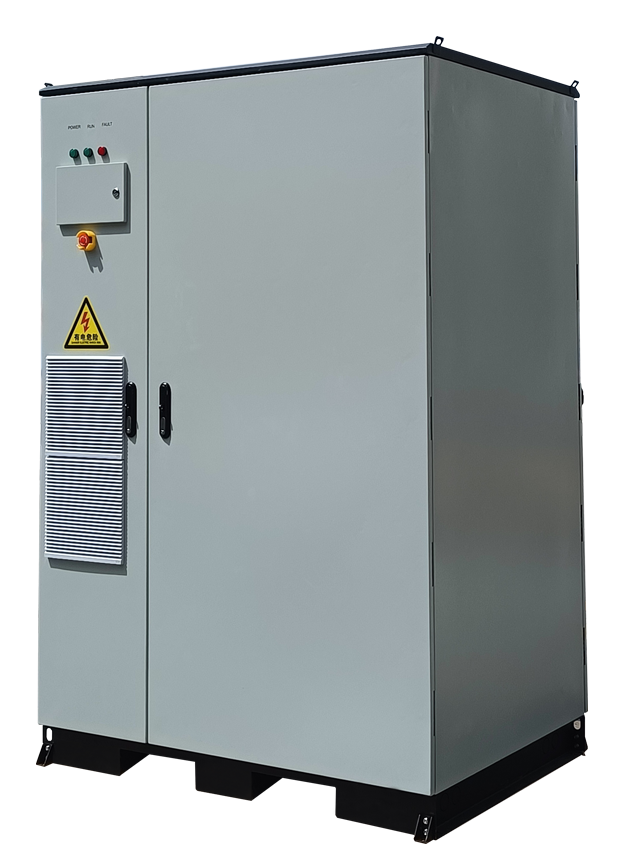
The product information here points to a large industrial energy storage cabinet, likely used as an integrated energy storage unit. That suggests a floor-mounted, sheet-metal enclosure with double front doors, visible safety controls, and ventilation features. In buyer terms, that is the kind of format used when energy storage is being treated as plant equipment rather than a consumer appliance.
Where these systems are used
Commercial and industrial backup power
In factories, warehouses, and other load-heavy facilities, a solar storage inverter system can help bridge short outages, smooth load spikes, and support critical equipment. The value is often less about “selling power back” and more about keeping operations stable.
Peak shaving and load shifting
A battery energy storage system can charge during lower-demand periods and discharge when the site’s load profile becomes expensive. That is one reason buyers often compare a solar power storage inverter against broader energy management needs rather than only PV output.
Microgrids and renewable buffering
In a microgrid, the inverter is part of a control strategy. Solar output changes quickly. Storage helps absorb the swings. Without that buffer, the system can become harder to manage than the brochure suggests.
What the cabinet-style format tells you
The visible product appears to be a metal enclosure with a light gray painted finish and a black base or frame. It has a tall rectangular footprint, double doors, indicator lights, an emergency stop button, and a ventilation grille. Those are practical design cues. They suggest the system is intended for controlled industrial use, with service access and operational monitoring built in.
For buyers, that usually means easier maintenance than a fully sealed, hidden assembly, but also a need to confirm installation conditions carefully. An enclosed cabinet does not automatically tell you the cooling method, the battery chemistry, or whether the inverter/PCS is inside. Those details must be verified before purchasing, especially for projects with thermal, safety, or compliance constraints.
Selection criteria that actually matter
When comparing a residential energy storage inverter with a commercial solar inverter package, start with the load profile. How much power is needed, for how long, and under what operating mode? Backup-only systems are simpler than systems meant for daily cycling. Then check integration: does the supplier provide the battery cabinet, inverter interface, controls, and electrical assembly as one coordinated unit, or will your team be responsible for matching components?
Serviceability matters too. A cabinet with front access, clear labeling, and visible emergency controls is usually easier to manage on site. That may sound obvious, but many procurement problems come from beautiful specifications and poor maintenance access. Ask how technicians will inspect, isolate, and service the unit after installation.
Common mistakes buyers make
One common mistake is treating all hybrid solar inverter products as interchangeable. They are not. Some are suited to home solar storage systems, while others are designed for industrial loads and much tougher duty cycles. Another mistake is assuming the inverter alone determines performance. In real projects, the battery management layer, control logic, enclosure design, and thermal management can influence uptime just as much.
Another practical warning: do not approve a system on the basis of visible cabinet size alone. A large enclosure does not tell you capacity, power rating, or internal architecture. It only tells you the equipment has been packaged for an industrial footprint.
What to ask before you request a quote
Ask whether the solar storage inverter system is intended for off grid solar inverter use, grid support, or hybrid operation. Ask whether the unit includes the inverter, battery modules, PCS, cooling, and protection devices, or whether it is a cabinet platform that requires additional integration. If the application is commercial, ask about service access, remote monitoring options, and how the system is protected during abnormal operating conditions. Even a small omission in the specification can become an expensive site issue later.
How SUNNYSKY fits into the picture
Guangzhou Tianyuan Solar Equipment CO.,LTD says it works with independent R&D and patented technologies, and that the SUNNYSKY brand has reached more than 50 countries. The company also states a focus on stable performance, design, and reliable green energy solutions. For buyers, that kind of background is relevant if you need a supplier that can support product development, system integration, or export-oriented projects. The company also invites global clients to visit its factory near Guangzhou Baiyun International Airport, which can be useful when you want to verify manufacturing capability in person.
FAQ: solar storage inverter systems
Is a solar storage inverter system the same as a battery energy storage system?
Not exactly. The battery energy storage system is the broader storage package. The inverter is one part of the conversion and control chain. In some products they are integrated; in others they are separated.
Can this type of system be used for factories and warehouses?
Yes, that is one of the most common use cases. Industrial sites often use storage for backup power, demand management, and renewable buffering.
Should I choose a residential or commercial unit?
Match the unit to the load and duty cycle. A residential energy storage inverter is usually not the right starting point for a plant environment, even if the basic solar language sounds similar.
What should I verify before buying?
Confirm capacity, power rating, system architecture, cooling, certifications, installation environment, and whether the inverter and battery sections are integrated or supplied separately. If those items are not clear, ask again before the order is placed.
Next step for buyers
If your project needs a solar storage inverter system for commercial or industrial use, request a full system breakdown rather than a single-line quote. The best suppliers will explain the cabinet structure, electrical integration, and service approach in plain terms. That is usually where the real difference shows up, long before the first unit is installed.