FAQs on Solar Storage Inverter Systems: What Buyers Need to Clarify Before They Specify a Project
A solar storage inverter system is one of those terms that sounds straightforward until you sit down with a procurement sheet, a utility interconnection requirement, and a maintenance team all asking different questions. In practice, buyers are usually trying to solve a more specific problem: how to keep power stable, store surplus solar energy, and make sure critical loads stay online when the grid is weak or unavailable. That is true for a home solar storage system, but it matters even more in commercial and industrial settings, where one poor equipment choice can affect production, uptime, and operating cost.
For engineers and sourcing managers, the real task is not just buying an inverter. It is deciding whether the system should behave like a solar inverter with battery storage, a hybrid solar inverter, an off grid solar inverter, or a larger battery energy storage system built around a cabinet-style platform. The answer depends on load profile, site conditions, backup expectations, and how much control the operator wants over charging, discharging, and load shifting.
What is a solar storage inverter system, in practical terms?
At the simplest level, a solar storage inverter system manages energy flow between solar generation, batteries, and the load. A photovoltaic inverter system turns DC power into usable AC power, but a storage-capable unit adds another layer: it can route energy into storage and draw it back out later. That makes the system more useful when solar production does not line up with demand.
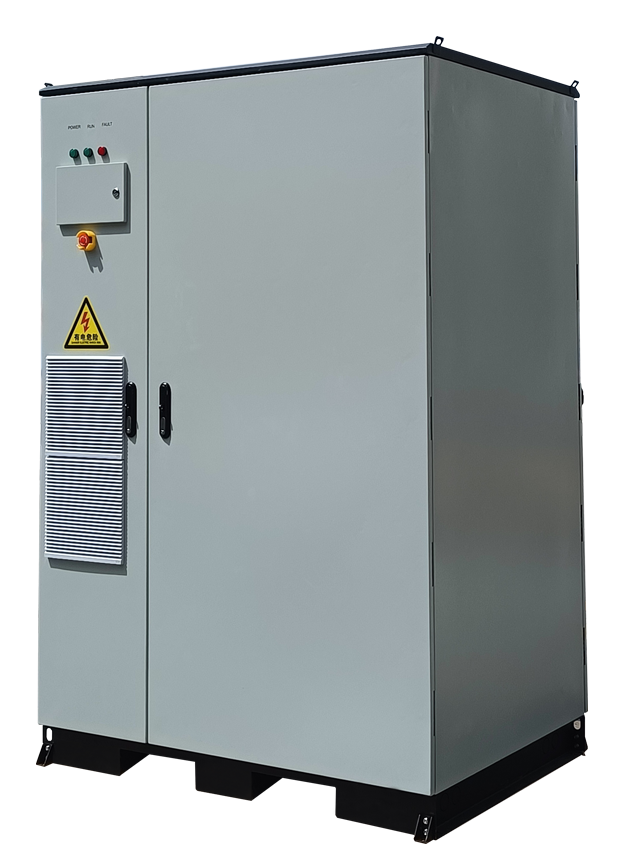
In buyer language, this can mean several configurations. Some are built for residential energy storage inverter applications, where backup during outages is the main goal. Others are commercial solar inverter solutions designed for demand management, peak shaving, or site resilience. Larger floor-standing cabinets, like the industrial energy storage enclosure described here, are closer to plant equipment than to a rooftop appliance.
How do I tell whether I need a hybrid solar inverter or a separate storage cabinet?
This is one of the most common specification questions, and it is worth slowing down for. A hybrid solar inverter typically combines PV conversion and battery charging functions in one platform. That can reduce equipment count and simplify smaller installations. But once the project grows, many buyers prefer modular systems built around an all-in-one energy storage system or a separate cabinet architecture, because serviceability and thermal management become more important.
The visible cabinet in this case suggests an industrial approach: double front doors, heavy-duty base supports, a lockable access panel, status indicators, an emergency stop button, and ventilation provision. Those are all signs that the system is meant for controlled operation in a commercial environment, not casual handling. A practical caution: the outside tells you something about the product family, but not enough to confirm battery chemistry, power rating, or whether the inverter is integrated inside the same enclosure.
What should buyers check first on an industrial energy storage cabinet?
Before comparing quotations, confirm the basic role of the unit. Is it a battery-only cabinet, a solar power storage inverter platform, or a combined inverter-plus-battery system? That distinction affects wiring, footprint, heat load, commissioning, and maintenance access. It also changes who owns the controls integration.
From a manufacturing standpoint, the cabinet itself appears to be sheet-metal fabricated and painted in a light gray industrial finish, with black top and base framing. That suggests a durable enclosure designed for site use. For procurement teams, the key questions are usually simpler than the brochure language: how is the cabinet ventilated, how is emergency shutdown handled, what alarms are visible, and how easily can technicians isolate the equipment during service?
What are the main application scenarios?
These systems are used where power quality and continuity matter. That includes factories, warehouses, commercial buildings, microgrids, and renewable-energy projects that need buffering between generation and consumption. In a solar-plus-storage project, the inverter system can help capture midday surplus and release it later when demand rises. In a backup-power role, it supports critical loads during outages or unstable grid conditions.
For some buyers, the main attraction is not emergency power at all. It is energy management. A battery energy storage system can reduce peak demand charges, smooth intermittent renewable supply, and help a site run with fewer abrupt swings in load. That can be valuable, but only if the system is sized and controlled correctly. Overspecify it and you pay for unused capacity; underspecify it and you end up chasing nuisance trips and limited runtime.
FAQ: the questions sourcing teams should ask early
Is a solar storage inverter system the same as a photovoltaic inverter system?
Not exactly. A photovoltaic inverter system may focus mainly on converting PV output to AC. A storage-capable system adds battery interaction and control logic. The difference matters when a project needs backup, time shifting, or load balancing.
Can one system serve both residential and commercial projects?
In principle, the technology overlaps, but the product format usually does not. A home solar storage system is generally much smaller and simpler. Commercial and industrial sites often need larger cabinets, better service access, and more robust control interfaces.
What visible safety features should I care about?
Look for an emergency stop, warning signage, lockable access, status indicators, and practical ventilation. Those do not replace proper design verification, but they are reassuring signs that the equipment was built with site operations in mind.
Can I assume the cabinet includes the inverter and batteries?
No. That is exactly the kind of assumption that causes ordering mistakes. A large cabinet may be an integrated system, or it may house batteries with a separate PCS or inverter arrangement. Confirm the architecture in writing.
Why manufacturer capability still matters
For projects like this, the supplier is not just selling hardware; it is supplying a system that has to work as expected in the field. Guangzhou Tianyuan Solar Equipment CO.,LTD says it has independent R&D and patented technologies, and the company positions SUNNYSKY around reliable, innovative green energy. It also notes export reach in more than 50 countries and invites visitors to its factory in Guangzhou, which may be useful for buyers who want to review manufacturing capability and assembly practices before placing an order.
That said, buyers should still keep their focus on the technical package: architecture, controls, cabinet construction, protection strategy, and service support. A polished brand story is helpful; it does not replace a clear specification sheet.
What is the next step for a buyer?
If you are comparing options for a solar storage inverter system, start by defining the load profile, backup duration, grid conditions, and whether you need a hybrid solar inverter or a larger cabinet-based storage platform. Then ask the supplier to clarify what is integrated, what is optional, and what must be designed around the system. That single step prevents a lot of field confusion later.
For teams working on factory power backup, solar-plus-storage integration, or site energy buffering, a good next move is to request a full configuration breakdown and a system block diagram. It is the fastest way to separate marketing language from a buildable solution.