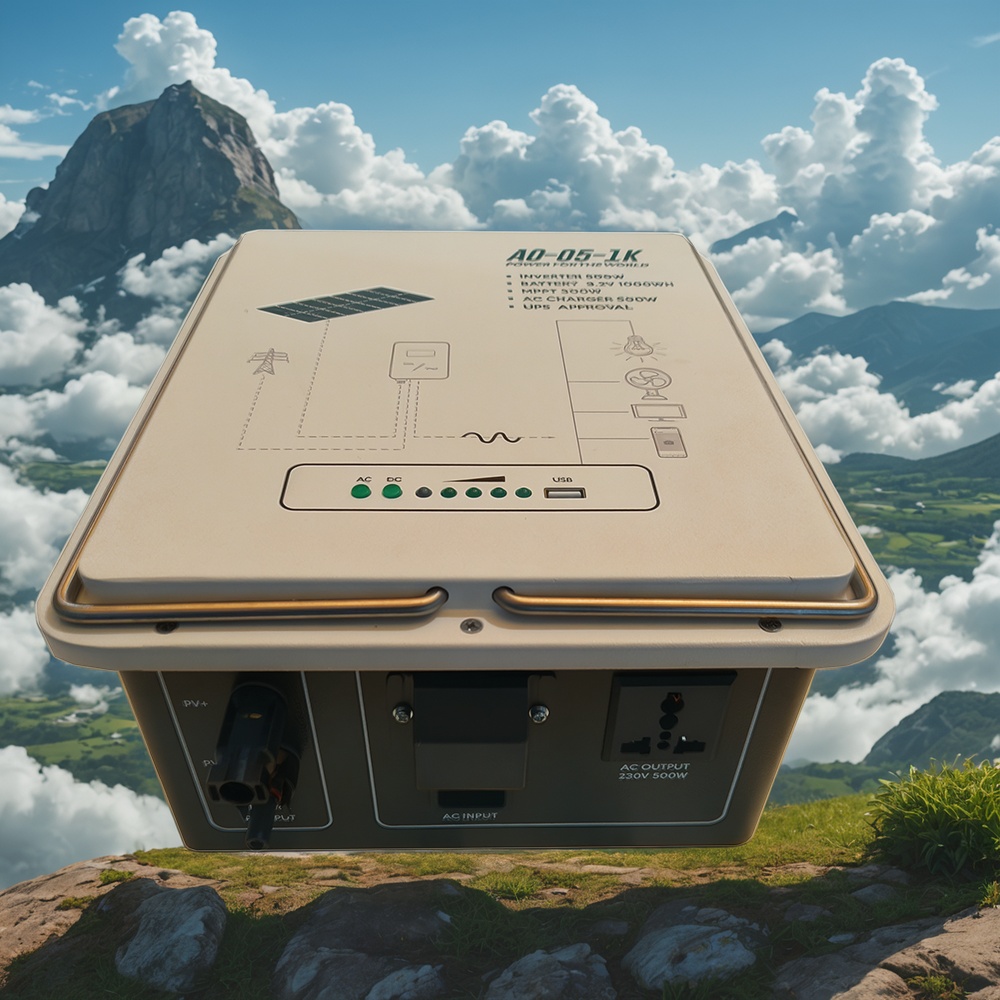
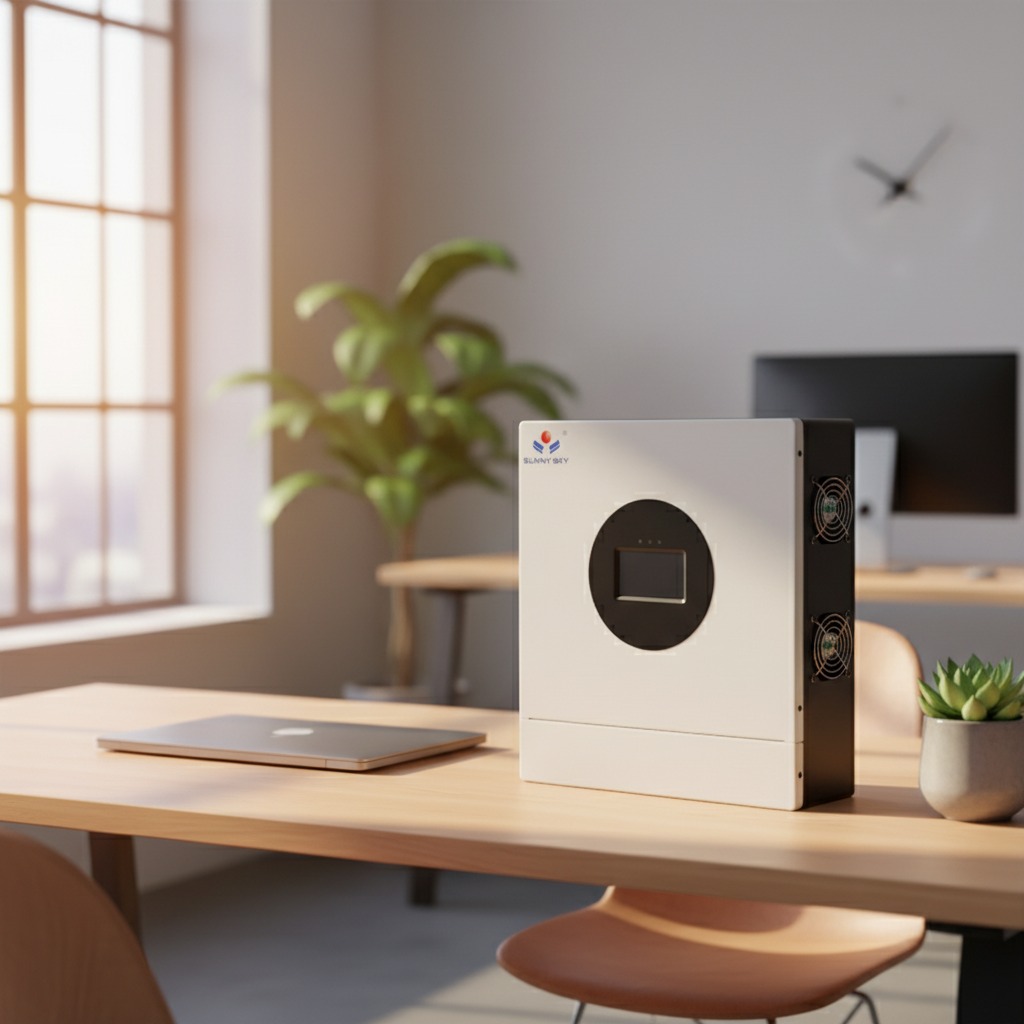
FAQ: What is a solar storage inverter system, and why do buyers care?
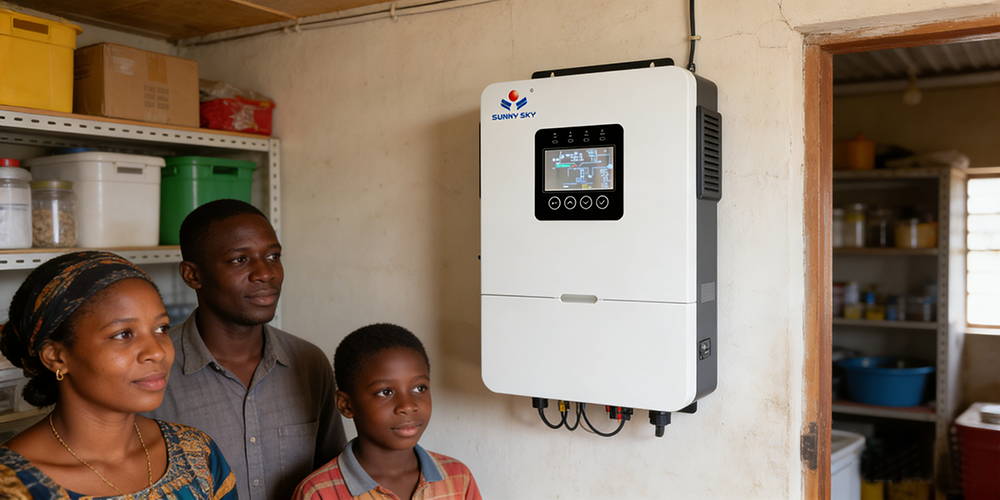
A solar storage inverter system sits at the center of a modern renewable-energy setup. In practical terms, it is the part of the power architecture that helps solar energy move from generation to usable electricity, while also coordinating storage for later use. For engineers, sourcing managers, and project teams, the interest is not just in how the system works, but in what it changes on the ground: better backup continuity, more flexible load management, and a way to keep solar power useful after the sun goes down.
That is why terms such as solar inverter with battery storage, hybrid solar inverter, and battery energy storage system get used so often in specifications and procurement discussions. They are related, but not always interchangeable. The exact architecture depends on whether the project is residential, commercial, or industrial, and whether the priority is self-consumption, peak shaving, backup power, or grid support.
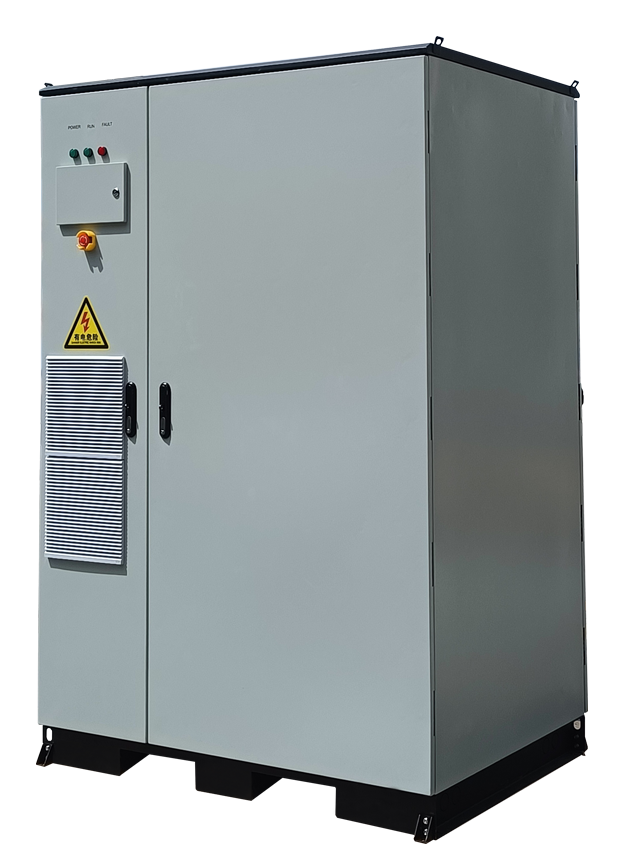
FAQ: What does the cabinet-style system in industrial projects actually do?
The product shown here is a cabinetized energy storage assembly: a tall, metal enclosure with double-door access, a vented lower panel, service controls, and an emergency stop button. That tells buyers quite a bit, even without a datasheet. It is built for electrical integration, maintenance access, and safer handling in a controlled installation environment.
This format is often chosen for commercial and industrial sites because it keeps the energy storage hardware enclosed and easier to service than scattered components. The visible ventilation features suggest thermal management is part of the design, though the exact cooling method is not specified. For many projects, that matters as much as raw capacity. A system that is difficult to inspect or service can create headaches long before it creates savings.
FAQ: Is a solar power storage inverter the same as an all-in-one energy storage system?
Not always. A solar power storage inverter usually refers to the power conversion and control side, while an all-in-one energy storage system may combine batteries, inverter functions, protection devices, and cabinet hardware in one integrated platform. In practice, buyers should treat the wording carefully.
If the project calls for a photovoltaic inverter system linked to storage, the engineering question is how the solar array, battery bank, and loads interact. If the system is a cabinetized unit like this one, the buyer also needs to think about installation footprint, access clearances, internal airflow, serviceability, and site safety procedures. Those details are easy to overlook when the first conversation focuses only on kilowatt-hours.
FAQ: What are the main application scenarios?
For industrial facilities, a commercial solar inverter paired with storage can help reduce demand peaks and stabilize operations during short outages. For warehouses, manufacturing lines, and office campuses, energy storage can smooth solar output and support critical loads. For remote or utility-adjacent sites, it can also play a role in microgrids and renewable buffering.
A home solar storage system or residential energy storage inverter follows the same general logic, but the selection criteria are different. Homeowners usually care more about compactness, quiet operation, and backup convenience. Industrial buyers care more about service access, integration with existing switchgear, and whether the equipment can fit the site’s electrical workflow without constant intervention.
FAQ: How do I choose between a hybrid solar inverter and an off grid solar inverter?
This is one of the most common procurement questions, and the answer depends on grid conditions and operating goals.
A hybrid solar inverter is generally chosen when the site has grid access but also wants battery backup and solar optimization. It is useful where the plant wants to consume more of its own solar generation and keep a reserve for outages or peak demand periods.
An off grid solar inverter is more appropriate where grid connection is unavailable, unreliable, or not part of the design brief at all. These systems tend to be selected with more caution, because load sizing and battery planning become unforgiving very quickly. If the demand profile changes later, the whole system may need rework.
FAQ: What should buyers inspect before placing an order?
Start with the basics: the electrical architecture, the enclosure layout, the serviceability of the cabinet, and the interface requirements with the rest of the power system. Do not assume that a storage cabinet and inverter package will drop into every site without custom planning.
A few practical checks matter more than glossy brochures:
1. Integration clarity
Ask whether the system is intended for solar-only buffering, backup power, or broader energy management. If the answer is vague, expect project delays later.
2. Maintenance access
Double doors, handles, visible indicators, and emergency-stop control are helpful signs, but the real question is whether technicians can inspect, isolate, and service the unit safely.
3. Thermal and site conditions
The vented panel on the cabinet suggests heat management is part of the design. That is a sensible feature, but it should be matched to the installation environment rather than assumed to solve everything.
4. Documentation and support
For industrial power equipment, the quality of installation instructions, wiring guidance, and after-sales support can matter more than a small efficiency difference.
FAQ: What are common mistakes in solar storage procurement?
The biggest mistake is buying by label instead of by function. A buyer may ask for a solar inverter with battery storage and end up with hardware that does not match the site’s actual load profile. Another common error is underestimating the importance of enclosure design. In cabinetized equipment, mechanical access and thermal behavior are not secondary details; they are part of reliability.
Another caution: do not assume all systems marketed as storage-ready will behave the same way in a commercial project. A unit suitable for a small residential energy storage inverter use case may not be the right fit for a factory, a logistics center, or a microgrid. The scale changes the problem.
FAQ: How does Guangzhou Tianyuan Solar Equipment CO.,LTD position itself in this market?
According to the company information provided, Guangzhou Tianyuan Solar Equipment CO.,LTD emphasizes independent R&D, patented technologies, and a global footprint spanning more than 50 countries. The company also states that its focus is on stability, performance, design, and reliable green energy solutions. It invites global clients to visit the factory near Guangzhou Baiyun International Airport, which can be useful for buyers who want to review manufacturing capability in person.
For sourcing teams, that kind of factory access can be worth more than a polished sales deck. It allows a closer look at how the cabinet is built, how the electrical assembly is handled, and whether the system’s service logic fits the way the site will actually be operated.
FAQ: What is the next step for a buyer?
The next step is to define the use case before requesting a quote. Clarify whether the project needs backup support, peak shaving, solar self-consumption, or a fully integrated photovoltaic inverter system with storage. Then ask the supplier for the electrical architecture, cabinet layout, service approach, and site requirements.
If the project is serious, request a technical discussion rather than a generic catalog response. That is usually where the real differences between an adequate system and a well-matched one become obvious.