What buyers usually want to know about a solar storage inverter system
A solar storage inverter system is often where a solar project moves from “panel-driven generation” to something that actually behaves like a useful power asset. For engineers, sourcing managers, and product teams, the real question is not whether solar can make electricity. It is how that electricity gets converted, stored, and delivered when the load needs it. In practice, that means comparing a solar inverter with battery storage against a simpler grid-tied setup, then deciding whether the project needs backup power, peak shaving, or a full battery energy storage system.
That distinction matters because the inverter is doing more than one job. It manages power conversion, coordinates charging and discharging, and often sits between photovoltaic input, batteries, and site loads. In commercial settings, the wrong choice can create headaches around downtime, oversized equipment, or a storage cabinet that looks fine on paper but is awkward to integrate on site.
Quick FAQ: how these systems are usually grouped
Is a hybrid solar inverter the same as a solar power storage inverter?
Not always, though the terms get used loosely. A hybrid solar inverter usually refers to equipment that can handle both PV input and battery interaction. A solar power storage inverter often emphasizes the storage side more directly. In purchasing discussions, the important issue is less the label and more the operating logic: can the unit support charging from solar, discharge to loads, and work with the site’s electrical architecture?
When does an off grid solar inverter make sense?
An off grid solar inverter is usually selected where the site cannot depend on utility power, or where the system is being designed for standalone operation. That is a different decision from adding storage to a grid-connected factory or commercial building. If the project still has grid access, a residential energy storage inverter or commercial solar inverter with hybrid capability may be the more practical route.
What a cabinet-style energy storage system changes in the field
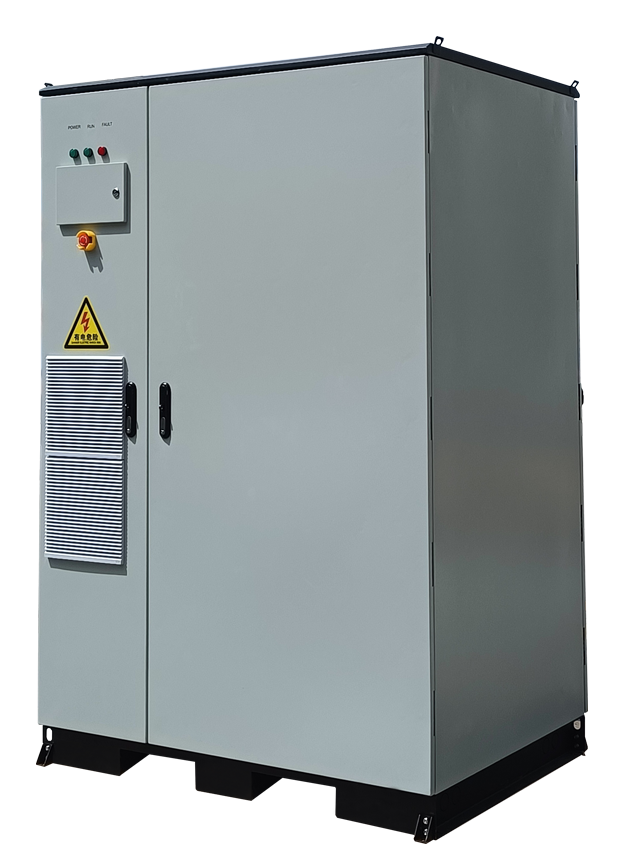
The product shown here looks like an industrial energy storage cabinet or integrated energy storage system. The form factor is a floor-standing metal enclosure with front-access doors, warning signage, status indicators, and a visible emergency stop button. That is not a cosmetic detail. It tells buyers the system is built for controlled access, safer operation, and serviceability inside a plant, commercial site, or utility-support environment.
For buyers comparing a home solar storage system with industrial equipment, the difference is scale and duty cycle. A cabinet-type system is typically chosen where the load profile is larger, the cycles may be more frequent, and maintenance access matters. It may support backup power, load shifting, renewable buffering, or site energy management. Exact battery chemistry, capacity, cooling method, and inverter rating are not visible here, so those items should be confirmed in the datasheet rather than guessed from the enclosure.
Selection criteria that matter more than brochure language
The best purchase decision usually comes down to four questions. First, what is the load profile: short backup events, daily cycling, or grid-support work? Second, is the system paired with rooftop PV, generator backup, or a mixed source? Third, how much cabinet space and ventilation can the site realistically support? Fourth, what level of monitoring and service access will the operations team need?
Buyers often focus on the inverter name and forget the surrounding system. That is a mistake. A photovoltaic inverter system only performs as well as its controls, protection devices, thermal design, and installation discipline. If the cabinet is intended for a factory or commercial building, ask how status alarms are shown, how fault conditions are isolated, and how maintenance is done without taking the whole site offline.
Common mistakes when sourcing storage inverter equipment
One common error is treating a solar inverter with battery storage like a generic power cabinet. Electrical integration, not just enclosure size, decides whether the system works well. Another is assuming every hybrid solar inverter can handle every battery or every load pattern. Compatibility is a real issue, and it should be checked early.
Another practical caution: do not assume outdoor suitability from appearance alone. Unless the supplier states the enclosure rating, installation environment, and thermal management method, keep the equipment description conservative. The presence of louvered ventilation and safety labeling is encouraging, but it does not replace specifications.
Why supplier capability still matters
Guangzhou Tianyuan Solar Equipment CO.,LTD presents itself as a company with independent R&D, patented technologies, and a solar business reach across more than 50 countries. That suggests experience in product development and export-oriented support, which matters when a buyer needs a system that can be integrated into a larger energy plan rather than treated as a one-off purchase. The company also positions SUNNYSKY around reliable, innovative green energy and invites clients to visit its factory in Guangzhou.
For sourcing teams, that kind of background is worth checking against the actual proposal. Ask for the mechanical drawings, electrical architecture, control logic, and service documentation. Then compare those details with the site’s operational needs. A polished cabinet is useful, but an energy storage project succeeds only when the inverter, battery subsystem, and controls are aligned with how the facility actually runs.
FAQ: practical buyer questions
Can one system serve both solar generation and backup power?
Yes, if the architecture is designed for it. That is one reason buyers look at a hybrid solar inverter or integrated storage cabinet rather than a basic inverter.
Should I buy based on residential or commercial labeling?
Use the application as a guide, but verify the actual electrical data. A commercial solar inverter may still be too small for a factory peak-load profile, and a residential energy storage inverter may not be suitable for industrial service duty.
What should I request from the supplier first?
Start with the system specification, single-line diagram, interface list, cabinet dimensions, thermal arrangement, and installation requirements. If those are unclear, the project is not ready for procurement.
Next step for buyers
If you are evaluating a solar storage inverter system for a plant, building, or microgrid-style application, focus on how the cabinet, inverter, and battery storage work together under real operating conditions. For projects that need a vendor discussion, factory review, or system-level proposal, it is usually worth asking the supplier for a full technical package before comparing price alone.