Foreword
When discussing solar energy systems, a frequently raised question is: is installing solar energy an investment or consumption? This question seems simple, but the answer is not black and white. From a financial perspective, investment means expecting asset appreciation or returns, while consumption means spending money on services or experiences without economic return. If we consider a solar energy system as an investment, how many years will it take to break even? What is the long-term rate of return? If we consider it as consumption, where does its value lie?
Many people, when evaluating solar energy systems, habitually equate it with buying electrical appliances, believing that "spending money on equipment" is simply consumption. However, solar energy systems are fundamentally different from ordinary appliances—they not only provide clean electricity but can also continuously save you on electricity bills for over two decades, and even generate additional income. From this perspective, a solar energy system is more like a financial product; it requires a certain initial investment, and then gradually recovers costs and generates returns over a long lifespan.
This article will systematically analyze whether installing solar energy is an investment or a form of consumption from four dimensions: financial, energy-saving, environmental, and property appreciation. We will calculate the payback period and long-term rate of return for solar energy systems in detail, compare the economic differences in different regions, and discuss the risks and precautions of solar energy as an investment. Through this article, you will be able to assess whether installing a solar energy system is suitable for your home from a more rational and comprehensive perspective.
I. Financial Perspective
How much does a solar energy system cost? From a purely financial perspective, analyzing a solar energy system requires a clear understanding of the costs and benefits. How much does it cost to install a solar energy system? How much can you save or earn each year? How many years will it take to break even? What is the long-term rate of return? These are questions that must be clarified before making a decision.
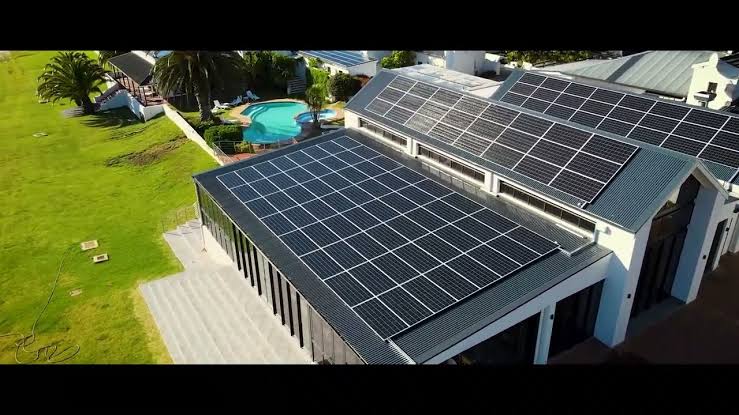
The initial investment in a solar energy system needs to be understood item by item. Taking a 10-kilowatt residential photovoltaic system as an example, the components include hardware costs such as solar panels, mounting brackets, inverters, and cabling installation materials, as well as construction costs such as design fees, labor costs, and grid connection application fees. Prices vary significantly depending on the region, brand, and installer. For example, in second- and third-tier cities in China, the total price of a 10-kilowatt system is approximately between 40,000 and 70,000 yuan. Price differences mainly stem from factors such as the brand and power output of the solar panels, the brand and efficiency of the inverter, and the standardization of the installation process. Simply pursuing the lowest price may result in substandard products, but more expensive doesn't necessarily mean better; the key is to ensure value for money.
Calculating the returns requires discussion on a case-by-case basis. The first is the "full grid connection" model, where all electricity generated by solar power is sold to the grid. The grid connection price is regulated by national policy, typically between 0.3 and 0.5 yuan per kilowatt-hour. Assuming a 10-kilowatt system generates 12,000 kilowatt-hours annually at a grid connection price of 0.4 yuan, the annual revenue from selling electricity would be approximately 4,800 yuan. The second is the "self-consumption with surplus grid connection" model, where a portion of the solar power is used by the user, and the surplus is sold to the grid. The savings from self-consumption are equal to the electricity price multiplied by the amount of electricity used, while the grid connection portion is settled at the grid connection price. Assuming a 60% self-consumption rate, an electricity price of 0.6 yuan per kilowatt-hour, and 12,000 kilowatt-hours generated annually, the savings would be 4,320 yuan, plus 1,920 yuan from selling electricity, resulting in a total annual revenue of approximately 6,240 yuan. The third is the "self-consumption" model, where all solar power is used by the user without relying on the grid. This method requires an energy storage system, resulting in higher costs but also the highest returns.
Payback period is the most critical indicator for evaluating solar energy investments. Using a "self-consumption with surplus power fed into the grid" model, a 10 kW system with an investment of 50,000 yuan and an annual return of approximately 6,000 yuan has a payback period of about 8 to 9 years, assuming no electricity price increases or system degradation. If electricity prices increase by 2% to 3% annually, the actual payback period may shorten to 7 to 8 years. With a full grid connection model, the payback period will be even longer, approximately 10 to 12 years. Of course, these figures will vary depending on factors such as regional sunlight conditions, electricity prices, and system costs. Areas with good sunlight and high electricity prices will see faster payback periods, and vice versa.
Long-term rate of return is a crucial indicator for judging investment value. Solar energy systems are typically designed for a lifespan of 25 to 30 years, and industry data shows that mainstream brand solar panels can still maintain over 80% of their initial power output after 25 years. Based on a 25-year lifespan, a 10-kilowatt system with a total investment of 50,000 yuan would yield approximately 150,000 yuan in accumulated revenue over 25 years (calculated at 6,000 yuan per year), resulting in a net profit of approximately 100,000 yuan, or an annualized return of about 7% to 8%. This rate of return is quite attractive in the current low-interest-rate environment, even comparable to some medium-risk financial products. It's important to note that this does not include the increased returns from rising electricity prices or potential future carbon trading revenue.
II. Benefit Dimension
What Returns Can Solar Energy Bring You? The returns of a solar energy system go beyond just the numbers on a balance sheet; they manifest in real benefits across multiple dimensions. Understanding these benefits helps in a more comprehensive assessment of the value of a solar energy system.
Electricity cost savings are the most direct and obvious benefit. After installing a solar system, the portion of a household's electricity generated by solar energy no longer needs to be purchased from the grid, effectively saving on this portion of the electricity bill. For households with high electricity consumption, the annual savings can reach thousands or even tens of thousands of yuan. More importantly, electricity prices are generally on an upward trend, while the cost of solar power generation is fixed. Installing a solar system is equivalent to locking in electricity costs for many years to come, avoiding increased expenses due to rising electricity prices. From this perspective, solar systems function as a hedge against the risk of rising electricity prices.
Revenue from selling electricity is another important source of income. While the "self-consumption" model is more profitable than "full grid connection," not all households have a sufficient self-consumption ratio. For working people who are not home during the day, the solar power generation period may coincide with off-peak electricity demand, forcing a large amount of electricity to be sold to the grid. Fortunately, selling electricity also generates income; although the unit price is lower than the price for self-consumption, it adds up to a stable source of extra income. Some regions also implement a "green electricity trading" mechanism, allowing users to choose to sell solar power at a higher price to businesses willing to pay for clean energy.
Peak-valley arbitrage is a unique profit model for energy storage solar systems. In regions with peak-valley electricity pricing, electricity prices are lower during the daytime off-peak hours and higher during the nighttime peak hours. Solar systems equipped with energy storage batteries can charge during off-peak hours and discharge during peak hours, profiting from the price difference. Assuming an off-peak electricity price of 0.3 yuan and a peak price of 0.9 yuan in a certain area, the price difference is 0.6 yuan. A 10 kWh energy storage system can profit 6 yuan per full charge and discharge cycle. If this cycle is repeated daily, the annual arbitrage profit is approximately 2000 yuan. This profit model is more attractive in regions with larger peak-valley price differences.
Property appreciation is a significant manifestation of the long-term value of solar systems. Studies show that homes with solar systems can command a 3% to 5% price premium when sold. This is because buyers acquire this "money-saving machine" along with the property, essentially saving the hassle and expense of installing a solar system. More importantly, in the context of the global energy transition, homes with solar systems represent lower living costs and a more environmentally friendly lifestyle, making them more competitive in the market. For homeowners planning to hold their properties long-term, a solar system is a worthwhile investment.
III. Consumption Attributes
What is the non-economic value of a solar energy system? A solar energy system is not just an economic calculation; it also possesses the attributes of a consumer good—that is, its use value. Understanding the non-economic value of a solar energy system helps to more comprehensively assess its overall benefits.
Energy independence is the core value of solar energy systems. Reliance on the grid means that the user experience is directly subject to the service quality of the power company—price adjustments, planned outages, and power rationing are all beyond the user's control. After installing a solar system, a household's dependence on the grid is significantly reduced. Even without complete grid disconnection, the amount of electricity purchased from the grid can be drastically reduced. This increased autonomy in electricity use provides a psychological sense of security that is difficult to quantify in monetary terms. This feeling is particularly profound for those who have experienced frequent power outages.
The ability to cope with emergencies is another important consumer value. Natural disasters such as typhoons, earthquakes, and floods can cause prolonged power outages. In such cases, households with solar panels and energy storage systems can maintain basic household electricity. Having electricity means having water pumps to draw water, refrigerators to store food, mobile phones for communication, and air conditioning to regulate room temperature. In a world where extreme weather is becoming increasingly frequent, this ability to be prepared is invaluable. While we hope we never need to use these reserve features, they can be priceless if required.
The environmental contribution of clean energy is immeasurable. For every kilowatt-hour of clean electricity generated after installing a solar power system, a certain amount of carbon dioxide emissions is reduced. While the emission reduction from an individual solar system may seem insignificant, the combined effect of tens of millions of systems nationwide is staggering. From a macro perspective, the widespread adoption of distributed solar power is crucial to China's carbon neutrality goals. From a micro perspective, the environmental satisfaction derived from using clean energy is a significant driving force for many users choosing solar power.
The improvement in quality of life is a more subjective benefit. Families with solar power systems can use appliances more freely without worrying about electricity bills. Some are starting to use electric boilers instead of gas water heaters, some are charging their electric vehicles more often, and some are considering replacing their gas stoves with induction cooktops. Some of these lifestyle changes bring immediate economic returns, while others simply improve the quality of life; but together they constitute the comprehensive value brought by solar power systems.
IV. Risk Analysis
What to be aware of when investing in solar energy: All investments carry risk, and solar energy systems are no exception. Before deciding to install, it's essential to fully understand the potential risk factors and be prepared.
System quality risk is the primary consideration. The core components of a solar system—solar panels, inverters, and energy storage batteries—are from numerous brands with varying quality. Taking solar panels as an example, the market offers products from leading brands like LONGi, Jinko, and Trina Solar, as well as a large number of counterfeit products from unknown small manufacturers. While products from leading brands are more expensive, they offer higher conversion efficiency, slower degradation, reliable warranties, and a more guaranteed power generation over a 25-year lifespan. Smaller brands or generic products may be attractively priced, but their performance degrades quickly, after-sales service is poor, and their efficiency may drop significantly within a few years. When choosing a solar panel, price should not be the sole factor; brand reputation and product quality are equally important.
The risks associated with electricity generation forecasting need to be viewed rationally. The annual electricity generation figures provided by sales personnel are usually theoretical values under ideal conditions. Actual electricity generation is affected by various factors: annual fluctuations in local solar resources, dust accumulation on solar panel surfaces, partial shading, and temperature effects. Actual electricity generation is typically between 80% and 95% of the theoretical value. Understanding this helps in making informed decisions and avoiding overestimating expected returns.
Policy change risks are a significant external factor to consider. Solar photovoltaic subsidy policies, feed-in tariff policies, and carbon market rules are all subject to adjustment over time. China's solar photovoltaic policies have changed rapidly in recent years, with subsidies gradually decreasing and eventually being phased out. Whether new support policies will emerge in the future depends on the industry's development stage and the macroeconomic environment. However, it's important to note that even without subsidies, solar systems still have economic value, as the savings in electricity costs are a return in themselves. Policies may change, but electricity costs and system costs remain tangible.
Electricity price fluctuations also warrant attention. Residential electricity prices in China have long been relatively low; if prices remain low for an extended period, the economic appeal of solar energy will decline. However, global trends indicate that electricity prices are generally rising, especially with the advancement of electricity market reforms, which may further widen the peak-valley price gap. Installing a solar system effectively hedges against future electricity price increases. However, for regions where electricity prices are likely to remain low, solar energy investment requires more cautious evaluation.
System maintenance risks are a concern during long-term ownership. While solar systems generally require less maintenance, they are not entirely maintenance-free. Solar panels need regular cleaning to maintain power generation efficiency, inverters and batteries may need inspection and replacement, and electrical connections require regular checks. These maintenance tasks require a certain amount of investment and reliable after-sales service. Choosing a small brand or installer with inadequate after-sales service can lead to difficulties in maintaining the system later on.
V. Selection Recommendations for Different Groups
After analyzing the investment attributes, consumption attributes, and risk factors of solar energy systems, we will finally discuss how different groups of people should choose them.
For ordinary urban households, a solar energy system can be a worthwhile investment. If local sunlight conditions are good, electricity prices are high, and there is a need for self-consumption, installing a solar energy system is economically viable. It is recommended to prioritize a "self-consumption with surplus electricity fed into the grid" model, maximizing the self-consumption ratio. The system scale should match the household's electricity needs; avoid blindly pursuing large-scale systems. When choosing a brand, opt for first- or second-tier brands; although the unit price may be slightly higher, they offer better long-term reliability. If the budget is limited, prioritize the brand and quality of the core system components, while also considering auxiliary materials and installation techniques.
For villa owners or large families, the investment value of solar systems is usually more apparent. These households consume more electricity and have higher electricity bills, making the economic benefits of installing solar systems better. Additionally, villas typically have larger roof areas, allowing for larger-scale systems and greater returns. It is recommended that homeowners with the means prioritize energy storage systems, although the initial investment is higher, the long-term returns are also greater. This is especially true for owners of electric vehicles, as combining solar power with energy storage allows for a higher self-consumption ratio.
For those with very low electricity bills or who are seldom at home, the investment appeal of solar systems is relatively limited. If household electricity consumption is low, the payback period for installing a solar system will be long; if they are mostly away from home during the day and their self-consumption rate is low, the returns will also be reduced. This group may consider the "full grid connection" model, or consider appropriately reducing the scale of the system to ensure a reasonable return on investment.
For industrial and commercial users such as factories and shops, the investment value of solar power systems is typically very high. Industrial and commercial electricity prices are much higher than residential electricity prices, and daytime electricity consumption is high and stable, making it a perfect application scenario for solar power generation. Installing a solar power system can significantly reduce industrial and commercial electricity expenses, recouping the investment in 10 to 15 years, with pure profit for the next decade or so. It is recommended that industrial and commercial users with the means prioritize photovoltaic plus energy storage solutions to further increase self-consumption ratios and power reliability.
For users in remote, unpowered areas, solar power systems are not an investment but a necessity. In areas without grid connection, solar power is the most economical and feasible solution to their electricity needs. Although off-grid systems with energy storage are more expensive, their long-term cost is lower than the ongoing fuel expenses of diesel generators. For these users, worrying about return on investment is not very meaningful; meeting their basic electricity needs is the primary objective.
Conclusion
Returning to the initial question: Is installing solar power an investment or a consumption? The answer depends on your perspective. Looking only at the figures, a solar system can indeed recoup its cost in 8 to 10 years, generating net income for over a decade thereafter, with a long-term annualized return of around 7% to 8%, making it a relatively stable investment. However, if you only consider the initial expenditure, it's still a significant expense—requiring a one-time investment of tens of thousands of yuan, and the returns take many years to materialize.
In reality, solar energy systems possess both investment and consumption attributes. Their investment aspect lies in their ability to generate sustained financial returns and reduce long-term electricity costs; their consumption aspect lies in the intangible benefits they provide, such as energy independence, the ability to cope with emergencies, and environmental value.
For families who can afford it, installing a solar power system is a worthwhile option to seriously consider. It not only saves on electricity bills and improves energy efficiency, but also provides an extra sense of security and certainty in an uncertain world. This value may be more precious than any financial reward.
Please contact Simon immediately to discuss your project:
• WeChat: TY530643572
• Telephone: +86 137 1166 0041