Foreword
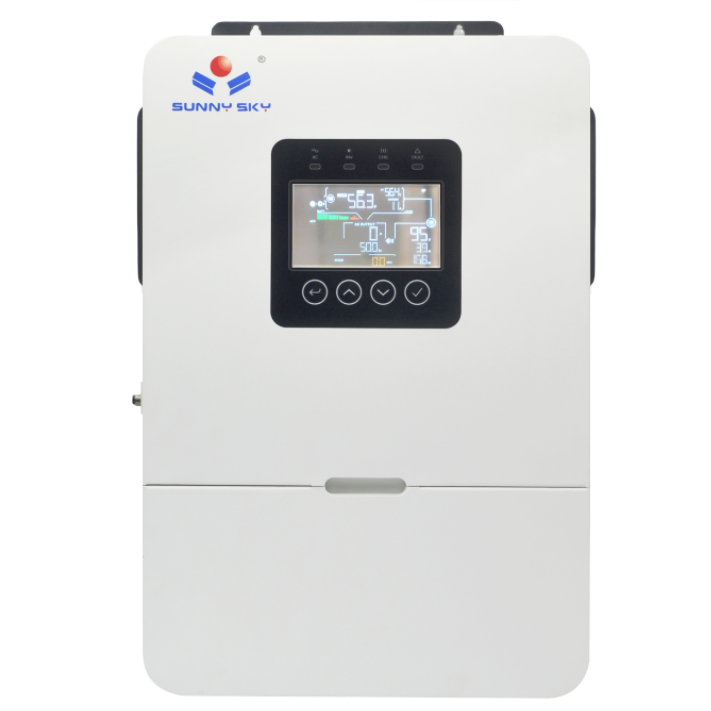
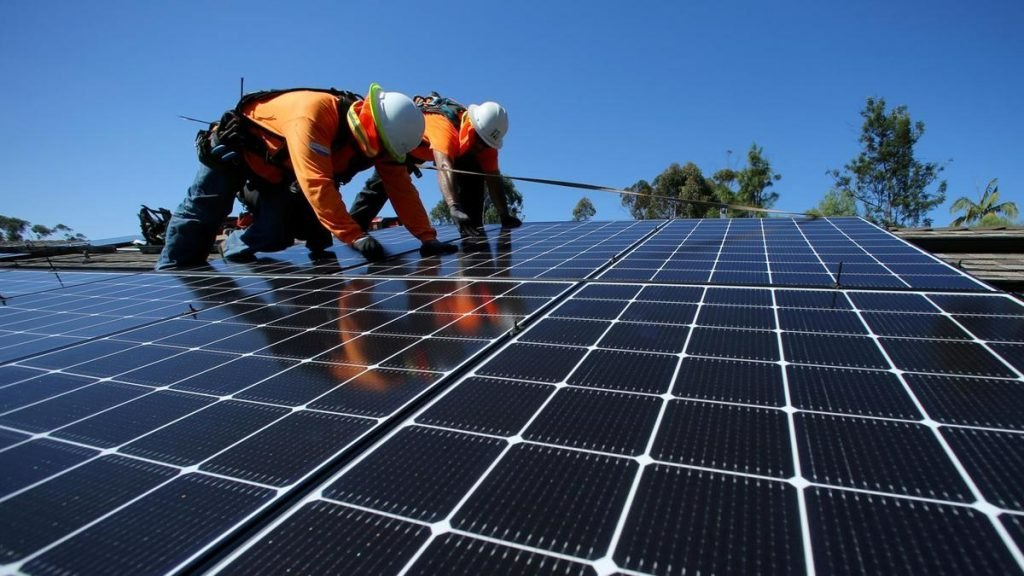
For families looking to install a solar power system, the inverter is one of the most crucial components. Among all power ratings, the 6kW hybrid inverter is currently one of the most popular choices. It's suitable for most households, covering the electricity needs of a typical three-bedroom apartment, and its price is within a reasonable range.
Many people don't know much about hybrid inverters, how they differ from traditional grid-connected inverters, or what 6kW actually means and what equipment it can power. This article will provide a detailed introduction to the 6kW hybrid inverter to help you fully understand this product.
 ,
,
I. Definition and Principle of Hybrid Inverters
A hybrid inverter is an inverter that integrates grid-connected and off-grid functions into a single unit. Its working principle can be divided into three parts: power generation, energy storage, and power supply.
Power generation section: The solar panels generate direct current (DC). The hybrid inverter adjusts the voltage to a suitable range through its internal DC-DC conversion circuit, and then tracks the maximum power point (MPPT) through the MPPT controller, ensuring that the solar panels always operate at their highest efficiency.
Energy storage section: If the electricity generated by the solar panels is not used by the household, the excess electricity is stored in the battery through the hybrid inverter. The inverter has a battery management system (BMS) that can control the charging and discharging process of the battery and protect it from overcharging, over-discharging, short circuits, and overcurrent.
Power supply section: The DC power from the battery is converted into AC power by the inverter circuit inside the inverter to power household appliances. At the same time, the inverter must monitor the grid status in real time, generating power in grid-connected mode when the grid is normal and switching to off-grid mode when the grid fails.
These three components work together to allow the hybrid inverter to function like a traditional grid-connected inverter as well as to supply power independently like an off-grid inverter. This is the meaning of "hybrid".
II. Meaning and Applicable Scenarios of 6kW Power
6kW refers to the rated output power of the hybrid inverter. Simply put, it can continuously output a maximum of 6 kilowatts of electricity to power household appliances.
So what does 6kW mean? Let's take a common household appliance as an example:
Standard air conditioner (approximately 0.8-1.5 kW): 1-2 units
Refrigerator (approximately 0.1-0.2 kW): 1 unit, operating year-round.
Washing machine (approximately 0.3-0.5 kW): 1 unit
Electric water heater (approximately 2-3 kilowatts): 1 unit
LED lighting (approx. 0.1 kW): Multiple units - TVs, computers (approx. 0.2-0.5 kW): Several units
Rice cooker, microwave oven (approximately 1-2 kilowatts): Several
During peak electricity consumption periods, the total power of appliances operating simultaneously in a typical three-bedroom household is generally between 3 and 5 kilowatts. A 6kW inverter can cover this scenario, with a moderate margin of safety.
For larger homes or those with high-power appliances such as instant water heaters, electric ovens, and electric heaters, 6kW might be too small. In such cases, you should consider models ranging from 8kW to 12kW.
The 6kW power supply is suitable for families including: small and medium-sized apartments with three bedrooms or less, families with 2-4 people, and families whose total power consumption during peak electricity usage periods does not exceed 5-6 kilowatts.
III. Configuration Recommendations for a 6kW Hybrid Inverter
Inverters do not operate in isolation; they must be matched with solar panels and batteries. Proper configuration maximizes system efficiency.
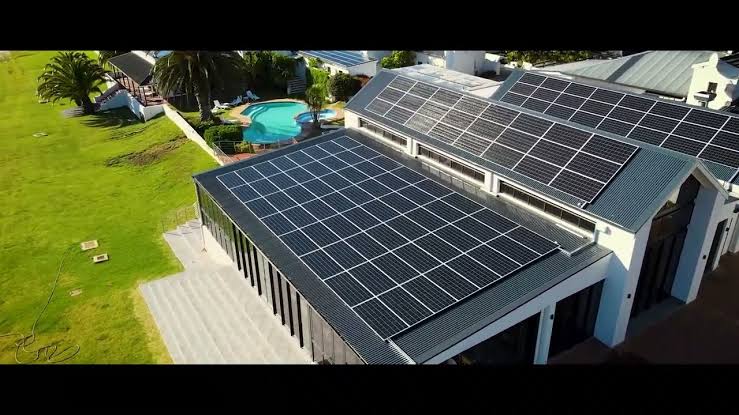
Solar panel configuration: The common configuration ratio is 1 to 1.5 times the inverter power. A 6kW inverter is recommended to be equipped with 6kW to 9kW solar panels. Assuming each panel is 550 watts, this equates to 11 to 16 panels. This quantity requires a roof area of approximately 25 to 35 square meters, which is generally sufficient for a typical residential roof.
Battery configuration: The choice of battery capacity depends on usage needs. If it is only for peak shaving and valley filling, a 5 kWh to 10 kWh battery is sufficient; if you want it to last all night during a power outage, a 10 kWh to 15 kWh battery is recommended; if there are frequent power outages and you need to be offline for extended periods, you can consider a battery with a capacity of 15 kWh or more.
Electrical Configuration: The inverter needs to be connected to the power grid and the household distribution box. Common configurations include a grid-connected switch, a two-way meter, a residual current device (RCD), and a circuit breaker. These all need to be installed by a professional electrician according to local electrical regulations.
IV. Core Technical Parameters of the 6kW Hybrid Inverter
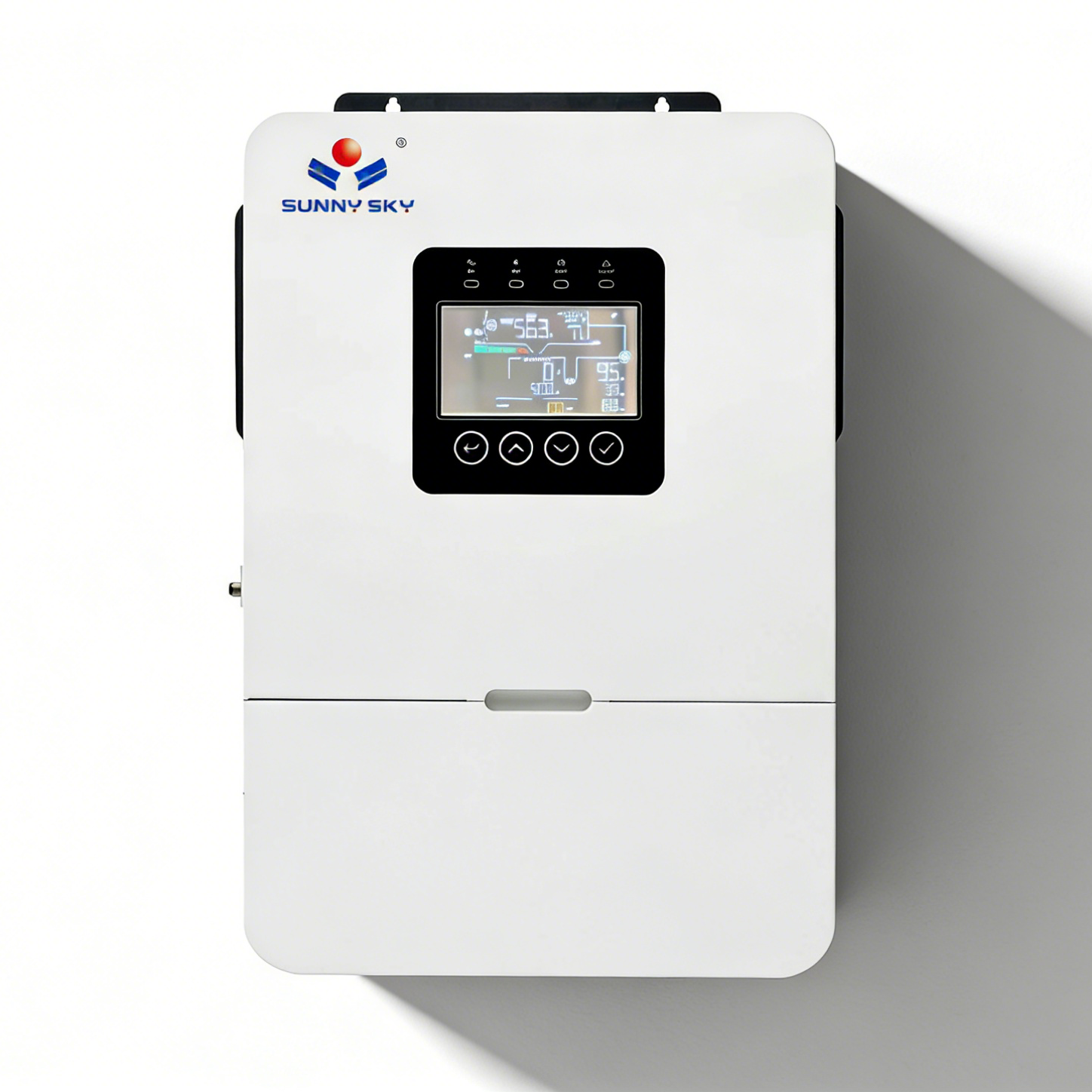
When selecting a 6kW hybrid inverter, the following key technical parameters need to be considered:
MPPT Channels: MPPT is an abbreviation for Maximum Power Point Tracking. The more MPPTs an inverter has, the more precisely it tracks the power generation status of the solar panels, resulting in higher overall power generation efficiency. Most mainstream 6kW inverters have at least two MPPTs, with some high-end models having three or more.
Maximum input voltage: This refers to the highest voltage that a solar panel can receive. Common maximum input voltages include 500V, 600V, and 1000V. The higher the maximum input voltage, the more solar panels can be connected in series, allowing for more flexible configuration.
Maximum input current: The maximum current that each MPPT circuit can accept. The higher the current, the more powerful the board it can be compatible with. Currently, the mainstream is around 13A to 18A.
Conversion efficiency: The efficiency with which an inverter converts direct current (DC) to alternating current (AC). Mainstream brands achieve conversion efficiencies between 97% and 98.5%. Higher efficiency results in less annual power generation loss.
Battery type support: Different inverters may support different battery types. Common types include lithium iron phosphate batteries, ternary lithium batteries, and lead-acid batteries. Lithium iron phosphate is currently the mainstream choice, offering long cycle life and good safety.
Output waveform: A pure sine wave output is more friendly to electrical appliances and can protect sensitive devices. Lower-priced products may contain modified waveforms, which can damage some electrical appliances.
Communication interfaces: Common communication methods include WiFi, 4G, RS485, and CAN. WiFi + 4G allows users to remotely monitor via a mobile app, while RS485 and CAN are used for communication with the battery management system (BMS).
V. Operating Modes of the 6kW Hybrid Inverter
Hybrid inverters have several different operating modes that can be automatically switched according to grid conditions and user needs.
Grid-connected mode: When the grid is functioning normally, the electricity generated by the solar panels is prioritized for household use, and any excess electricity is sold back to the grid. At night or when the solar panels are not generating electricity, electricity is purchased from the grid. This is the default operating mode.
Off-grid mode: When the grid experiences a power outage, the inverter automatically switches to off-grid mode. In this mode, the home's electricity is entirely supplied by solar panels and batteries. The inverter automatically disconnects from the grid (to prevent backfeeding and potential hazards) and switches to battery power.
Hybrid mode: The electricity generated by the solar panels powers household use and charges the batteries simultaneously; electricity from the batteries is used at night; and electricity is purchased from the grid when the batteries are depleted. This mode maximizes self-consumption and saves on electricity bills.
Peak-valley arbitrage: In areas with peak and off-peak electricity pricing, one can set up a system where electricity is purchased from the grid during off-peak hours to charge the battery, and then powered by the battery during peak hours. This model allows one to profit from the price difference between peak and off-peak hours and is suitable for areas with large price variations.
Inverters from different brands may support slightly different modes, but they all basically cover these core modes.
VI. Price range for 6kW hybrid inverters
The price of a 6kW hybrid inverter varies greatly depending on the brand, features, and configuration.
Inverter pricing: Excluding batteries, mainstream 6kW hybrid inverters range from 3,000 to 8,000 yuan. Domestic mid-range brands are priced between 3,000 and 5,000 yuan, while domestic high-end or imported brands are priced between 5,000 and 8,000 yuan.
Price including battery: The price of a complete system including battery ranges from 8,000 to 25,000 yuan. The battery cost accounts for 60%-70% of the total cost. For example, a 6kW inverter paired with a 10 kWh lithium iron phosphate battery is typically priced between 12,000 and 20,000 yuan.
Factors affecting price include brand premium, conversion efficiency, MPPT channel count, battery capacity, and whether installation services are included.
VII. Installation Points for a 6kW Hybrid Inverter
Installation is a crucial factor affecting the performance and safety of hybrid inverters.
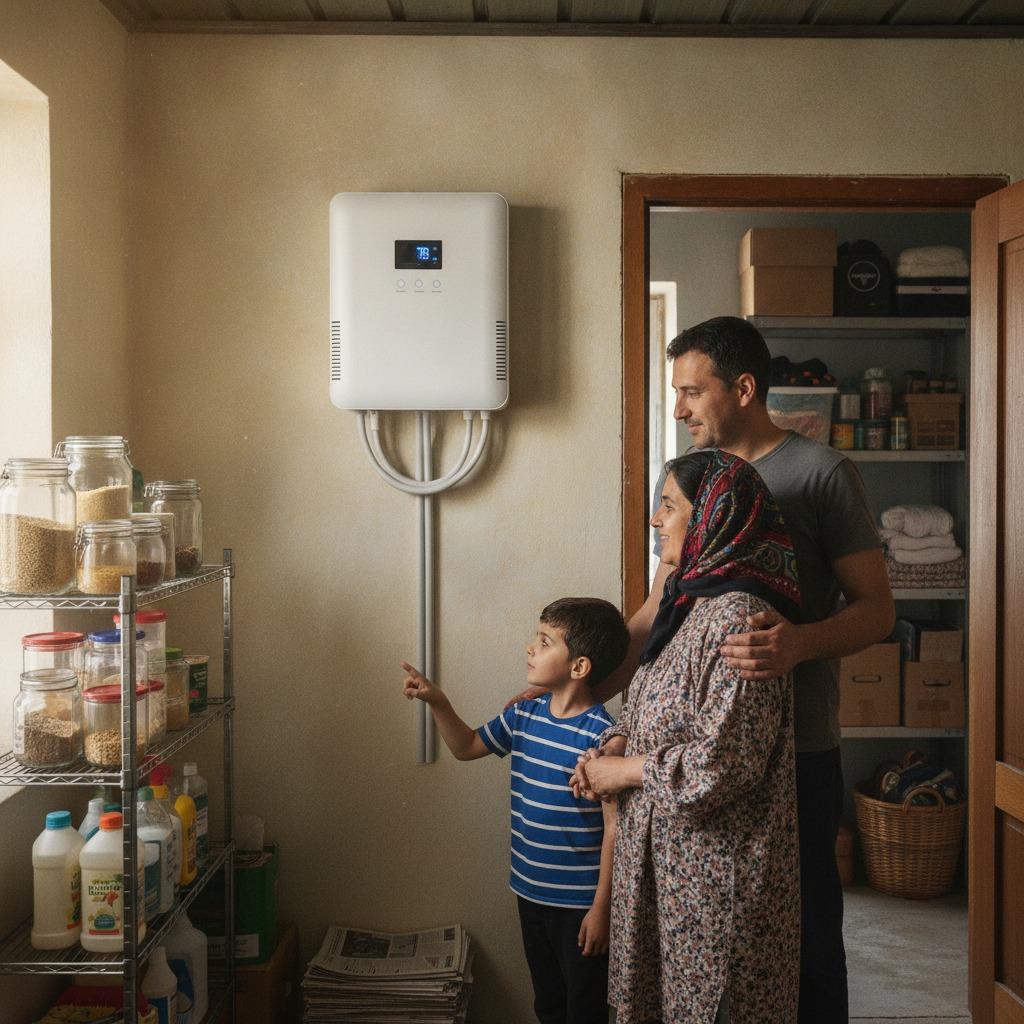
Installation location: Choose a well-ventilated, dry, and cool location. Common installation locations include garages, balconies, equipment rooms, and basements. Avoid direct sunlight, rain, and high temperatures.
Heat dissipation requirements: Inverters generate heat during operation and require adequate ventilation space. Leave at least 20-30 cm of clearance around the inverter to allow for airflow.
Wiring specifications: For DC side wiring, ensure the positive and negative terminals are not reversed. For AC side wiring, ensure the correct connection of the phase wire, neutral wire, and ground wire. It is best to have the installation performed by a certified electrician to ensure compliance with local electrical codes.
Grounding protection: The inverter must be reliably grounded to prevent safety accidents caused by leakage. The grounding resistance must meet the requirements of the local power authority.
Grid connection application: Residential distributed photovoltaic systems need to apply for grid connection with the local power supply bureau, and can only generate electricity after approval. Installers usually assist with the relevant procedures.
8. Maintenance and monitoring of the 6kW hybrid inverter
The routine maintenance of hybrid inverters is relatively simple, but good habits need to be maintained.
Remote monitoring: Enable the mobile app monitoring function to view real-time data such as power generation, power consumption, battery level, and operating status. The app will push alarm information in case of abnormal situations.
Regular checks: Check the inverter's operating status every few months, including its appearance, wiring, cooling fan (if applicable), and noise levels. If any abnormalities are found, contact after-sales service immediately.
Cleaning and maintenance: Keep the area around the inverter clean to prevent dust and debris from accumulating. If the cooling fan is heavily dusty, it can be cleaned with a soft brush after powering off.
Firmware Upgrade: Some brands of inverters support firmware upgrades, which can optimize performance and add features. It is recommended to pay attention to official brand announcements and upgrade promptly.
Battery maintenance: Battery maintenance is relatively complex. It's important to avoid deep discharge, avoid prolonged storage at full charge, and regularly check the battery status. A good battery management system will handle these automatically; users only need to pay attention to alarm messages.
IX. Application Cases of 6kW Hybrid Inverters
To provide a more intuitive understanding of the practical applications of 6kW hybrid inverters, here are a few typical examples.
Case 1: Urban Three-Bedroom Family
The apartment is 120 square meters and is used by a family of three. It is equipped with a 6kW inverter, 14 8kW solar panels, and a 10 kWh lithium iron phosphate battery. The system generates approximately 9000 kWh of electricity annually, with 75% used by the family, resulting in annual electricity savings of approximately 4000 yuan. In the event of occasional power outages, the battery can provide enough power for one night.
Case 2: Self-built houses in the suburbs
The house is 200 square meters and houses a family of five. It is equipped with a 6kW inverter, 16 9kW solar panels, and a 15 kWh lithium iron phosphate battery. The system generates approximately 10,000 kWh of electricity annually, with 70% used by the family, resulting in annual electricity savings of approximately 4,500 yuan. During power outages, the battery can provide basic power for two to three days.
Case 3: Small Shops
The space covers 80 square meters and is mainly used for lighting, refrigeration, and POS equipment. It is equipped with a 6kW inverter, 11 6kW solar panels, and a 5 kWh lithium iron phosphate battery. The system generates approximately 7000 kWh of electricity annually, with 90% used for its own needs (during daytime business hours), saving approximately 3500 RMB in electricity costs annually. In the event of a power outage, the battery can support business operations for approximately 4-6 hours.
These examples are for reference only. Actual configurations need to be adjusted according to specific electricity needs and local conditions.
Conclusion
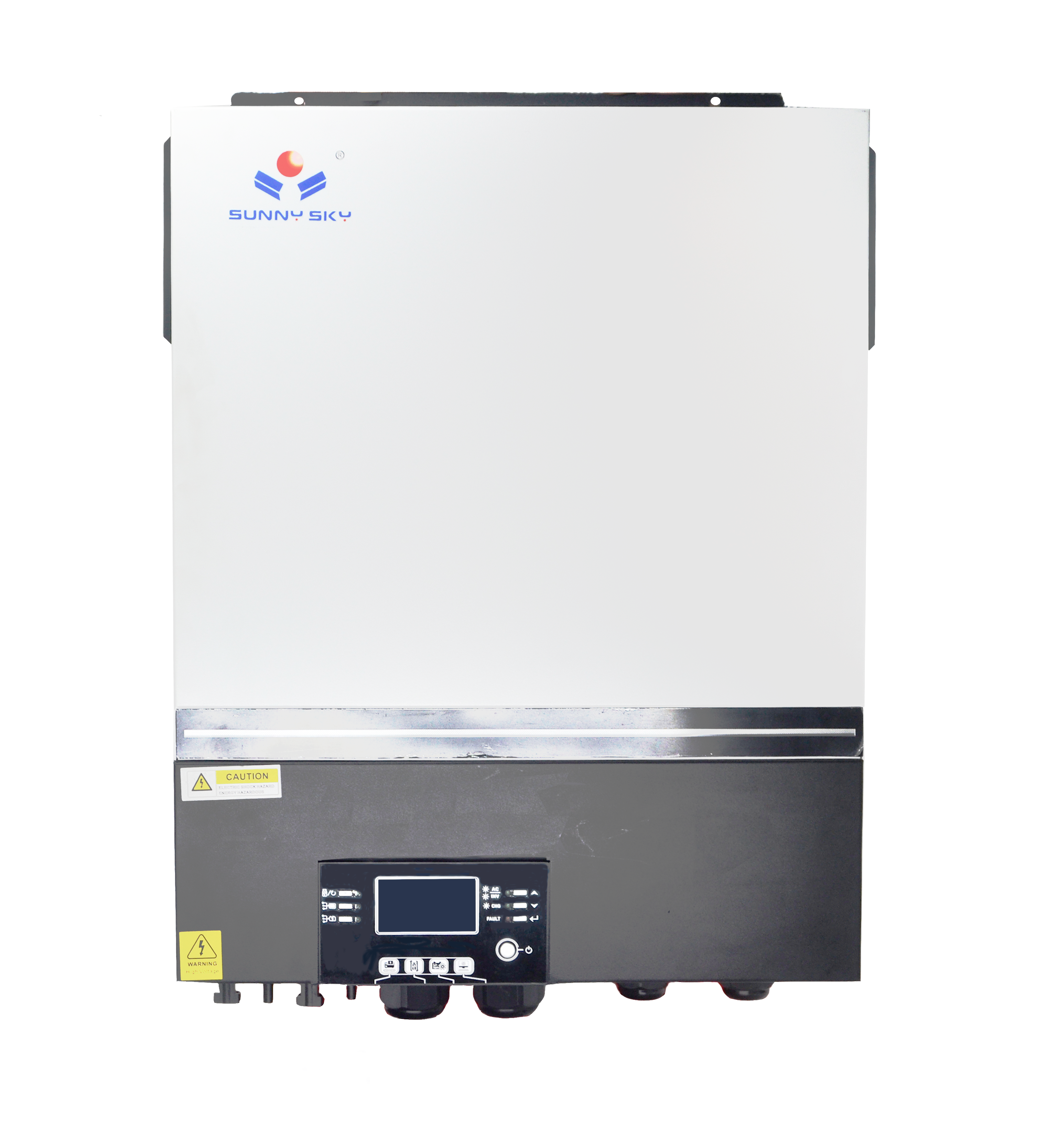
A 6kW hybrid inverter is one of the mainstream choices for current home solar systems.
Its core feature is the integration of grid-connected and off-grid functions, allowing it to generate electricity on the grid to save on electricity costs, and also serve as a backup power source during power outages. A 6kW power output can cover the electricity needs of most three-bedroom households, and when combined with 6-9kW solar panels and approximately 10 kWh batteries, it can meet various needs such as daily power generation, nighttime power supply, and emergency power outages.
When selecting a power generation system, pay close attention to several key parameters: number of MPPT channels, maximum input voltage, conversion efficiency, battery compatibility, communication capabilities, and warranty. These parameters directly impact power generation efficiency, user experience, and long-term reliability.
For installation, pay attention to location selection, heat dissipation conditions, wiring specifications, and grounding protection. Routine maintenance mainly involves enabling remote monitoring, conducting regular inspections, and promptly handling alarm information.
A home photovoltaic system is a long-term investment. As the core component of the system, the inverter, if selected as the right model and installed and maintained correctly, can ensure the system operates stably for more than 20 years, bringing long-term economic and energy benefits to the family.
Please contact Simon immediately to discuss your project:
• WeChat: TY530643572
• Telephone: +86 137 1166 0041