Foreword
The first step in installing a solar system is choosing an inverter with the appropriate power and type. Among these selections, choosing between single-phase and three-phase is one of the most fundamental and crucial decisions. Many users, when preparing to install solar power, often only focus on the inverter's power output, neglecting the critical parameter of single-phase versus three-phase. Choosing the wrong number of phases can not only prevent proper grid connection but also cause power system overload, low power generation efficiency, and in severe cases, even safety hazards.
Single-phase and three-phase inverters may sound similar, but their practical applications differ significantly. Single-phase inverters are suitable for ordinary residential homes, while three-phase inverters are suitable for villas, large buildings, or commercial and industrial sites. Choosing the right number of phases ensures stable and efficient operation of the solar system; choosing the wrong number can lead to limitations and constant problems. As the core equipment of a solar system, the selection of the inverter requires great care.
This article will provide a detailed analysis of the differences in definition, power ratio, and selection criteria for single-phase and three-phase inverters, as well as common selection pitfalls. By reading this article, users can clearly determine which type of inverter to choose for their home, avoiding economic losses and safety hazards caused by incorrect selection. A practical power ratio table will also be provided at the end of the article to help users make a quick decision.
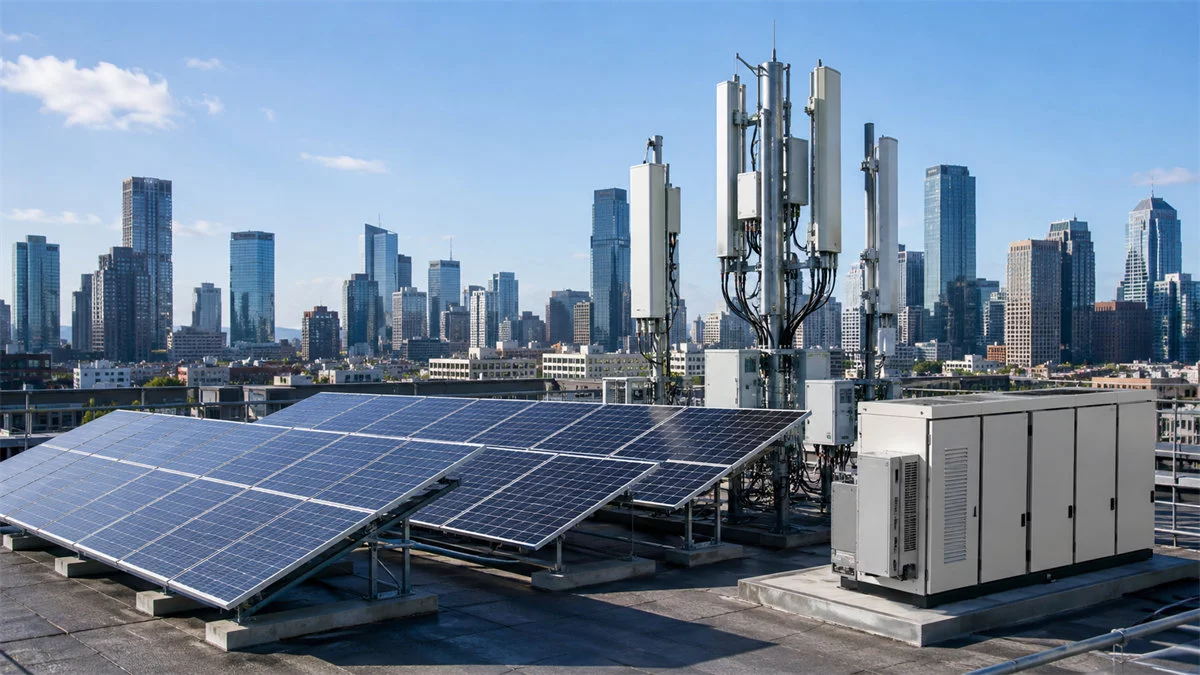
I. Basic Concepts of Single-Phase Inverters and Three-Phase Inverters
Before discussing how to choose, we first need to understand what single-phase inverters and three-phase inverters mean, and what the essential differences are between them.
A single-phase inverter is an inverter that outputs single-phase alternating current (AC), with an output voltage of 220 volts under the Chinese standard. Single-phase electricity has only one live wire and one neutral wire, with current flowing between these two wires. Single-phase electricity is the most familiar form of electricity in our daily lives; all appliances in a typical household, from small mobile phone chargers to large appliances like air conditioners and refrigerators, use single-phase electricity. Single-phase inverters are the mainstream product in the residential solar energy market, with power typically ranging from 1 kilowatt to 15 kilowatts, which can meet the solar energy system needs of most residential homes.
A three-phase inverter is an inverter that outputs three-phase alternating current (AC) at a voltage of 380 volts under the Chinese standard. Three-phase electricity consists of three live wires and one neutral wire. The voltage between the three live wires is 380 volts, and the voltage between each live wire and the neutral wire is 220 volts. Three-phase electricity is characterized by high power output and stable operation, and is mainly used in industrial production, large commercial buildings, and some high-end residential buildings. The power output of three-phase inverters typically starts from 10 kilowatts and can reach tens or even hundreds of kilowatts, making them suitable for medium to large-scale solar energy systems.
The core difference lies in the applicable power access type. If a household uses a single-phase electricity meter, only a single-phase inverter can be installed; if the household uses a three-phase electricity meter, a three-phase inverter can be installed, or a single-phase inverter can be chosen (provided power limits are met). This power access type is determined by the power company when the user applies for electricity and cannot be changed by the user. Therefore, the choice between single-phase and three-phase inverters is actually determined by the household's power access type.
Why are power systems divided into single-phase and three-phase? This is because different power usage scenarios require different power configurations. Ordinary households have limited electricity consumption, and single-phase power is perfectly adequate, with low connection costs and simple wiring. However, for high-power scenarios, single-phase power is insufficient. Three-phase power distributes power across three live wires, each carrying a smaller current, allowing for thinner conductors and higher overall system efficiency. Therefore, high-power locations such as villas, factories, and shopping malls typically apply for three-phase power connections.
II. Household Electricity Types and Meter Identification
After understanding the basic concepts of single-phase and three-phase inverters, the next step is to determine your home's electricity usage type. This may sound complicated, but it can actually be quickly determined by checking your electricity meter.
Identifying a single-phase electricity meter is simple. Single-phase meters typically have four terminals, labeled "Live Wire In," "Live Wire Out," "Neutral Wire In," and "Neutral Wire Out." Single-phase meters are relatively small and are usually installed in the household distribution box. The meter will indicate the voltage rating, usually 220V or 240V. If the meter is rated at 220V and only has four terminals, it is a single-phase meter.
Identifying a three-phase electricity meter is not difficult. A three-phase meter typically has at least seven terminals: three live wires in, three live wires out, a neutral terminal, and a ground terminal. Three-phase meters are relatively large and are usually installed in a separate meter box. The meter will be marked with its voltage rating, usually 380V or 400V. If the meter is rated at 380V and has more than four terminals, then it is a three-phase meter.
If you still can't determine the problem, you can directly check the nameplate next to the meter box. Electricity meters installed by the power company will have a clear nameplate indicating the meter type, rated voltage, rated current, and other information. Rated current is usually an important reference indicator: single-phase meters typically have a rated current of 40 amps or 60 amps, corresponding to a maximum power of approximately 8.8 kW to 13.2 kW; three-phase meters usually have a higher rated current and can handle higher power.
There's an even simpler method: check the number of incoming wires. Single-phase electricity has only one live wire and one neutral wire (two live conductors in total), plus a ground wire, making a total of three wires entering the distribution box. Three-phase electricity has three live wires and one neutral wire (four live conductors in total), plus a ground wire, making a total of five wires. If you can see the number of incoming wires, you can quickly determine whether it's single-phase or three-phase.
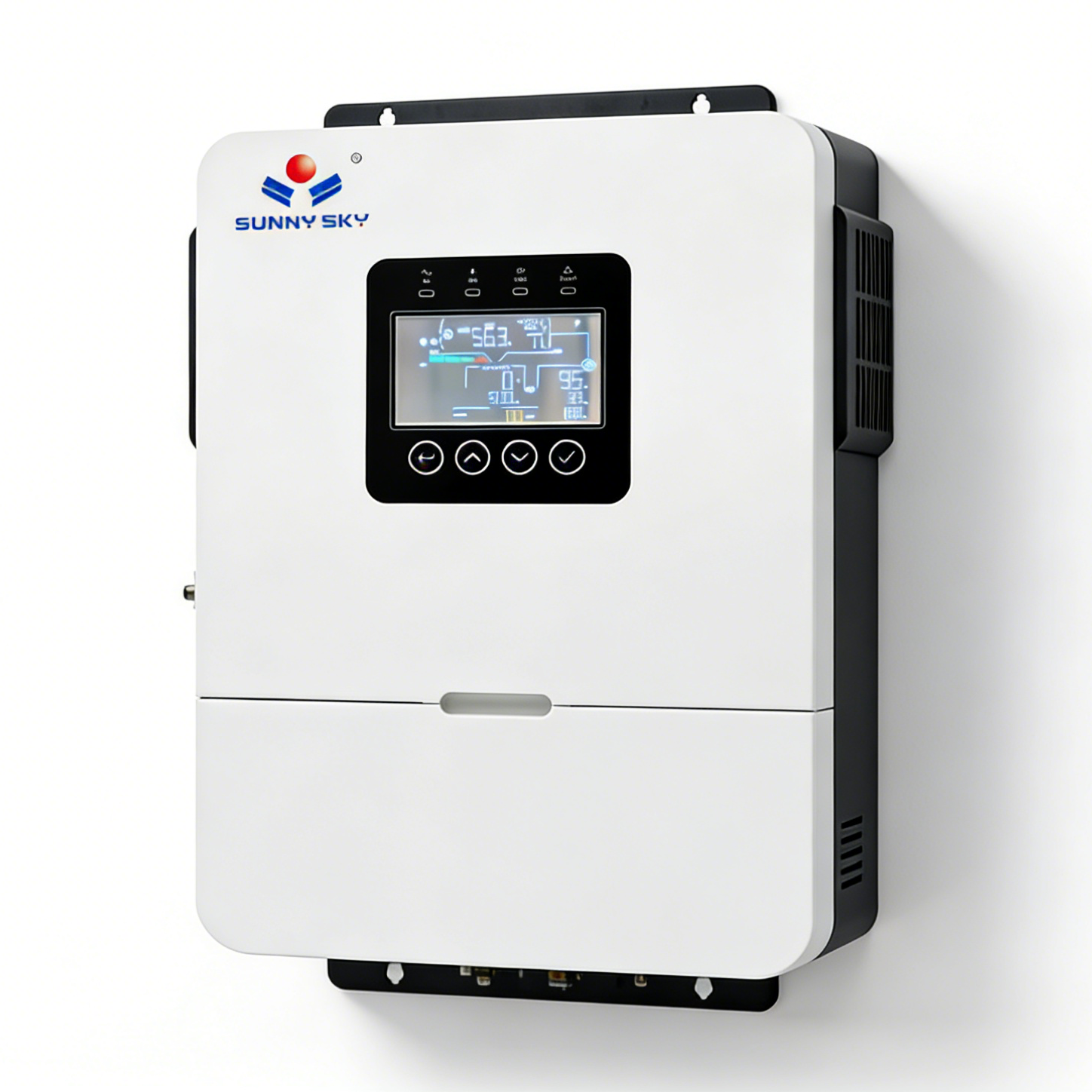
III. Power Correspondence Between Single-Phase and Three-Phase Inverters
After confirming your electricity usage type, the next step is to determine the appropriate inverter power based on the meter capacity and your electricity needs. Single-phase and three-phase inverters each have their own power range and applicable scenarios, which need to be considered comprehensively when making a selection.
The power selection of a single-phase inverter is primarily limited by the rated capacity of the electricity meter. It is generally recommended that the maximum inverter power not exceed 80% of the meter's rated capacity, for safety margin. Taking the most common 60-amp single-phase meter as an example, its rated capacity is 220V multiplied by 60A, which equals 13.2 kW. The recommended maximum inverter power is 10 to 11 kW. For a 40-amp meter, with a rated capacity of 8.8 kW, the recommended maximum inverter power is 7 kW. Excessive inverter power, exceeding the meter's capacity, can lead to meter overload, tripping, and even electrical fires.
In practical selection, it's also necessary to consider the household's actual electricity consumption and grid connection agreement requirements. If the household's daily electricity consumption is low, mainly generating electricity for self-consumption during the day, then the inverter power can match the solar panel installation capacity. If the household's electricity consumption is high, or there is surplus electricity sold to the grid, then the inverter power can be appropriately greater than the solar panel installation capacity. However, under no circumstances should the capacity of the electricity meter be exceeded.
Three-phase inverters offer greater flexibility in power selection. Three-phase meters have a significantly higher capacity than single-phase meters, typically supporting tens of kilowatts of power. The power selection for a three-phase inverter primarily depends on the installed capacity of the solar panels and the user's electricity demand. For large residential buildings or villas with higher electricity consumption, a larger capacity solar system and inverter can be installed. For commercial and industrial buildings with even greater electricity consumption, a higher power three-phase inverter can be selected, such as 20 kW, 30 kW, 50 kW, or even higher.
It's important to note that when connecting a three-phase inverter to a three-phase power grid, the three-phase balance must be carefully considered. If the solar system is only connected to one or two phases of the three-phase grid, long-term operation may lead to an unbalanced three-phase load, affecting grid stability and equipment lifespan. Ideally, the three-phase output of the three-phase inverter should be as balanced as possible, or a three-phase inverter with automatic balancing should be selected. For residential three-phase inverters, it's generally possible to connect any one or two phases, but overall load balance must be considered.
Below is a practical power rating reference table:
For single-phase households, a 40-amp meter recommends a maximum inverter power of approximately 7 kW, while a 60-amp meter recommends a maximum inverter power of approximately 10 to 11 kW. In actual installation, factors such as simultaneity factor and power factor must also be considered. Generally, the ratio of solar panel capacity to inverter power (capacity ratio) is recommended to be between 1.1 and 1.3. That is, if the inverter power is 10 kW, the solar panel capacity can be between 11 and 13 kW.
For households with three-phase electricity meters, power selection is more flexible. Common three-phase electricity meter capacities range from 30 amps to 100 amps, corresponding to power outputs from approximately 20 kilowatts to 65 kilowatts. Three-phase inverters can be selected with power outputs starting from 10 kilowatts and going up to several hundred kilowatts. The specific choice needs to be determined based on factors such as available roof area, electricity demand, and budget.
IV. Selection Recommendations for Different Family Scenarios
After understanding the basic principles and power ratios, the final step is to make a specific choice based on your home's actual situation. Different home scenarios require different types of inverters.
Standard apartment buildings are the most common type of housing in China. These residences typically use single-phase electricity, with meter capacities usually around 40 amps or 60 amps. In this case, a single-phase inverter should be selected. It is recommended that the inverter power be kept within 80% of the meter capacity; that is, a 5-7 kW inverter for a 40 amp meter and an 8-11 kW inverter for a 60 amp meter. Single-phase inverters are easy to install and debug, making them the preferred choice for this type of housing.
Larger homes and typical villas often use single-phase electricity, but their electricity consumption is higher than that of apartments. The meter capacity for these types of residences may reach 60 amps or even 80 amps. If electricity demand is high but the meter is still single-phase, the inverter should still be primarily single-phase, but its power output can approach the upper limit. However, if you plan to install a very large-capacity solar system, such as 15 kilowatts or more, you may need to consider applying for capacity expansion or switching to three-phase electricity.
High-end villas and large residences typically use three-phase electricity. These homes have high-power appliances such as central air conditioning, underfloor heating, and hot water systems, which single-phase electricity cannot meet. Three-phase meters and three-phase inverters are standard equipment in these homes. The inverter power can be selected according to the installed capacity of solar panels and electricity demand, typically between 10 kW and 30 kW. Three-phase inverters can better support the operation of high-power appliances and also enable larger-capacity solar systems.
Commercial buildings such as shops, office buildings, and hotels typically use three-phase electricity. These locations have high electricity consumption and large installation areas, making three-phase inverters suitable. Inverter power depends on the installed capacity and electricity demand, ranging from tens to hundreds of kilowatts. Installing solar systems in commercial buildings usually requires grid connection registration, and the grid connection plan needs approval from the power company.
Specialized scenarios such as agricultural greenhouses, livestock farms, and factories have varying electricity requirements. If the site has three-phase power access, a three-phase inverter should be prioritized; if only single-phase power is available, the decision to apply for three-phase power access needs to be made based on actual requirements. Some specialized equipment, such as high-power water pumps and agricultural machinery, may require three-phase power support.
Another important principle to follow during the selection process is to consult a professional solar energy installer or your local power company if you are unsure. The choice of inverter is crucial to the safe and stable operation of the system and the success of grid connection applications, and should not be made hastily. Professional installers can provide customized solutions based on the user's specific circumstances, avoiding losses caused by incorrect selection.
V. Common Misconceptions and Precautions in Making Choices
There are many common misconceptions about choosing between single-phase and three-phase inverters that need to be avoided. These misconceptions can lead to incorrect selection, affecting system performance and user experience.
The first misconception is that three-phase inverters are always better than single-phase inverters. While three-phase inverters do have an advantage in power capacity, this doesn't mean they are inherently superior to single-phase. For typical residential homes, a three-phase inverter is not essential. Single-phase inverters are cheaper, easier to install, and easier to maintain; unless there are specific needs, choosing a single-phase inverter is a more economical option. Choosing a three-phase inverter is only advisable if the home has a three-phase power supply and there is a genuine need for high-power electricity.
The second misconception is ignoring meter capacity limitations. Some users choose inverters with power outputs exceeding the meter's capacity in order to install larger solar systems. This is extremely dangerous, as it can lead to meter overload, overheating of the circuits, frequent tripping, and in severe cases, electrical fires. Inverter power must be strictly controlled within the meter's capacity limits, typically 80% of the rated capacity. If greater power is indeed needed, an application for meter capacity upgrades or conversion to three-phase power connection should be submitted first.
The third misconception is connecting only a single-phase inverter to a three-phase electricity meter without considering the balance issue. If a three-phase electricity meter is connected to only a single-phase inverter, long-term operation may cause an imbalance in the three-phase load, affecting grid stability and power quality. If you plan to install multiple single-phase inverters or devices, you should try to distribute them across different phases of the three-phase system to ensure a roughly balanced three-phase load.
The fourth misconception is that the installed capacity of solar panels can be infinitely greater than the inverter power. While appropriately increasing the capacity ratio (solar panel power divided by inverter power) can increase the overall power generation of the system, an excessively high capacity ratio can lead to long-term overload operation of the inverter, shortening its lifespan and even causing damage. Industry standards recommend a capacity ratio between 1.1 and 1.3; a capacity ratio exceeding 1.5 requires careful evaluation.
The fifth misconception is ignoring grid connection requirements. When applying for grid connection for a solar system, the power company has specific requirements regarding the inverter type, power, and protection functions. If the selected inverter does not meet the local grid requirements, grid connection may not be possible or modifications may be necessary. Before purchasing an inverter, you should understand the local power company's grid connection requirements and technical standards to ensure that the selected inverter complies with regulations.
When selecting an inverter, the following points should also be noted: Confirm the inverter brand and quality, and choose high-quality products from reputable manufacturers; confirm that the inverter has necessary protection functions, such as overvoltage protection, overcurrent protection, and islanding protection; confirm the inverter's warranty period and after-sales service, and choose brands with long warranty periods and good after-sales service; confirm the compatibility of the inverter with solar panels, batteries, and other equipment to ensure that all components of the system can work in coordination.
Conclusion
Choosing between single-phase and three-phase inverters may seem like a simple either/or question, but it actually involves multiple factors such as the type of electricity connection to the household, the capacity of the electricity meter, electricity demand, and installation conditions. Selecting the right single-phase or three-phase inverter is fundamental to the safe and stable operation of a solar energy system; choosing the wrong one can lead to various problems and safety hazards.
The core conclusions of this article can be summarized as follows: If a household has a single-phase power supply, a single-phase inverter should be selected, and the power should be controlled within 80% of the meter's capacity; if a household has a three-phase power supply, a three-phase inverter should be selected first, and attention should be paid to the three-phase load balance; regardless of the type of inverter chosen, factors such as power matching, quality assurance, and after-sales service should be comprehensively considered.
Hopefully, this article will help solar energy users make the right decisions when selecting inverters. Installing a solar system is a long-term investment, and choosing the right equipment is fundamental to ensuring a return on investment. If you still have questions, it is recommended to consult a professional solar installer or your local power company for expert guidance and advice.
Please contact Simon immediately to discuss your project:
• WeChat: TY530643572
• Telephone: +86 137 1166 0041