Foreword
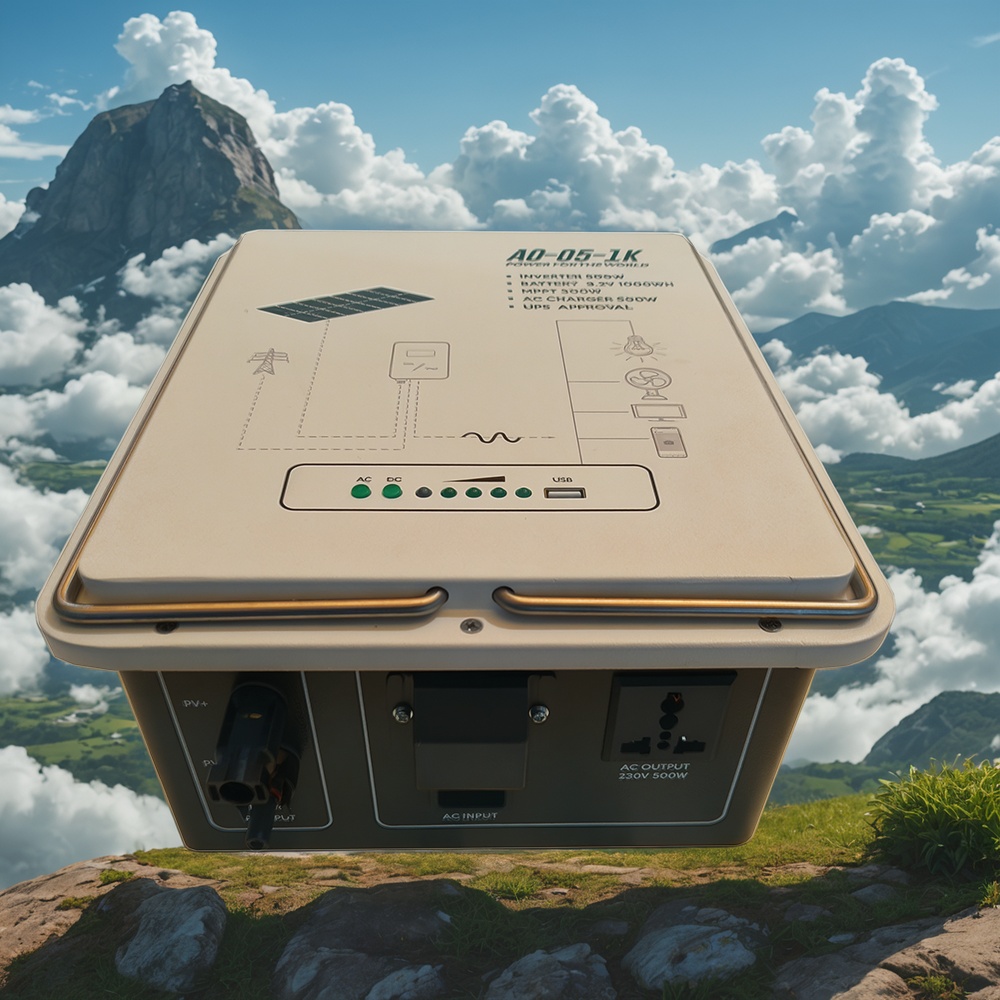
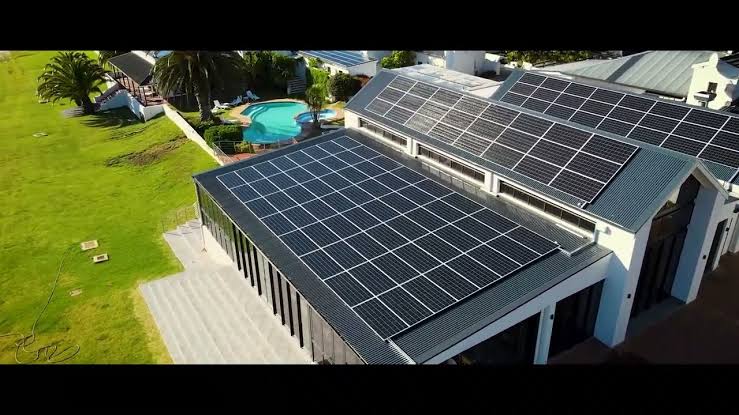
With the rapid global adoption of solar photovoltaic systems, home energy storage batteries, as a core component of these systems, are becoming an increasingly popular choice for families. They not only store excess solar power for nighttime use but also provide backup power during grid outages, making them crucial for achieving home energy independence. However, faced with a wide variety of energy storage battery products on the market, many consumers feel overwhelmed: What capacity battery should they choose? Which is more suitable for home use, lithium iron phosphate or ternary lithium? Should they choose 48V or 96V? Making a purchase without understanding these questions could lead to wasted money and unsatisfactory results.
This article provides a comprehensive selection guide for home energy storage batteries, covering topics such as type selection, capacity calculation, key parameter interpretation, brand recommendations, and installation precautions. It encompasses basic knowledge of energy storage batteries, selection methods, pitfall avoidance tips, and answers to frequently asked questions, aiming to help ordinary readers make the right choice in easy-to-understand language. Choosing the right energy storage battery not only maximizes the value of your solar system but also provides a stable and reliable power supply for your home.
I. Main Types of Household Energy Storage Batteries
Before starting the selection process, it's essential to understand the main types of home energy storage batteries. Different types of batteries vary significantly in performance characteristics, application scenarios, and prices. Choosing the type of battery that best suits your needs is the first step in the selection process.
Lithium iron phosphate (LFP) batteries are currently the most mainstream choice for home energy storage. The positive electrode material of an LFP battery is lithium iron phosphate, the negative electrode is graphite, and the electrolyte is an organic solvent. The biggest advantage of this type of battery is its extremely high safety. Its thermal runaway temperature can reach over 500 degrees Celsius, while ternary lithium batteries are only around 200 degrees Celsius. This means that LFP batteries have a very low probability of catching fire or exploding under extreme conditions such as overcharging, short circuits, or compression. The second advantage is its long cycle life. High-quality LFP batteries can cycle 4,000 to 6,000 times, which, based on one charge-discharge cycle per day, can easily last 10 to 15 years. The third advantage is its good high-temperature performance; it can operate stably even in hot climates, which is especially important for users in hot regions. The disadvantages of LFP batteries are that their energy density is relatively low, and their volume and weight are larger than ternary lithium batteries of the same capacity. Additionally, their discharge performance decreases at low temperatures.
Ternary lithium batteries are another common type of energy storage battery, with lithium nickel cobalt manganese oxide or lithium nickel cobalt aluminum oxide as their cathode materials. The biggest advantages of ternary lithium batteries are their high energy density, small size, and light weight, making them suitable for installation scenarios with space constraints. They also have good low-temperature performance, maintaining good discharge capacity even at -20 degrees Celsius. The disadvantages of ternary lithium batteries are relatively poor safety, with a low thermal runaway temperature, posing certain safety risks under high-temperature or extreme operating conditions; their cycle life is also shorter than that of lithium iron phosphate batteries, typically around 2000 to 3000 cycles. Due to safety concerns, the application of ternary lithium batteries in home energy storage has decreased in recent years, with more applications in consumer electronics and new energy vehicles where size and weight are critical.
Lead-acid batteries are the oldest type of rechargeable battery and are widely used in solar energy storage. Their main advantages are mature technology, low price, and cost only about one-third that of lithium iron phosphate batteries of the same capacity. However, lead-acid batteries also have significant disadvantages: extremely low energy density, large size and weight (typically only one-third to one-quarter that of lithium iron phosphate batteries), short cycle life (only 500 to 800 cycles), high self-discharge rate (about 5% to 15% per month), and they contain toxic and harmful substances such as lead, making them less environmentally friendly. Currently, in the residential energy storage field, lead-acid batteries are being rapidly replaced by lithium iron phosphate batteries, and they are still used only in applications where cost is extremely sensitive and weight and size are not (such as large-scale off-grid photovoltaic power plants).
Besides the three mainstream types mentioned above, some emerging battery technologies are under development. Lithium titanate batteries use lithium titanate as the negative electrode and can achieve a cycle life of over 10,000 cycles, but their energy density is very low and their cost is very high, so they are currently rarely used in the home energy storage field. Solid-state batteries are considered the next generation of revolutionary battery technology, with an energy density that can be 2 to 3 times that of existing batteries, but they are still in the research and development stage and have not yet achieved commercial mass production. Users can pay attention to the dynamics of technological development when choosing a battery, but at the current stage, lithium iron phosphate batteries are still the preferred type for home energy storage.
II. How to calculate the capacity requirements of a home energy storage battery
After understanding battery types, the next key question is: What capacity battery should I choose for my home? The answer to this question varies from family to family and needs to be calculated based on specific circumstances.
The first step in calculating battery capacity is to determine your electricity needs. Different households have vastly different electricity consumption patterns and usage habits, directly impacting battery capacity selection. A typical family of three, without air conditioning, uses approximately 10 to 15 kWh per day. Considering summer air conditioning use, daily consumption may reach 20 to 30 kWh. For villas or households using central air conditioning, consumption may be even higher. The most accurate way to determine your electricity consumption is to check your electricity bill and divide your monthly consumption by the number of days to obtain your daily average consumption. It's recommended to use the daily average consumption from the hottest month in summer or winter as a benchmark, as these are peak electricity consumption periods and when the battery performs best.
The second step is to determine the required backup power duration. This directly determines the lower limit of battery capacity. If the battery is only used for peak shaving and valley filling to save on electricity bills, and it mainly discharges at night, then the daily discharge is approximately equal to the average daily electricity consumption minus the portion directly covered by solar power during the day. The battery capacity needs to cover this difference. If a certain degree of off-grid capability is desired, such as supporting basic loads overnight during a grid outage, then the battery capacity needs to cover overnight electricity demand. A typical household's basic load overnight (lighting, refrigerator, router, TV, etc.) is about 3 to 5 kWh, while high-end configurations may require 8 to 15 kWh. If a longer backup power duration, such as two to three days, is desired, or to support high-power equipment such as air conditioners, the battery capacity requirement will increase significantly.
The third step is to consider the supplementary capacity of solar power generation. The choice of battery capacity also needs to consider the power generation of the solar panels and the peak and off-peak electricity consumption patterns. If the installed capacity of the solar panels is large, and the daytime power generation far exceeds self-consumption, then a larger battery can be configured to store more surplus electricity. If the solar panel capacity is small, and the daytime power generation is just enough or insufficient, then a large battery capacity is meaningless, because the battery will never be fully charged. It is generally recommended that the battery capacity match the installed capacity of the solar panels. For example, for a 5 kW solar panel, a battery with a capacity of 10 to 15 kWh is suitable. Too small a battery capacity will result in wasted power and energy, while too large a capacity will increase unnecessary costs.
Let's illustrate capacity calculation with a specific example. Suppose a family of three consumes approximately 25 kWh of electricity per day in summer, with about 10 kWh during the day and 15 kWh at night. They plan to install 5 kW solar panels, generating about 20 kWh during the day, of which 10 kWh will be used by the family and the remaining 10 kWh will be stored in the battery. At night, the battery will discharge 10 kWh, and the remaining 5 kWh will be supplied by the grid. In this scenario, the 10 kWh battery capacity can cover most of the nighttime electricity consumption. To further reduce grid dependence, the battery capacity can be increased to 15 kWh, potentially achieving near-zero electricity purchases on sunny days.
The battery's usable capacity and depth of discharge limitations also need to be considered. A battery's nominal capacity and usable capacity are different concepts. For lithium iron phosphate batteries, it's generally recommended that the depth of discharge not exceed 80% to 90%. Discharging too deeply will damage the battery's lifespan. This means that a battery nominally rated at 10 kWh may actually only have about 8 to 9 kWh usable. When purchasing, you should clarify the battery's recommended depth of discharge and actual usable capacity to avoid the embarrassment of insufficient capacity. Additionally, the battery's power output capability should be considered. If you need to simultaneously power high-power devices such as air conditioners and water heaters, you need to choose a battery with sufficient power output capability.
III. Key Parameters of Energy Storage Batteries
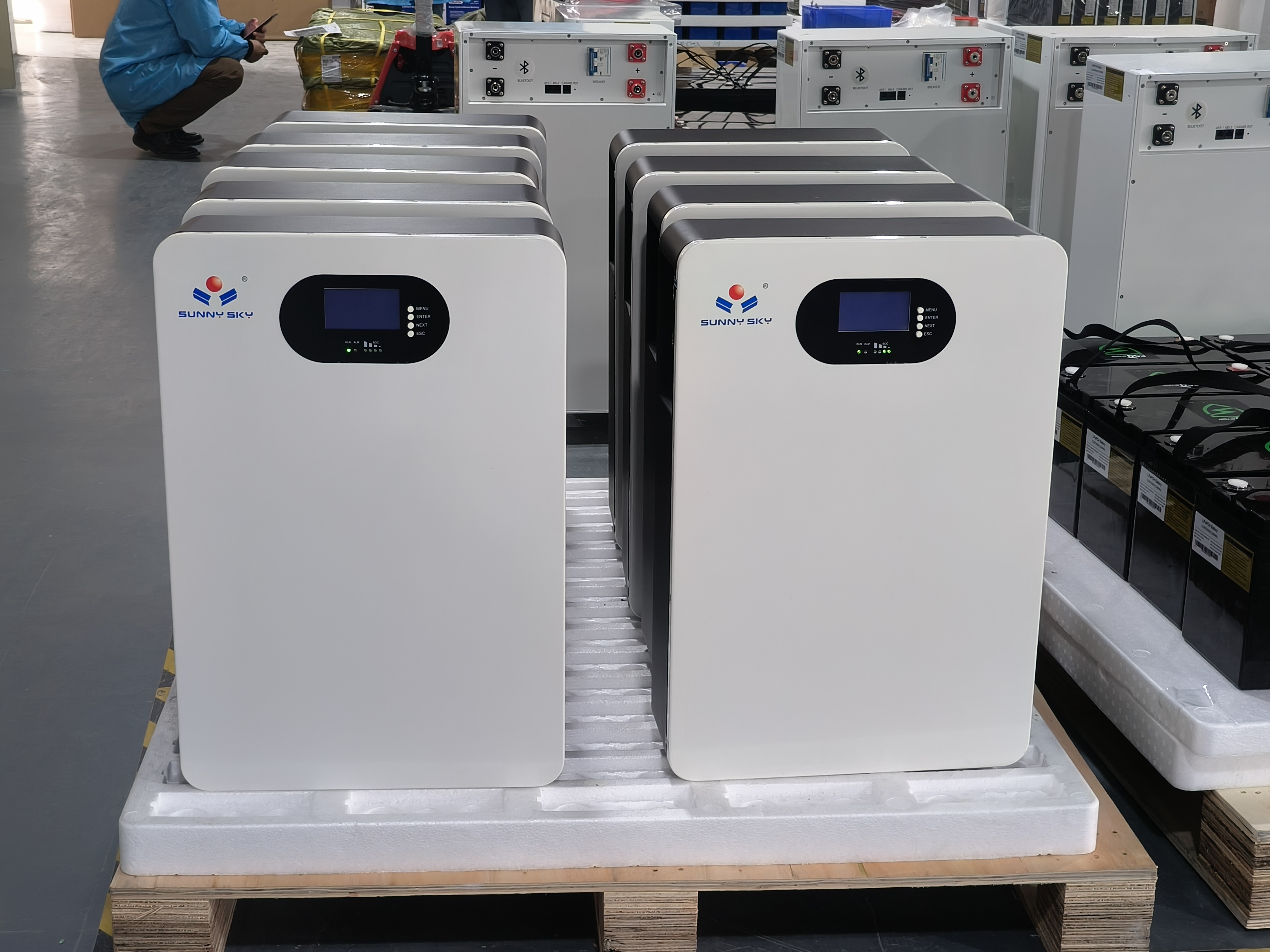
During the selection process, you will encounter many technical parameters that directly reflect the battery's performance level. Understanding their meaning will help you make a more accurate choice.
Battery voltage is one of the most important parameters. Home energy storage batteries typically come in two voltage levels: 48V and 96V. 48V is currently the most mainstream voltage level, with advantages including relatively high safety, a wide range of accessory options, and mature system design. Many brands of hybrid inverters support 48V batteries. 96V batteries offer the advantage of lower current draw at the same power output, reducing the cost of cables and circuit breakers. However, their disadvantages include fewer product options and higher system integration complexity. For ordinary household users, 48V is a more reliable choice; unless there are special high-power requirements, 96V is not recommended.
Battery capacity is usually expressed in ampere-hours (Ah) or kilowatt-hours (kWh). The relationship between the two is: Capacity (kWh) = Voltage (V) × Capacity (Ah) / 1000. For example, a 48V 100Ah battery has a capacity of 4.8 kWh. When purchasing, you must confirm both voltage and capacity parameters, not just one. Additionally, be aware that some low-quality products may have inflated capacity claims, with the actual usable capacity being far lower than the stated value. Choosing a reputable brand is crucial.
The maximum continuous discharge current and maximum continuous charging current determine the amount of power a battery can continuously output and input, respectively. This parameter affects whether the battery can meet the simultaneous usage demands of high-power appliances in the home. For example, if an air conditioner (2000W), a water heater (2000W), and an induction cooker (2000W) are used simultaneously in a home, the required maximum discharge power is approximately 6 kilowatts or more. With a certain margin, a battery with a continuous discharge power of 8 kilowatts or more should be selected. Charging current is equally important. If the solar panel has a large capacity but the charging current is limited, it will result in a waste of solar power that cannot be stored in a timely manner.
Cycle life is a key indicator of a battery's long-term economic viability. Cycle life is calculated in terms of the number of charge-discharge cycles; one complete charge-discharge cycle counts as one cycle. Lithium iron phosphate (LFP) batteries typically have a cycle life of 3,000 to 6,000 cycles, with some high-end products exceeding 8,000 cycles. A battery with a cycle life of 4,000 cycles, calculated at one cycle per day, can be used for approximately 10 years; a battery with a cycle life of 6,000 cycles can be used for approximately 16 years. Choosing a battery with a longer cycle life offers better long-term cost-effectiveness.
Charge-discharge efficiency reflects the energy loss of a battery during the charging and discharging process. The charge-discharge efficiency of lithium iron phosphate batteries is typically between 95% and 98%, meaning that for every 100 kWh charged, only 95 to 98 kWh can be discharged. Higher efficiency is better, but the differences between different products are not significant, and it doesn't carry much weight in the selection decision. Self-discharge rate indicates the rate at which the battery loses charge when not in use. Lithium iron phosphate batteries have a very low self-discharge rate, approximately 1% to 2% per month. This indicator mainly affects the retention of charge during long-term storage.
The operating temperature range determines the suitable climate conditions for a battery. Lithium iron phosphate batteries typically operate from -10°C to 55°C, with a wider discharge temperature range. High temperatures accelerate battery aging, while low temperatures reduce discharge capacity. If installed outdoors or in hot climates, special attention needs to be paid to the battery's high-temperature performance. Some products are equipped with a heating function that automatically heats up in low-temperature environments to ensure normal charging and discharging.
IV. Brand Selection and Purchase Considerations
After clarifying the needs and parameter requirements, the final step is to choose a specific product and brand. There are numerous home energy storage battery brands on the market, with significant price differences, making it crucial to choose the right brand and distribution channel.
When choosing a brand, priority should be given to reputable and established manufacturers with strong capabilities. Internationally, Tesla's Powerwall is a benchmark product in the home energy storage field, reliable in quality but relatively expensive; LG Chem's RESU series is also a mature product with widespread global application; and German Sonnensoi batteries are known for their high quality and have a good reputation in the European market. Domestically, BYD is a leading company in the battery industry with deep expertise in lithium iron phosphate technology; CATL, EVE Energy, and Penghui Energy are all well-known battery manufacturers with guaranteed product quality; in addition, there are some brands specializing in energy storage, such as Pylontech.
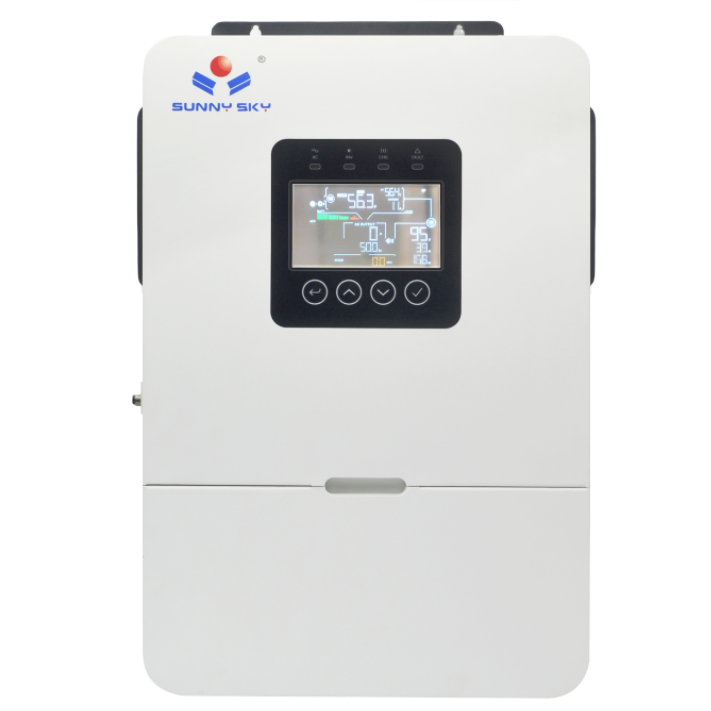
When purchasing batteries, pay attention to the following points. First, confirm the compatibility between the battery and the inverter. Not all batteries are compatible with all inverters; some brands' hybrid inverters only support their own or specific partner batteries. It's recommended to inquire before purchasing, or choose battery products that support open protocols, such as CAN and RS485, for better compatibility. Second, be wary of excessively low-priced products. Battery costs are relatively transparent; if a battery's price is significantly lower than the market average, it's likely to be a product with falsely advertised capacity, refurbished, or of poor quality, posing a significant risk in the long run. Third, confirm the warranty terms. Reputable brands typically offer 5 to 10 years of warranty, clearly specifying the warranty coverage (e.g., the extent of capacity degradation covered) and the warranty method (repair, replacement, or return).
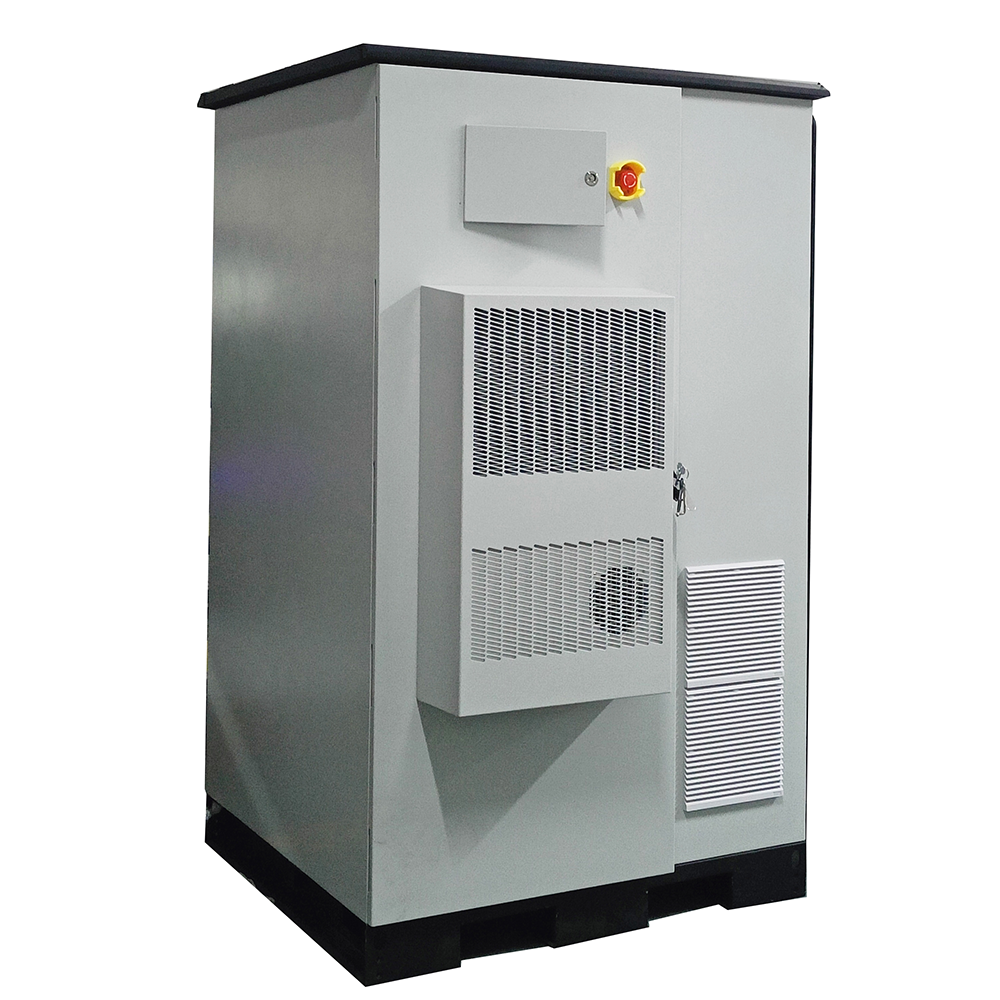
For installation, home energy storage batteries typically need to be installed in a well-ventilated, dry location away from direct sunlight. Battery cabinets or racks must be securely fixed, and the ground must meet load-bearing requirements. Large battery systems can weigh hundreds of kilograms, necessitating structural safety at the installation location. Battery installation and wiring must be performed by a professional electrician to ensure reliable grounding and good insulation. After installation, a comprehensive test is required to confirm that charging/discharging, communication, and protection functions are all working correctly.
In terms of use and maintenance, modern lithium iron phosphate batteries are generally maintenance-free, but there are still a few things to note: avoid long-term overcharging or over-discharging, as this will accelerate battery aging; avoid prolonged use in extreme high or low temperature environments; regularly check the battery terminals for looseness or corrosion; keep the battery surface clean and dry; if the battery is not used for a long time, it should be charged to about 50% before storage, and a charge-discharge cycle should be performed every few months.
Conclusion
Choosing a home energy storage battery may seem complicated, but it essentially boils down to three steps: defining your needs, calculating the capacity, and selecting the right product. Your needs determine the type and basic specifications of the battery, the capacity determines the size you need, and the product's quality determines whether it can be used stably and sustainably over a long period.
When selecting a battery, don't blindly pursue large capacity or high performance; the best one is the one that suits your needs. If the main goal is to save on electricity bills by peak shaving and valley filling, a 10 to 15 kWh lithium iron phosphate battery is usually sufficient. If you want to achieve a certain degree of off-grid capability, you may need more than 20 kWh. If the local power grid is unstable and frequent backups are required, you will need products with larger capacity and higher power.
Choosing a reputable brand and a reliable installer is equally important, as they determine the long-term stability of the system and the availability of timely and effective after-sales service in case of problems. This article aims to help readers establish a basic framework for selecting home energy storage batteries, avoiding pitfalls and helping them choose the right product for their needs. The future of clean energy deserves our careful consideration.
Please contact Simon immediately to discuss your project:
• WeChat: TY530643572
• Telephone: +86 137 1166 0041