Foreword
Many households and businesses face a classic dilemma when it comes to energy choices: continue using traditional diesel generators or switch to emerging solar systems? Diesel generators have a long history, mature technology, and are readily available; solar systems are clean, environmentally friendly, have low operating costs, and align with development trends. Both energy options have their advantages and disadvantages, and the choice directly impacts electricity usage and costs for years to come.
For households in areas lacking electricity, diesel generators may be the only source of power, but rising fuel costs are a major headache. For urban families looking to save on electricity bills, solar systems seem appealing, but the initial investment and installation requirements present a challenge. For factories and shops, backup power is essential, but deciding between a diesel generator and a solar energy storage system is far more complex than it appears.
This article will provide a comprehensive comparative analysis of diesel generators and solar energy systems from multiple perspectives. We'll start with the basic principles, delve into the differences between the two solutions in terms of performance, economy, environmental impact, and ease of use, and offer selection advice for different scenarios. Whether you're a homeowner preparing to renovate a new house, a business manager considering energy transition, or an ordinary resident living in an area lacking electricity, this article can help you make a more informed decision.
I. Working Principle
The working principle of a diesel generator is essentially that an internal combustion engine drives a generator to produce electricity. Diesel fuel burns in the engine cylinders, generating high-temperature, high-pressure gas that pushes the piston. The piston, in turn, drives the crankshaft to rotate via the connecting rod. The crankshaft then drives the generator rotor to cut magnetic lines of force, generating an electric current. The entire energy conversion chain is: chemical energy (diesel fuel) → thermal energy → mechanical energy → electrical energy. Diesel generators require a continuous supply of diesel fuel to operate. The power output of generator sets ranges from a few kilowatts to several thousand kilowatts. Small units can be placed in a home basement or yard, while large units require a dedicated equipment room.
The most prominent features of diesel generators are their controllability and immediacy. As long as there is a diesel supply, the generator can start and output stable power within seconds, unaffected by weather, time, or location. This highly controllable, instantaneous power generation capability is the biggest competitive advantage of diesel generators and the fundamental reason for their long-standing dominance in the backup power market.
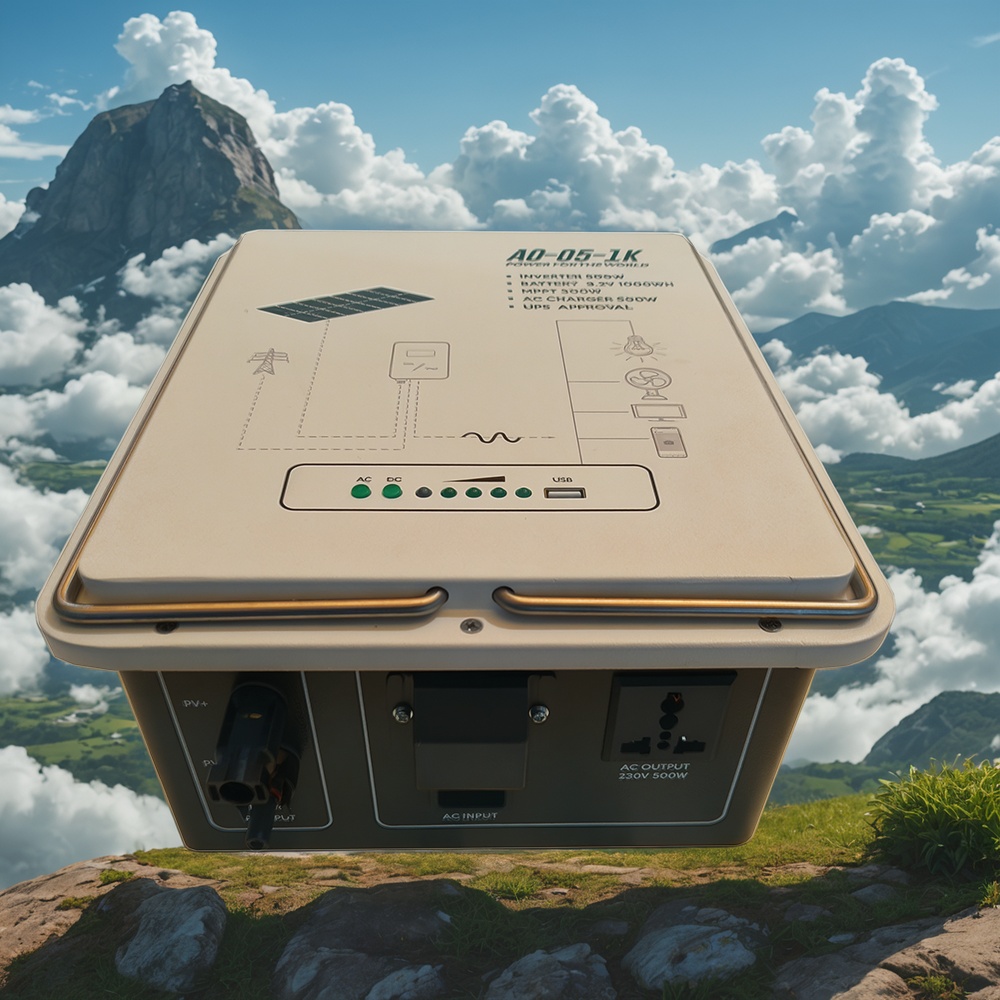
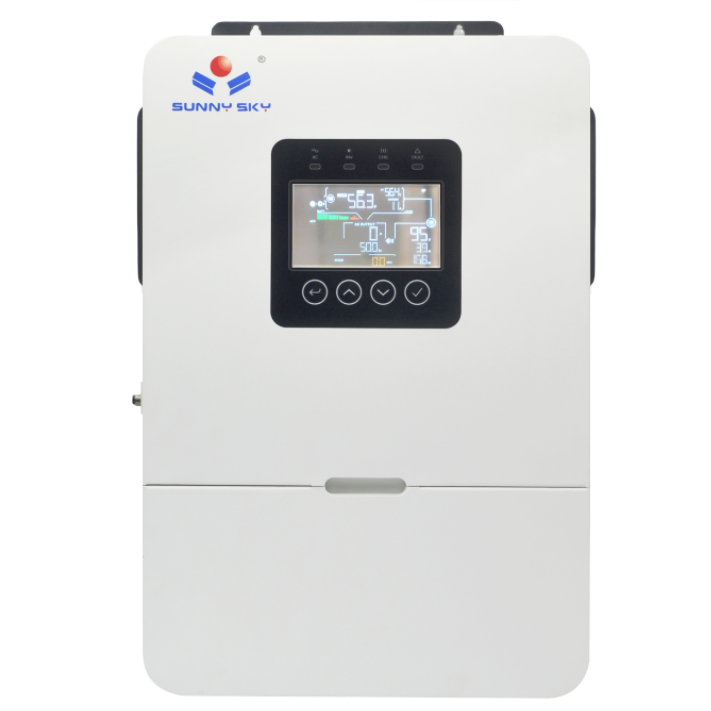
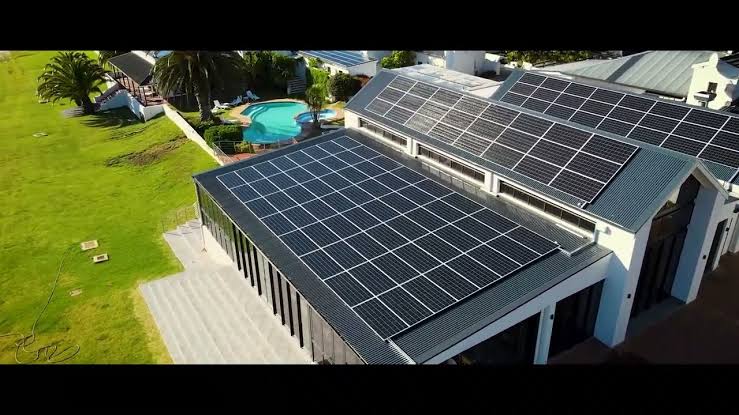
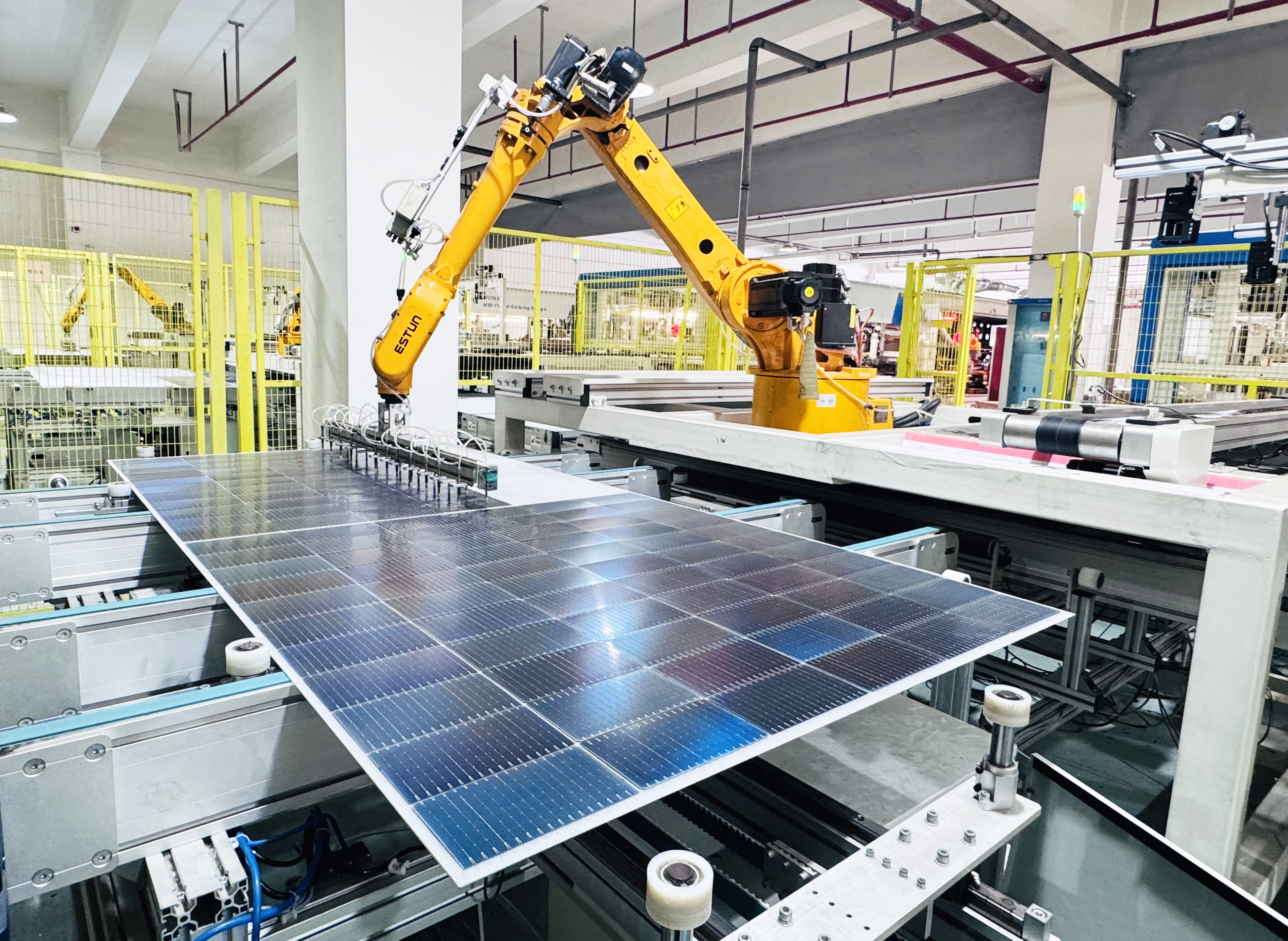
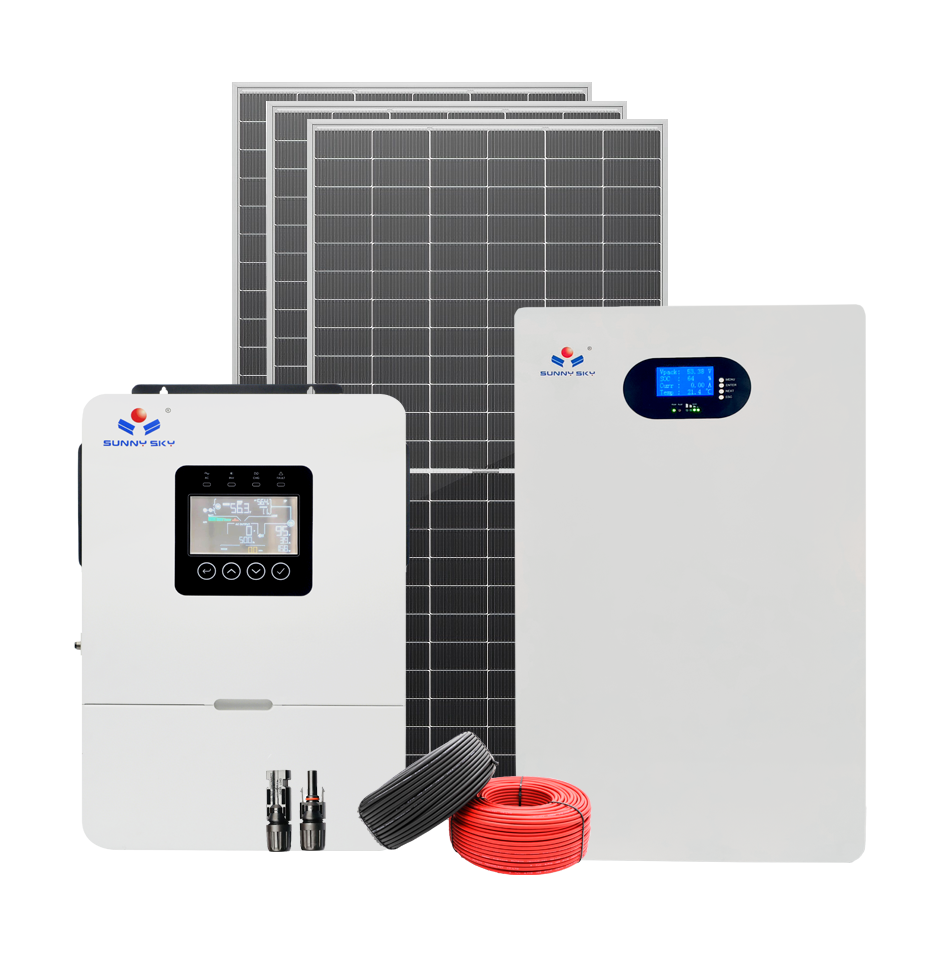
A solar energy system works by using the photovoltaic effect to convert solar energy into electrical energy. Solar panels consist of numerous photovoltaic cells. When sunlight shines on the surface of a cell, photon energy is absorbed by the silicon atoms in the cell, exciting electrons to form a direct current (DC). This DC power is then converted to alternating current (AC) by an inverter for use in homes or commercial facilities. If equipped with energy storage batteries, excess electricity can be stored and released for use at night or on cloudy days. A complete solar energy system typically includes solar panels, an inverter, energy storage batteries (optional), mounting structures, and cables.
The core characteristics of solar energy systems are their cleanliness and sustainability. Solar power generation does not burn any fuel, produces no pollutants or carbon emissions, making it a truly green and clean energy source. Solar panels can generate electricity continuously for two to three decades after installation, with extremely low operating costs, requiring almost no investment except for occasional cleaning and maintenance. However, solar power generation is greatly affected by weather and sunlight conditions; power generation drops significantly or even stops at night and on cloudy days, which is an inherent limitation.
From the perspective of energy source, diesel generators rely on diesel fuel, a non-renewable resource, while oil reserves are limited and extraction costs are increasing. Solar energy, on the other hand, comes from inexhaustible sunlight and is a truly sustainable energy form. In terms of energy conversion efficiency, the overall efficiency of diesel generators is typically between 30% and 40%, with a large amount of energy lost as heat. Although the efficiency of solar energy systems is limited by cell technology, there is no energy loss during the conversion process due to combustion.
II. Performance Comparison
Output power is the primary consideration when choosing an energy solution. Diesel generators offer a wide range of power outputs. Small portable units can be as low as 1 to 2 kilowatts, suitable for fieldwork or temporary power needs; large industrial units can reach thousands of kilowatts, meeting the overall power requirements of factories or residential communities. Flexible power selection is a key advantage of diesel generators, allowing users to choose the appropriate unit capacity based on their actual needs. The power output of a solar system depends on the installed capacity of the solar panels. Residential systems typically range from 5 to 15 kilowatts, while commercial and industrial systems can reach tens of kilowatts or even higher. However, it's important to note that the actual output power of a solar system depends on sunlight conditions; peak power is only a theoretical value under standard test conditions.
Continuous power supply capability is one of the core differences between the two solutions. Diesel generators can operate 24/7 without interruption, continuously outputting electricity as long as the diesel supply is guaranteed, making them ideal as a primary power source or long-term backup power. However, diesel generators are not suitable for frequent start-stop cycles; each start-up causes mechanical wear, and frequent start-stop cycles shorten their lifespan. The continuous power supply capability of a solar system depends on whether it has energy storage batteries. Systems without energy storage can only generate electricity during the day and cannot supply power at night; systems with energy storage batteries can achieve a cycle of storing electricity during periods of ample sunlight and discharging it at night, but the limitation of energy storage capacity means that power shortages may still occur during prolonged periods of cloudy or rainy weather.
Start-up time is another crucial indicator. Diesel generators typically take several seconds to tens of seconds to reach stable output after startup because the internal combustion engine needs to complete processes such as fuel injection, compression, and ignition before reaching normal operating conditions. While this time may seem short, it can cause brief power outages in scenarios with extremely high requirements for power continuity, such as data centers and hospital ICUs. Solar power systems, combined with energy storage batteries, can achieve millisecond-level switching, instantly switching to battery power mode during grid outages, achieving truly uninterrupted power supply.
Environmental adaptability determines the performance of the two solutions under different conditions. Diesel generators are highly adaptable to the environment and can operate normally under various harsh conditions such as high temperature, low temperature, humidity, and dryness, a fact proven by centuries of industrial practice. The core component of a solar energy system, the solar panel, also has strong environmental adaptability, but the energy storage battery is more sensitive to temperature; extremely cold or hot environments will affect battery performance and lifespan. Furthermore, the power generation efficiency of solar panels is significantly affected by dust accumulation, requiring regular cleaning and maintenance.
Noise and vibration are significant factors affecting user experience. Diesel generators typically operate at noise levels between 70 and 100 decibels, equivalent to the noise level of heavy traffic, and prolonged close exposure may affect hearing health. Diesel engines also generate noticeable vibrations, requiring the equipment to be secured to a stable base. Solar systems, on the other hand, operate almost silently; the inverter and battery fan noises are minimal and do not disrupt daily life. This is a major advantage of solar systems in urban home applications.
III. Economic Comparison
In terms of initial investment, diesel generators have relatively low purchase costs. A small household diesel generator with a power output of 5 to 10 kilowatts typically costs between several thousand and over ten thousand yuan, varying considerably depending on brand and quality. Large industrial diesel generator sets range in price from tens of thousands to millions of yuan, depending on power capacity. The initial investment for a solar system, however, is significantly higher than that of a diesel generator. A 5-kilowatt household solar system, including solar panels, inverters, mounting brackets, and installation costs, typically costs between 30,000 and 60,000 yuan. Systems with battery storage are even more expensive; a system with 10 kilowatt-hours of storage capacity may cost between 50,000 and 100,000 yuan. In absolute terms, the initial investment for a solar system is 3 to 5 times that of a diesel generator of equivalent power.
Operating costs are key to long-term economic viability. The main operating cost of a diesel generator is diesel fuel consumption. Taking a 10 kW unit as an example, assuming a 50% load rate, it consumes approximately 2 to 3 liters of diesel per hour, costing about 15 to 25 yuan per hour at current fuel prices. If it operates for 10 hours a day, the daily fuel cost would be 150 to 250 yuan, 4,500 to 7,500 yuan per month, and tens of thousands of yuan per year. Worse still, diesel prices are generally on the rise, meaning future operating costs will only increase.
The operating costs of a solar energy system are extremely low, almost negligible. Solar panels generate electricity without any fuel; sunlight is free. The inverter and batteries consume negligible amounts of power; the main cost is occasional cleaning and maintenance. The system operates for 20 to 25 years, requiring no ongoing fuel input except for potentially minor repair costs. Based on this calculation, a 5 kW residential solar energy system generates approximately 6,000 to 7,000 kWh of electricity annually. At a price of 0.6 yuan per kWh, this translates to annual savings of approximately 3,600 to 4,200 yuan, totaling approximately 90,000 to 100,000 yuan over 25 years—far exceeding the initial investment.
The maintenance costs also differ significantly between the two. Diesel generators require regular changes of consumables such as engine oil, air filters, and diesel filters, as well as regular inspections of components like belts, fuel injection systems, and cooling systems. The annual maintenance cost for a small household unit is approximately 500 to 2000 yuan, while larger units are even more expensive. After prolonged operation, the engine may experience wear or malfunction, with overhaul costs potentially reaching tens of thousands of yuan. Solar systems, on the other hand, primarily require regular cleaning of the solar panels and inspection of electrical connections, with annual maintenance costs possibly only a few hundred yuan. Solar panels typically have a lifespan of 25 to 30 years, while inverters have a lifespan of about 10 to 15 years, during which time the inverter may need to be replaced, but the replacement cost is relatively low.
When considering the total lifecycle cost, the economic advantages of solar energy systems are very clear. Taking a 10 kW power output and a 20-year lifecycle as an example: a diesel generator has an initial investment of about 10,000 yuan, fuel costs of about 300,000 to 400,000 yuan over 20 years (calculated at an average of 20,000 yuan per year), maintenance costs of about 30,000 to 50,000 yuan, and a total cost of about 350,000 to 450,000 yuan; a solar energy system has an initial investment of about 60,000 to 80,000 yuan (including energy storage), zero fuel costs over 20 years, maintenance costs of about 10,000 yuan, and a total cost of about 70,000 to 90,000 yuan. Even considering the potential cost of replacing the energy storage batteries in the future, the total lifecycle cost of a solar energy system is only one-fifth to one-quarter of that of a diesel generator.
Of course, economic analysis also needs to consider factors such as the time value of money and the ease of system maintenance. For users with limited funds, the phased purchase of diesel generators may be easier to achieve, while the one-time investment in solar systems is higher. However, for long-term use, the returns of solar systems are certain and continuous, unaffected by fluctuations in fuel prices.
IV. Usage Scenarios
Whether to use a diesel generator as a primary or backup power source is the first question that needs to be clarified. If your purpose is to use it as the main or sole source of electricity, such as living in an area without electricity or a remote area with an extremely unstable power grid, you need to carefully evaluate the suitability of both options. Scenarios where diesel generators are suitable as a primary power source include: indoor environments where solar systems cannot be installed, high-rise buildings without sufficient installation space, and temporary construction sites with fluctuating and unpredictable electricity demand. Scenarios where solar systems are suitable as a primary power source include: detached houses or villas with ample sunlight, families with a stable power grid who want to reduce electricity bills, and users who wish to achieve energy independence.
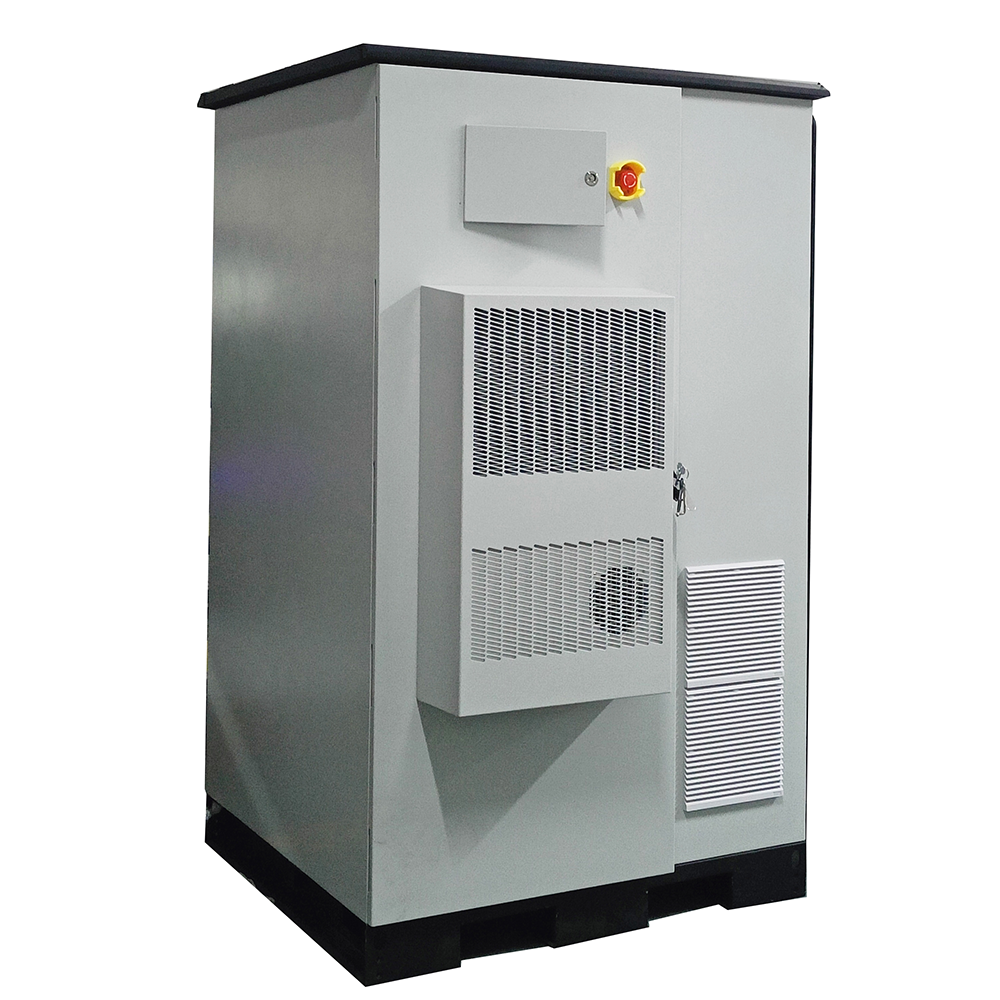
When considering backup power, the choice between the two options needs to be more refined. Backup power requirements typically include: rapid restoration of power during sudden grid outages, ensuring the uninterrupted operation of critical equipment, and responding to foreseeable power rationing measures. Diesel generators, as backup power, are often standard equipment in large facilities such as hospitals, data centers, and factories, with their advantages being high power output and long operating time. Solar power systems with energy storage offer the greatest advantage of zero noise, zero emissions, and automatic switching, but are limited by storage capacity and are best suited for short-term emergency power outages.
For residential users, the choice requires consideration of multiple factors. If you live in a city apartment with a relatively stable power grid and limited space for installing a solar system, then a solar system may not be the first choice. However, if you live in a detached house with good sunlight, a roof, or a yard where you can install solar panels, and you want to reduce long-term electricity bills, a solar system is a worthwhile investment. Especially if there is a peak-valley electricity pricing policy in your area, a solar system combined with energy storage can help you save even more on your electricity bill by storing electricity during off-peak hours and discharging it during peak hours.
For commercial and industrial users, the choices are more complex. In scenarios requiring continuous high-power supply, such as factories, hospitals, and data centers, diesel generators or hybrid systems combining diesel and solar power may be necessary. For scenarios with moderate electricity consumption, such as shops, office buildings, and small factories, where the goal is to reduce operating costs, pure solar systems or solar-plus-storage systems can be very effective. Many large-scale facilities have already begun adopting hybrid solutions combining diesel generators and solar energy storage, prioritizing solar power during normal operation and automatically switching to diesel generators when solar power is insufficient. This combined approach leverages the advantages of both methods.
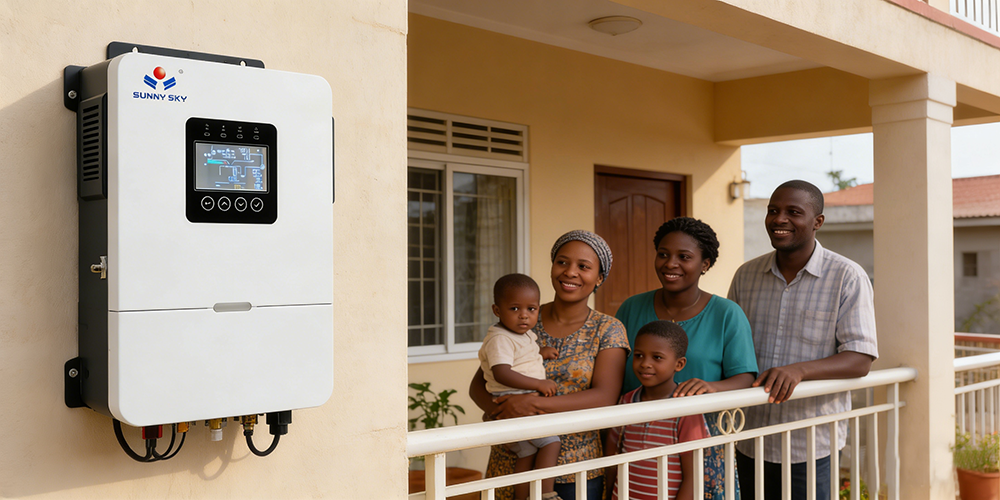
For users in areas lacking or without electricity, solar power systems are becoming a key to changing lives. In remote areas of Africa, Southeast Asia, and remote mountainous regions of China, where grid coverage is insufficient, solar power systems are enabling local residents to access electricity and say goodbye to kerosene lamps and candles. In these scenarios, the portability and scalability of solar power systems are particularly valuable—users can start with a small system and gradually scale it up as demand grows. More importantly, the long-term operating costs of solar power systems are extremely low, which is significant for residents in remote areas with limited income.
It's important to note that solar power systems and diesel generators are not entirely mutually exclusive. In many applications, combining the two can yield better results. This hybrid energy solution prioritizes solar power generation during the day, storing excess electricity in batteries; at night or when solar power is insufficient, the diesel generator can be activated. This combination of solar power and energy storage can significantly reduce diesel consumption, lower operating costs, and ensure continuous and stable power supply. For users with the necessary resources, this may be the optimal choice.
Conclusion
In the long run, with the continuous advancement of solar energy technology and the sustained decline in costs, solar systems will become increasingly competitive in more scenarios. Breakthroughs in energy storage technology are addressing the biggest weakness of solar systems—the inadequacy of continuous power supply. In the next decade, we are likely to see solar-plus-storage systems occupy an increasingly larger share of the residential and commercial energy markets.
Even under this trend, diesel generators will still play a role in specific scenarios. For extreme environments, for ultra-high power demands, and for critical facilities requiring extremely high availability, diesel generators remain an important choice. The long-term coexistence and complementary advantages of the two energy solutions will be the norm in the future energy landscape.
For each individual user, choosing the right energy solution requires a comprehensive consideration of their electricity needs, installation conditions, budget constraints, and long-term plans. Hopefully, this article's analysis will help you make the best choice between a diesel generator and a solar system. Ultimately, the best solution is one that meets your needs, fits your budget, and ensures a reliable power supply.
Please contact Simon immediately to discuss your project:
• WeChat: TY530643572
• Telephone: +86 137 1166 0041