Foreword
In sub-Saharan Africa, an average of over 390 million people face power outages for more than 390 days each year. This figure sounds alarming, but it truly reflects the severity of the current energy crisis in Africa. On this continent, which possesses 60% of the world's most abundant solar energy resources, nearly 600 million people are completely without electricity, and 1 billion face severe power shortages. Power shortages not only seriously affect the daily lives of African people but also constrain the continent's economic development and industrialization process.
However, with the rapid development and continuous cost reduction of global solar photovoltaic technology, solar energy is becoming an important way for Africa to solve its energy crisis. In recent years, from residential rooftop photovoltaics in South Africa to large-scale geothermal-photovoltaic hybrid projects in Kenya, and off-grid solar systems in Nigeria, the photovoltaic industry chain led by Chinese companies is accelerating its expansion across the African continent. Africa is undergoing an unprecedented energy transition; how exactly will solar energy change the energy landscape of this ancient continent?
This article will delve into the current state and causes of Africa's energy crisis, explore why solar energy is suitable for Africa, and how Chinese companies can find opportunities in the African solar energy market. Through detailed case studies and data, it will reveal the enormous potential of the African solar energy market and the profound impact of this green energy revolution on the global photovoltaic industry landscape.
I. Africa's Energy Crisis: The Dilemma of 390 Days of Power Shortage
Africa is the continent with the most severe power shortages in the world, and the problem permeates almost every aspect of the lives of the African people. Understanding the scale and causes of this crisis is fundamental to understanding the rapid development of solar energy in Africa.
In terms of electricity penetration, Africa's power infrastructure lags far behind other continents. Latest data shows that sub-Saharan Africa has an electricity penetration rate of only about 50%, meaning approximately 600 million people have no access to electricity. In rural areas, the rate is even lower, below 20%, with many villages still relying on candles and kerosene lamps for lighting. Even in urban areas, power supply is extremely unstable, with frequent power outages and rationing severely impacting residents' daily lives and businesses' operations. In many African cities, four or five power outages a day are commonplace, forcing residents and businesses to rely on generators as backup power.
Power shortages are a fatal constraint on economic development. Africa has the world's youngest population structure, with an average age of only 18. This demographic dividend, which should be its own, is being prevented from translating into economic advantages due to power shortages. Manufacturing requires a stable power supply, but frequent power outages prevent factories from operating normally; the service industry needs electricity, but shortages restrict business activities; households need electricity to improve their lives, but power shortages trap hundreds of millions of people in a cycle of poverty. It is estimated that power shortages cost Africa tens of billions of dollars annually, equivalent to several percentage points of GDP in some countries.
The reasons for Africa's power shortage are multifaceted. First, there is a severe lack of power infrastructure; long-term underinvestment has resulted in significant gaps in all aspects of power generation, transmission, and distribution. Second, the power supply structure is irrational. Africa possesses abundant hydropower, solar energy, and geothermal resources, but their development is very limited, with power supply mainly relying on fossil fuels, and many countries lacking oil and natural gas resources. Third, power management and technical capabilities are weak; many countries lack professional personnel in the power industry, resulting in inefficient power grid operations and rampant electricity theft and leakage. Finally, there is a shortage of funds. Power infrastructure construction requires substantial investment, but African countries generally have limited financial resources, making it difficult to support large-scale power construction.
Against this backdrop, solar energy, as a distributed, modular energy solution with a short construction cycle, is becoming an important option for African countries to overcome their power shortages. Africa possesses the world's richest solar energy resources, with annual sunshine hours generally exceeding 3,000 hours, and in some areas even exceeding 5,000 hours. The Sahara Desert region has the highest solar irradiance in the world, receiving more than 2,500 kilowatt-hours of solar energy per square meter per year. Such superior natural conditions give Africa a unique advantage in developing solar energy.
II. Why Solar Energy Has Become the Solution to Africa's Energy Crisis
Globally, solar energy is no longer a novel technology. But for Africa, it's not just a clean energy source, but a key to unlocking energy poverty. Why is solar energy particularly suitable for Africa? Let's analyze this question from multiple perspectives.
In terms of resource endowment, Africa is the continent with the richest solar energy resources globally. Most of Africa lies near the equator and between the Tropic of Cancer and the Tropic of Capricorn, receiving ample sunshine throughout the year. Compared to developed regions like Europe and North America, Africa's solar energy resources are far superior in quality. Germany has an average annual sunshine duration of approximately 1500 hours, while Nairobi in Kenya can reach over 3000 hours, and Johannesburg in South Africa exceeds 3500 hours. More importantly, Africa also has high solar irradiance because the tropical savanna and desert climates result in less moisture and cloud cover in the air, leading to high sunlight penetration. This natural resource advantage is unmatched by other energy sources.
From an economic perspective, solar energy has become the cheapest source of electricity. Over the past decade, the global cost of solar photovoltaic power has decreased by more than 90%, with the cost of generating one kilowatt-hour of electricity falling from approximately $0.40 in 2010 to about $0.03 currently—a remarkable drop. In contrast, the cost reduction of traditional power sources such as thermal power, hydropower, and nuclear power has been limited. For cash-strapped African countries, the low cost advantage of solar energy is extremely attractive. Moreover, while the initial investment in a solar system requires some capital, the subsequent operating costs are extremely low, and there is no need to purchase fuel, which is of great significance to African countries lacking foreign exchange.
In terms of construction cycle, solar power projects are the fastest solution to power shortages. Building a large thermal power plant or hydroelectric power station typically takes 5 to 10 years, while building a solar power station only takes a few months to one or two years. The modular nature of solar systems allows projects to be built in phases and expanded gradually, which is more flexible for African countries with limited funds. For urgent power needs, solar power can provide electricity in the shortest possible time, filling power gaps.
From a technical perspective, the distributed nature of solar energy is perfectly suited to the conditions in Africa. Many regions of Africa have low population density and scattered settlements, making the investment in centralized power grids large, difficult, and with slow returns. Solar energy, however, enables decentralized power generation, allowing each household and village to have its own small-scale power generation system, independent of long-distance transmission lines. This decentralized energy model perfectly aligns with Africa's geographical and social characteristics. In remote villages of the East African Rift Valley and on the edges of the West African rainforest, solar energy is bringing light to villages that would never have access to electricity.
From an environmental protection perspective, solar energy aligns with Africa's needs for sustainable development. Africa is the continent most severely affected by climate change, experiencing frequent extreme weather events such as droughts and floods. Developing fossil fuels exacerbates climate change, while solar energy is a clean and renewable energy source. Moreover, Africa lacks fossil fuel resources, and developing fossil fuels would further increase its dependence on imports, jeopardizing energy security. Solar energy offers Africa an opportunity to achieve a win-win situation for economic development and environmental protection.
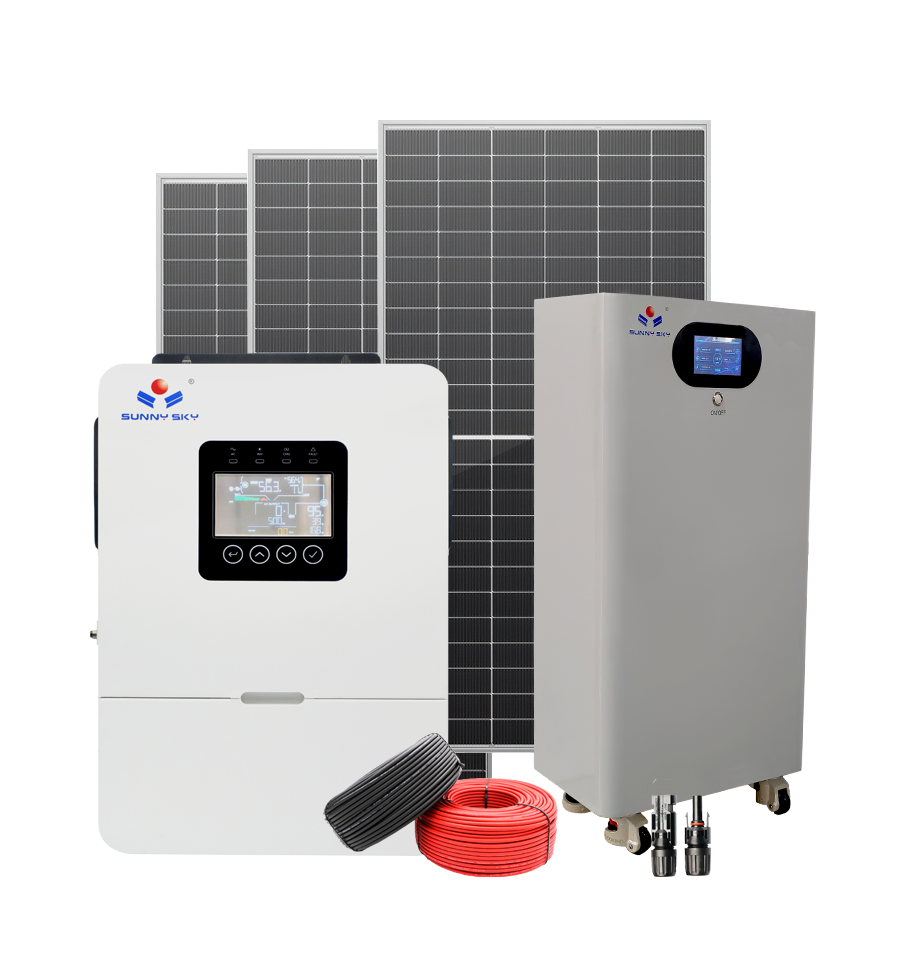
III. Current Status and Potential of the African Solar Energy Market
Having understood why solar energy is suitable for Africa, let's examine the current state and future potential of the African solar energy market. These data and case studies will help us understand the scale and impact of this energy revolution.
In terms of market size, the African solar market is on the verge of explosive growth. In 2023, Africa added approximately 5 gigawatts of photovoltaic (PV) capacity. While the absolute figure is not large, the growth rate has already exceeded 30%. More importantly, Africa has a huge pipeline of solar projects, with planned and under-construction PV projects totaling over 50 gigawatts of installed capacity. The International Energy Agency predicts that by 2030, Africa's PV capacity will increase more than tenfold, with annual new installations expected to reach 20 to 30 gigawatts. This means that in the coming years, Africa will become one of the world's fastest-growing solar markets.
In terms of regional distribution, East and West Africa are the fastest-growing regions. East African countries such as Kenya, Ethiopia, Uganda, and Tanzania have attracted significant photovoltaic investment due to their stable sunshine conditions and relatively favorable investment environments. South Africa, as Africa's most developed economy, boasts a mature electricity market and policy framework, making it Africa's largest photovoltaic market. North African countries such as Morocco, Egypt, and Algeria are also actively developing solar energy, while Gulf states like Saudi Arabia and the UAE have set ambitious solar energy development goals.
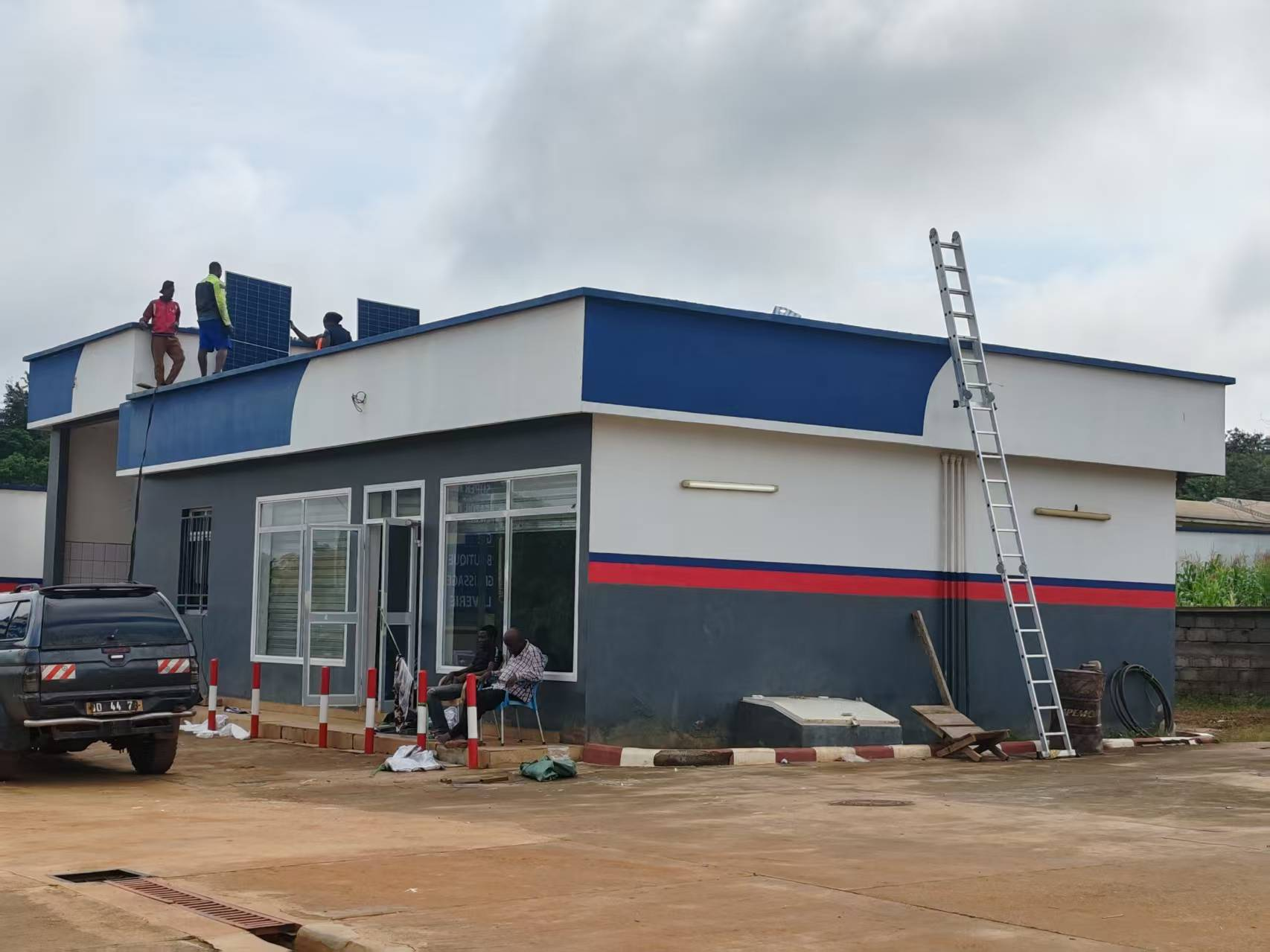
In terms of project type, the African solar energy market exhibits a diversified development pattern. Large-scale ground-mounted power plants are the mainstream form, dominated by international developers and financial institutions, characterized by large-scale investments and mature financing models. Industrial and commercial distributed photovoltaic (PV) systems are growing rapidly, with factories, shopping malls, hotels, and other commercial buildings beginning to install rooftop PV systems extensively to reduce electricity costs and address power shortages. Off-grid solar systems are the primary solution for addressing power problems in areas without electricity, and products such as micro-off-grid systems, residential solar kits, and solar water pumps are rapidly gaining popularity.
From the perspective of participants, Chinese companies have become a significant force in the African solar energy market. China accounts for over 80% of global photovoltaic manufacturing capacity, boasting leading technology and competitive pricing across the entire industry chain, from silicon materials and wafers to solar cells and modules. In the African photovoltaic market, Chinese companies are not only equipment suppliers but also project developers and investors. LONGi Green Energy, Jinko Solar, and Trina Solar, among other Chinese module manufacturers, are major suppliers in the African market; Huawei, Sungrow Power, and other inverter companies continue to expand their market share in Africa; and companies like GCL and LONGi have also participated in the investment and development of photovoltaic projects in Africa.
From a challenges perspective, the African solar energy market still faces numerous obstacles. Financing difficulties are the biggest challenge; low credit ratings in African countries and high project financing costs prevent many promising projects from being implemented. Weak grid infrastructure hinders the effective transmission and consumption of generated electricity, leading to curtailment in some countries. An unstable policy environment, with a lack of policy continuity in some countries and insufficient protection of foreign investment rights, further complicates transactions due to strict foreign exchange controls, RMB settlement issues, and exchange rate risks. In addition, imperfect electricity market mechanisms, tariff barriers, and corruption also constrain market development to some extent.
IV. How Solar Energy is Changing the Lives of People in Africa
Behind the massive data and projects are countless ordinary Africans whose lives have been transformed by solar energy. Solar energy has brought not only electricity, but also hope and opportunity.
In remote rural Kenya, solar energy is replacing kerosene lamps as the primary source of lighting. Kerosene lamps not only provide poor illumination but also pollute indoor air, causing numerous respiratory illnesses in children each year. Solar lights are clean, safe, and affordable, and their use is being actively promoted by the government and NGOs. A typical solar light kit, consisting of a small solar panel, an LED light, and a mobile phone battery, costs only $15 to $30, making it easily affordable for the average family. The widespread adoption of solar lights has not only improved the health and quality of life for people in Africa but has also created conditions for children to study at night.
In the desert regions of Niger, solar-powered water pumps are transforming the lives of herders. Traditionally, herders had to drive their cattle and sheep long distances to find water sources or spend considerable sums on fuel for pumping. Solar-powered pumps use photovoltaic power to drive the pumps, drawing clean groundwater whenever there is sunshine. Herders no longer need to make long treks, children can spend more time at school, and women are freed from the arduous task of fetching water. The initial investment in a solar-powered water pump can be recouped within a few years, with subsequent operating costs virtually zero.
In coastal Tanzania, solar-powered refrigeration systems are helping fishermen reduce losses. Coastal fishermen catch large quantities of fish daily, but without refrigeration, much of it spoils and rots before reaching the market. Solar-powered refrigeration units use photovoltaic power to drive refrigeration systems, allowing fishermen to preserve their catch on boats or ashore. Solar refrigeration not only reduces food waste but also enables fishermen to sell their fish in more distant markets, earning higher incomes. An investment of approximately $1,000 to $2,000 for a single solar-powered refrigeration unit can increase a fishing family's annual income by several hundred dollars.
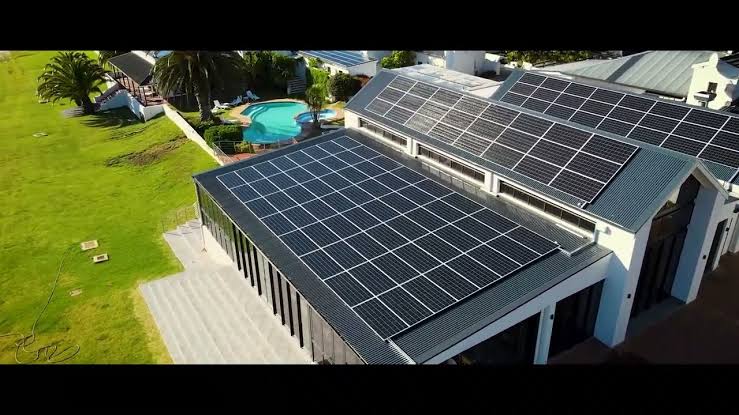
In urban areas of South Africa, residential rooftop solar power is helping residents cope with frequent power outages and rising electricity prices. South African power companies have long suffered losses, the power grid is severely aging, and power rationing is commonplace. Many residents and businesses have installed rooftop solar power systems with energy storage, generating electricity during the day using solar power and using batteries at night, completely independent of the grid. Installing a 5-kilowatt residential solar system requires an initial investment of approximately $5,000 to $8,000. While not cheap, the investment can be recouped within 5 to 7 years, after which it can save thousands of dollars in electricity bills annually. For urban residents with stable incomes, rooftop solar power is a worthwhile investment.
In industrial parks in Ethiopia, solar power is providing a stable power supply for manufacturing. Ethiopia suffers from severe power shortages, frequently disrupting production in industrial parks. The Addis Ababa Eastern Industrial Park has implemented a photovoltaic-plus-storage system, primarily using solar energy during the day and supplementing the nighttime power supply with battery storage and some grid power. This system not only ensures stable power supply for production but also significantly reduces electricity costs. More importantly, the stable power supply has attracted more businesses to the park, boosting local employment and economic development.
V. Opportunities and Prospects for China-Africa Solar Energy Cooperation
The rapid development of the African solar energy market has brought tremendous business opportunities to Chinese companies. Sino-African cooperation in solar energy extends beyond trade to encompass comprehensive cooperation in investment, construction, and operation.
From a trade perspective, Africa is a crucial export market for Chinese photovoltaic (PV) products. Solar panels, inverters, mounting systems, cables, and other equipment manufactured in China are entering the African market in large quantities. The main reasons African customers purchase Chinese products include: strong price competitiveness (Chinese PV products are 20% to 40% cheaper than similar products from Europe and the United States); reliable quality (the performance of products from leading Chinese companies has reached international advanced levels); and stable supply (China's complete PV industry chain ensures a stable supply). In 2023, China's exports of PV products to Africa exceeded several billion US dollars and continue to grow rapidly.
From an investment perspective, Chinese companies are increasingly involved in photovoltaic (PV) projects in Africa. Policy banks such as the Export-Import Bank of China and the China Development Bank, as well as central state-owned enterprises like China Power Construction Corporation and China Energy Engineering Corporation, are actively participating in the investment and financing of PV projects in Africa. Chinese PV developers such as GCL and LONGi are also investing in projects in Africa, reaping the benefits of development and operation. More importantly, Chinese companies bring not only capital but also technology and experience. The experience of Chinese PV companies in project construction, operation management, and cost control is helping African countries develop solar energy more rapidly.
From the perspective of industrial cooperation, Sino-African cooperation in the solar energy sector is deepening. Chinese companies are beginning to establish photovoltaic industrial bases in Africa, achieving localized production. This not only reduces product logistics costs but also creates local employment opportunities and cultivates technical talent. LONGi Green Energy has established a module factory in Cape Town, South Africa, while Jinko Solar has set up service centers in several African countries. These localized deployments are deepening and broadening Sino-African cooperation in the solar energy industry.
Looking to the future, the prospects for Sino-African solar energy cooperation are very broad. Africa possesses the world's richest solar energy resources and the largest demographic dividend, with enormous potential for energy demand growth. China boasts the world's most complete photovoltaic industry chain and the most advanced technology. China and Africa are highly complementary in the solar energy sector, with unlimited potential for cooperation. It is foreseeable that with the continued development of Africa's economy and the constant growth in energy demand, solar energy will occupy an increasingly important position in Africa's energy structure, and Chinese enterprises will play an irreplaceable role in this process.
Conclusion
Africa's 390-day power shortage is being gradually transformed by solar energy, a green energy source. From rural families in Kenya to urban residents in South Africa, from remote villages in East Africa to industrial parks in West Africa, solar energy is taking root and flourishing in every corner of the African continent, illuminating the lives of hundreds of millions of people.
The significance of this energy revolution extends far beyond electricity itself. Solar energy offers Africa the possibility of leapfrog development, allowing the continent to avoid repeating the old path of "pollute first, clean up later" and instead directly enter the era of clean energy. For the global photovoltaic industry, the rise of the African market means a new growth pole; for Chinese photovoltaic companies, the African continent means vast market opportunities; for billions of Africans, solar energy means light, hope, and a better future.
The 390-day power shortage will eventually become history, replaced by the boundless possibilities brought by solar energy. In this green revolution that is changing the fate of Africa, every Chinese-made photovoltaic module is bringing light and warmth to the continent. This is not only a commercial collaboration, but also a vivid example of the Chinese and African people working together to build a community with a shared future for mankind.
Please contact Simon immediately to discuss your project:
• WeChat: TY530643572
• Telephone: +86 137 1166 0041