In African villages, night once meant darkness. Sunnysky Solar brings the power of the sun into every home — children read by light, adults work by light, and hope no longer fades when the sun goes down.
Solar Power Africa: what buyers actually need to judge before they sign
Solar power Africa is no longer a niche phrase for conference brochures; it has become a practical buying question for factories, developers, property owners, and households that are tired of volatile electricity supply. The hard part is not believing in solar. Most decision-makers already do. The real issue is deciding which system fits the load, the roof, the land, and the budget without buying more complexity than the site can use.
That is why the market now splits into a few very different choices: rooftop solar PV for homes and businesses, ground-mounted arrays for larger sites, and power electronics such as inverters or controllers that quietly decide whether the system behaves well or becomes a maintenance headache. If you are comparing solar energy for homes with larger distributed solar projects, the difference is not just size. It is how the equipment is installed, how the power is managed, and how much service discipline the site can realistically support.
What the installed hardware tells you
The visible solar products in this category are straightforward, but they each solve a different part of the energy puzzle.
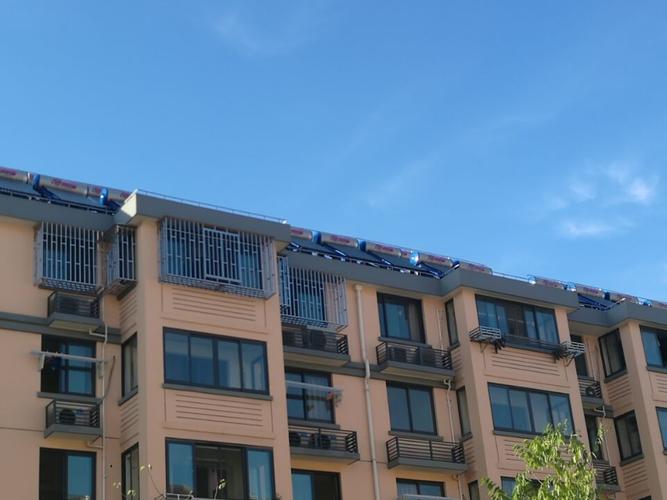
Rooftop solar panels for households typically use dark glass-faced modules mounted in tight rows on an angled roof. That angled layout matters because sun exposure is the whole point. In the field, you also want to see safe access, fall protection, and neat module alignment. Those are not cosmetic details. They usually indicate that the installer understands roof work and is not improvising.
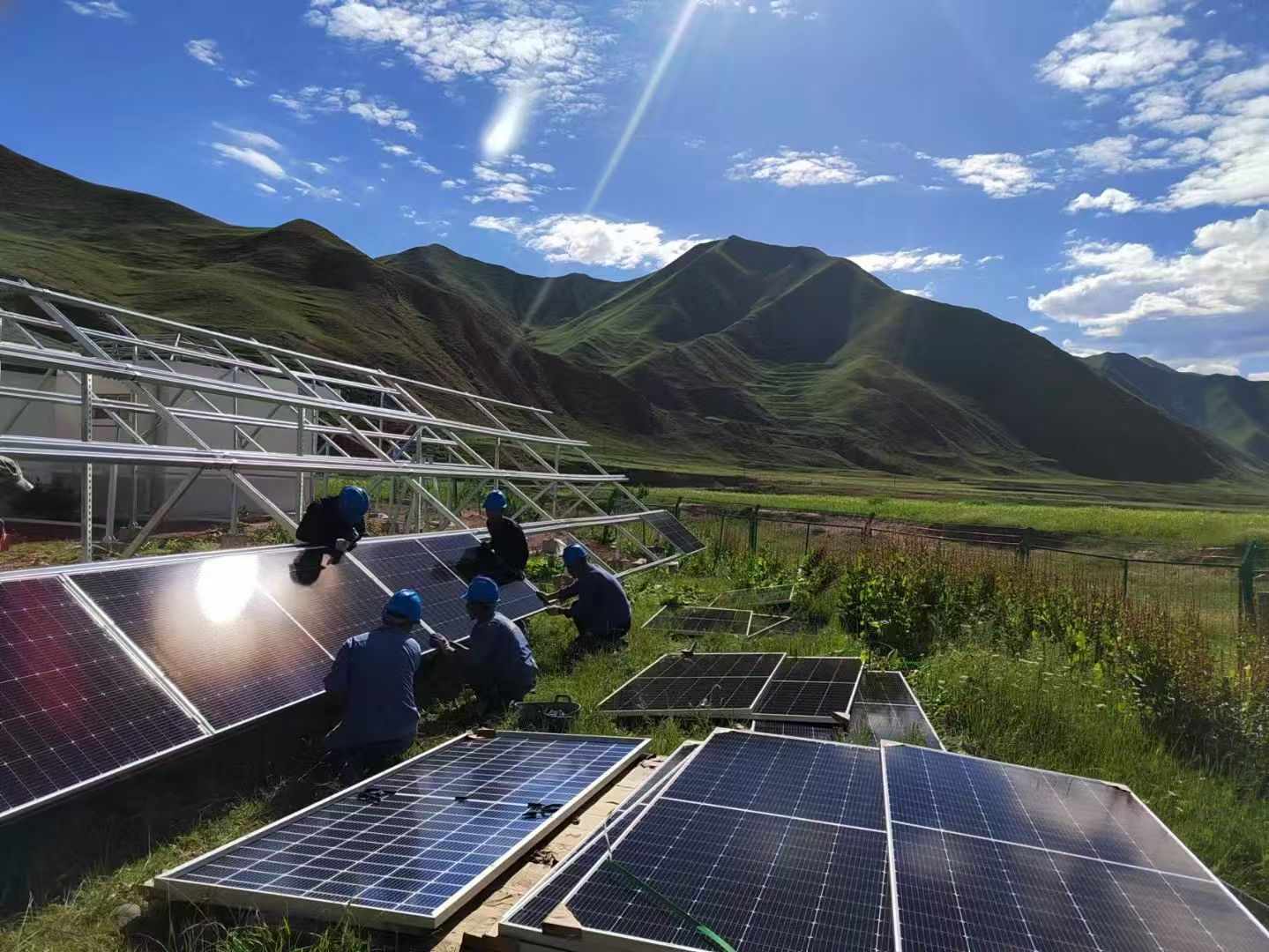
Ground-mounted solar arrays are a different animal. They are built on metal support structures with rails, cross-bracing, and long rows of modules. This format is often used where land is available and the project needs easier access for inspection, cleaning, or maintenance. In larger sites, you will often find electrical cabinets, combiner boxes, and cable routing nearby. That is a good sign, because a solar farm is not just panels in sunlight; it is also the wiring and protection gear that let the system work safely.
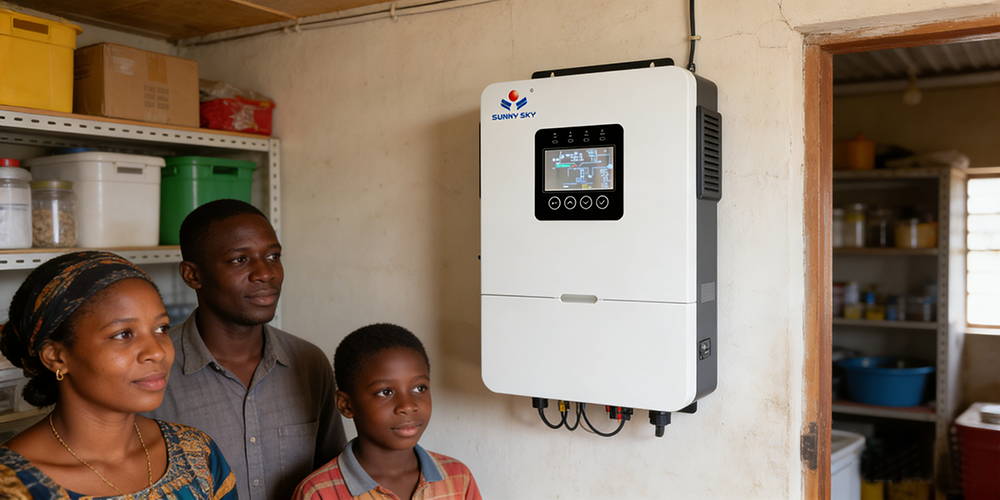
Then there is the inverter or energy control unit. The compact metal enclosure with a front display and side fans is the kind of device that turns solar from DC generation into usable AC power, or manages storage in hybrid systems. Buyers sometimes overlook this part and focus only on modules. That is a mistake. A well-built inverter can make a modest system feel dependable, while a poorly matched one can cause nuisance trips, heat issues, or awkward service work.
Choosing between rooftop and distributed solar
For many buyers, the question is not simply “solar or no solar,” but whether to go with residential solar systems, a small commercial rooftop installation, or distributed solar spread across multiple loads.
Rooftop systems make sense when the roof is sound, the load is local, and the user wants to reduce grid electricity use without buying land. They are common for solar home systems and smaller commercial properties.
Distributed solar becomes more attractive when energy demand is spread across several buildings, or when a site wants a mix of generation and storage instead of a single central plant. Off-grid solar Africa projects also live in this space, especially where grid access is weak or unstable. The design may include batteries, backup generation, or hybrid controls. That flexibility is useful, but it also creates more points of failure if the system is underspecified.
What to inspect before procurement
A buyer should look past glossy panel photos and ask a few unglamorous questions.
Is the mounting system suitable for the roof or ground conditions? Are the workers using proper safety gear? Is the electrical layout organized enough to support future maintenance? Does the inverter or controller have active cooling, and is there enough space around it for heat dissipation? These questions sound basic, but they separate a clean installation from one that will become expensive after the first service visit.
For homes, the practical goal is not maximum theoretical output. It is stable, usable power with manageable upkeep. For commercial and utility projects, the question shifts to serviceability, cable discipline, and how quickly the site can be inspected or expanded later.
Common buying mistakes
The most common mistake is treating all solar energy for homes products as interchangeable. A roof-mounted array, a battery inverter, and a large ground array may all be “solar,” but they are not bought or maintained the same way.
Another mistake is overvaluing panel count while ignoring the balance of system. Mounting, cooling, electrical integration, and access for maintenance often decide whether the installation performs smoothly over time.
A quieter mistake is assuming that a neat-looking system is automatically a complete one. Sometimes wiring, inverter placement, or protection equipment is hidden from the photo, and that is exactly where trouble can live. Buyers should ask for the full system architecture, not just the panel picture.
About SUNNYSKY Solar and the kind of supplier profile buyers may want
Guangzhou Tianyuan Solar Equipment CO.,LTD says its SUNNYSKY brand has independent R&D and patented technologies, with a presence in more than 50 countries. The company also emphasizes stability, performance, design, and continued investment in energy efficiency and reliability. It presents itself as a full solar solutions supplier and notes factory visits are welcome, with airport pickup available from Guangzhou Baiyun International Airport.
For sourcing teams, that combination usually signals a supplier that wants to be judged not only on product, but on engineering support and manufacturing discipline. That matters in solar, where after-sales service and product consistency can be as valuable as the first shipment.
FAQ: quick answers for buyers
Are solar home systems enough for every household?
Not always. They suit the load profile and budget, but larger appliances or unreliable grid conditions may require a hybrid approach.
What should I ask a supplier first?
Ask about system architecture, mounting method, inverter compatibility, maintenance access, and what is included versus what is optional.
If you are evaluating solar power Africa projects now, start with the load, the site, and the service plan. Then choose the hardware. That order saves a lot of expensive corrections later.