Foreword
"How exactly does life change after installing a solar power system?"
This is the question many people considering installing solar panels most want to know. What you find online are either promotional materials from manufacturers, saying things like "green and environmentally friendly" and "saving on electricity bills," which sound like advertisements; or a few complaint posts saying they regret not installing them sooner, which sound like jokes.
Having worked in the solar energy industry for so many years, I've heard all sorts of real user feedback. Some people have had it installed for three years and say the biggest change isn't lower electricity bills, but rather a "change in electricity usage habits"; others have had it for six months and say their mood is different every month when they see the electricity bill; still others come back after only three months asking how to dismantle it, saying they can't stand staring at the power generation every day, feeling anxious and uncertain. This article isn't meant to praise anything or create anxiety. I'll simply record the real changes that occur in daily life after installing a solar energy system. Some are positive, some may not be so wonderful, but they are all true.
I. Economic Considerations
Electricity prices have changed, but the changes vary from person to person. Let's start with the electricity price issue that everyone is most concerned about.
Installing a solar power system will definitely change your electricity bill, but the exact amount varies from person to person. The most typical user I've seen calculate their bill like this: before installation, their monthly electricity bill was 500 yuan. After installation, the first month's bill showed "Grid connection fee + 127 yuan." What does this mean? It means that they saved 373 yuan by using the electricity generated by the solar panels themselves, but 127 yuan went to selling electricity to the grid, resulting in a net expense of 373 yuan. It seems like they saved 127 yuan compared to 500 yuan, which is quite good.
But that's not all. Some users were even more bewildered when their first month's bill came out because they found their electricity usage habits had changed. They hadn't paid attention when electricity prices were low, but now, seeing the app displaying real-time power generation and consumption, they started consciously saving electricity—setting the air conditioner a few degrees lower, running the washing machine during the day, and setting a timer for the water heater. This behavioral change was actually more effective than the savings brought by the system itself.
Some people say that electricity bill changes are not significant. There are several reasons for this: the local electricity price may be relatively low, the proportion of electricity used for personal consumption may be low due to fewer people using the house during the day, or the system configuration itself may be insufficient. This situation does exist. A 5-kilowatt system in a place with average sunlight will generate about 5,000 to 6,000 kilowatt-hours per year. Assuming a 70% self-consumption rate, it will save about 2,500 to 3,000 yuan per year, which translates to about 200 to 250 yuan per month. If the local electricity price is only three or four cents per kilowatt-hour, this figure may be halved.
Therefore, the conclusion regarding changes in electricity prices is that most people will feel their electricity bills decrease, but the extent of the decrease depends on multiple factors such as local electricity prices, daytime electricity usage habits, and system configuration. Don't have unrealistic expectations of "zeroing out your electricity bill after installation," but don't expect too little either—in the long run, this money is real.
Second, I've gained another "hobby".
Monitoring the power generation on the app every day is a change many people didn't expect after installing solar panels.
Most modern solar power systems are connected to a mobile app, allowing users to see in real time how much electricity has been generated, used, and how much battery power remains. Many people who have installed them can't help but check the app several times a day.
This behavior might sound a bit silly, but anyone who's experienced it knows there's a strange sense of satisfaction in watching the numbers climb. On sunny days, watching the power generation curve rise steadily brightens your mood; on rainy days when the numbers don't go up, you feel inexplicably anxious. Some jokingly say it's a continuation of the "internet chicken farming" mentality—before, they stole vegetables at night; now they steal electricity during the day.
One user shared his daily routine with me: the first thing he does every morning isn't check his phone for messages, but rather open the app to see how much battery power was left last night and how much electricity it's expected to generate today. During the day at work, he refreshes the app frequently, and if he sees a record high in electricity generation, he takes a screenshot and posts it on social media. Some people say he's obsessed, but he says it's just his little pleasure.
Of course, some people have reported that this habit has brought them trouble. Seeing the numbers stagnate on cloudy days when power generation is low can cause anxiety; suddenly noticing an unusually low power generation on a particular day can lead to worries about a problem. These users later learned to "not check, or check less," which actually made them much more relaxed. So if you decide to install solar power, be prepared: you might become a "power generation enthusiast" who checks the app every day.
III. Lifestyle Habits
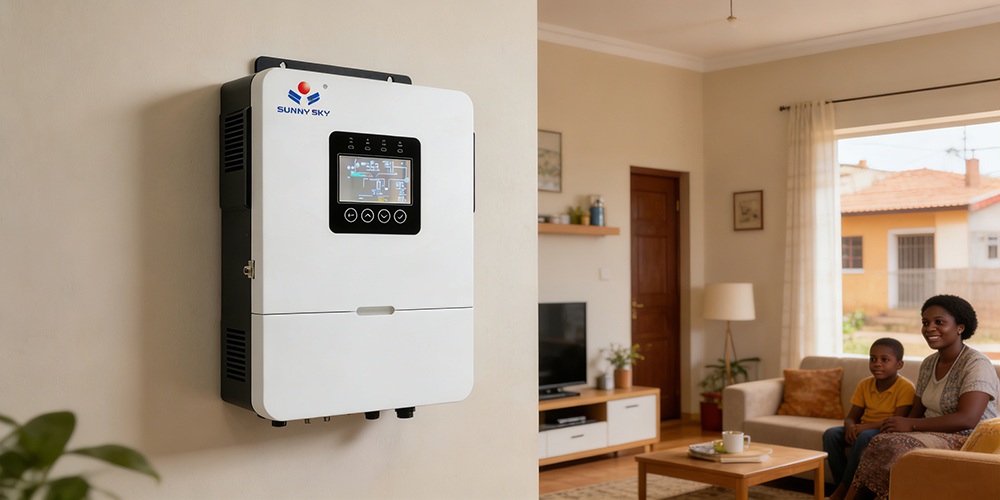
By redistributing time and becoming more sensitive to electrical appliances, using electricity becomes a conscious behavior after installing solar panels, rather than simply "plugging it in and using it".
The most obvious change is the shift in timing. Solar power generation is concentrated during the day, especially from 10 AM to 3 PM, which is the peak period. Previously, many people were not home during this time, so the generated electricity could not be used and had to be sold to the grid. But now, more and more people are adjusting their schedules, scheduling their major electricity users to run during the day. Washing machines, dryers, dishwashers, water heaters—appliances that were previously used at night—are now running during the day. When electricity was cheap, this wasn't noticeable, but now, seeing real-time data, it's clear that using electricity during the day is indeed more cost-effective.
Sometimes these adjustments are forced, and sometimes they are voluntary. Some people used to wash their clothes at night, but now they wash them during the day and don't feel any inconvenience. On the contrary, they feel that "every drop of water is used worthwhile." Some people changed the timer on their water heaters from nighttime to noon, thinking that since so much electricity is generated at noon, they might as well use it.
Another change is the increased sensitivity to the power consumption of appliances. After installing solar panels, many people have started paying attention to the power consumption of each appliance. How much does an air conditioner cost per kilowatt-hour? How much does a water heater use to keep warm for a day? How many kilowatt-hours does a refrigerator use in a month? These numbers, which were previously ignored, are now actively checked. After checking, it turns out that some appliances consume far more power than expected. For example, that old water heater used two kilowatt-hours to keep warm for a day; and that inverter air conditioner, despite being advertised as energy-saving, still used over 100 kilowatt-hours a month.
This sensitivity usually leads to two extremes: either people become more willing to use electricity—"It's generated by solar power anyway, might as well use it"; or they become more frugal—"This kilowatt-hour of electricity is real money." Neither mindset is right or wrong; both are genuine human reactions.
IV. The Unique Experience of Hybrid System Users
Power outages are no longer a threat – this is the biggest difference between hybrid systems and grid-connected systems, and it's also the most noticeable difference for users who have installed hybrid systems.
For users with grid-connected systems, a power outage is still a power outage. If the grid has a problem, there will still be no power at home, and the solar panels will not work. The experience is not fundamentally different from before; the only difference is the psychological feeling of "if only I had a battery."
For users with hybrid systems, the experience of a power outage is completely different. One user described his first power outage experience like this: The power suddenly went out in his neighborhood. He was cooking in the kitchen, thinking he was going to miss his meal. But less than a second later, the kitchen light came on, the refrigerator started humming, and the air conditioner continued running—the system had automatically switched to battery power. The whole process was completely seamless, as if there had never been a power outage at all.
This "seamless power outage" experience has subtly changed many users' attitudes towards the power grid. Previously, a power outage was a major incident; now it's simply a matter of "switching power sources." This is especially true for households with elderly people or young children—air conditioning can't be turned off, medicine in the refrigerator needs to be kept warm, and babies need to be fed—where a power outage used to cause chaos, now people are much calmer.
However, it's important to remember that battery capacity is limited. If there are consecutive rainy days and the battery is completely depleted, it will still affect power consumption. Therefore, hybrid system users are consciously paying attention to weather forecasts to determine in advance whether they need to conserve power. One user jokingly says they now check the weather forecast much more diligently than before, mainly to see if tomorrow's conditions are suitable for generating electricity.
V. Social Changes and After-Sales Challenges
We should also be aware of real troubles. After talking about so many good things, we should also talk about the less wonderful ones.
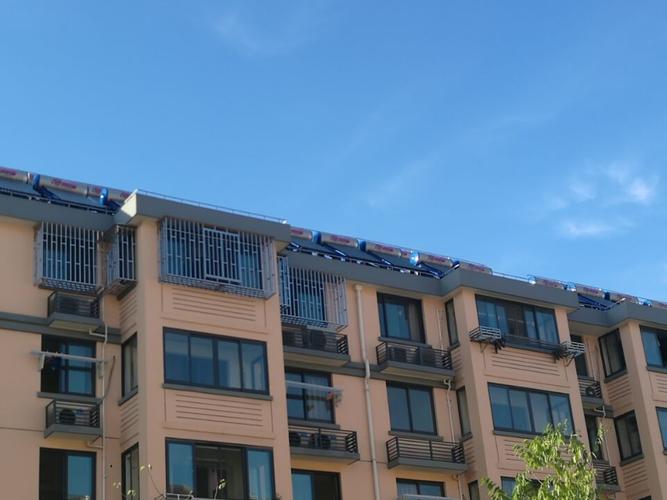
After installing a solar system, especially for those who have installed rooftop solar panels, the rows of solar panels on the roof are quite eye-catching. Relatives, friends, neighbors, and colleagues who come to visit often ask a variety of questions. Common questions include: "How much electricity does this generate in a day?" "How much money can it save in a year?" "How much did the installation cost?" "Will it get struck by lightning?" The range of questions is endless. Some users patiently answer each one, sharing their experiences. Others, after having installed it for a while, have become immune to these questions and give concise answers.
What's even more interesting is that some neighbors, after seeing the installations, started inquiring about market prices, checking quotes, and comparing different plans. As more people in a community install solar power, a "solar energy atmosphere" develops, with residents exchanging power generation data and sharing their experiences. One user said that neighbors used to talk about housing prices, stocks, and children's schooling, but now there's a new topic—how many kilowatt-hours of electricity did your household generate today? This word-of-mouth marketing among neighbors is sometimes more effective than advertising.
Another real issue is after-sales service. While solar systems are relatively reliable, they are still mechanical devices and are prone to malfunctions. Inverter errors, component failures, and sudden drops in power generation are not uncommon in practical use. The experience after encountering problems varies from manufacturer to manufacturer. Some brands offer quick and excellent after-sales service, leaving users feeling relieved and happy; others struggle with their after-sales support, taking up to two weeks to resolve issues, during which time anxiety and frustration are real.
Therefore, I always recommend placing greater emphasis on after-sales service when choosing solar energy products and installers. The small initial price difference may outweigh the time and effort required for after-sales support later on. Good after-sales service involves more than just speed in resolving issues; it also includes effective communication, transparency, and proactive preventative measures.
Conclusion
These are roughly the changes in life after installing a solar energy system.
Electricity bills will be slightly lower, but perhaps not as much as rumored; you'll develop a new hobby: checking power generation on the app; electricity usage habits will change, with a greater focus on daytime power consumption; hybrid system users will gain a new sense of security—power outages will no longer be a threat; neighbors will come to visit, and you might become a solar energy promoter; your understanding of environmental protection will become more concrete; and you might also encounter after-sales troubles.
These changes include both positive and negative aspects. They are all real.
If you're considering installing this, I hope this real feedback helps you make more realistic expectations. What happens after installation depends on many factors—system configuration, local sunlight, electricity usage habits, product quality, and after-sales service. But one thing is certain: after installation, you'll have a "solar friend" in your life.
Please contact Simon immediately to discuss your project:
• WeChat: TY530643572
• Telephone: +86 137 1166 0041