Foreword
In the solar energy product market, a phenomenon that puzzles many buyers and distributors is this: for the same 10 kilowatt solar system, some suppliers quote 50,000 yuan, while others quote 80,000 yuan or even 100,000 yuan. With the same power parameters, why is there such a huge price difference? Is the cheaper supplier cutting corners? Is the more expensive supplier ripping off customers?
This price difference puts buyers in a dilemma: choosing a cheaper option raises concerns about quality, while choosing an expensive one risks being ripped off. Some people simply rely on intuition and choose the middle price range, feeling that the most expensive and cheapest options are unreliable. However, the price differences in solar energy products have complex causes, and simply judging them as "expensive = good" or "cheap = rip-off" is inaccurate.
As a sales professional with many years of experience in the solar energy industry, I encounter customers asking about price differences every day. This article aims to systematically explain why products with the same power output can have such significant price differences, starting with the cost structure of solar products, to help buyers make more informed purchasing decisions.
This article will cover several aspects: first, it analyzes the main components of solar product costs; then, it explains the reasons for price differences in core components such as solar panels, inverters, and energy storage batteries; next, it analyzes the impact of factors such as brand premium, certification differences, and payment methods; and finally, it provides purchasing advice. After reading this article, you will be able to understand the underlying logic of solar product price differences and be more informed when inquiring about prices and negotiating.
I. Cost Structure of Solar Energy Products
To understand why solar energy products vary so much in price, we first need to understand the main cost components of the system. A solar energy system is not a single product, but a combination of equipment, mainly including solar panels, inverters, energy storage batteries, support systems, cabling and electrical equipment, and installation services. Each component has a different cost structure, and the reasons for price differences vary accordingly.
Solar panels constitute the largest portion of the system's cost, typically accounting for 40% to 50% of the total cost. For example, in a 10-kilowatt system, the cost of solar panels ranges from approximately 20,000 to 40,000 yuan. This significant cost difference stems primarily from three factors: cell grade, module brand, and manufacturing process. The price difference between different grades of cells can exceed 30%; there is usually a 20% to 40% brand premium between top-tier brands and ordinary brands; special processes such as bifacial power generation and double-glass encapsulation also increase costs. Solar panels are the core component affecting the system's power generation and lifespan, and this cost difference is the primary reason for the overall price variation.
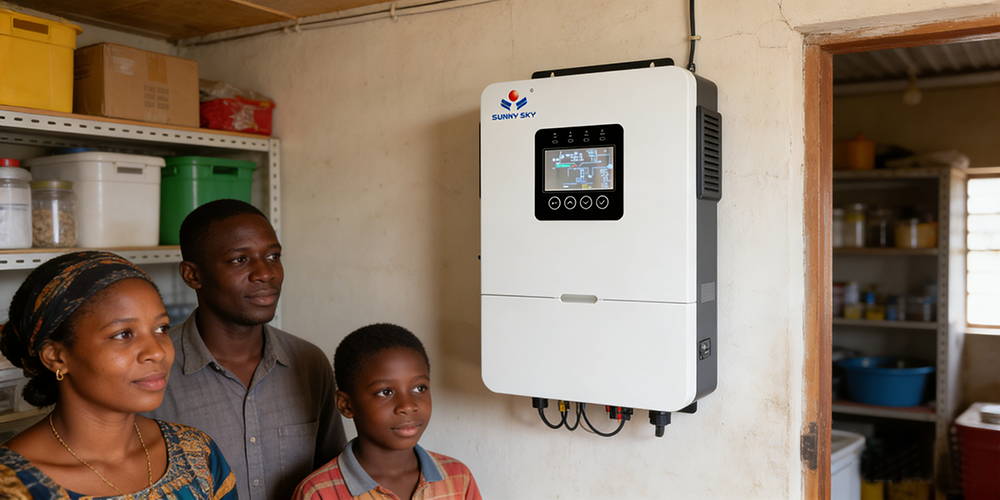
Inverters account for approximately 15% to 25% of the cost, second only to solar panels. A 10 kW hybrid inverter can range in price from 3,000 to 12,000 yuan, a difference of three to four times. The price difference mainly stems from factors such as brand, efficiency, functionality, and stability. Leading brands like Huawei, Sungrow, and GoodWe offer higher-priced products, but their efficiency is typically above 98%, with low failure rates and excellent after-sales service. Smaller brands or OEM products are cheaper, but may differ in detailed parameters, feature richness, and long-term reliability. The inverter is the heart of the system; its quality directly affects the system's stable operation, and this part of the cost should not be skimped on.
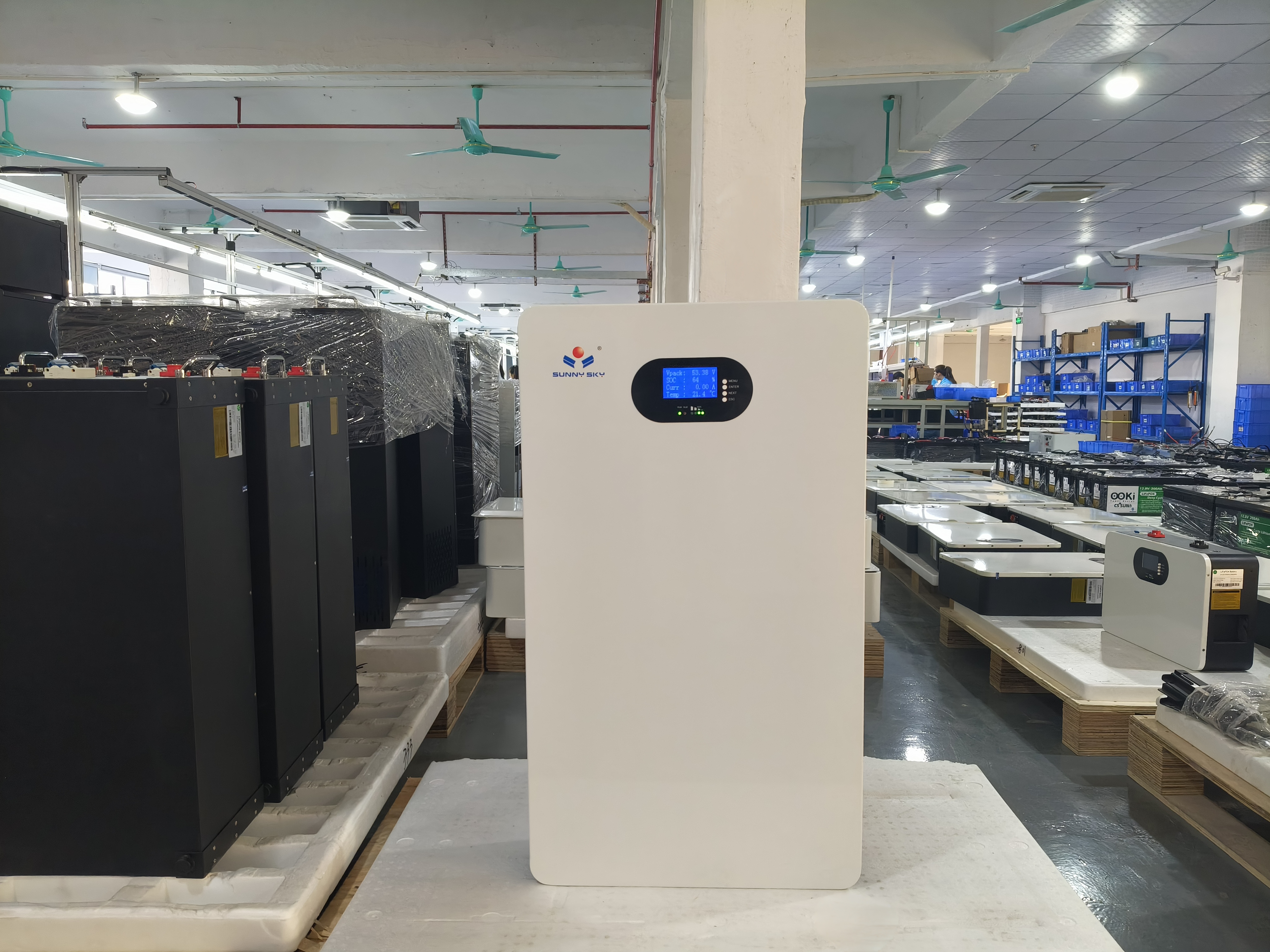
Energy storage batteries have been the fastest-growing product category in recent years, and also the component with the largest price differences. Taking a 10 kWh lithium iron phosphate battery as an example, the price ranges from 8,000 yuan to 20,000 yuan, a difference of more than double. The price difference mainly depends on the brand and quality of the battery cells, the functionality of the battery management system, and cycle life. First-tier brands like CATL and BYD have higher-priced cells, but their cycle life can reach over 6,000 cycles, and their safety performance is more guaranteed. Smaller brands have lower-priced cells, but their cycle life may only be two or three thousand cycles, and they also pose certain safety risks.
While brackets and electrical components don't represent a large percentage of the total cost, they still constitute a significant portion of the overall cost. The price of brackets varies considerably depending on the material, thickness, and corrosion protection methods used. For example, aluminum alloy brackets can cost more than double the price of hot-dip galvanized steel brackets. Similar situations exist with cables, switches, and combiner boxes, where there are price differences between copper and aluminum core wires, as well as between domestic and imported brands. Although individual items in these cost categories may be small, the cumulative effect is substantial.
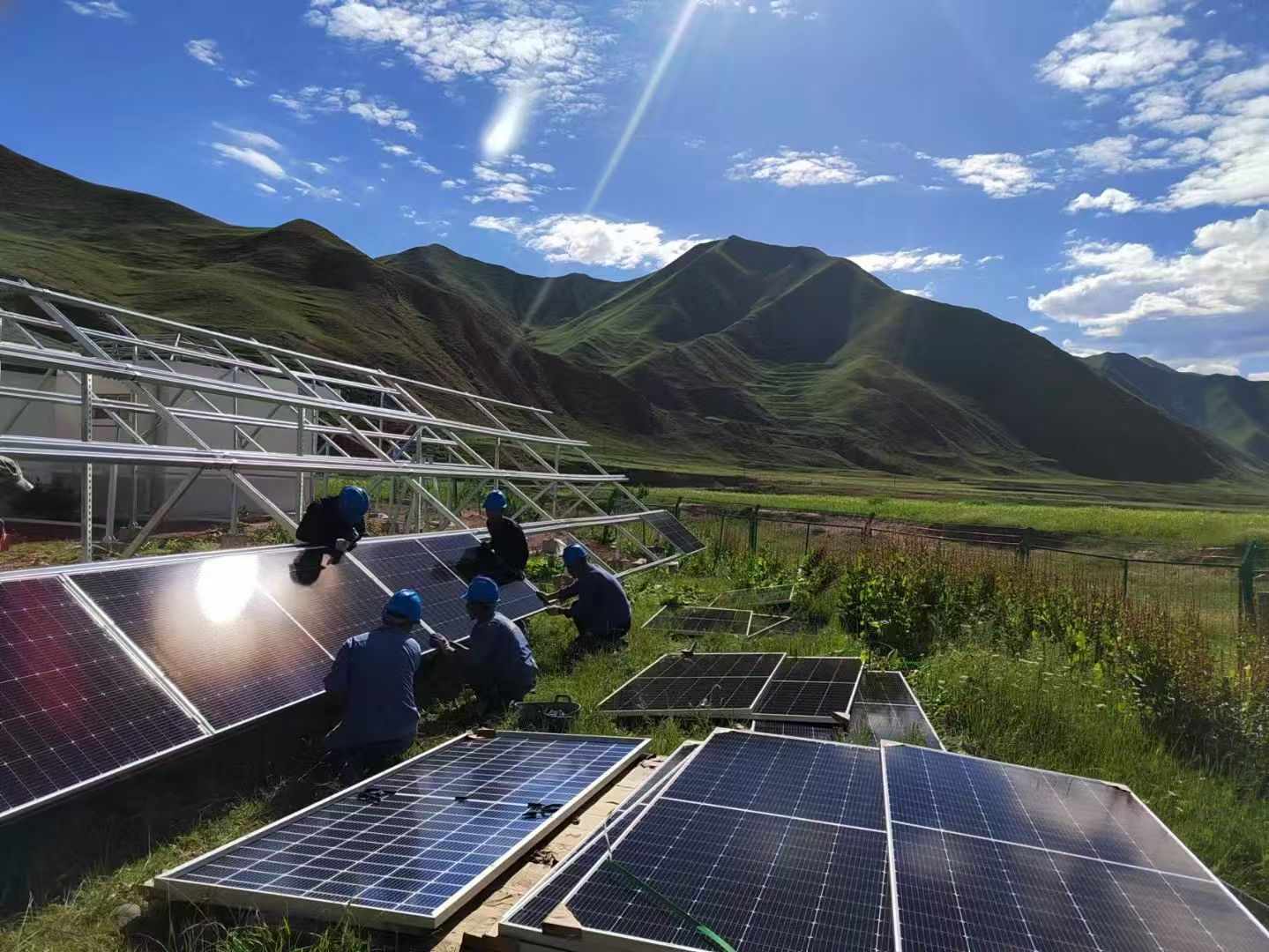
Installation services are a cost that is easily overlooked by buyers but is extremely important. Installing a solar system requires professional electricians and PV installers, and labor costs are not low. Reputable installers will include installation fees in their quotes, while some small workshops or "freelance" contractors may offer very low prices, but the installation quality is not guaranteed, and you won't be able to find anyone to take responsibility if problems arise later. Installation quality directly affects the system's safety and power generation; this part of the cost should not be skimped on.
Understanding these cost components reveals that price differences in solar energy systems are not the result of arbitrary pricing by a single manufacturer, but rather the cumulative effect of cost differences in various components. With this understanding, examining the price differences of specific components becomes much clearer, allowing us to see where the money is going.
II. Solar Panels
For the same power output, why is there such a large price difference? Solar panels are the component with the largest cost component in the system.
Solar cells are the primary factor determining the price of solar panels. The core of a solar panel is the solar cell, which is classified into several grades—A, B, C, and D—based on standards such as conversion efficiency, defect rate, and appearance. Grade A cells are the best, free from defects such as chipped edges, missing corners, and microcracks, offering high conversion efficiency and good consistency. Grade B and C cells may have various flaws and are priced 10% to 30% lower than Grade A cells. Solar panels made with Grade B or C cells may not show a significant difference in initial power generation, but their degradation will accelerate significantly after two to three years, and their lifespan will be shortened. Reputable manufacturers typically use Grade A cells, while the sourcing of some lower-priced products is difficult to guarantee. When purchasing, suppliers should be required to clearly specify the grade of the solar cells, and this should be stated in the contract.
Brand differentiation is the second important reason for price differences. Solar panels from top-tier brands like LONGi, Jinko, Trina Solar, and JA Solar are typically 15% to 30% more expensive than those from second- or third-tier brands. This brand premium stems from several factors: First, top-tier brands have more stable cell quality and manufacturing processes, resulting in better product consistency and smaller batch-to-batch variations; second, top-tier brands have strong R&D capabilities, enabling rapid product iteration and the provision of new, more efficient products; and third, top-tier brands offer more reliable warranties, with 25-year power guarantees usually provided by large manufacturers, while warranties from smaller brands may be merely empty promises. For traders and distributors, brand is a crucial factor in securing product premiums; choosing well-known brands makes it easier to gain customer trust during sales.
Module manufacturing processes and special configurations also affect prices. Bifacial solar panels are 10% to 20% more expensive than monofacial panels because they generate electricity from both sides, resulting in higher output. Double-glass modules are more expensive than ordinary glass backsheet modules, but they have a longer lifespan and are more corrosion-resistant. N-type cells, such as TOPCon and HJT, are more efficient than traditional P-type PERC cells, and are correspondingly more expensive. These special processes and configurations increase costs but also provide better power generation performance, allowing buyers to choose according to their needs.
Size and weight also affect price. For the same power output, solar panels using larger cells or higher power density designs require less material and may cost less. However, this isn't absolute, as larger modules demand more sophisticated manufacturing processes and require greater equipment investment. Therefore, it's not accurate to say that larger panels are cheaper or smaller panels are more expensive; each product must be analyzed individually.
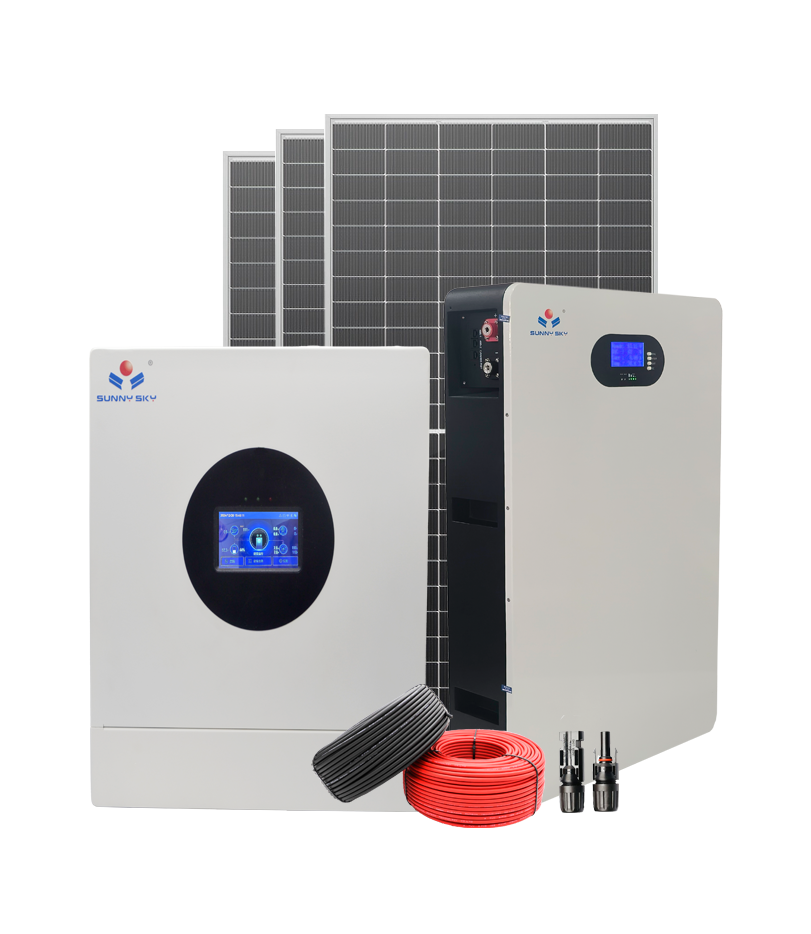
III. Inverter
A 1% difference in conversion efficiency can result in a price difference of several thousand yuan. Inverters are the core control equipment of a solar system, responsible for converting the direct current (DC) generated by solar panels into alternating current (AC). The price difference between inverters can be even more dramatic than that between solar panels—for example, a 10-kilowatt hybrid inverter can range in price from 3,000 yuan to 12,000 yuan, a difference of three to four times.
Brand is the primary factor in inverter price differences. Leading brands such as Huawei, Sungrow, GoodWe, Growatt, and Ginlong offer higher-priced products with greater market recognition. These brands invest heavily in R&D, resulting in rapid product iteration and a technological lead of one to two generations over competitors. Huawei's string inverters and Sungrow's industrial, commercial, and large-scale power plant products have significant global market share. Leading brands typically have more comprehensive sales channels and after-sales service networks, making sales easier for distributors. Smaller brands or OEM products are cheaper, but lack brand recognition, potentially leading to less customer acceptance and greater sales challenges.
Conversion efficiency is a core indicator of inverter performance and a significant factor influencing price. High-end inverters can achieve conversion efficiencies of 98.5% or even 99%, while some low-end products may only reach 96% to 97%. This 2% efficiency difference may seem small, but its actual impact is substantial. A 10-kilowatt system generates approximately 12,000 kilowatt-hours of electricity annually. A 98% efficiency system generates about 240 more kilowatt-hours per year than a 96% efficiency system, accumulating to about 6,000 more kilowatt-hours over 25 years, equivalent to approximately 3,600 yuan in electricity costs. This difference in benefit may only manifest as a few hundred yuan in price difference at the time of purchase, but it is worthwhile in the long run.
Functional configuration is another factor influencing price. Hybrid inverters need to have multiple functions, including grid-connected, off-grid, and energy storage, and different products vary in the degree to which these functions are implemented. High-end products have more MPPT channels, higher tracking accuracy, and support for higher current inputs; their energy storage management functions are more intelligent and compatible with multiple battery brands; and their communication functions are richer, supporting multiple connection methods such as WiFi, 4G, and Bluetooth, as well as remote monitoring and firmware upgrades. These functional differences will be reflected in the product's pricing.
Power margin design also affects price and user experience. Inverters rated at 10 kW may have different overload capacities; some can briefly overload to 12 kW or even 15 kW, while others can only operate below 10 kW. Inverters with strong overload capacity can generate more power during periods of weak morning sunlight or insufficient evening sunlight. If the solar panels are large enough to exceed the inverter's rated power, an inverter with overload capacity can fully utilize the solar panels' power generation capacity, avoiding waste.
Reliability and lifespan are the underlying reasons for price differences. Inverters from top-tier brands are typically designed for a lifespan of 15 to 25 years, using higher-quality components, undergoing stricter quality control, and offering more comprehensive protection features. Lower-priced products may use cheaper capacitors, fans, sensors, and other components, whose lifespan and reliability are inferior to high-end components. Inverters are among the most prone to failure in a system; choosing a highly reliable product reduces after-sales problems and ultimately saves money in the long run.
One point needs special clarification: many performance differences between inverters are imperceptible to the average user in the short term. For example, a 1% to 2% difference in efficiency is almost imperceptible in daily use; the overload capacity is only noticeable in moderate sunlight; and the richness of communication functions is not very useful for users who do not require remote management. This is why some users feel that low-priced inverters are "usable"—not that these products are unusable, but that their performance under extreme conditions or after long-term use may not be as good as high-end products.
IV. Energy Storage Batteries
Cell brand and system solution determine price. Energy storage batteries are another core component in solar systems with significant price differences. For example, a 10 kWh lithium iron phosphate battery can range in price from 8,000 yuan to 20,000 yuan, a difference of more than double. What accounts for this price gap?
Cell brand is the primary factor influencing price. The core of an energy storage battery is the cell, which accounts for 60% to 70% of the total battery cost. Cells from leading brands like CATL, BYD, EVE Energy, and Zhongchuang Innovation are 20% to 40% more expensive than those from second- or third-tier brands. The advantages of these leading brand cells lie in their higher energy density, better consistency, longer cycle life, and more reliable safety performance. CATL's lithium iron phosphate cells can achieve a cycle life of over 6,000 cycles, while some low-end cells may only reach two or three thousand. This means that for the same capacity battery, products from leading brands can be used for a longer period, resulting in lower annual operating costs.
The functionality of the Battery Management System (BMS) also affects the price. The BMS monitors the battery's voltage, temperature, and status, protecting it from damage caused by overcharging, over-discharging, and overcurrent. High-end BMSs offer richer functionality, enabling more precise equalization management, more accurate SOC calculation, and more comprehensive protection mechanisms. The quality of the BMS directly impacts battery safety—industry statistics show that most safety incidents involving energy storage batteries are related to BMS functional defects. Choosing battery products with reliable BMSs is a responsible decision for the safety of yourself and your customers.
Battery voltage rating and capacity specifications also affect price. For the same capacity, high-voltage batteries cost more than low-voltage batteries because they require more precise cell assembly and superior insulation design. However, high-voltage batteries are more efficient, draw less current, and have lower cable costs, so the overall cost may not be higher in high-power applications. Buyers should choose the appropriate voltage rating based on their application scenario, rather than simply comparing prices.
Brand premium is also evident in the energy storage battery sector. Products from well-known home energy storage brands such as Tesla Powerwall, LG Resu, and BYD are priced 50% or more higher than generic or OEM products. This brand premium stems from several factors: firstly, the trust associated with the brand, as reputable brands offer greater assurance of quality and safety; secondly, the completeness of the software ecosystem, with branded products typically accompanied by apps and cloud services, resulting in a better user experience; and thirdly, the reliability of after-sales service, as major brands have more comprehensive after-sales service networks. Traders need to find a balance between brand premium and profit margin when selecting products.
There are also some low-priced batteries that warrant caution. One type uses recycled batteries—disassembled and reassembled power batteries for energy storage. These batteries are very cheap, but their remaining lifespan and condition are difficult to assess accurately, posing certain safety risks. Another type is products with falsely advertised capacity—labeled as 10 kWh, but the actual usable capacity may only be 7 to 8 kWh. These products may work initially, but their insufficient capacity will quickly become apparent. Energy storage batteries from legitimate channels should have a complete product traceability system, allowing users to check the cell origin, production date, test reports, and other information.
Conclusion
The reasons for the price differences in solar energy products are multifaceted and cannot be simply summarized as "expensive = good" or "cheap = rip-off".
From a cost perspective, the price differences in solar energy systems mainly stem from variations in the brand, quality, and functionality of core components such as solar panels, inverters, and energy storage batteries. Factors such as different grades of solar cells, brand premiums, conversion efficiency, and cycle life all contribute to significant cost differences. These differences may not be immediately apparent, but in the long run, they impact the system's power generation, lifespan, and user experience.
From a purchasing decision-making perspective, choosing solar energy products shouldn't be based solely on price; the value behind the price must also be considered. For systems with the same power output, a more expensive one may offer advantages in power generation efficiency, reliability, and after-sales service; a cheaper one might sacrifice certain performance metrics or reduce certain features. The key is to clearly understand your own needs and choose the product that best suits your cost-performance ratio.
For traders and distributors, several factors need to be considered when selecting products: the certification requirements of the target market, the price sensitivity of the target customers, the brand's premium pricing power, the cost of after-sales service, and the stability and cooperation of the supplier. Choosing the right product can make sales much easier; choosing the wrong product can lead to a lot of effort and costs in dealing with after-sales issues and customer complaints.
Finally, here are a few suggestions for traders and distributors: Don't just chase the lowest price; be wary of products priced significantly below market value. Require suppliers to provide complete product specifications and certifications, and conduct random checks or third-party testing if necessary. Prioritize suppliers with independent R&D capabilities and complete production lines, as these suppliers are more stable and their products are updated and iterated more quickly. Establish long-term partnerships with suppliers and obtain better prices and payment terms through bulk purchasing.
Hopefully, this article will help you understand the logic behind the price differences in solar energy products and make a more informed choice when purchasing.
Please contact Simon immediately to discuss your project:
• WeChat: TY530643572
• Telephone: +86 137 1166 0041