Why buyers keep comparing solar power with conventional electricity
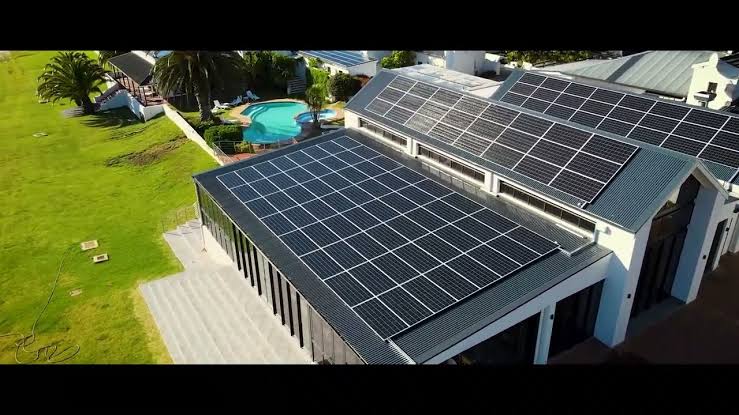
The Benefits of Using a Solar Power System are usually discussed as a clean-energy story, but for engineers and sourcing teams the real question is more practical: what changes in operating cost, resilience, and system architecture when you move away from grid-only power? In many projects, that comparison is not about ideology at all. It is about whether a site can reduce electricity bills, keep essential loads running during outages, and use rooftop space or idle land to generate energy on site.
That is why solar projects are now judged against a wider set of trade-offs. A utility connection may still be the simplest option in a stable grid area, but solar energy benefits become harder to ignore when power interruptions, tariff pressure, or remote deployment are part of the picture. For a home, that may mean lights, fans, and basic appliances. For a small business, it may mean less downtime and more predictable energy planning.
Solar power versus grid-only power: what the comparison really looks like
The most obvious difference is cost structure. Grid electricity is familiar, but monthly bills can be volatile and difficult to control. A solar power system shifts part of that demand into self-generation. Over time, that can support renewable energy savings, especially where daytime usage aligns with solar production or where battery storage is used to carry surplus power into the evening.
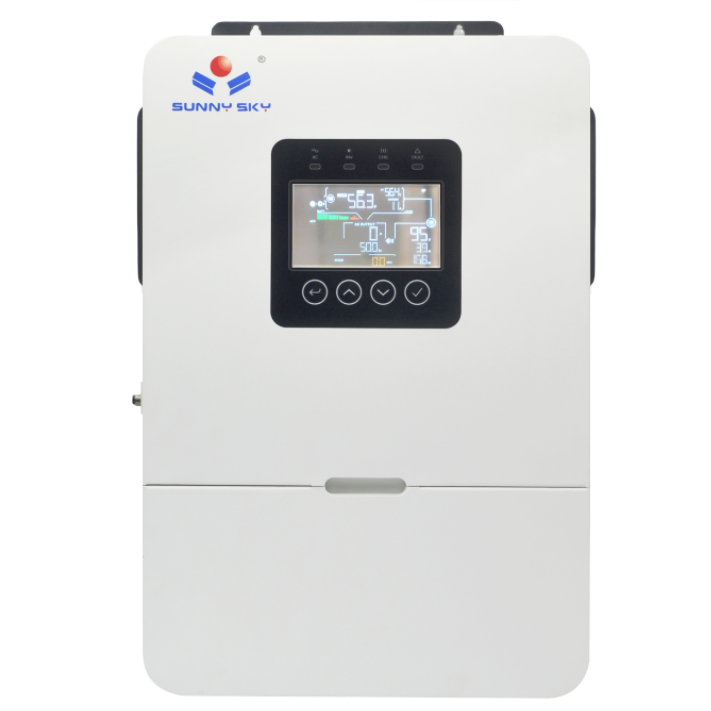
The second difference is resilience. A grid-only setup depends entirely on external supply. A solar-plus-storage configuration introduces another layer, and that matters in places where outages are frequent or where standby generators are expensive to run. This is where hybrid inverter-charger systems have become especially relevant. The visible SUNNY SKY wall-mounted unit, for example, is the kind of cabinet-format inverter commonly used in home or small commercial backup setups. It has an LCD display, physical control buttons, vented side sections, and bottom cable exits, all of which suggest a practical power-conversion appliance designed for ongoing use rather than a throwaway accessory.
What a hybrid solar inverter adds to the picture
A plain solar array can generate power, but it cannot manage all the moving parts of a modern system by itself. A hybrid solar inverter is often the decision point between a simple panel installation and a coordinated energy system. In general terms, it converts DC power from panels and batteries into AC for appliances, while also helping manage charging and power flow between solar, storage, and sometimes the grid or generator source.
That distinction matters. A buyer comparing product types is not just comparing boxes; they are comparing how much control the system gives over load timing, storage use, and backup availability. For residential customers, that can mean reducing electricity bills during peak hours. For small sites, it can mean fewer interruptions and better use of stored energy when the sun is not available.
The wall-mounted form factor is also worth noting. A compact cabinet can be easier to place in a utility room or protected indoor area than a floor-standing unit. The trade-off, of course, is that ventilation and service access need to be planned properly. The side vents on this type of enclosure are not decorative. They are there for heat management, and that should never be ignored during installation.
Quick comparison: solar power system advantages against common alternatives
Solar plus storage
Best when the buyer wants energy control, backup capability, and cleaner operating costs over time. It is especially useful for off-grid or unreliable-grid sites.
Grid-only supply
Best when electricity is stable and the site has little need for backup. Lowest complexity upfront, but no self-generation and no protection from tariff swings.
Diesel generator backup
Best as a standby asset where long outages are expected. It provides power, but fuel logistics, noise, and maintenance make it a different proposition from clean energy solutions.
What matters when selecting a solar kit or inverter system
Not every project needs the same architecture. The TY-5K~30KW-L off-grid solar energy system package illustrates that point well. It is described with multiple panel-count options, lithium battery storage from 51.2V 100Ah to 600Ah, and MPPT solar controller and inverter machine options at 48V 3KW, 6KW, or 12KW. That range suggests a modular approach rather than a single fixed-size package.
For buyers, the important decision is not whether solar is “good,” but whether the proposed system matches the load profile. Lights and phones are one thing. TVs, fans, and mixed household appliances are another. A small business with refrigeration or intermittent motor loads adds a further layer of complexity. The inverter, battery bank, PV cable sizing, and mounting structure all need to fit the intended duty.
There is also a manufacturing angle here. Products like the SUNNY SKY inverter are not just electrical parts; they are assemblies of sheet-metal enclosure work, electronic control boards, display modules, and cooling features. That affects durability, serviceability, and thermal behavior. Buyers often focus only on power rating, but enclosure design and access to controls matter more than people think once the unit is in a real mechanical room.
Common mistakes buyers make
The biggest mistake is assuming every solar power system is interchangeable. A second mistake is focusing only on panel wattage while ignoring battery capacity and inverter coordination. Another common issue is underestimating installation hardware: aluminum alloy mounting systems, PV cables, battery leads, terminal connectors, and breakers are not minor extras. They are part of whether the system works safely.
A practical warning: if a supplier does not clearly explain how the system handles charging, backup, and load switching, keep asking. Hybrid systems are useful precisely because they manage complexity. If that control logic is vague in the proposal, the project usually becomes messy later.
Practical buyer advice before you shortlist suppliers
Ask for the full system architecture, not just the brochure headline. Confirm what is included, what is optional, and what is still undefined. For example, if a vendor presents a packaged solar kit, check whether it is a truly prewired system or a bundle of separate components. That difference affects installation time and commissioning risk.
It also helps to look at the supplier’s manufacturing footprint and support model. Guangzhou Tianyuan Solar Equipment CO., LTD says it has independent R&D, patented technologies, and exports to more than 50 countries. The company also notes factory visits near Guangzhou Baiyun International Airport and offers airport pickup. For international buyers, that kind of access can be useful, because product comparison is easier when you can inspect the enclosure, display interface, and assembly quality in person.
FAQ: a few questions buyers ask late in the process
Is solar mainly about savings?
Savings matter, but the cleaner answer is that solar power system advantages include cost control, backup capability, and lower dependence on external supply.
Do hybrid inverters always need batteries?
Not always in every architecture, but storage is usually central when the goal is backup or time-shifting energy use.
Is off-grid solar only for remote sites?
No. It is also used where grid reliability is poor or where energy independence is a priority.
Where this leaves the decision
If your project is judged only on upfront price, grid power may look simpler. If it is judged on operating stability, renewable energy savings, and the ability to keep essential loads powered, the case for solar becomes much stronger. The next step is usually not a generic quote request. It is a load review, a system sizing conversation, and a careful look at the inverter-charger, battery, and mounting package as one integrated decision.