Foreword
Many people are completely confused when they first come into contact with solar energy products.
Salespeople constantly spout "MPPT," "conversion efficiency," and "cost per kilowatt-hour," leaving listeners bewildered. Articles found online are either overly technical and full of jargon, or too simplistic and full of fluff. Finding a truly understandable introductory guide is harder than installing a system.
This article aims to solve this problem. I will explain home solar power systems in the simplest and most understandable language. Whether you are a complete novice or have some knowledge but lack a systematic understanding, after reading this article you will have a complete understanding of solar power systems.
It's a bit long, but I guarantee it's the most accessible and easy-to-understand primer on the entire internet. I don't intend to go into any complicated theories; I'll just tell you the most practical things.
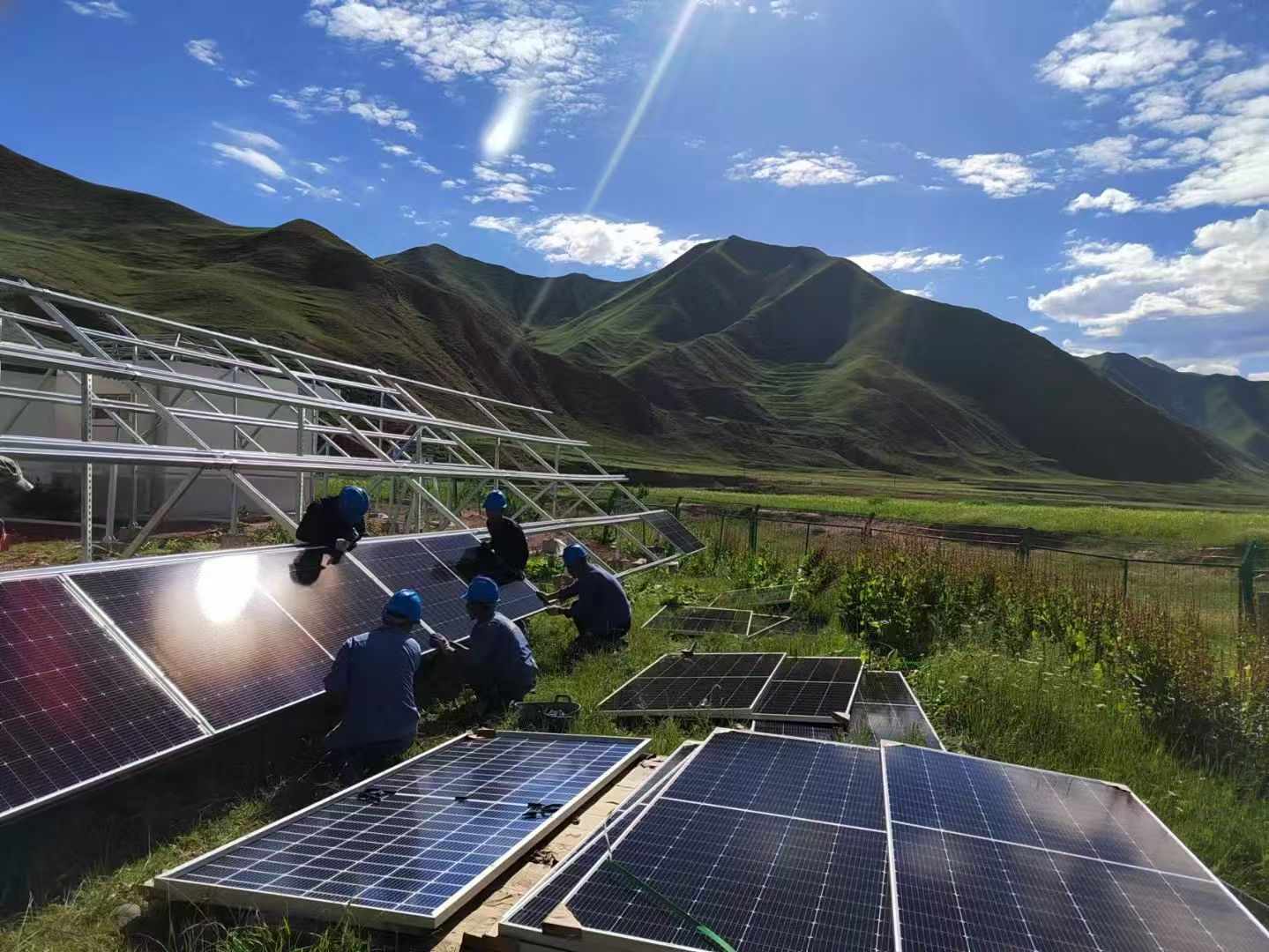
I. What is solar power generation?
Let's start with the most basic principles.
Solar power generation relies on the "photovoltaic effect." It sounds technical, but the principle is actually very simple: when sunlight shines on a special material (called a semiconductor, commonly silicon), some electrons in the material are "knocked out" by the energy of photons, forming an electric current. That's electricity.
Note a few key points: First, no high-temperature combustion is needed, just light; second, it emits direct current, which is electricity with a constant current direction; third, the process is quiet and noiseless, with no mechanical operation.
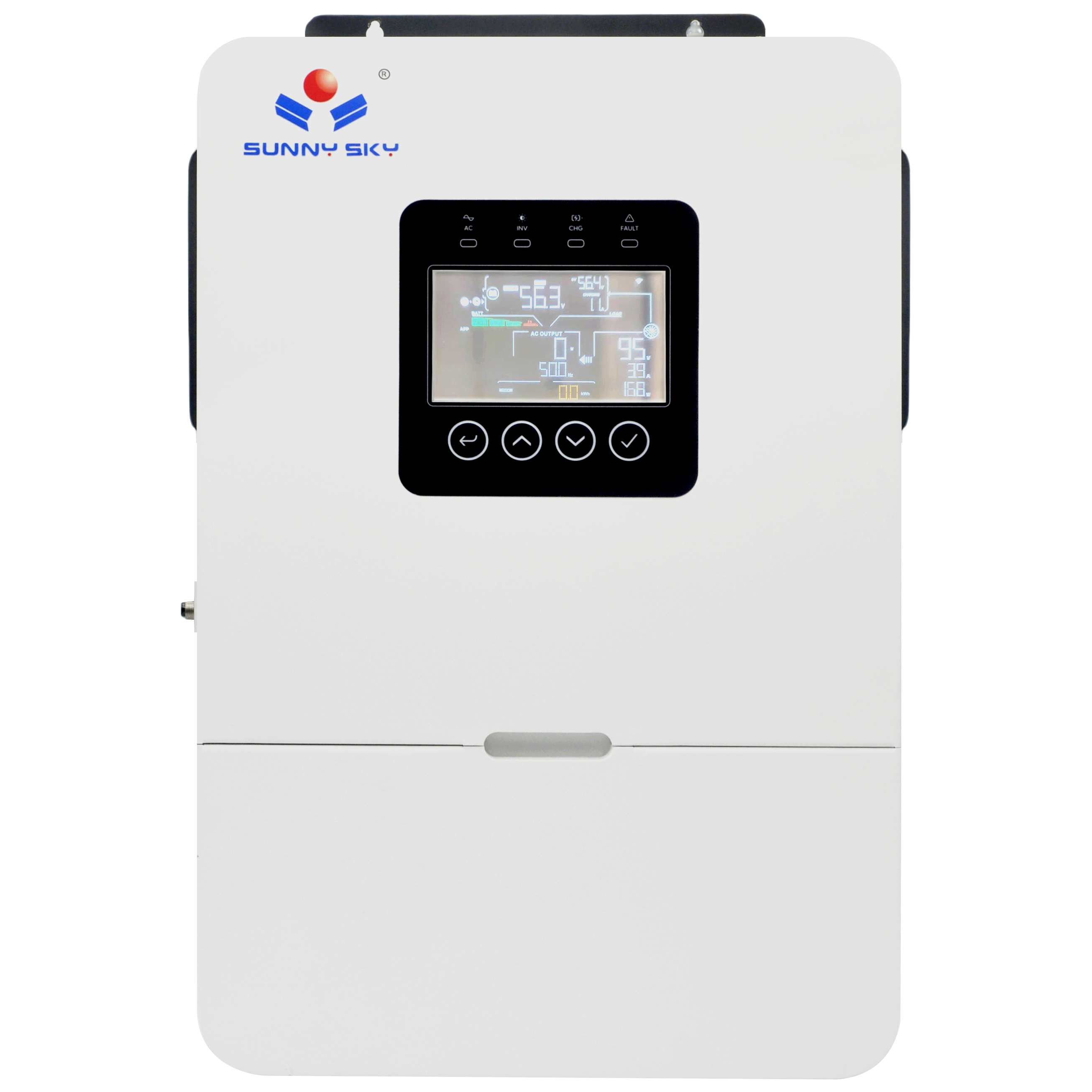
The electricity we use in our homes is called alternating current (AC), which changes direction 50 times per second, and the voltage is 220 volts. The direct current (DC) generated by solar panels cannot be used directly in the home; it must first be converted to AC. This conversion is done by an inverter.
Once you understand this, you'll know what the two most crucial components of a solar energy system are: solar panels (for generating electricity) and inverters (for converting electricity). Everything else is auxiliary.
How much electricity a solar panel can generate depends on three factors: first, the intensity of sunlight; second, the panel area—the larger the area, the more sunlight it receives; and third, the panel efficiency—for the same area, a more efficient panel generates more electricity. Common household solar panels currently have an efficiency between 20% and 22%. A 550-watt panel, under ideal conditions, can generate 0.55 kilowatt-hours of electricity per hour.
II. What are the components of a complete solar energy system?
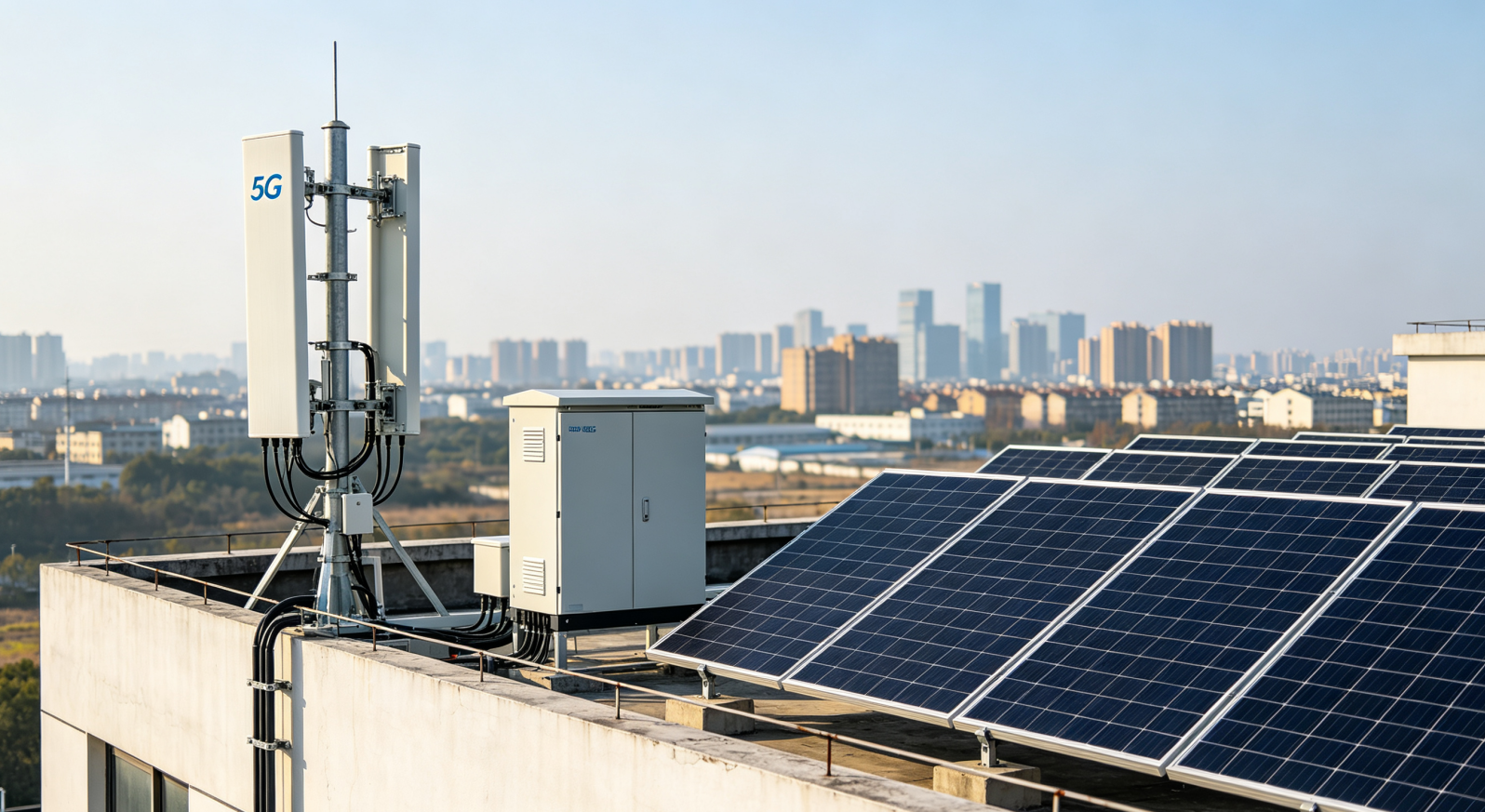
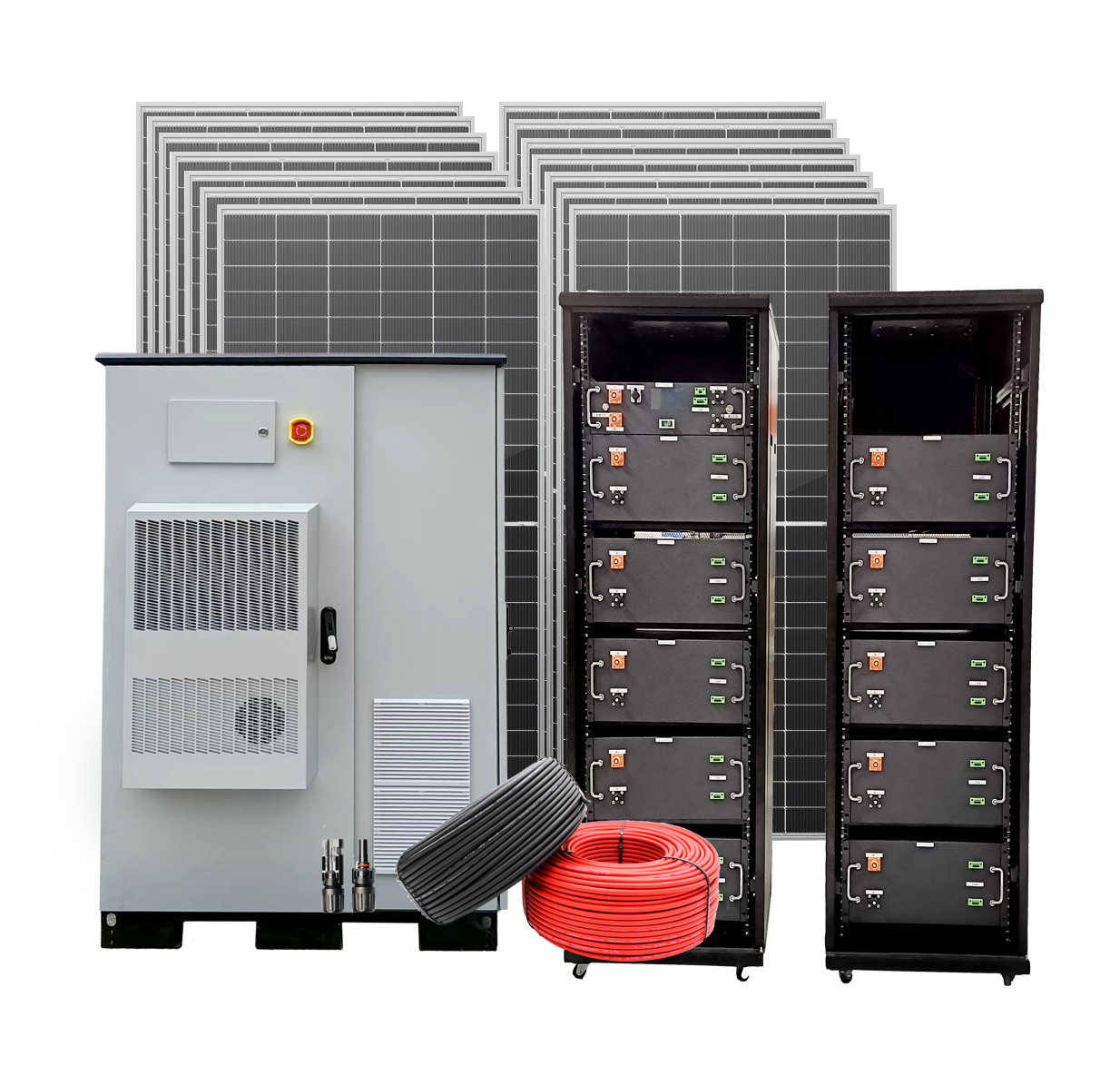
Having explained the principles, let's talk about the components. A home solar system may seem complicated, but it mainly consists of four things: solar panels, an inverter, batteries (depending on the type), and mounting brackets and cables.
Solar panels generate electricity. Residential panels range in power from 400 watts to 550 watts; the higher the power, the stronger the power generation capacity of a single panel. Panel costs account for 40% to 50% of the total system cost, making it the largest single expense. Panels come in monocrystalline and polycrystalline silicon; simply put, monocrystalline silicon panels are more efficient and more expensive, but the difference isn't significant for residential applications. When purchasing, focus primarily on power and conversion efficiency; other parameters are less important for the average user.
An inverter is responsible for power conversion. It converts the direct current (DC) generated by solar panels into alternating current (AC) for home use, and also manages the monitoring, protection, and scheduling of the entire system. The inverter's power output must match the total power of the solar panels, typically in a 1:1 or 0.8:1 ratio. For example, a 5 kW panel would be paired with a 4 kW to 5 kW inverter. The mainstream inverter efficiency is 97% to 99%, and the main difference between reputable brands and generic brands lies in stability and after-sales service.
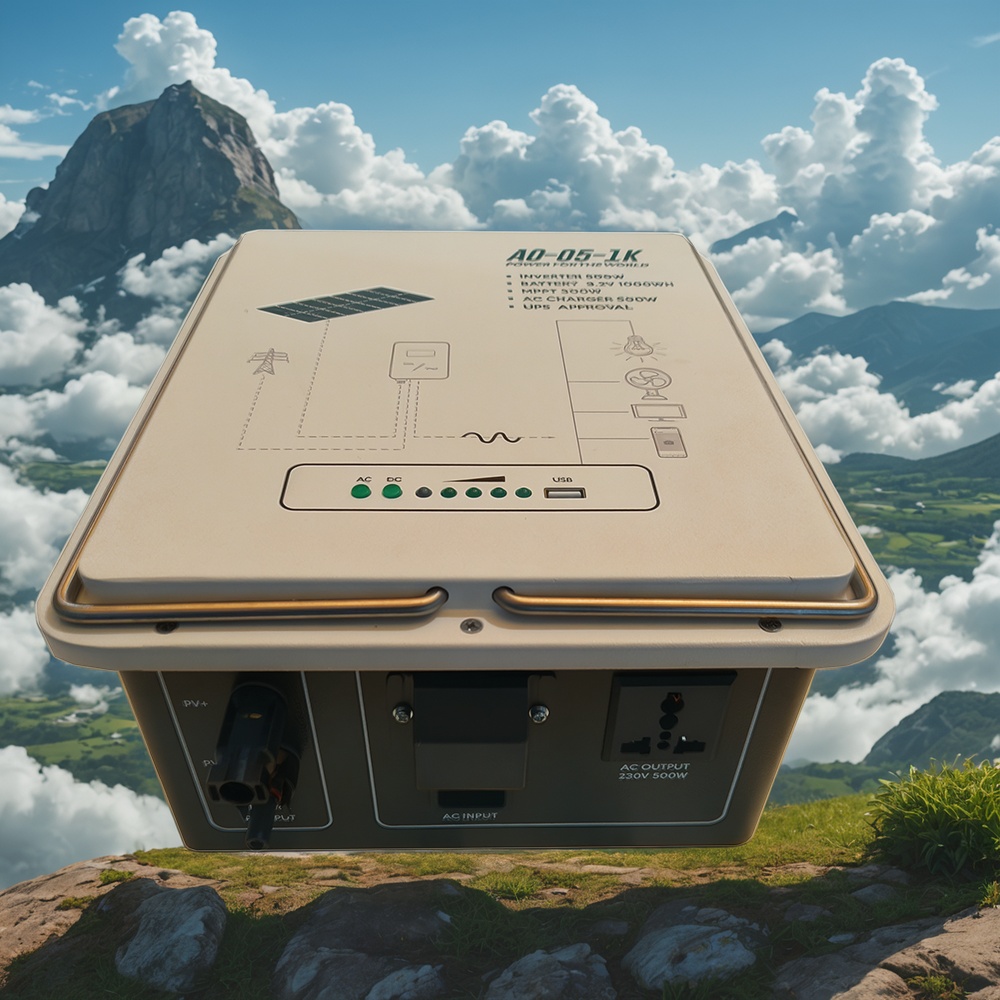
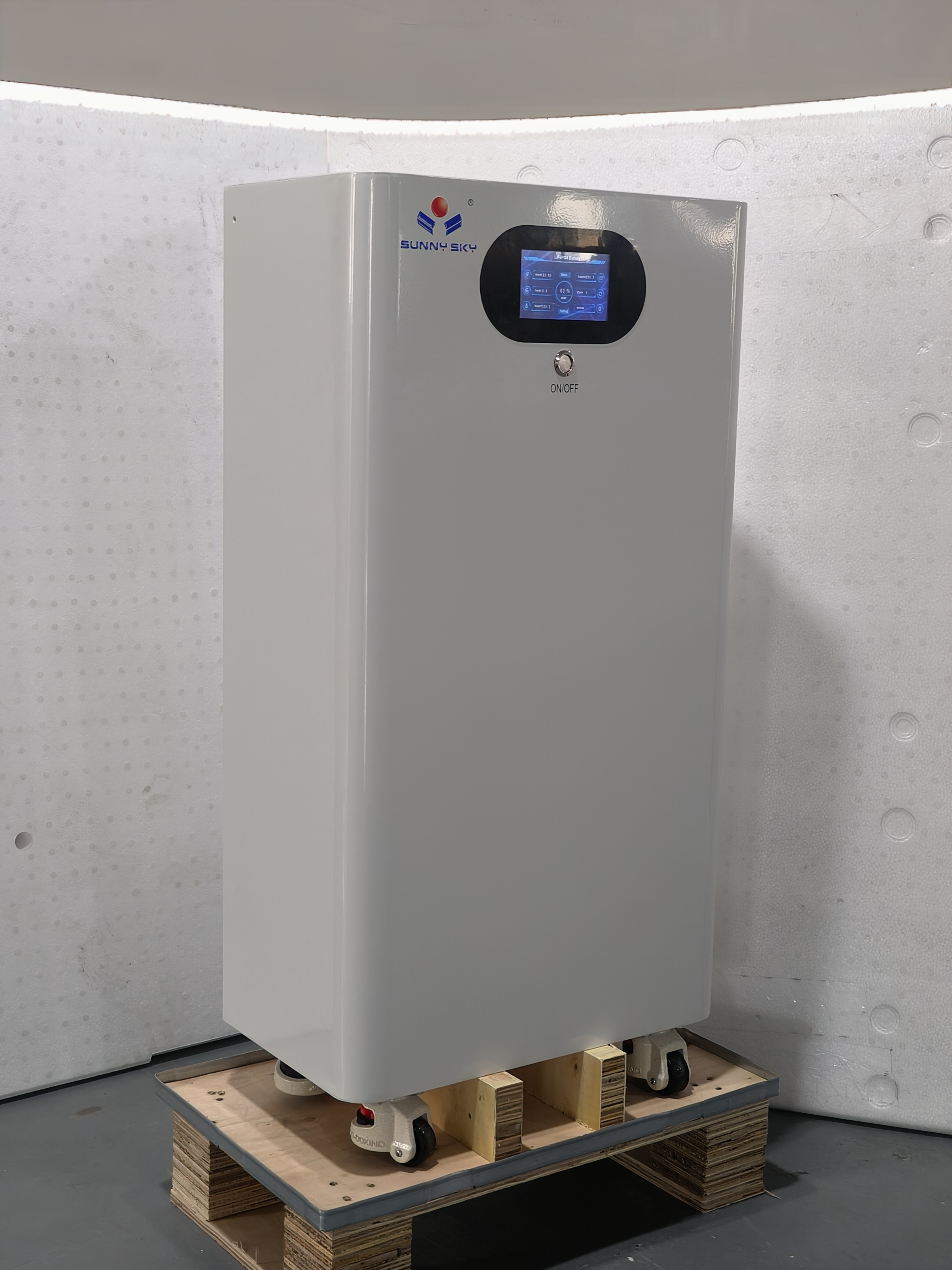
Energy storage batteries are optional. Whether or not you include batteries determines whether you install a grid-connected system or an off-grid/hybrid system. The mainstream battery type currently is lithium iron phosphate (LFP), which has a long cycle life and good safety. Home energy storage capacities range from 5 kWh to 20 kWh, depending on your household electricity consumption and local sunlight conditions. Grid-connected systems without batteries are cheaper, but cannot provide power during power outages; systems with batteries are more expensive, but can continue to operate during power outages.
Brackets and cables are auxiliary materials. Brackets need to be able to withstand wind, rain, and corrosion, and are commonly made of aluminum alloy or galvanized steel. Cables need to be thick enough, UV resistant, and flame retardant if buried in walls or run in cable trays. These auxiliary materials may seem insignificant, but poor quality can cause major problems. Good auxiliary materials should account for 10% to 15% of the total cost; overly cheap auxiliary materials often indicate shoddy workmanship.
III. How to choose between grid-connected, off-grid, and hybrid systems?
This is a question that many people struggle with. The three systems sound similar, but in reality, they are quite different.
The grid-connected system is the simplest, requiring only connection to the power grid and no batteries. During the day, solar panels generate electricity for the user's own use, and any excess electricity is sold back to the grid. At night, when no electricity is generated, the user buys electricity from the grid. The advantages are low cost, simplicity, and no battery maintenance required. The disadvantage is that it stops generating electricity when the grid is down; for safety reasons, the grid-connected inverter will automatically stop generating electricity when the grid is down. This system is suitable for households with stable power grids and where saving on electricity bills is the primary concern.
Off-grid systems are completely disconnected from the power grid and require large-capacity batteries. Electricity generated during the day is stored in the batteries, and discharged at night. The advantage is true freedom of electricity use, completely independent of the power grid. The disadvantages are high cost, complex configuration, and the possibility of no power during prolonged periods of cloudy weather if the batteries are too small. This type of system is suitable for areas completely inaccessible by the power grid, or as an emergency backup power source for important locations; it is generally not needed in ordinary households.
Hybrid systems are currently the most popular, combining the advantages of both grid-connected and off-grid systems. They connect to the grid and are powered by batteries simultaneously. During the day, solar power is used first, with any unused power stored in batteries; at night, batteries are used, and additional batteries are purchased from the grid if needed. The biggest highlight is the automatic switch to battery power during grid outages, commonly known as a "backup power" function. This feature is particularly useful in areas with unstable power grids.
There's a simple logic to choosing between the three systems: if the grid is stable and you primarily want to save on electricity bills, choose a grid-connected system; if the grid frequently experiences outages and you need backup power, choose a hybrid system; if there's no grid at all or you need emergency power, choose an off-grid system. While hybrid systems are the most expensive, they offer the most comprehensive functionality and are currently the mainstream trend.
IV. How to use electricity at home after installing solar panels
Many people are curious about this question, so I'll explain it in detail.
Take a hybrid system as an example: the workflow is automated, and you don't need to worry about anything.
When the sun comes out during the day, the solar panels start generating electricity. The generated electricity first powers appliances used simultaneously in the home, such as refrigerators, air conditioners, and lighting. If the generated electricity exceeds the usage, the excess electricity goes into the batteries to charge. If the batteries are fully charged and there is still excess electricity, it is sold back to the grid. This regulation process is handled automatically by the inverter.
As the sun sets in the evening, the solar panels stop generating electricity. The batteries begin to discharge, supplying electricity to households during the evening rush hour. If many appliances are running and electricity consumption is high at this time, the batteries will deplete quickly. When the battery level drops to a certain level (e.g., 20%), the system automatically switches to purchasing electricity from the grid. When electricity is cheaper late at night, the system may also purchase electricity from the grid to charge the batteries, preparing for the next day.
If the power grid suddenly fails, the system will switch to off-grid mode within 20 milliseconds. This switch is so fast that it's almost imperceptible to humans. After the switch, the home continues to be powered by solar panels and batteries until the power grid is restored. Once restored, the system automatically switches back to grid-connected mode.
The entire process requires no user intervention; you simply need to view data such as power generation, power consumption, and battery level via a mobile app or the device screen. Many people who have installed it feel completely unaffected; they can go about their business as the system handles all the electricity automatically.
V. Is it really worth it to show off?
This is the most crucial question, and I'll be frank with you.
For most families, installing solar panels is worthwhile. But whether it's worthwhile depends on several key factors.
First, consider your household electricity price. The higher the electricity price, the more savings you'll make from installing solar power. For a family using 8000 kWh annually at a price of 0.6 yuan per kWh, the annual electricity bill would be 4800 yuan. Installing a 5 kW system would generate 6500 kWh annually, with about 4550 kWh used by the household, resulting in annual savings of approximately 2730 yuan. If the electricity price rises to 0.8 yuan per kWh, the annual savings would increase to 3640 yuan. The higher the electricity price, the faster you recoup your investment.
Secondly, consider the timing of your household electricity usage. Solar power generation is concentrated during the day, peaking between 10 AM and 3 PM. If someone is home during the day and you use more electricity, your self-consumption rate will be high. If no one is home during the day, electricity usage will be concentrated at night, resulting in a lower self-consumption rate and a significant amount of electricity needing to be sold to the grid. Selling electricity is cheaper than buying it, thus reducing your profits.
Thirdly, consider your home's sunlight conditions. Sunlight levels vary greatly across China. Tibet receives over 3000 hours of sunshine annually, Hainan about 2200 hours, and the Sichuan Basin only about 1200 hours. Areas with better sunlight generate more electricity and recoup their investment faster. Areas with poor sunlight aren't necessarily unsuitable for installation, but the payback period will be longer.
Fourthly, there's the system price and installation quality. Systems with the same configuration can vary in price by over 30% depending on the brand; similar systems installed on roofs of different quality will also result in significant differences in power generation and lifespan. This will be discussed in more detail later regarding installation considerations.
In summary, in areas with moderate to high sunshine conditions, a 5- to 10-kilowatt residential solar PV system typically has a payback period of 6 to 10 years. With a system lifespan of over 25 years, this means the last decade or so is essentially net profit. Considering the trend of rising electricity prices, the actual returns may be even better than estimated.
Of course, this doesn't mean it's suitable for everyone. Families with tight budgets, renting, unsuitable ceilings, or low electricity consumption can wait and see before installing it .
VI. Precautions during installation
If you decide to install it, you must pay attention to the following issues.
The installer is more important than the product. Even the best product is useless if the installation is poor. When choosing an installer, consider these points: do they have proper qualifications and construction licenses? Do they have their own installation team instead of being outsourced? What are their after-sales service commitments? How many years of experience do they have and are there any real-world case studies? Be wary of ridiculously low prices; they may be cutting corners on materials or workmanship. A good installer may not be the cheapest, but they will have far fewer after-sales disputes.
Roof conditions must be assessed in advance. Not all roofs are suitable for installation. South-facing is best; east- and west-facing roofs can also be installed, but power generation will be reduced. The roof area should be sufficient, with minimal obstruction, and the structure should be able to bear the load. For roofs with poor conditions, solutions should be discussed with the installer in advance; do not blindly agree to install just to get the order.
The system configuration must be reasonable. The power of the power supply board, the inverter power, and the battery capacity must match your needs. This requires a comprehensive calculation based on your household electricity consumption, roof area, budget, and goals; bigger isn't always better. A professional installer should provide you with a configuration plan and explain why it's configured that way. Stay away from vendors who only offer low prices and confidently claim there won't be any problems.
Don't forget the grid connection application. Residential distributed photovoltaic systems require an application for grid connection from the local power supply bureau. Power generation can only begin after approval. Required documents include ID card, property ownership certificate, roof photos, and electrical wiring diagrams. After approval, the power supply bureau will install a bidirectional meter; this process typically takes two to four weeks. The grid connection application is free, and installers usually assist with the process.
Read each contract clause carefully. Before signing, confirm the following: are the configuration and price correct? What is covered under the warranty for how many years? How will after-sales service be handled? What are the payment methods? How will breach of contract be handled? Some vendors create loopholes in their warranty terms, stating a certain number of years but with a bunch of disclaimers, then making excuses when problems arise. Reading carefully will save you trouble later.
Conclusion
Let's review the key points of this article.
Solar power generation relies on the photovoltaic effect, converting sunlight into direct current (DC). A residential system mainly consists of four parts: solar panels, an inverter, batteries, and mounting cables. Systems are categorized into grid-connected, off-grid, and hybrid systems. Grid-connected systems are cheaper but unusable during power outages, while hybrid systems offer the most comprehensive functionality but are the most expensive. Once installed, the system operates completely automatically, requiring no user intervention. Whether it's worthwhile depends on electricity prices, the time of day, sunlight conditions, and installation quality. When installing, choose a reliable vendor, assess your roof, ensure proper configuration, complete grid connection procedures, and carefully review the contract.
Solar systems are a worthwhile investment for most households, saving on electricity bills and reducing carbon emissions in the long run. With technological advancements and cost reductions, this is becoming increasingly viable.
Hopefully, this introductory article will help you build a complete cognitive framework. Feel free to continue the discussion if you have any specific questions.
Please contact Simon immediately to discuss your project:
• WeChat: TY530643572
• Telephone: +86 137 1166 0041