Foreword
Driven by the global goal of carbon neutrality, solar energy, as one of the most mature and inclusive clean energy sources, is entering thousands of households. When people talk about solar energy systems, they often think of rows of neatly arranged solar panels—standing on rooftops, ground surfaces, and even building exteriors, converting sunlight into a continuous stream of clean electricity.
Solar panels are the core energy source of the entire photovoltaic system. Their power generation efficiency, lifespan, and reliability directly determine the performance of the entire solar system. So, what exactly are solar panels? What types are there? How do you choose a product that suits your needs? This article will provide you with comprehensive answers.
I. What is a solar panel?
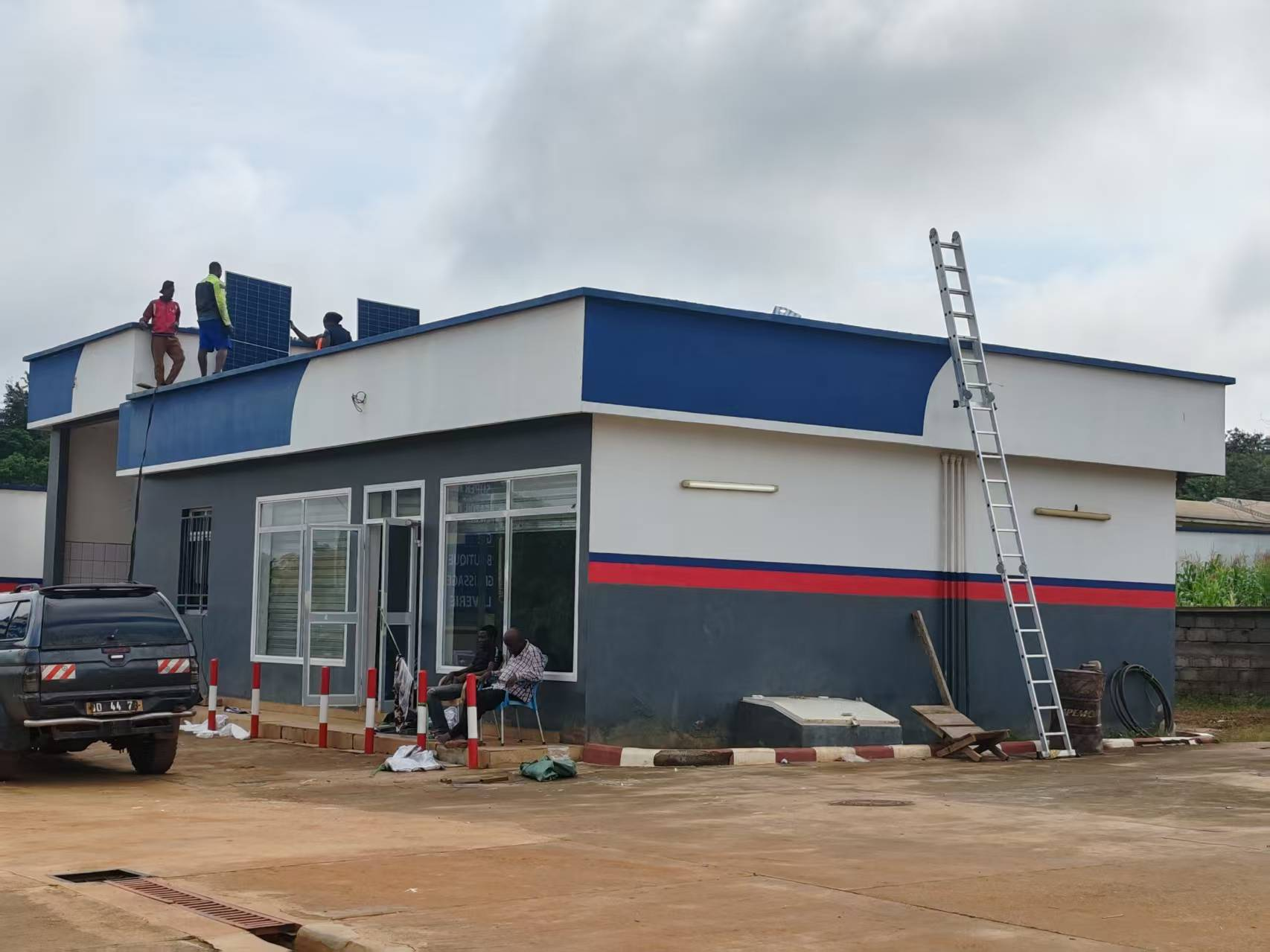
Solar panels, also known as photovoltaic modules, are devices that directly convert sunlight into electrical energy using the photovoltaic effect. Their basic working principle is as follows: when photons strike a semiconductor material (such as silicon), the photon energy is absorbed, generating electron-hole pairs. Under the influence of a built-in electric field, these pairs form a direct current, thus producing electrical energy.
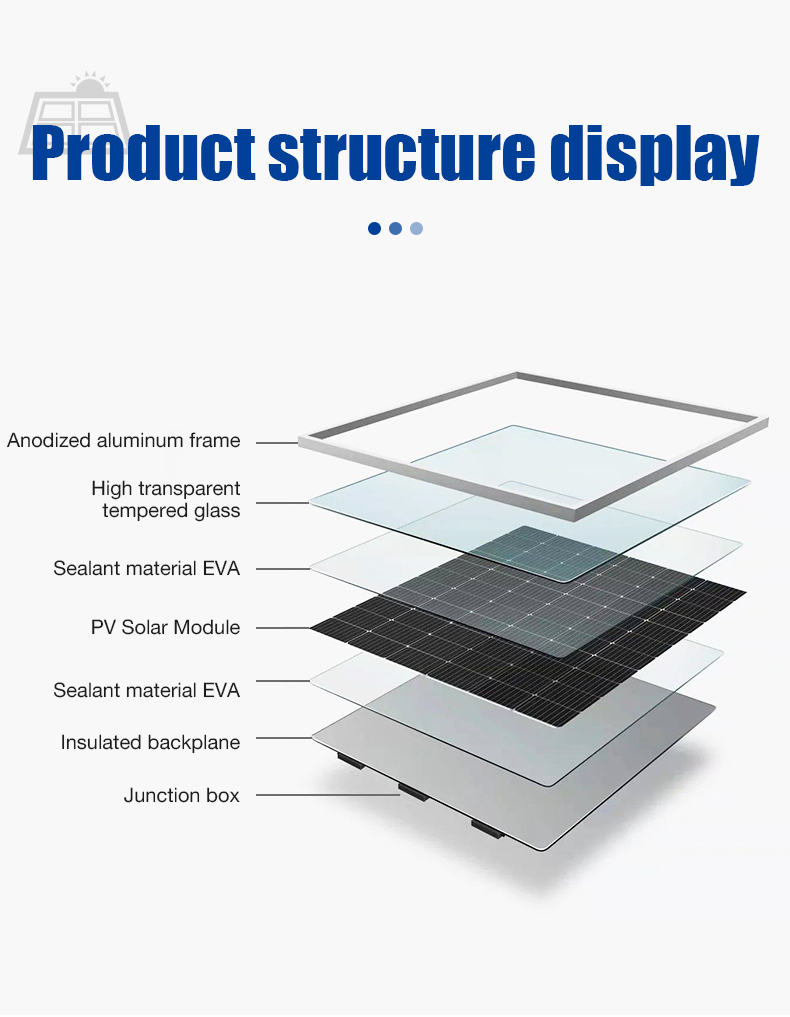
A standard solar panel consists of the following parts:
- Solar cells are the core of solar panels, typically consisting of 60 or 72 silicon solar cells using technologies such as PERC, TOPCon, and HJT connected in series, responsible for converting light energy into electrical energy.
- EVA film is located on the top and bottom sides of the battery cell, serving to bond the battery cell to the glass and backsheet, while also providing UV protection and anti-aging properties.
- Tempered glass covers the front of the solar panel, providing high light transmittance (typically over 91%) and excellent mechanical strength, protecting the cells from hail, foreign object impacts, and rain erosion.
- The backsheet is located on the back of the solar panel and is usually made of TPT (Tedlar/PET/Tedlar) composite material, which serves to provide waterproofing, moisture resistance, and aging resistance.
- The aluminum alloy frame provides mechanical support and edge protection for the solar panel, facilitating installation and fixation.
- The junction box, located on the back of the solar panel, contains bypass diodes and output terminals to draw out the current generated by the solar cells and connect it to the system wiring.
II. What are the core advantages of solar panels?
Solar panels have become one of the fastest-growing energy sources globally due to their unique advantages:
- An inexhaustible source of clean energy. Sunlight is nature's most selfless gift; every second, the solar energy reaching the Earth's surface is equivalent to the energy produced by burning 5 million tons of standard coal. Unlike fossil fuels, solar energy is inexhaustible and produces no pollution or carbon emissions. Using solar energy can reduce carbon dioxide emissions by approximately 0.7 kilograms for every kilowatt-hour of electricity generated, which is of great significance in addressing climate change.
- Flexible installation and wide range of applications. Solar panels can be installed in various settings: residential rooftops, commercial building facades, ground supports, and even on agricultural greenhouse roofs and floating systems. This flexibility allows it to adapt to the needs of different users, providing suitable solutions for both home use and large-scale ground-mounted power plants.
- Costs continue to decline, highlighting the value for money. Over the past decade, the cost of solar panels has decreased by more than 80%. Ten years ago, a 280W polycrystalline module cost about RMB 15 per watt, while today a 600W monocrystalline module costs about RMB 1.5 per watt. This cost reduction has made the levelized cost of electricity (LCOE) of solar energy lower than residential electricity prices in most areas, resulting in extremely high economic efficiency.
- Long lifespan and low maintenance costs. The lifespan of mainstream solar panels is typically 25 to 30 years, with manufacturers generally offering a 25-year linear power warranty. Even after 25 years, they can still maintain over 80% of their power generation efficiency. Routine maintenance only requires periodically rinsing the panel surface to remove dust, with virtually no additional maintenance costs.
- Enhancing building value and aesthetics. Solar panels can make buildings look more modern and technologically advanced. For commercial projects pursuing green building standards, installing solar systems can also improve building certification levels and increase property value.
III. How to choose the right solar panel?
With a wide variety of solar panel brands and types on the market, choosing a product that suits your needs requires considering the following key factors:
The type of solar cell determines core performance. Currently, the mainstream types of solar cells on the market include:
- PERC (Passivated Emitter and Rear Cell) is currently the most mature and widely used technology, with a mass production efficiency of about 22-23% and high cost performance. Representative brands include LONGi, Jinko, JA Solar and Trina Solar.
- TOPCon (Tunnel Oxide Passivated Contact) is the next generation of mainstream technology, with a mass production efficiency of about 24-25%, a better temperature coefficient, and better low-light performance, but the price is slightly higher than PERC.
- HJT (Heterojunction Technology) has an efficiency of 25-26% and the advantage of bifacial power generation, but its cost is currently high.
- High-efficiency technologies such as IBC (Interdigitated Back Contact) can achieve efficiency of over 26%, but they are more expensive and are mainly used in high-end projects.
- For ordinary family users, PERC or TOPCon are cost-effective options.
The power output must match the system design. Solar panels typically range in power output from 400W to 750W. Higher power output means a stronger power generation capacity per panel, but the price also increases accordingly. When choosing a panel, the available roof area and inverter capacity must be considered. For example, for a 5kW residential system, approximately 10 550W monocrystalline panels would be needed, covering a total area of about 22 square meters; 12 450W panels would be required.
The size of the solar panel should be tailored to local conditions. There are two common sizes: standard panels (usually 60 or 66 cells) are approximately 1.7m x 1.0m, suitable for ordinary residential roofs; large panels (usually 72 or 78 cells) are approximately 2.2m x 1.1m, suitable for larger rooftops or ground-mounted supports. If the roof shape is irregular or the area is limited, it is necessary to measure and plan the layout in advance.
Brand selection is crucial for a 25-year lifespan. Solar panels are durable goods intended for long-term use, making brand selection paramount. Leading brands such as LONGi Green Energy, Jinko Solar, JA Solar, Trina Solar, Canadian Solar, and Tongwei possess complete industry chain layouts, leading technological R&D capabilities, and comprehensive global after-sales service networks, ensuring higher product quality and delivery. While some smaller brands may offer lower prices, they may pose risks such as falsely advertised power output, rapid degradation, and lack of after-sales service.
Certification standards are the touchstone of quality. When purchasing solar panels, be sure to confirm that the product has the following core certifications: IEC 61215 is the basic performance standard for photovoltaic modules; only through testing can the reliability and lifespan of the product be proven under different climatic conditions; IEC 61730 is the safety standard for photovoltaic modules, covering electrical safety, mechanical safety, and fire safety; UL 61730 is the safety standard for the US market; test reports from third-party organizations such as TÜV Rheinland and SGS are also important references for product quality.
It's important to distinguish between efficiency and power. Many consumers confuse the concepts of "conversion efficiency" and "output power." Conversion efficiency refers to the proportion of light energy that a solar cell converts into electrical energy; currently, the efficiency of mainstream monocrystalline solar panels is around 21-23%. Output power refers to the maximum power a panel can output under standard testing conditions (1000W/m² illumination, 25°C temperature, AM1.5). When purchasing, focus on whether the output power meets the nominal value; efficiency is only one of the reference indicators.
IV. Application Scenarios and Future Trends of Solar Panels
In terms of application scenarios, solar panels have permeated all aspects of life and production.
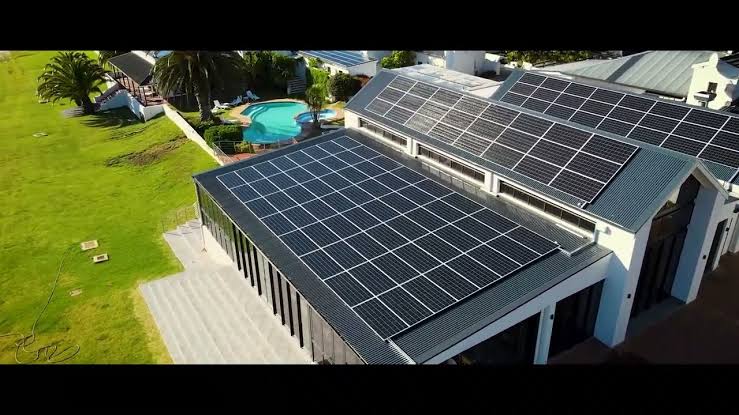
- In residential rooftop settings, an increasing number of households are choosing to install solar power systems on their roofs to generate electricity for their own consumption, store surplus electricity, or sell it to the grid. In some areas with net metering policies, users can sell excess solar power back to the grid for further income.
- In industrial and commercial rooftop settings, the unused rooftops of large buildings such as factories, warehouses, and shopping malls are ideal locations for installing solar energy. Many companies have significantly reduced operating costs, improved their green image, and met ESG compliance requirements by installing megawatt-scale distributed photovoltaic systems.
- In ground-mounted power plant scenarios, large-scale ground-mounted photovoltaic power plants are supplying significant amounts of clean electricity to the grid in areas with abundant land resources. These projects typically employ dual-axis tracking systems to further enhance power generation.
- In special scenarios, floating photovoltaic panels float on the surface of reservoirs and lakes, generating electricity while reducing water evaporation; building-integrated photovoltaics (BIPV) integrates solar panels with building materials, replacing traditional roof tiles or curtain walls; flexible solar panels can be attached to curved or irregular surfaces and applied to mobile scenarios such as RVs and ships.
- Regarding future trends, there are several directions worth paying attention to.
Technological iteration is accelerating. New technologies such as TOPCon, HJT, and tandem cells are rapidly entering mass production, with laboratory efficiencies already exceeding 33%. Within the next 2-3 years, solar cells with efficiencies above 30% are expected to enter the market. This means that solar panels of the same area will be able to generate more electricity, further reducing the cost per kilowatt-hour.
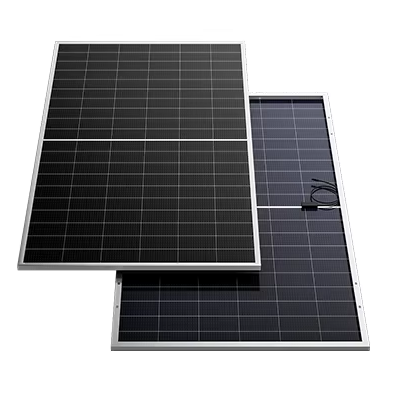
Bifacial modules have become the mainstream choice. The back of a bifacial module can also receive reflected light to generate electricity, producing 5-25% more power than a single-sided module. As the price gap narrows, the cost-effectiveness advantage of bifacial modules is becoming increasingly apparent, and they are becoming the standard configuration for ground-mounted power plants.
Intelligent operation and maintenance improves efficiency. New technologies such as drone inspection, AI visual diagnostics, and robotic cleaning are changing the way solar panels are maintained. Through intelligent methods, problems such as hot spots and microcracks can be detected in a timely manner, reducing power generation losses and extending system life.
Green manufacturing has become an industry consensus. More and more solar panel manufacturers are starting to use renewable energy for production, exploring recycling and reuse technologies, and driving the industry towards a greener future throughout its entire lifecycle.
Conclusion
Solar panels are a core force in the clean energy transition, transforming inexhaustible sunlight into daily electricity for countless households. From a small panel on a rooftop to a vast ocean of photovoltaic power across the fields, solar energy is profoundly changing humanity's energy landscape.
Choosing the right solar panel is not just choosing a product, but choosing a lifestyle for the future. Let's work together to illuminate our lives with sunshine and embrace the Earth with greenery.
Please contact Simon immediately to discuss your project:
• WeChat: TY530643572
• Telephone: +86 137 1166 0041