As the global energy crisis worsens, more and more households and businesses are focusing on clean energy solutions. Solar energy, as an inexhaustible and green energy source, is becoming an inevitable replacement for traditional electricity. Within the entire solar energy system, the energy storage inverter is undoubtedly the core component, directly determining the system's operating efficiency, stability, and user experience.
Today, we'll delve into the working principles, classifications, key selection criteria, and application scenarios of solar energy storage inverters.
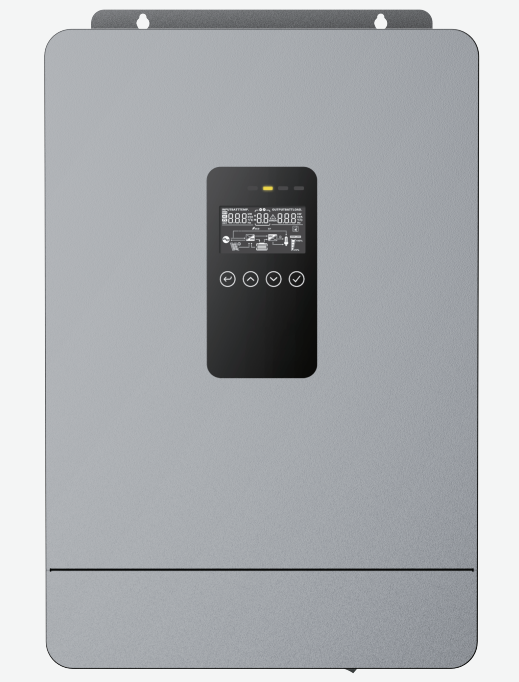
What is a solar energy storage inverter?
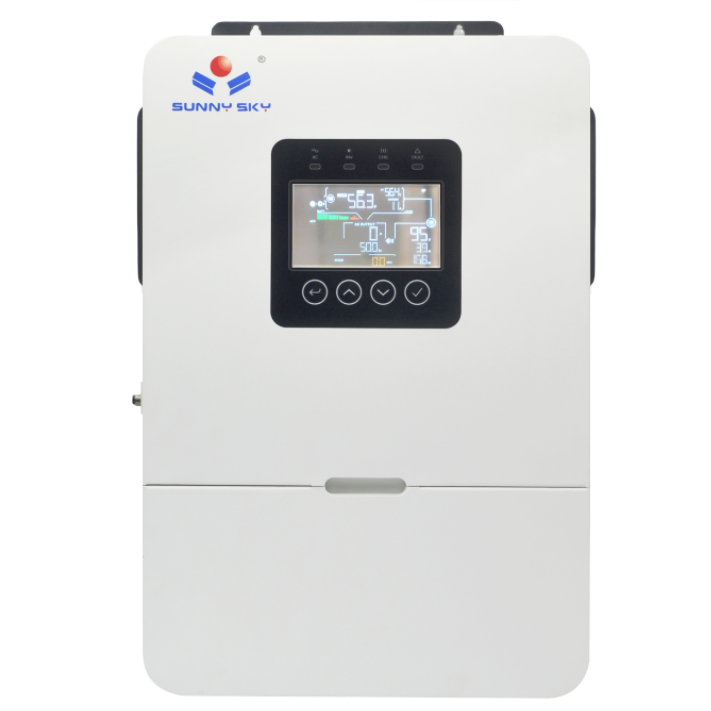
A solar energy storage inverter (Hybrid Inverter) is a smart power conversion device that can simultaneously manage solar power generation, battery energy storage, and grid power supply. Unlike ordinary grid-connected inverters, energy storage inverters can store excess electricity during the day in batteries and release it at night or on cloudy days, thus achieving a higher energy self-sufficiency rate. Simply put, ordinary inverters can only "use as needed," while energy storage inverters can "peak shaving and valley filling"—storing excess electricity and releasing it when needed. The working principle of an energy storage inverter can be divided into the following stages:
Phase 1: Prioritize the use of solar energy
During the day, sunlight generates direct current (DC) electricity from solar panels. An energy storage inverter converts this DC to alternating current (AC), prioritizing power for household loads. If power generation exceeds demand, the excess energy is automatically stored in batteries.
Phase Two: Battery Charging
When solar power generation reaches its peak and household electricity demand is low, the energy storage inverter will send excess energy into the battery for storage. Currently, the mainstream energy storage battery is the lithium iron phosphate battery (LiFePO4), which has a cycle life of over 6,000 cycles.
Phase 3: Discharge at night or on cloudy days
At night or when sunlight is insufficient, the energy storage inverter automatically switches to battery power mode to ensure uninterrupted household power supply. If the battery runs out of power, the system can also draw power from the grid as a last resort.
Phase 4: Peak-valley electricity price adjustment
In regions implementing time-of-use pricing, energy storage inverters can also automatically adjust their charging and discharging strategies based on electricity price periods: storing electricity during off-peak hours and discharging during peak hours, thereby further saving on electricity costs.
The core advantages of energy storage inverters are: 1. Significantly reduced electricity costs.
By "peak shaving and valley filling" and "surplus electricity storage," energy storage systems can save 30% to 90% of electricity bills. For example, an average household can save approximately 200 to 500 yuan per month on electricity bills after installing a 5kWh energy storage system.
II. Responding to Power Outages and Ensuring Power Supply
When the power grid fails or experiences a power outage, the energy storage system can seamlessly switch to backup power, ensuring the continued operation of critical loads such as lighting, refrigerators, and medical equipment. This is its most significant value for areas prone to power outages.
III. Green and environmentally friendly, reducing carbon emissions
Solar energy is a clean and renewable energy source. Using an energy storage system, every kilowatt-hour of solar electricity generated can reduce carbon dioxide emissions by approximately 0.7 kilograms. A 3-kW home system can reduce carbon emissions by approximately 3 tons per year.
IV. Improving Power Quality
Energy storage inverters have intelligent power regulation functions, which can effectively filter power quality problems such as grid fluctuations and harmonics, protect delicate electrical appliances in the home, and extend their service life.
How to choose the right energy storage inverter?
There are numerous brands and specifications of energy storage inverters on the market. How do you choose the right product for your needs? The following key parameters are worth considering:
I. Power Magnitude
Inverter power determines the size of the load it can drive. Commonly used household energy storage inverters range from 3kW to 10kW, while those for villas or small commercial projects can reach 15kW or more. When choosing an inverter, it is recommended that its power be slightly higher than the highest power consumption in your home.
II. Battery Voltage
Energy storage systems are divided into high-voltage and low-voltage types. High-voltage systems (48V and above) are more efficient, draw less current, and generate less heat, and are currently the mainstream trend; low-voltage systems (24V/48V) are suitable for small-scale or DIY applications.
III. MPPT Tracking Path
Maximum Power Point Tracking (MPPT) is a key technology determining the power generation efficiency of solar panels. The more MPPTs a system has, the more adaptable it is to different lighting conditions. It is recommended to choose products with dual or quad MPPTs.
IV. Brands and Certifications
Choosing products from brands with international certifications such as CE, RoHS, and UN38.3 ensures better quality and after-sales service. Major brands include Huawei, GoodWe, Growatt, and Ginlong.
Application scenarios
Scenario 1: Residential Rooftop Solar Panels
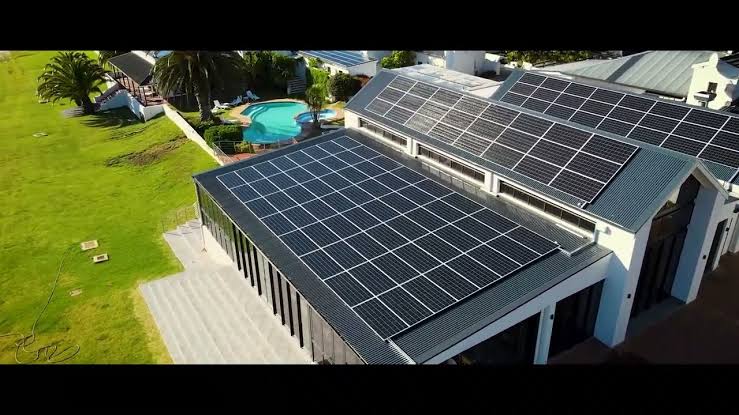
By installing solar panels on the rooftops of urban residences in conjunction with energy storage systems, electricity can be generated during the day for the residents' own use, with surplus electricity stored and powered by batteries at night, truly achieving self-sufficiency in electricity.
Scenario 2: Remote areas without electricity
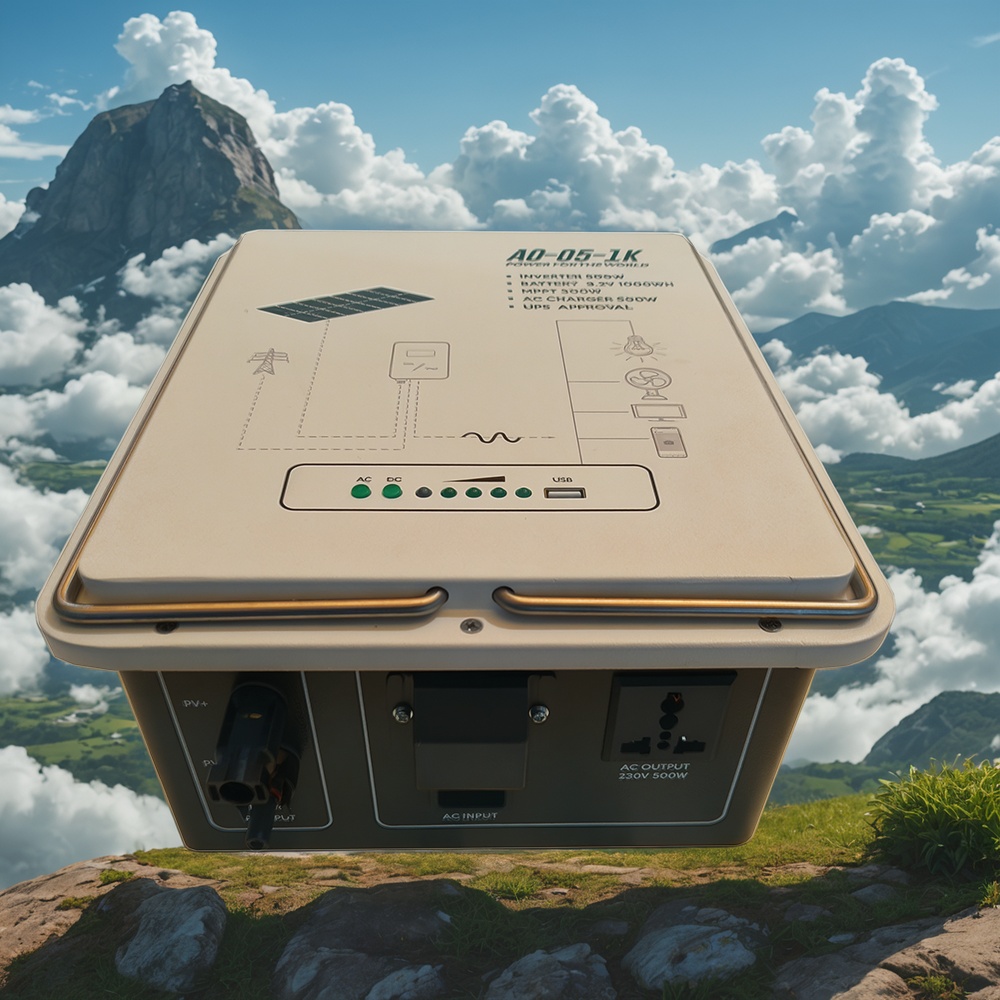
In rural areas, islands, or mountainous regions not covered by the power grid, energy storage systems can completely replace diesel generators, providing electricity in a lower-cost and more environmentally friendly way.
Scenario 3: Peak-Valley Regulation in Industrial and Commercial Sectors
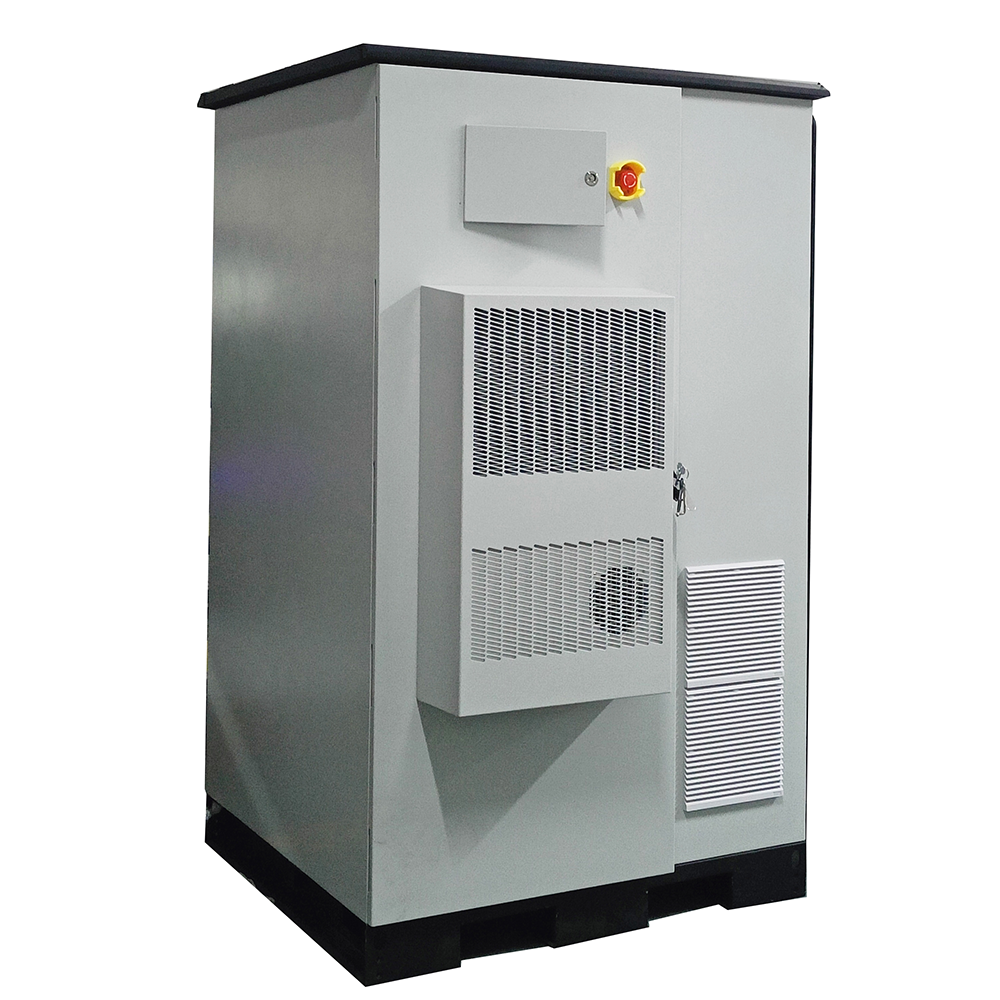
For places with high electricity consumption such as factories, shopping malls, and office buildings, installing energy storage systems can store electricity during off-peak hours and discharge it during peak hours, significantly reducing electricity costs.
Scenario 4: Emergency Backup Power Supply
Critical facilities such as hospitals, data centers, and communication base stations require uninterrupted power supply 24 hours a day. Energy storage systems, acting as backup power sources, can immediately take over the load during grid failures, ensuring business continuity.
Future Development Trends: With technological advancements and cost reductions, the solar energy storage industry is experiencing explosive growth. The following trends are worth noting:
I. Integrated Photovoltaic and Energy Storage
Solar panels and energy storage batteries will be further integrated to form a more compact and efficient integrated system that is easier to install and occupies less space.
II. Intelligent Management
Artificial intelligence and big data technologies will be applied to energy storage systems to achieve more accurate power generation forecasting, load management, and energy optimization.
III. Virtual Power Plant
A large number of distributed energy storage systems can be connected via the Internet to form virtual power plants, participate in grid dispatch and electricity market transactions, and create new business models.
Conclusion
Solar energy storage inverters are key devices for achieving energy independence for homes and businesses. They not only help us save on electricity bills and ensure a stable power supply, but also contribute to environmental protection.
If you are considering installing a solar system, you might as well start with an energy storage inverter to bring clean energy into every household.
Contact Simon for customized residential or commercial solar energy storage solutions!
• WeChat: TY530643572
• Telephone: +86 137 1166 0041