Foreword
Is an integrated solar power system worth buying?
This question plagues many homeowners considering installing solar power systems. Traditionally, solar systems consist of multiple independent components such as solar panels, inverters, energy storage batteries, mounting brackets, and cables, requiring separate purchase, installation, and commissioning. Integrated solar power systems combine these components, seemingly simple and convenient, but what is the actual user experience like? Is it a truly good product, or just a marketing gimmick?
Having worked in the solar energy industry for many years, I've encountered all sorts of customers and heard a lot of genuine feedback about integrated solar panels. Some customers say they've had a worry-free and hassle-free experience since installation, and haven't had any problems in three years; others complain that repairing an integrated panel is a "whole-system" affair, requiring the entire unit to be disassembled to replace a single component. These real user experiences have given me a more comprehensive understanding of the advantages and disadvantages of integrated solar panels.
The purpose of this article is to systematically analyze whether integrated solar water heaters are worth buying, based on real user feedback. I will first introduce what integrated solar water heaters are and what types they come in, then analyze their core advantages and limitations, followed by explaining what kind of families they are suitable for, and finally provide purchasing advice. After reading this article, you should be able to determine whether an integrated solar water heater is suitable for your family's needs.
I. What is a solar integrated machine?
Before discussing whether it's worth buying, we first need to understand what a solar integrated machine actually is.
A solar integrated unit is a product that integrates the core equipment of a solar power generation system into a single unit. Traditional solar systems require the separate purchase and installation of multiple independent components, such as solar panel arrays, battery storage modules, inverters, mounting systems, and electrical protection equipment. These components come from different manufacturers and require professional system design, integration, and commissioning. A solar integrated unit, however, integrates all these components before shipping, providing the user with a complete, ready-to-use unit.
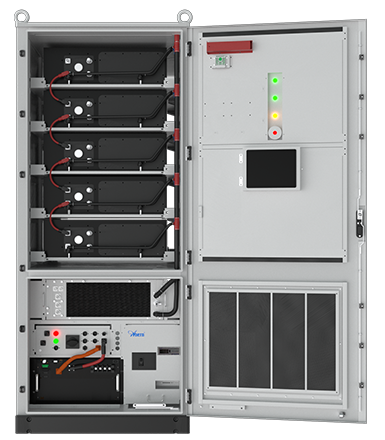
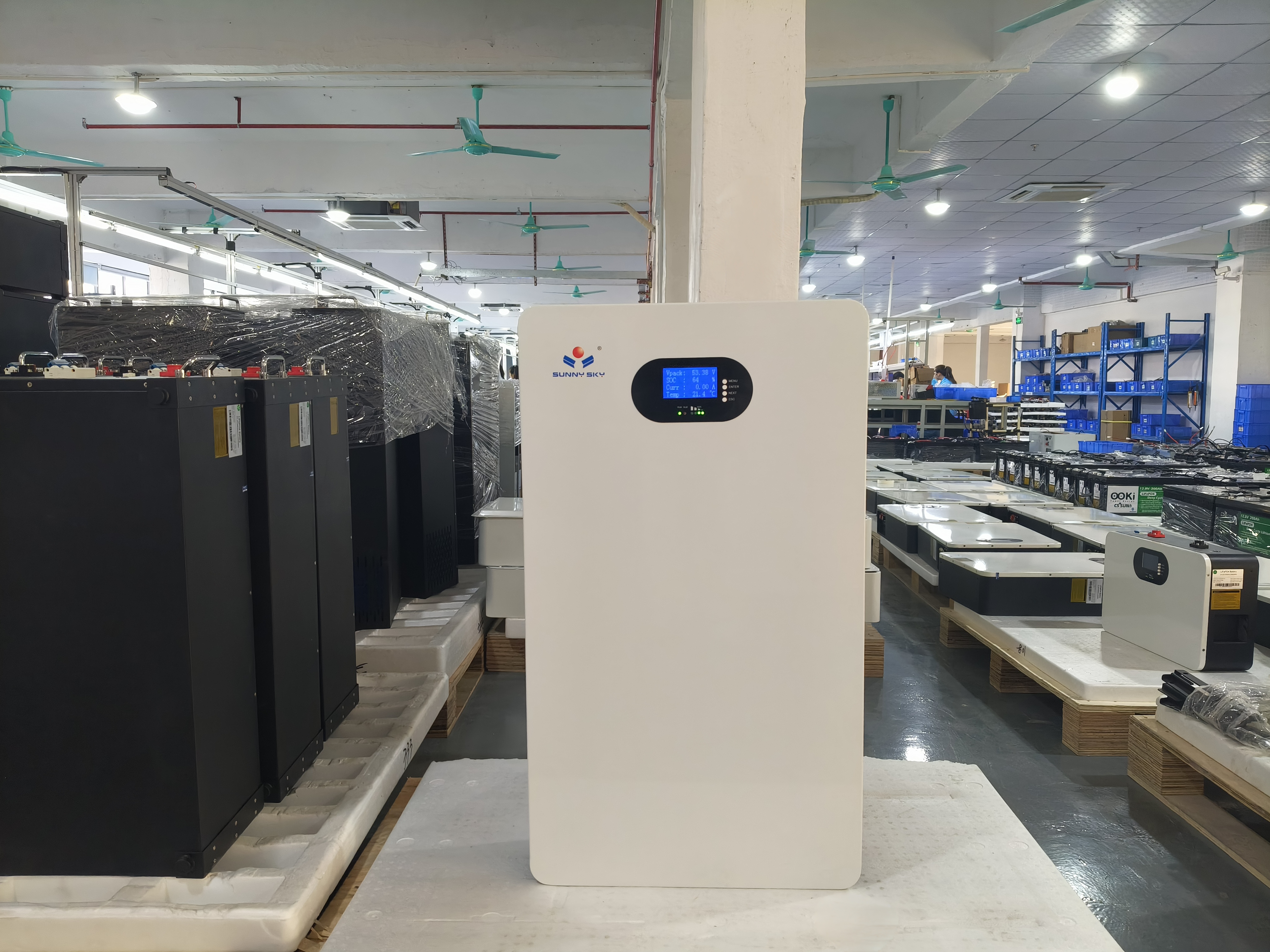
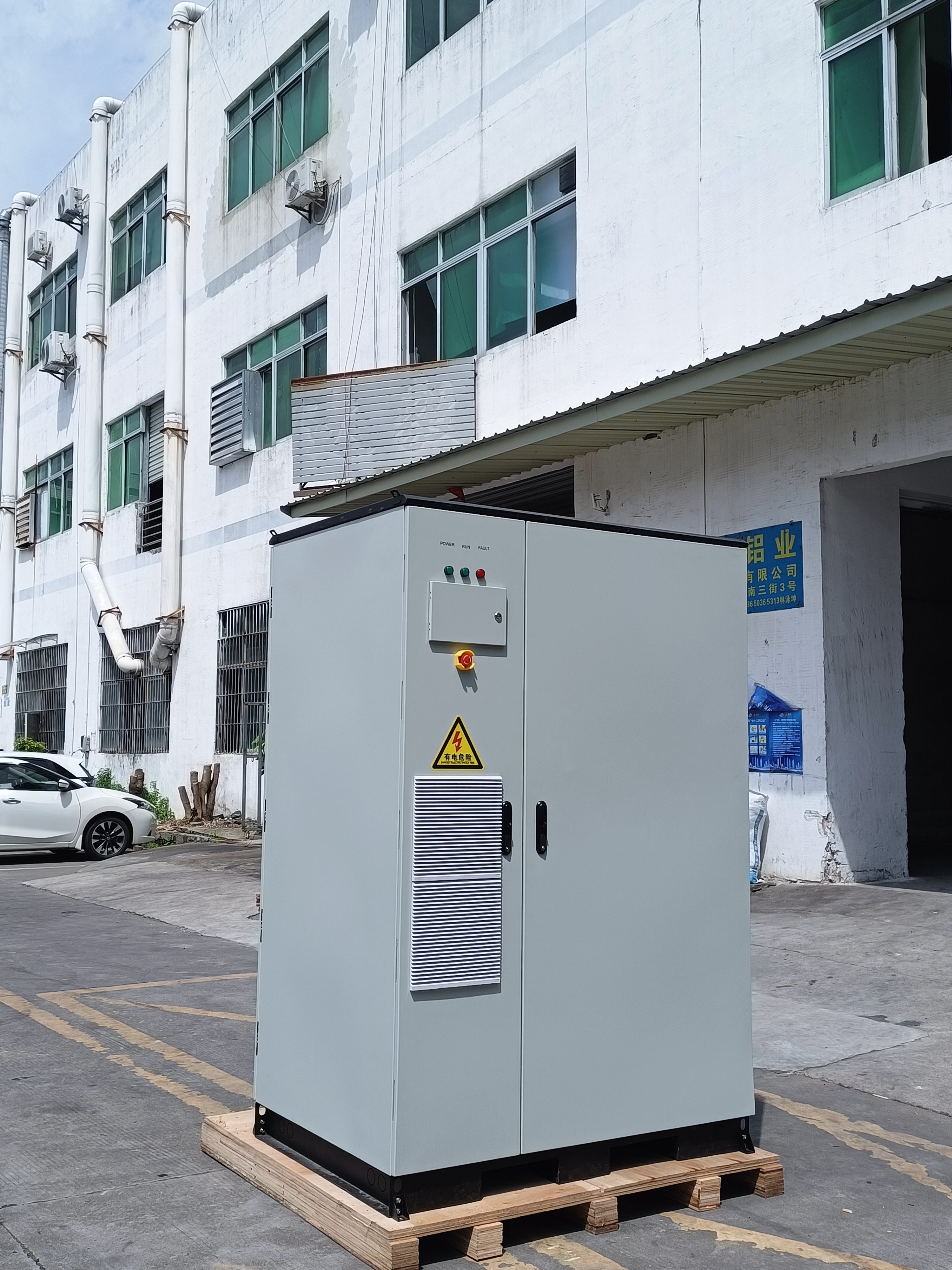
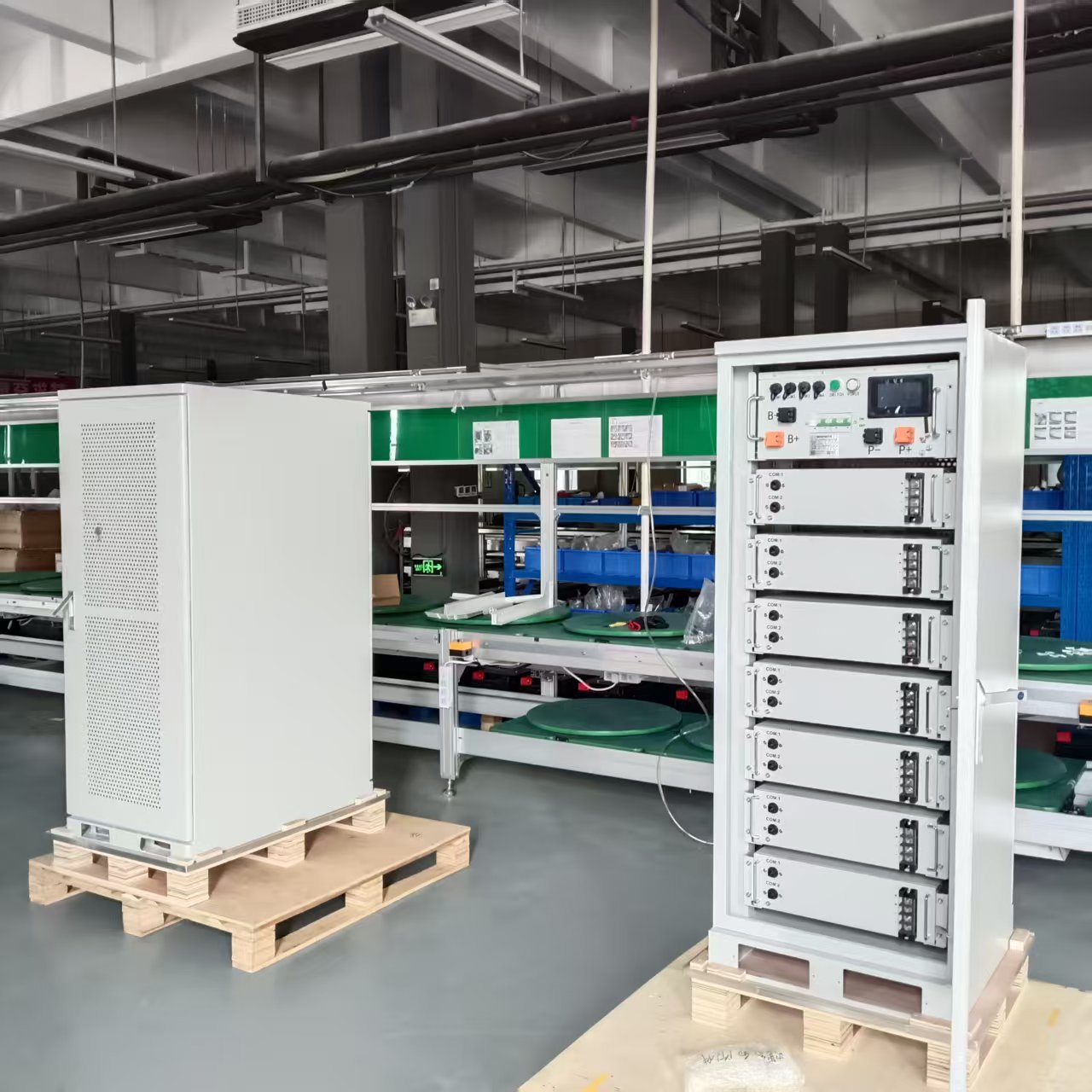
From an appearance standpoint, an integrated solar panel typically appears as a cabinet or tower-style unit, integrating components such as an inverter, energy storage battery, control system, and display panel. Solar panels need to be installed separately on the roof or ground and connected to the integrated unit via cables. Different brands of integrated solar panels vary in design; some use a stacked design, with batteries and inverters placed in layers; others use a monolithic design, with all components sealed within a single cabinet.
The core components of an integrated solar water heater include the following: A solar panel array converts sunlight into direct current (DC), which is the energy source for the entire system. A battery pack stores the electricity generated during the day for use at night or on cloudy days; currently, most mainstream products use lithium iron phosphate batteries. A bidirectional inverter performs two functions: first, it converts the DC power generated by the solar panels into alternating current (AC) for household use; second, it converts the AC power from the grid into DC power to charge the batteries. The energy management system is the brain of the entire system, responsible for monitoring power generation, storage, and consumption, optimizing charging and discharging strategies, and achieving intelligent scheduling.
Currently, integrated solar power systems on the market are mainly divided into three categories. The first category is grid-connected systems. These products cannot operate independently of the power grid; their main function is to generate electricity during the day to save on electricity costs, while still relying on the grid for power at night. They are suitable for areas with high electricity bills and frequent power outages. The second category is off-grid systems. These products are equipped with large-capacity batteries and can operate completely independently of the grid. They are suitable for remote areas without grid coverage or as an emergency backup power source. The third category is hybrid systems, which are currently the most common type. They can operate both grid-connected and off-grid. During the day, they prioritize solar power generation, storing excess electricity in the batteries, which power the system at night, with the grid serving as a last resort. This type of product offers the highest flexibility and is the choice of most household users.
Now that we understand what an all-in-one PC is, the next step is to analyze whether it's worth buying. This requires considering both its advantages and limitations; it can't be simply a matter of saying it's good or bad.
II. Core Advantages of Integrated Solar Units
To explain why an integrated solar water heater is worth buying, we must first clarify its advantages. Based on real user feedback, the advantages of an integrated solar water heater are mainly reflected in the following aspects.
The ease of installation is the most obvious advantage. Traditional solar systems require professional customization based on the house structure and electricity needs, followed by the separate procurement, installation, and commissioning of individual components, a process that can take one to two weeks or even longer. Integrated solar panels, on the other hand, have most of the integration work completed at the factory, requiring only simple fixing and wiring on-site. Some users have reported that a traditional system that previously took five to seven days to install was completed in just two days with an integrated panel. This shorter installation time not only means faster deployment but also lower labor costs. For users with strong DIY skills, some brands even support self-installation, further reducing costs.
System integration and optimization is another significant advantage of integrated solar panels. In traditional systems, solar panels, inverters, and batteries come from different manufacturers, making it difficult to determine responsibility when problems arise, and compatibility issues may occur during debugging and optimization. Integrated solar panels, on the other hand, have their system matched and debugged by a single manufacturer before leaving the factory, ensuring optimal performance between components. The energy management system can more precisely coordinate power generation, storage, and consumption, avoiding parameter mismatches that can occur when connecting products from multiple manufacturers. User feedback indicates that the overall system efficiency is more stable after using an integrated unit compared to self-assembled systems, with no unexplained fluctuations in power generation or protective shutdowns.
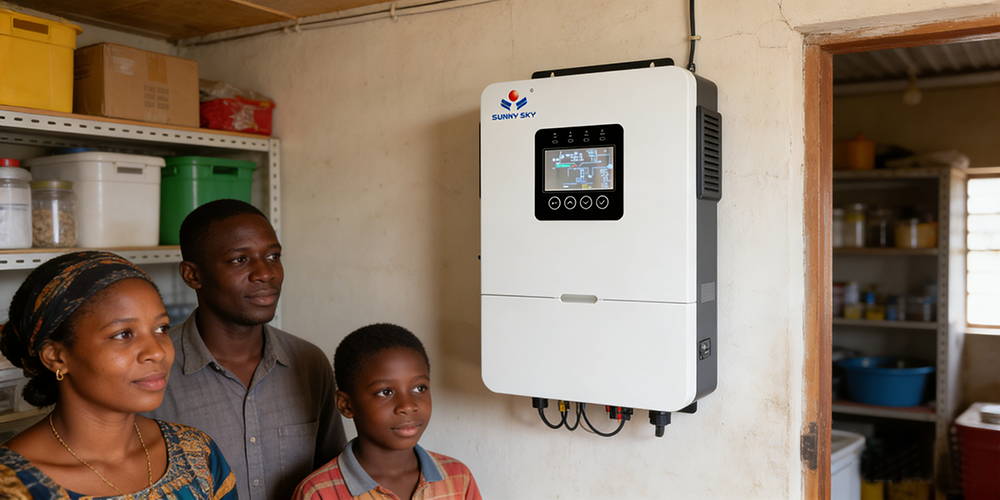
The small footprint is a major attraction of integrated solar power systems for families with limited space. In traditional systems, battery packs typically require dedicated space, perhaps a separate battery room or even a large equipment room. Integrated solar power systems, with their compact design, usually only require a space the size of a washing machine. Some users have installed them in corners of balconies, garages, or even indoors. The integrated design also reduces cable length and complexity, resulting in a cleaner look and enhanced safety.
Intelligent management features are a key reason for the increasing popularity of integrated solar power systems. Modern integrated solar power systems are generally equipped with intelligent energy management systems, allowing users to check system status, power generation, power consumption, battery level, and other information anytime via a mobile app. Some products also support remote diagnostics and firmware upgrades, allowing manufacturers to troubleshoot problems and push updates remotely, reducing the need for on-site maintenance. User feedback indicates that intelligent monitoring is one of the most satisfying features of integrated solar power systems, providing real-time visibility into power generation and storage, giving users the feeling of "putting the sun in their pocket."
Centralized after-sales service is another advantage of all-in-one systems. In traditional systems, you contact the manufacturer of the component that malfunctions, resulting in high communication costs and slow response times. With all-in-one systems, you only need to deal with one manufacturer, making after-sales responsibility clear and straightforward. Any problems arising during the warranty period are handled centrally by the all-in-one system manufacturer. Some users have mentioned that in traditional systems, the three components are under warranty by different manufacturers, and coordinating with each manufacturer when problems occur consumes a lot of time and energy. All-in-one systems eliminate this hassle.
III. Limitations and shortcomings of integrated solar power systems
No product is perfect, and integrated solar power systems are no exception, with their limitations and shortcomings. It's essential to fully understand these limitations before making a purchase decision.
The most criticized drawback of all-in-one PCs is their lack of maintenance flexibility. Due to the high integration of components, maintenance of all-in-one PCs usually requires the entire unit to be powered off. If only the battery or a single component in the inverter fails, the entire cabinet may need to be disassembled for repair or replacement. Some brands require on-site service from the manufacturer's technicians, making it difficult for users to handle the problem themselves. In contrast, traditional systems allow for the replacement of only the faulty component, leaving other components unaffected, offering greater flexibility.
High upgrade costs are another issue to consider. Solar technology is developing rapidly, with new products being launched every year offering higher efficiency and larger capacity. In traditional systems, users can replace solar panels or upgrade batteries individually, only replacing the necessary parts, keeping costs under control. Upgrading integrated systems usually requires replacing the entire system, resulting in higher costs. Some users have reported wanting to increase the battery capacity of integrated systems purchased three years ago, but the expandability of older models is limited, forcing them to either accept the capacity limitations or replace the entire old equipment.
The relatively high price is an objective fact. Because all-in-one units include core components such as inverters and energy storage batteries, and also incorporate R&D and integration costs, their price is typically 10% to 20% higher than purchasing individual components separately and assembling them. For users with limited budgets, whether this premium is worthwhile needs careful consideration. However, some users believe that the advantages of all-in-one units, such as optimized integration, convenient installation, and centralized after-sales service, already cover this premium.
Limited capacity selection is an inherent characteristic of integrated solar panels. Traditional systems allow for flexible configuration of the number of solar panels, battery capacity, and inverter power, offering significant flexibility in capacity adjustment. Integrated solar panels, however, have a fixed capacity; the ratio of solar panels to batteries is determined at the factory, limiting users to a selection of models. If a user's electricity needs fall between two available models, they may face the dilemma of choosing between insufficient or wasted capacity.
There are certain requirements for the installation environment. Although all-in-one PCs don't require a dedicated equipment room, they can't be placed just anywhere. The device needs to be installed in a well-ventilated, dry environment, away from direct sunlight, with a temperature range typically between -10°C and 45°C. Poor installation conditions, such as poorly ventilated, hot environments or damp basements, will affect the device's lifespan and performance. Before choosing an all-in-one PC, you need to confirm that you have a suitable location in your home.
IV. Real User Experience and Purchase Recommendations
Having discussed the advantages and limitations, here are my purchasing suggestions based on years of industry experience to help you determine if an all-in-one PC is right for you and how to choose a reliable product.
Let's first discuss which types of families are suitable for an all-in-one solar water heater. The first suitable scenario is urban families with high electricity bills. Currently, residential electricity prices in many cities range from 0.5 to 0.8 yuan per kilowatt-hour, with some areas having peak-valley pricing, and prices even higher during peak evening hours. After installing an all-in-one solar water heater, solar power is generated during the day, and the excess electricity is stored in the battery for use at night, effectively reducing electricity costs. All-in-one heaters are particularly suitable for families with high electricity consumption, especially during the day or evening, such as retired seniors who are at home during the day or families with full-time caregivers. The second suitable scenario is families concerned about power outages. In some areas, the power grid is not stable enough, especially during peak summer electricity consumption or in the event of extreme weather, which may lead to unplanned power outages. An all-in-one solar water heater with a battery can provide continuous power during power outages, ensuring that basic living needs are not affected. The third suitable scenario is families who value a clean and aesthetically pleasing design. Compared to the numerous devices and complex wiring of traditional systems, all-in-one heaters have a neat appearance and small footprint, making them particularly suitable for users who value their home environment and do not want clutter to affect aesthetics.
After discussing applicable scenarios, let's also talk about which types of households might not be suitable for all-in-one systems. First, households with very tight budgets. If their budget only allows for the most basic configuration, traditional systems may offer better value. Second, households with exceptionally high power demands or special needs. For example, those requiring the operation of high-power industrial equipment or powering an entire building may find the capacity of an all-in-one system insufficient, necessitating a customized system solution. Third, users with deep customization needs. For instance, those wanting to integrate with various renewable energy sources or requiring deep integration with smart home systems may find traditional systems offer greater customization options.
If you've confirmed that the all-in-one PC suits your needs, the next step is to consider a few key points in the purchasing process.
First, consider the brand and manufacturer's strength. Solar panel systems are not short-term consumer goods; their lifespan is typically over ten years. The manufacturer's strength directly affects the product's long-term reliability. Choose brands with independent R&D capabilities, production facilities, and a comprehensive after-sales network. Avoid purchasing low-priced products without quality guarantees or unregistered, generic products. How to assess a manufacturer's strength? Check the company's registration date, whether they own a factory, and whether they have relevant certifications and testing reports. You can also search for other users' reviews and feedback.
Secondly, examine the parameters of the core components. For solar panels, consider power output and conversion efficiency. Currently, mainstream residential panels have a single-panel power output between 400 and 550 watts, with a conversion efficiency between 21% and 23%. For batteries, consider capacity and cycle life. Lithium iron phosphate batteries typically have a cycle life of 4,000 to 6,000 cycles and can be used for over fifteen years. For inverters, consider conversion efficiency and the number of MPPTs (Multi-Level Photovoltaics). Higher conversion efficiency is better, and more MPPTs provide greater adaptability to complex installation environments.
Thirdly, examine the warranty terms and after-sales policies. The warranty period is a crucial reference point; generally, solar panels are warranted for 10 to 25 years, inverters for 5 to 10 years, and batteries for 5 to 10 years. For integrated systems, as a complete product, the warranty is usually provided by the manufacturer, and a longer warranty period is better. It's also essential to understand the scope and process of the warranty, such as whether on-site repair is provided, the repair cycle, and the availability of spare parts. The speed of after-sales service response is extremely important in critical moments.
Fourth, look at actual user feedback. Searching for other users' reviews online is an effective way to judge, but you need to be careful to filter out genuine user feedback. You can join some solar energy user exchange groups to hear the real experiences of users who have already purchased and used the products. Pay attention to what users frequently complain about, whether it's a problem with the product itself or with installation and debugging; this information is very valuable for making a purchase decision.
Fifth, assess the price reasonably. The price of an all-in-one PC is mainly related to its capacity; common 3kW to 10kW models range from over ten thousand yuan to fifty or sixty thousand yuan. When inquiring about prices, don't just look at the absolute price; also consider whether the configuration is reasonable. For the same capacity, different brands can have prices that differ by 30% or more. This difference may stem from brand premium, quality differences, or functional differences. Compare prices from several vendors, understand market conditions, and avoid buying overpriced products or unreliable low-priced products.
Conclusion
Returning to the original question: Is an integrated solar power system worth buying?
The answer to this question depends on your specific needs and usage scenarios. For most urban households, if your main goals are to save on electricity bills, cope with temporary power outages, and pursue a simple and aesthetically pleasing installation, an integrated solar power system is a worthwhile option. It is easy to install, intelligently managed, and offers unified after-sales service, saving you the hassle of selecting and coordinating with multiple manufacturers.
However, if you have a limited budget, specific electricity needs, or want to maintain the flexibility to upgrade your system, a traditional solar system might be more suitable. Integrated systems aren't the optimal solution for everyone; the key is to understand your own needs and choose the solution that best suits you.
Before making a final decision, it's advisable to consult with several suppliers to obtain detailed technical solutions and quotes, and to conduct thorough comparisons before making a decision. A solar system is a significant investment, so spending time doing your research is worthwhile.
Hopefully, this article has helped you gain a comprehensive and objective understanding of integrated solar water heaters, enabling you to make the right choice for your family. If you have any further questions, please feel free to continue the discussion.
Please contact Simon immediately to discuss your project:
• WeChat: TY530643572
• Telephone: +86 137 1166 0041