Foreword
In today's pursuit of clean energy and energy independence, more and more households, businesses, and outdoor applications are focusing on off-grid solar systems. As a core component of off-grid systems, the choice of off-grid inverter directly determines the stability, reliability, and lifespan of the entire system. Unlike grid-connected inverters, off-grid inverters require an independent power system, managing solar panel power generation, controlling battery charging and discharging, and coordinating generator operation when necessary. This article will provide a comprehensive analysis of all the key aspects of off-grid inverters, from principles to selection, to help you make informed decisions.
I. What is an off-grid inverter? What are its core advantages?
An off-grid inverter is a power conversion device specifically designed for independent solar systems that are disconnected from the power grid. Its core function is to convert the direct current (DC) generated by solar panels into alternating current (AC) for use in homes or industrial equipment. Simultaneously, it manages the charging and discharging process of the battery pack, discharging from the battery when solar power generation is insufficient and storing excess energy in the battery when solar power is abundant. Unlike grid-connected inverters, off-grid inverters are not connected to the power grid and therefore do not need to meet strict grid connection standards, but they do require stronger autonomous energy management capabilities.
From a working principle perspective, off-grid inverters typically contain the following core components: The inverter bridge is the core power module of the off-grid inverter, usually employing IGBT or MOSFET power devices, responsible for converting DC to AC, outputting a pure sine wave or modified sine wave current. The MPPT controller tracks the maximum power point of the solar panels, ensuring maximum energy extraction from the solar panels under any light and temperature conditions; it is a key component affecting the system's power generation efficiency. The **Battery Management System (BMS)** monitors parameters such as battery voltage, current, temperature, and SOC (State of Charge), controlling the charging process and preventing damage to the batteries from overcharging, over-discharging, and overcurrent. The charging controller coordinates the energy flow of solar charging, battery discharging, and load power supply, automatically switching operating modes based on real-time power generation and demand. Protection circuits include overload protection, short-circuit protection, over-temperature protection, and reverse connection protection, ensuring safe system operation under various abnormal conditions.
Off-grid inverters offer several key advantages over other energy solutions. First, complete energy independence – off-grid systems do not rely on the power grid, ensuring a stable and reliable power supply even in remote areas, islands, deserts, or locations not covered by the grid. This is the optimal solution for areas lacking power infrastructure or experiencing unstable power supply. Second, zero electricity costs – once installed, the cost of generating electricity for off-grid solar systems is virtually zero, except for minimal maintenance costs. Unlike grid-connected systems that require electricity payments, off-grid users can truly achieve electricity freedom. Third, environmental sustainability – off-grid systems rely entirely on solar power, producing no carbon emissions or air pollution, making them truly green and clean energy. In the context of global climate change mitigation, using off-grid solar systems is not only an economic choice but also an environmental responsibility. Fourth, addressing grid instability – even in urban areas, power outages, voltage fluctuations, or power rationing can occur. Off-grid systems can serve as backup power, seamlessly switching to off-grid mode during grid failures to ensure the continuous operation of critical loads. Fifth, rapid deployment and flexible mobility—compared to the complex approval and construction processes required for grid connection, off-grid systems are relatively simple and quick to install, and can be relocated or expanded as needed, making them particularly suitable for temporary power supply scenarios, field operations, emergency rescue, and other applications. Sixth, significant long-term economic benefits—although the initial investment for off-grid systems is higher than that for grid-connected systems, considering the 10-25 years without electricity bills, and the potential grid connection and capacity expansion costs, the total life-cycle cost of off-grid systems is often more advantageous.
II. What are the main types of off-grid inverters?
Depending on their power rating, system architecture, and functional positioning, off-grid inverters can be divided into various types, each with its own characteristics and applicable scenarios.
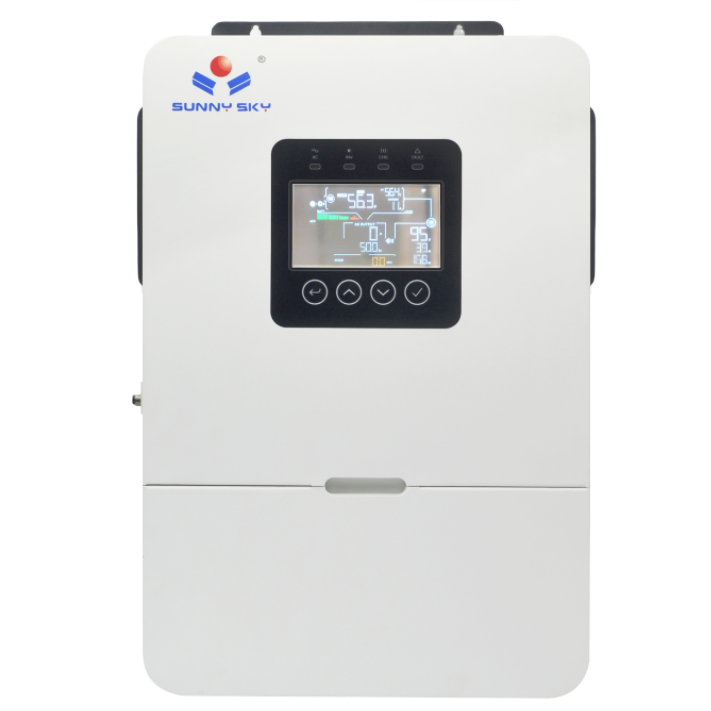
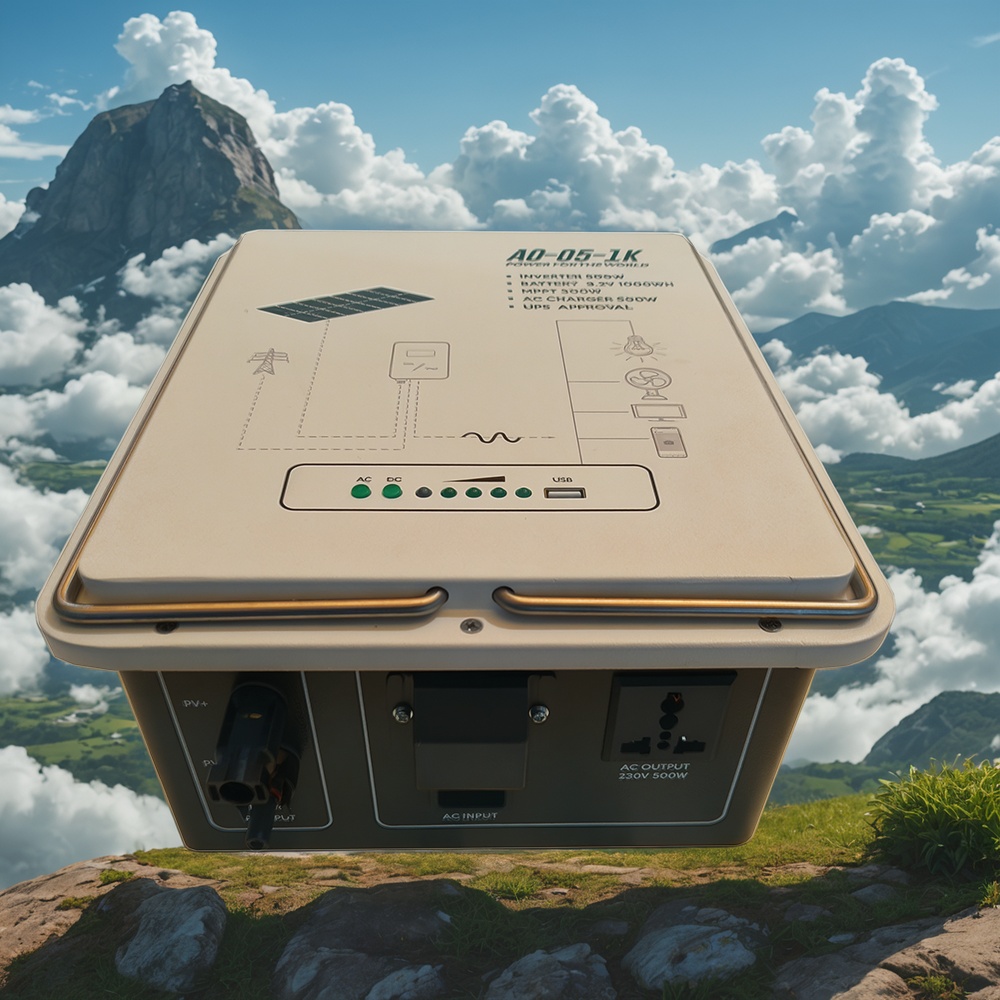
Low-power off-grid inverters (≤3kW) are ideal for small home systems, RVs, boats, or outdoor camping. These inverters are typically compact, lightweight, and economical, suitable for supporting basic loads such as lighting, televisions, refrigerators, and chargers. Typical products offer both modified sine wave and pure sine wave output waveforms; pure sine wave products are recommended as modified sine waves may damage or cause noise to inductive loads (such as air conditioners and compressors). Input voltage is usually 12V or 24V, requiring compatible solar panels and batteries. Some products also integrate an MPPT controller and USB charging port for multi-functionality.
Medium-power off-grid inverters (3kW-10kW) are the mainstream choice for ordinary household off-grid systems, meeting the daily electricity needs of most families, including high-power appliances such as lighting, air conditioners, water heaters, and washing machines. These inverters typically support 24V or 48V battery input, support the connection of higher-power solar panels, and have more comprehensive protection functions and communication capabilities. Some products support diesel generator interfaces, allowing generators to be started to supplement power during consecutive cloudy days. Typical products have built-in MPPT controllers with a maximum power of over 5000W, supporting multiple solar panels connected in series or parallel. The output waveform is entirely pure sine wave, which can safely drive any type of household appliance.
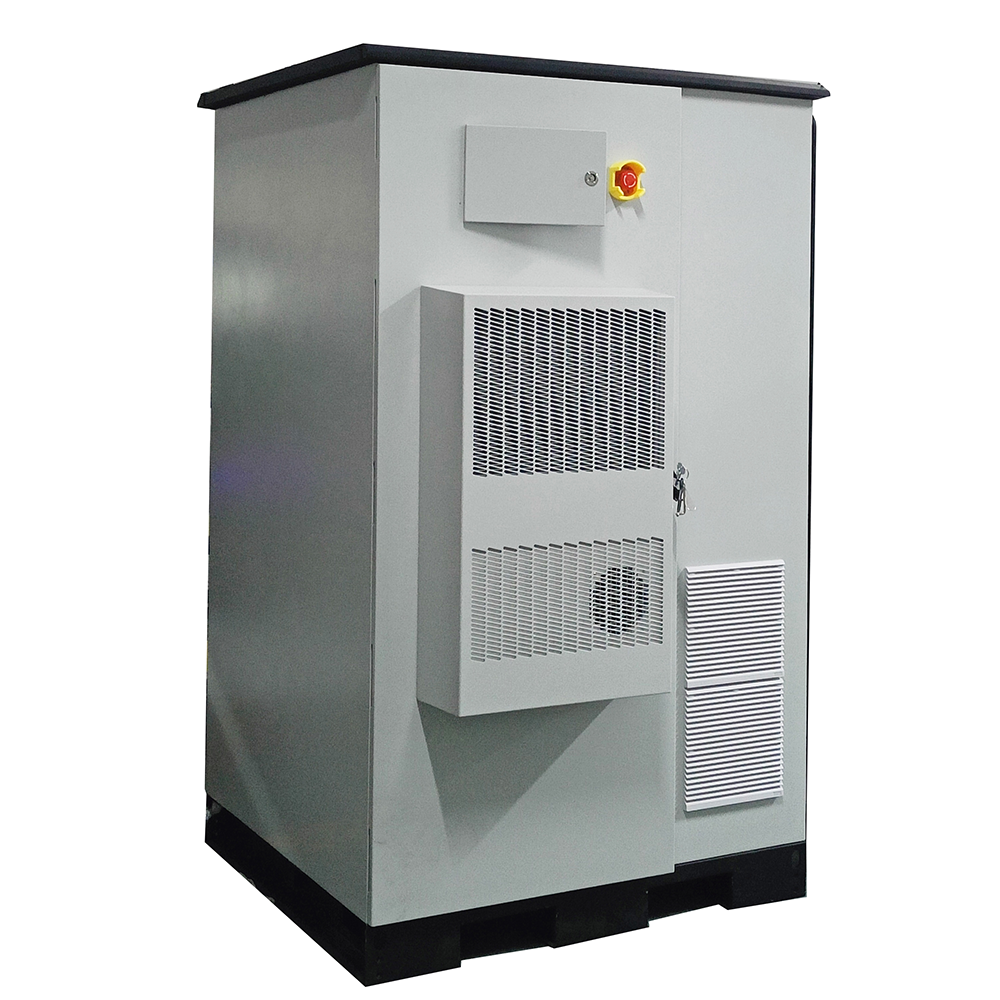
High-power off-grid inverters (10kW-30kW) are suitable for scenarios requiring large power supplies, such as villas, commercial and industrial buildings, farms, hospitals, and communication base stations. These inverters typically employ a three-phase output design, capable of driving high-power loads such as three-phase motors, air conditioning systems, and industrial equipment. The input voltage is usually 48V or high-voltage DC (e.g., 200V-400V) to reduce transmission losses and improve efficiency. High-end products support parallel connection of multiple inverters for capacity expansion, allowing for flexible system capacity expansion to 100kW or even higher. High-power off-grid inverters usually require the use of specialized energy storage battery packs and power distribution systems, necessitating professional system design and installation.
Hybrid off-grid inverters (with generator interface) are the most comprehensive type of off-grid inverter. In addition to all the functions of a standard off-grid inverter, they also support automatic start-up and coordinated control of diesel or gasoline generators. When solar power is severely insufficient or battery power drops to a preset threshold, the inverter can send a start signal to the generator. Once started, the generator automatically supplies power to the load and simultaneously charges the battery. When solar power recovers or the battery power is sufficient, the inverter sends a signal to shut down the generator, achieving fully automated operation. This type of inverter is particularly suitable for remote areas where the grid is completely unavailable, or for scenarios with strict power supply requirements that cannot be interrupted, such as hospitals, data centers, and communication base stations.
Off-grid inverters (line frequency vs. high frequency) are categorized based on their power conversion technology. Line frequency inverters use traditional 50Hz/60Hz transformers for voltage conversion. Their advantages include simple structure, high reliability, strong shock resistance, and suitability for inductive loads (such as air conditioner and refrigerator compressors). Disadvantages include larger size, heavier weight, relatively lower efficiency (approximately 85%-90%), and higher noise levels. High frequency inverters use high-frequency switching technology (20kHz-100kHz) for power conversion. Their advantages include smaller size, lighter weight, higher efficiency (approximately 90%-95%), and lower noise. Disadvantages include slightly weaker shock resistance, and some products have limitations on load types. When purchasing, the choice should be based on the actual load characteristics and installation environment. If the main load is inductive, such as air conditioners or refrigerators, line frequency inverters are recommended. If high efficiency and compact size are prioritized, high frequency inverters are a better choice.
III. How to choose a suitable off-grid inverter?
Choosing an off-grid inverter requires considering multiple factors; the following are key decision points.
Power selection is the primary consideration. The power of the off-grid inverter should meet the total power demand of all simultaneously operating loads, with a certain margin. The selection steps are as follows: First, list all appliances that may be used simultaneously and their power ratings; second, calculate the total power (note that you should not simply add up the power of all appliances, as it is unlikely that all appliances will operate simultaneously); third, select an inverter with a power rating of 1.2-1.5 times the total load power. Taking a typical family of three as an example: refrigerator (150W), lighting (100W), television (100W), air conditioner (1500W), washing machine (500W), water heater (1500W), microwave oven (1000W). If the air conditioner and water heater may be used simultaneously, plus other basic loads, the total power is approximately 4000W. It is recommended to choose a 5kW-6kW inverter. If the budget is limited, a strategy of using high-power appliances on a time-sharing basis can be chosen.
The input voltage needs to match the battery voltage. Common off-grid inverter input voltages are 12V, 24V, and 48V. Higher voltages result in lower transmission losses and higher system efficiency. For low-power systems (<1kW), 12V is a good choice, allowing direct charging of 12V batteries using solar panels. For medium-power systems (1kW-5kW), 24V is the optimal balance. For high-power systems (>5kW), 48V is recommended to reduce current and cable losses. It is crucial that the inverter's input voltage perfectly match the battery pack voltage; a 24V inverter cannot use a 48V battery, and vice versa.
The specifications of the MPPT controller directly affect the efficiency of solar power generation. The specifications of the MPPT controller mainly depend on two parameters: maximum input voltage and maximum input current. The maximum input voltage should be higher than the open-circuit voltage (Voc) of the solar panels connected in series, with a 10%-20% margin to prevent damage caused by increased Voc at low temperatures. The maximum input current determines how many solar panels can be connected; the total input power should not exceed the rated power of the MPPT controller. For example, an inverter supporting a 60V/30A MPPT can connect up to 1800W of solar panels (30A×60V). If more powerful solar panels need to be connected, a product with multiple MPPTs or a larger MPPT specification should be selected.
The output waveform determines which electrical appliances can be used. Pure Sine Wave inverters output sinusoidal AC power identical to the grid voltage, capable of driving any type of load, including sensitive appliances such as refrigerators, air conditioners, washing machines, and microwave ovens. They are the mainstream choice for off-grid inverters. Modified Sine Wave inverters output a square wave waveform that approximates a sine wave, which may cause malfunctions in sensitive appliances, increased heat generation, and increased noise. They are only suitable for driving purely resistive loads (such as light bulbs and heaters) or appliances with less stringent waveform requirements. In summary, pure sine wave inverters are strongly recommended. Although slightly more expensive, they offer wider applicability and greater safety for appliances.
Brand and quality are crucial to the user experience over 10 years. Off-grid inverters are durable goods used for long periods, making the selection of a reliable brand paramount. Leading brands include: Victron Energy (Netherlands, excellent quality, higher price, excellent global user reputation), OutBack Power (USA, professional-grade products suitable for high-end applications), Morningstar (USA, leader in solar controllers), GoodWe (China, leader in energy storage, high cost-performance ratio), and Growatt (China, high market share in residential applications). When purchasing, focus on the brand's after-sales service network, warranty policy (usually 5-10 years), and spare parts supply capabilities.
Certification and safety are fundamental guarantees of product quality. When purchasing, ensure the product possesses the following certifications: CE (EU market access), UL (North American market access), CQC (China market access), and IEC 62109 (photovoltaic inverter safety standard). Furthermore, the product should have comprehensive protection functions: overload protection, short circuit protection, over-temperature protection, input over-voltage/under-voltage protection, output over-voltage/under-voltage protection, and battery overcharge/over-discharge protection. Products with EMC (electromagnetic compatibility) certification can reduce interference with other electronic equipment.
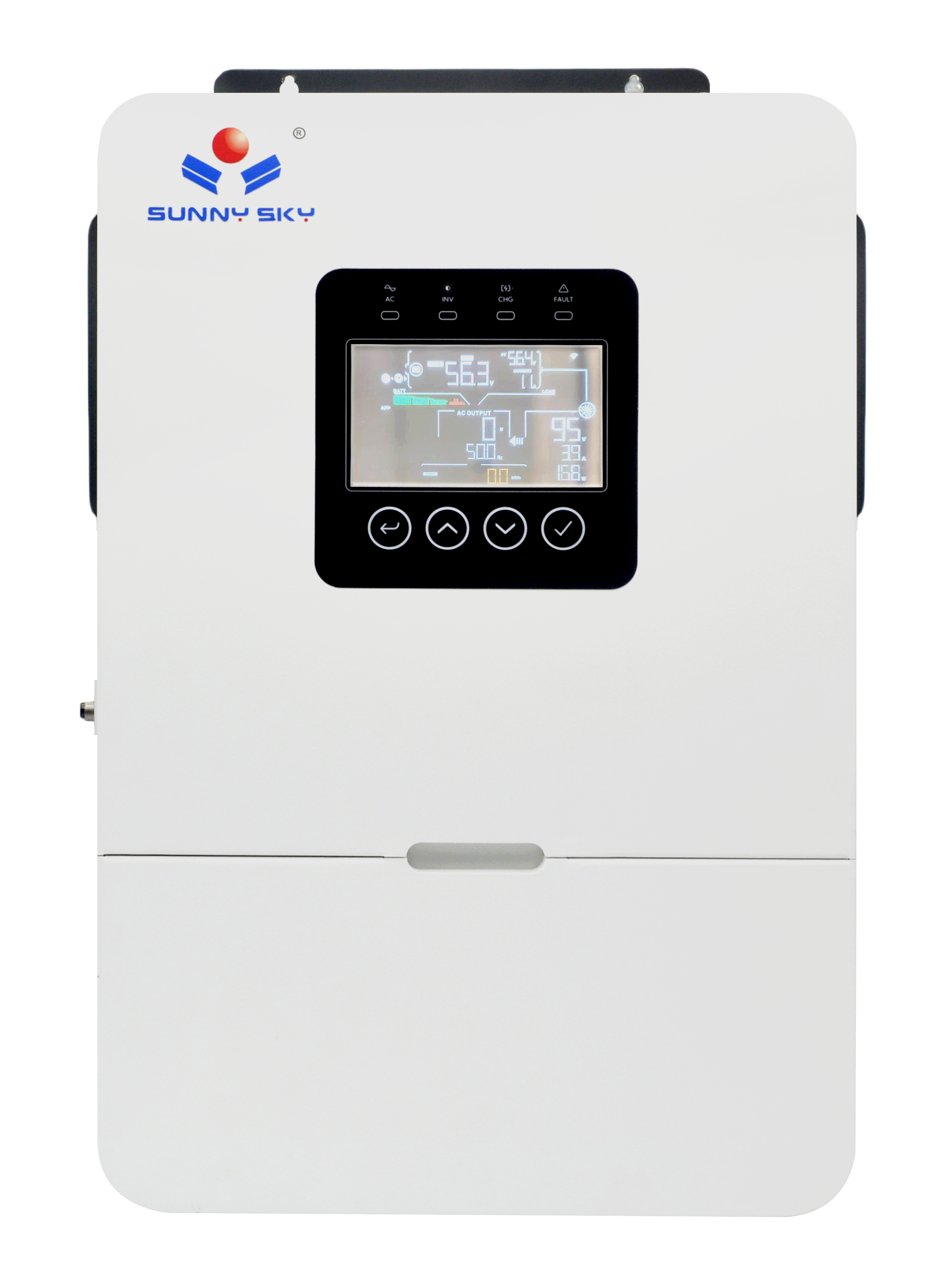
Communication and monitoring enhance the user experience. Modern off-grid inverters typically support multiple communication methods: a built-in LCD display shows real-time parameters and historical data; RS485 or USB interfaces allow connection to a computer for parameter settings; WiFi or Bluetooth modules enable remote monitoring via a mobile app; some products support cloud platforms and web interfaces, allowing users to view system status anytime, anywhere. Products with intelligent monitoring capabilities can help users promptly detect system anomalies, optimize energy usage strategies, and improve overall system efficiency.
IV. Installation, Use and Maintenance of Off-Grid Inverters
Proper installation, use, and maintenance can extend the lifespan of off-grid inverters, ensure safe system operation, and maximize return on investment.
Choosing the installation location is the first step in installing an inverter. Off-grid inverters should be installed in a well-ventilated, dry environment free from corrosive gases and direct sunlight, with an optimal operating temperature of 15-35℃. High temperatures will reduce inverter efficiency and accelerate aging; for every 10℃ increase in temperature, the inverter's lifespan is reduced by approximately half. For large off-grid systems, inverters are typically installed in a dedicated server room or power distribution room; for smaller systems, they can be installed in garages, basements, or tool sheds. Inverters should be kept away from flammable and explosive materials, maintaining at least 10cm of ventilation space around them. Do not install inverters in bedrooms or areas where people spend a lot of time, as some inverters will produce noise when operating at full load.
Regarding installation specifications, the installation of off-grid inverters must comply with local electrical safety regulations and is recommended to be carried out by a certified electrician. Dedicated photovoltaic cables or lithium battery cables should be selected for the DC side, and the cross-sectional area should be chosen according to the current (refer to a current carrying capacity of 4-6A per square millimeter). Cable joints must be crimped using professional tools to ensure good contact; positive and negative terminals must be connected correctly, as reverse connection will damage the inverter. The AC side must be reliably grounded, and the grounding resistance should be less than 4 ohms. All connections must be secure, and regular checks should be conducted for any looseness. Battery packs should be installed in a dedicated battery cabinet or battery room, ensuring ventilation (some batteries may release a small amount of gas).
In daily use, off-grid inverters typically require no manual operation and operate fully automatically. However, users should pay attention to the following: regularly (weekly or monthly) check the system's operating status via the display screen or mobile app, including today's power generation, battery level, and load power; pay attention to any alarms or fault messages, and address any abnormalities promptly; avoid prolonged overload operation, as long-term full-load or overload operation of the inverter will accelerate aging and reduce efficiency; if a generator needs to be connected, connect the generator interface correctly according to the instruction manual and set the automatic start and stop parameters.
Regarding troubleshooting common faults, here are some common problems and solutions: If the inverter does not start, first check if the DC switch is closed, if the battery has power (the charge should not be lower than 20%), and if the solar panel has voltage output; if the inverter displays "overload protection," it means the load power exceeds the inverter's rated power, and some loads should be turned off before restarting; if the inverter overheats severely, check for poor ventilation or excessively high ambient temperature, and clean the dust from the radiator; if the power generation is significantly lower than expected, check if the solar panel is obstructed or contaminated, and if the MPPT setting is correct; if the battery does not fully charge, check if the solar panel power is sufficient, if there has been a prolonged period of cloudy weather, and if the battery is aging. If you encounter problems that you cannot solve, contact after-sales service promptly; do not attempt to disassemble or repair it yourself.
For regular maintenance, it is recommended to perform a professional inspection and maintenance every six months to one year: Clean the inverter heat sink and fan (if applicable) to ensure unobstructed heat dissipation channels; check all DC and AC cable connections for tightness, damage, or aging; check the grounding system for integrity; check the battery pack connections for good condition and measure the battery voltage for balance; for lead-acid batteries, check the electrolyte level (if maintainable); check if the inverter firmware is the latest version, as some brands support remote upgrades; record system operating data and fault history for future maintenance reference.
Conclusion
Off-grid inverters are the core of off-grid solar systems, and their quality and performance directly determine the reliability, efficiency, and lifespan of the entire system. From small systems of a few hundred watts to medium-to-large systems of tens of kilowatts, from simple solar power generation to complex multi-energy complementary systems of "solar energy + battery + generator," off-grid inverters play an irreplaceable role in every scenario.
When selecting an off-grid inverter, multiple factors should be considered, including power matching, input voltage, MPPT specifications, output waveform, brand reputation, certification standards, and communication functions, to choose the product best suited to your needs. At the same time, proper installation, use, and maintenance are equally important, as they ensure the off-grid inverter remains in optimal condition, providing a stable and reliable power supply for your life and production.
Please contact Simon immediately to discuss your project:
• WeChat: TY530643572
• Telephone: +86 137 1166 0041