Foreword
In solar energy storage systems, battery selection is crucial. Over the past decade, the technological landscape of energy storage batteries has undergone dramatic changes. From the early dominance of lead-acid batteries to the emergence of ternary lithium batteries, and now to the dominance of lithium iron phosphate batteries—the technological competitive landscape of energy storage batteries has become largely clear.
If you follow the solar energy industry, you've likely heard of "lithium iron phosphate (LFP) batteries." Most new solar energy storage projects use this type of battery, and many manufacturers are heavily promoting LFP battery products. But you might still have questions: What exactly is a lithium iron phosphate battery? How does it differ from previously used batteries? Why has it become the mainstream energy storage solution?
This article will answer these questions. I will start with the basic characteristics of lithium iron phosphate batteries, analyze their core advantages and current challenges, compare them with other common battery types, and finally provide purchasing advice for different application scenarios. After reading this article, you will understand why lithium iron phosphate batteries have become the mainstream energy storage battery, and what key indicators to focus on when purchasing them.

I. What is a lithium iron phosphate battery?
To understand why lithium iron phosphate batteries have become the mainstream energy storage solution, we first need to understand their basic structure and principles.
The positive electrode material of a lithium iron phosphate battery is lithium iron phosphate, with the chemical formula LiFePO4, hence the "iron phosphate" in its name. The negative electrode material is usually graphite. During battery operation, lithium ions are inserted and extracted between the positive and negative electrodes, achieving the charging and discharging process; this is the basic principle of a lithium-ion battery. Unlike ternary lithium batteries used in mobile phones and electric vehicles, lithium iron phosphate batteries do not contain rare metals such as cobalt and nickel, which is also an important characteristic.
From the outside, lithium iron phosphate batteries and ternary lithium batteries are not significantly different; both use prismatic or cylindrical cells. The real difference lies in their internal material formulation and chemical properties. Lithium iron phosphate materials have an olivine structure, offering good stability and high safety, but with relatively low energy density. Ternary materials have a layered structure, resulting in high energy density, but poor thermal stability. These two different characteristics determine their suitability for different application scenarios.
The application requirements for energy storage batteries and power batteries differ significantly. Energy storage batteries prioritize high safety, long lifespan, and low cost, with relatively lower energy density requirements. Power batteries, on the other hand, need to maximize energy density to extend driving range while ensuring safety. This explains why early electric vehicles extensively used ternary lithium batteries, while energy storage projects increasingly opt for lithium iron phosphate batteries—different application scenarios require different technological approaches.
Lithium iron phosphate (LFP) batteries can be categorized into several types based on their form factor. One type is the prismatic cell, with a regular shape that facilitates PACK assembly and is currently the most common form in energy storage systems. Another type is the cylindrical cell, which boasts mature technology and good consistency, but its assembly efficiency is slightly lower. A third type is the pouch cell, which has high energy density but relatively weaker mechanical strength. In the residential energy storage field, prismatic cells are the mainstream; cylindrical cells are also widely used in some small-scale applications.
After understanding the basic concepts of lithium iron phosphate batteries, we will now analyze why they have stood out in the energy storage market.
II. Core Advantages of Lithium Iron Phosphate Batteries
Lithium iron phosphate batteries have achieved dominance in the energy storage market due to several significant advantages.
High safety is the biggest advantage of lithium iron phosphate (LFP) batteries. The safety of energy storage systems has always been a major concern. Batteries may experience thermal runaway under abnormal conditions such as overcharging, over-discharging, short circuits, and high temperatures, which can even lead to fires and explosions in severe cases. LFP batteries exhibit significantly better thermal stability than ternary lithium batteries. The decomposition temperature of LFP cathode materials is above 700 degrees Celsius, while ternary materials begin to decompose at 200 to 300 degrees Celsius. This means that even under abnormal conditions, LFP batteries are less prone to thermal runaway, greatly enhancing their safety. In recent years, many fires at energy storage power stations both domestically and internationally have been related to ternary lithium batteries, making safety a primary consideration in energy storage project selection, thus giving LFP batteries more market opportunities.
Long lifespan is another significant advantage. The economics of energy storage systems largely depend on the cycle life of the batteries. Lithium iron phosphate (LFP) batteries typically have a cycle life of 4,000 to 6,000 cycles, with some high-quality products exceeding 6,000 cycles. Assuming daily charge-discharge, 4,000 cycles would provide over ten years of use. In contrast, ternary lithium batteries typically have a cycle life of only 2,000 to 3,000 cycles, roughly half that of LFP batteries. From a total lifecycle cost perspective, LFP batteries have a lower cost per kilowatt-hour and are more economical.
Cost advantage is also a reason for the popularity of lithium iron phosphate (LFP) batteries. Although the initial price of LFP batteries is similar to that of ternary lithium batteries, their longer cycle life results in a lower cost per charge/discharge cycle. Furthermore, LFP batteries do not contain rare metals such as cobalt and nickel, making their raw materials more widely available and more stable in price, unlike ternary lithium batteries which are affected by commodity price fluctuations. In recent years, the price of raw materials for ternary lithium batteries has fluctuated significantly, while the cost of LFP batteries has remained relatively stable, leading more project developers to choose the LFP route.
Excellent high-temperature performance is also an advantage of lithium iron phosphate batteries. Energy storage batteries generate heat during operation, especially in hot regions or during high-power charging and discharging, making temperature control a significant challenge. Lithium iron phosphate batteries can operate normally at temperatures of 60 degrees Celsius or even higher, while ternary lithium batteries experience faster performance degradation and pose higher safety risks at high temperatures. For outdoor installations or in poorly ventilated environments, lithium iron phosphate batteries are more adaptable.
Another often overlooked advantage is the more stable discharge plateau of lithium iron phosphate batteries. Throughout most of the discharge range, the voltage variation of lithium iron phosphate batteries is minimal, which facilitates accurate estimation of the battery's remaining capacity. For users who need to accurately know the remaining battery power, this is a significant advantage in terms of user experience.
III. Limitations of Lithium Iron Phosphate Batteries
No battery technology is perfect, and lithium iron phosphate batteries also have their limitations and shortcomings.
Low energy density is the most significant drawback of lithium iron phosphate (LFP) batteries. Compared to ternary lithium batteries, LFP batteries have an energy density that is approximately 15% to 30% lower. This means that LFP batteries store less energy for the same weight or volume. For applications sensitive to weight and volume, such as electric vehicles, this is a significant disadvantage. Although energy density is not the most critical consideration in energy storage applications, lower density still means that more space is needed to house the batteries.
Poor low-temperature performance is another drawback. The charge and discharge performance of lithium iron phosphate batteries drops significantly in low-temperature environments. Below -10 degrees Celsius, the battery's discharge capacity may only be 70% to 80% of that at room temperature, and charging efficiency will also decrease. If use in cold regions is required, additional insulation or heating measures may be necessary. Ternary lithium batteries, on the other hand, have relatively better low-temperature performance, maintaining good discharge capacity even at -20 degrees Celsius.
Consistency challenges are a key issue that large-scale energy storage systems must address. After lithium iron phosphate (LFP) batteries are assembled into battery packs, parameters such as capacity, internal resistance, and self-discharge rate must remain consistent across all cells; otherwise, the overall performance and lifespan of the pack will be affected. In large-scale energy storage projects, tens of thousands of cells require excellent consistency, placing higher demands on manufacturing processes and battery management systems. While this is a challenge shared by all lithium battery types, the characteristics of LFP batteries necessitate greater attention to this issue.
Another issue is the manufacturing cost problem caused by low tap density. Lithium iron phosphate materials have a relatively low tap density, limiting the amount of electrical energy that can be stored in the same volume, which also affects the battery's energy density. Although this problem primarily affects the power battery sector, understanding the limitations of lithium iron phosphate helps in a comprehensive evaluation of this battery technology.
IV. Comparison with ternary lithium batteries and lead-acid batteries
To fully understand the positioning of lithium iron phosphate batteries, it is necessary to compare them with the other two main battery types.
Compared to ternary lithium batteries, both have their advantages and disadvantages. Ternary lithium batteries have higher energy density, better charge and discharge performance, and better low-temperature performance, making them suitable for applications with high requirements for range and performance, such as electric vehicles. However, ternary lithium batteries have lower safety, their cost is greatly affected by raw material prices, and their cycle life is shorter. Lithium iron phosphate batteries, on the other hand, excel in high safety, long lifespan, and stable cost, but have lower energy density and poorer low-temperature performance. In energy storage applications, safety, lifespan, and cost are the most critical considerations, and the advantages of lithium iron phosphate batteries are more prominent, which is why they dominate the energy storage market.
Compared to lead-acid batteries, the differences are even more pronounced. Lead-acid batteries are traditional energy storage batteries, technologically mature and inexpensive, and were once the mainstream choice for solar energy storage. However, lead-acid batteries have a cycle life of only 500 to 800 cycles, only one-seventh to one-eighth of that of lithium iron phosphate batteries; their energy density is only about one-third of that of lithium iron phosphate batteries, meaning they require more space to house them; their charging efficiency is low, their self-discharge rate is high, and deep discharge severely impacts their lifespan. In summary, although lead-acid batteries have a lower initial price, lithium iron phosphate batteries are actually more economical over their entire lifecycle. This is why more and more new projects are choosing lithium iron phosphate batteries to replace lead-acid batteries.
In summary, the positioning of the three is as follows: lead-acid batteries are gradually being phased out of the mainstream energy storage market; lithium iron phosphate batteries dominate the energy storage field; and ternary lithium batteries still hold an important position in power batteries and some high-end energy storage scenarios.
V. Application Scenarios and Purchase Recommendations
After understanding the advantages and disadvantages of lithium iron phosphate batteries, let's finally talk about their applications in different scenarios and key points for purchasing them.
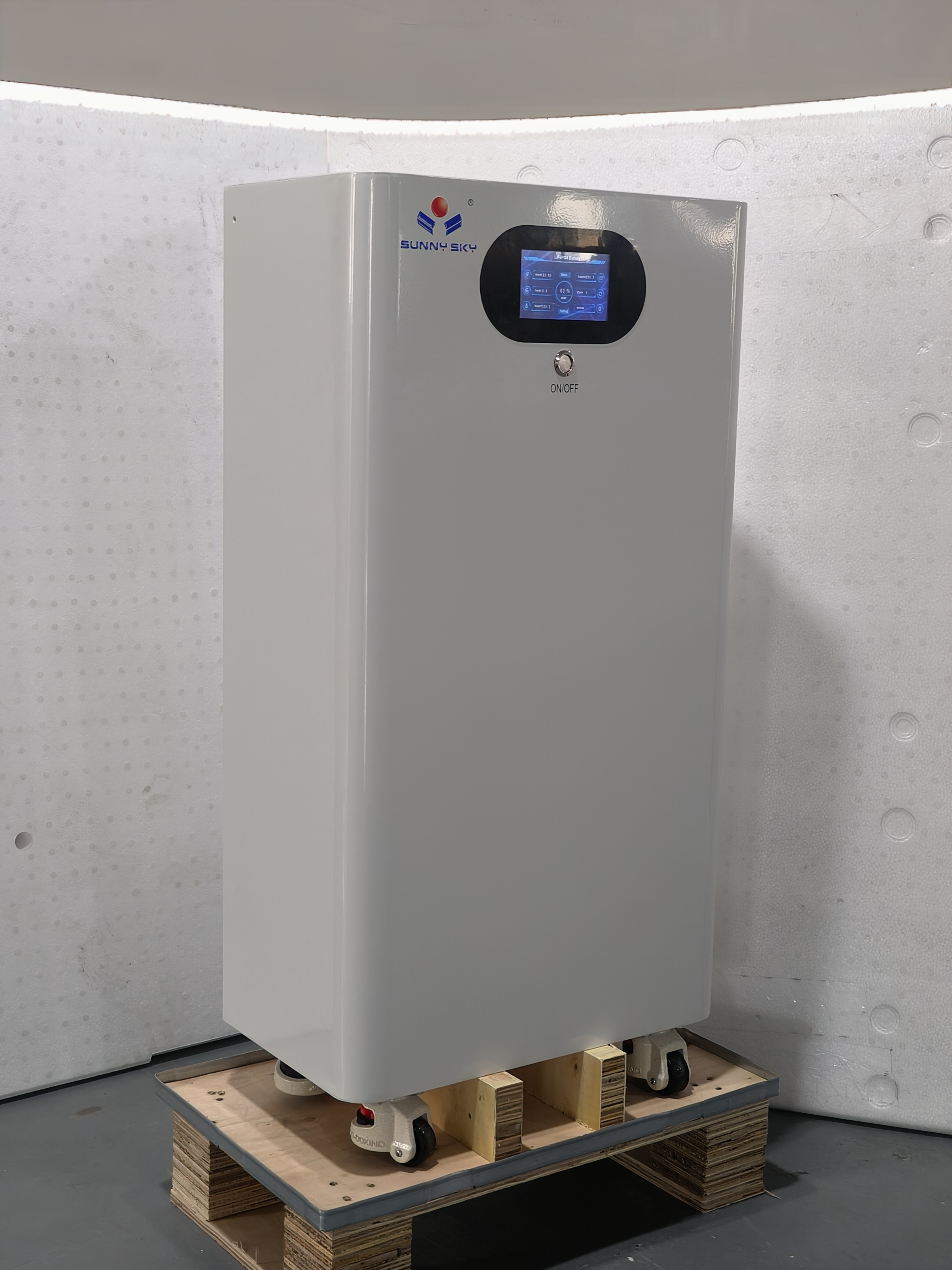
Home energy storage is the largest market for lithium iron phosphate (LFP) batteries. The core requirements for batteries in home use are safety, durability, and reasonable cost. LFP batteries fully meet these requirements. Home energy storage systems with a capacity of 5 to 15 kWh are currently the most common configuration. When choosing a battery, pay attention to several indicators: whether the capacity is sufficient (beware of falsely advertised capacity), whether the cycle life is adequate, the warranty period, and whether it supports the communication protocols of mainstream inverter brands. It is recommended to choose products from reputable brands; cells from major manufacturers such as CATL, BYD, Zhongchuang Xinhang, and EVE Energy offer better quality assurance.
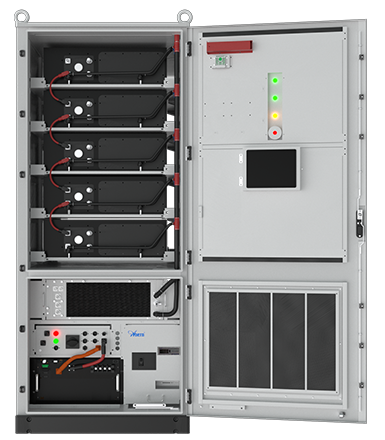
Commercial and industrial energy storage scenarios place higher demands on batteries. Energy storage systems in factories, shopping malls, office buildings, and other similar locations typically have capacities ranging from tens to hundreds of kilowatt-hours, requiring greater system integration capabilities and more sophisticated management systems. Large-scale energy storage systems also need to consider the complexity of the Battery Management System (BMS), thermal management solutions, and fire protection solutions. It is recommended to choose a system integrator with experience in large-scale projects, rather than simply comparing cell prices.
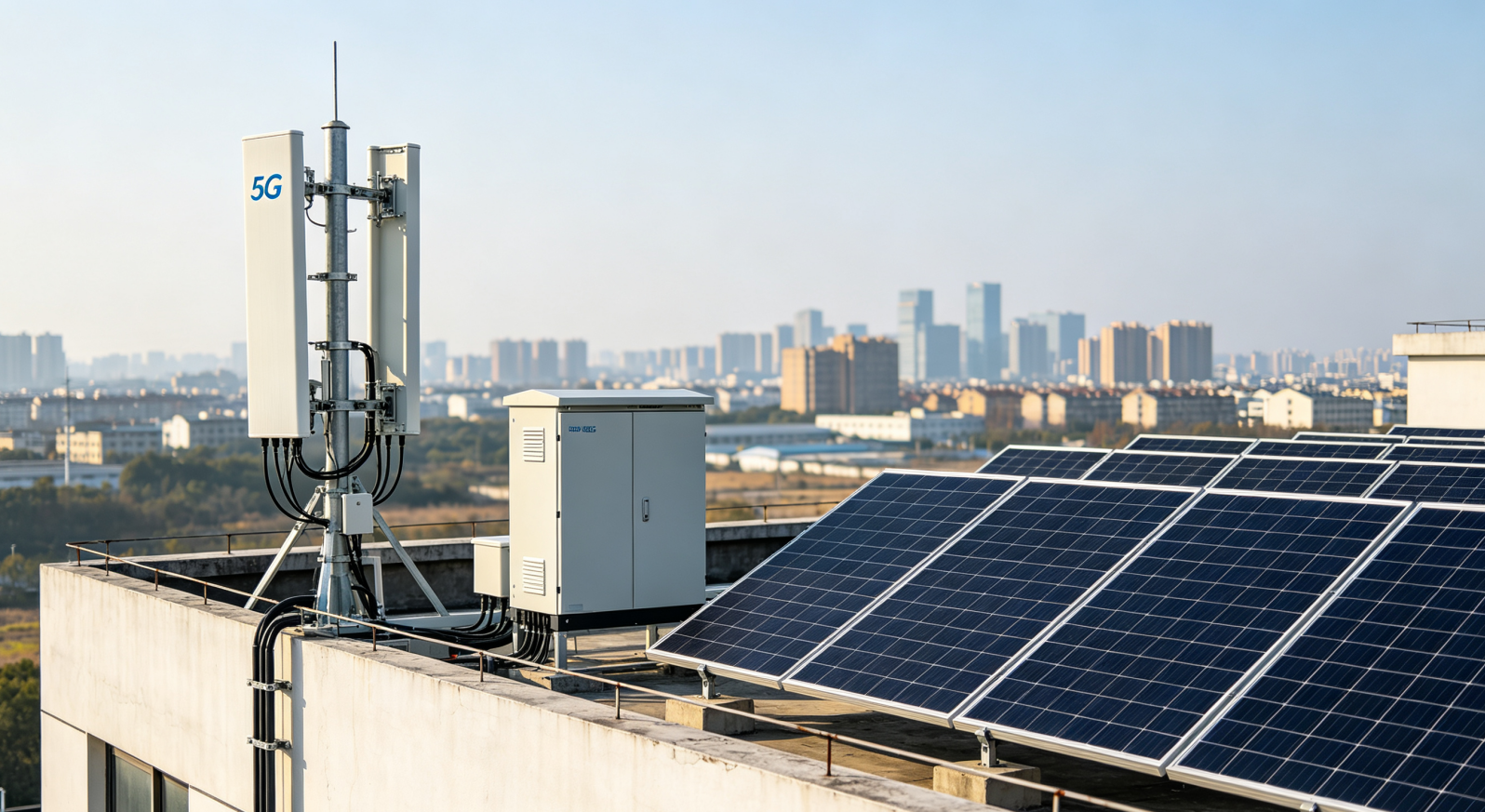
Communication base stations and emergency backup power are traditionally strong areas for lithium iron phosphate (LFP) batteries. These scenarios demand high levels of battery safety, reliability, and lifespan, making LFP batteries virtually the only viable option. Energy storage batteries for communication base stations typically require long lifespan, high-temperature resistance, and maintenance-free operation, requirements that LFP batteries perfectly meet.
There are a few common pitfalls to be aware of when purchasing lithium iron phosphate batteries.
The first pitfall is falsely advertised capacity. This is the most common trick used in low-priced products. A battery labeled as 100 amp-hours may actually only have a capacity of 80 amp-hours or even less. The way to identify this is to ask the supplier to provide genuine test reports, or to conduct charge-discharge tests using professional equipment.
The second pitfall is the refurbishment of old battery cells. Some unscrupulous vendors recycle retired power batteries or energy storage batteries and reassemble them. The actual lifespan of these cells has been significantly reduced. The way to identify this is to check the production date and batch number of the cells and request the supplier to provide a complete traceability system.
The third pitfall is misrepresented cycle life. Some products claim a cycle life of 6,000 cycles, but the testing conditions may be very lenient. The true cycle life should be the data under standard testing conditions (room temperature, 0.5C charge/discharge, 0% to 100% DOD).
The fourth pitfall is the warranty clause trap. Warranty periods and conditions need to be carefully read. Some products claim a 10-year warranty, but the actual terms and conditions often include many exclusions. Choosing products with transparent warranty policies and from reputable manufacturers offers better protection.

Conclusion
The rise of lithium iron phosphate batteries to mainstream energy storage is not accidental, but rather determined by their inherent characteristics. High safety, long lifespan, and stable cost give them a unique advantage in energy storage, a field with extremely high requirements for safety and economy. Although they have limitations in energy density and low-temperature performance, these shortcomings have a relatively small impact on energy storage applications.
With technological advancements, the energy density of lithium iron phosphate (LFP) batteries continues to improve, while their cost continues to decrease. In the coming years, the position of LFP batteries in the energy storage field is expected to be further solidified. For users considering installing solar energy storage systems, choosing LFP batteries is a sound option.
Hopefully, this article will help you understand the characteristics and applicable scenarios of lithium iron phosphate batteries, allowing you to make a more informed decision when purchasing them.
Please contact Simon immediately to discuss your project:
• WeChat: TY530643572
• Telephone: +86 137 1166 0041