tianyuansolar@gmail.com

Hybrid Solar Kit in Nigeria: An Expert Guide to Clean, Reliable Power

  • News
Posted by SUNNYSKY On Jun 17 2025

Hybrid Solar Kit in Nigeria: An Expert Guide to Clean, Reliable Power

1. Why Hybrid Solar Fits Nigeria’s Energy Reality

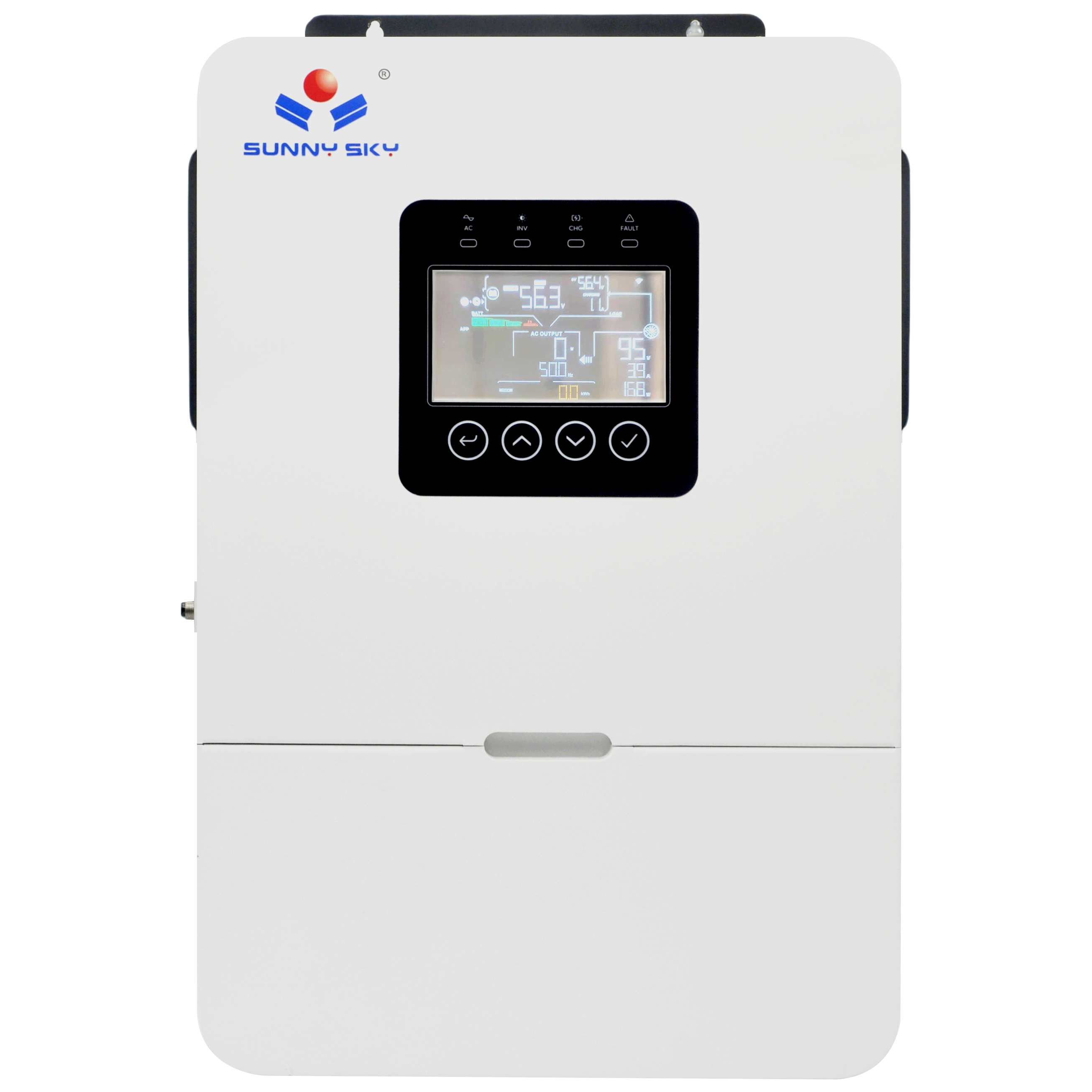
Nigeria receives over 2,000 kWh/m² of solar radiation per year, yet grid power remains unstable in many states. Ahybrid solar kitintegrates solar panels, a lithium battery, and a smart inverter to deliver uninterrupted power—day and night.

“I’d put my money on the sun and solar energy. What a source of power!” —Thomas Edison

In cities like Lagos and Abuja, where electricity can go off several times a day, investing in solar is no longer optional—it's essential.

2. Key Components of a Didisolar Hybrid Kit

Component Didisolar Specification Why It Matters
Solar Panels 21.5% mono-PERC, anti-PID coating High yield per square meter
Hybrid Inverter 3–20KW, dual MPPT, ≥97% efficiency Seamless control of solar, battery, grid, genset
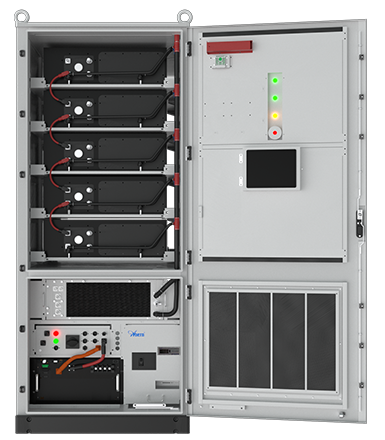
Battery LiFePO₄, 6000+ cycles, 10-year warranty Long life, safe in 40°C heat
EMS & BMS Built-in control logic and battery safety layer Manages load priority and state of charge
Remote Monitoring WiFi/GSM via app or PC portal Track system performance and savings in real time

Explore Didisolar’s hybrid solar kits

3. Recommended Systems for Nigerian Users

Scenario Typical Daily Load Recommended Kit
3-bedroom home 10–12 kWh 5KW inverter + 10kWh LiFePO₄ battery
Small medical clinic 20–25 kWh 10KW inverter + 20kWh battery bank
Agro-processing site/farm 40–50+ kWh 20KW hybrid inverter + scalable storage

4. Financial and Environmental Impact

  • Diesel cost: ₦1,150–1,300/L (2025 est.)

  • Hybrid solar cost per kWh: ~₦50 over 10 years

  • ROI:3–4 years, depending on daily runtime and generator usage

  • “We already rely too heavily on fossil fuels. We need a clean industrial revolution.” —Ban Ki-moon

Replacing a generator with a Didisolar hybrid kit can reduce ~4 tons of CO₂ emissions per year.

5. What to Check Before You Buy

Conduct aload audit
Checkroof direction and pitch
Confirmbattery chemistry (LiFePO₄)
Ask forcertifications
Plan forfuture expansion

Conclusion

Ahybrid solar kit in Nigeriais more than a backup—it’s your long-term energy independence solution. With smart energy storage, high-efficiency components, and expert support, Didisolar ensures you stay powered through any outage.
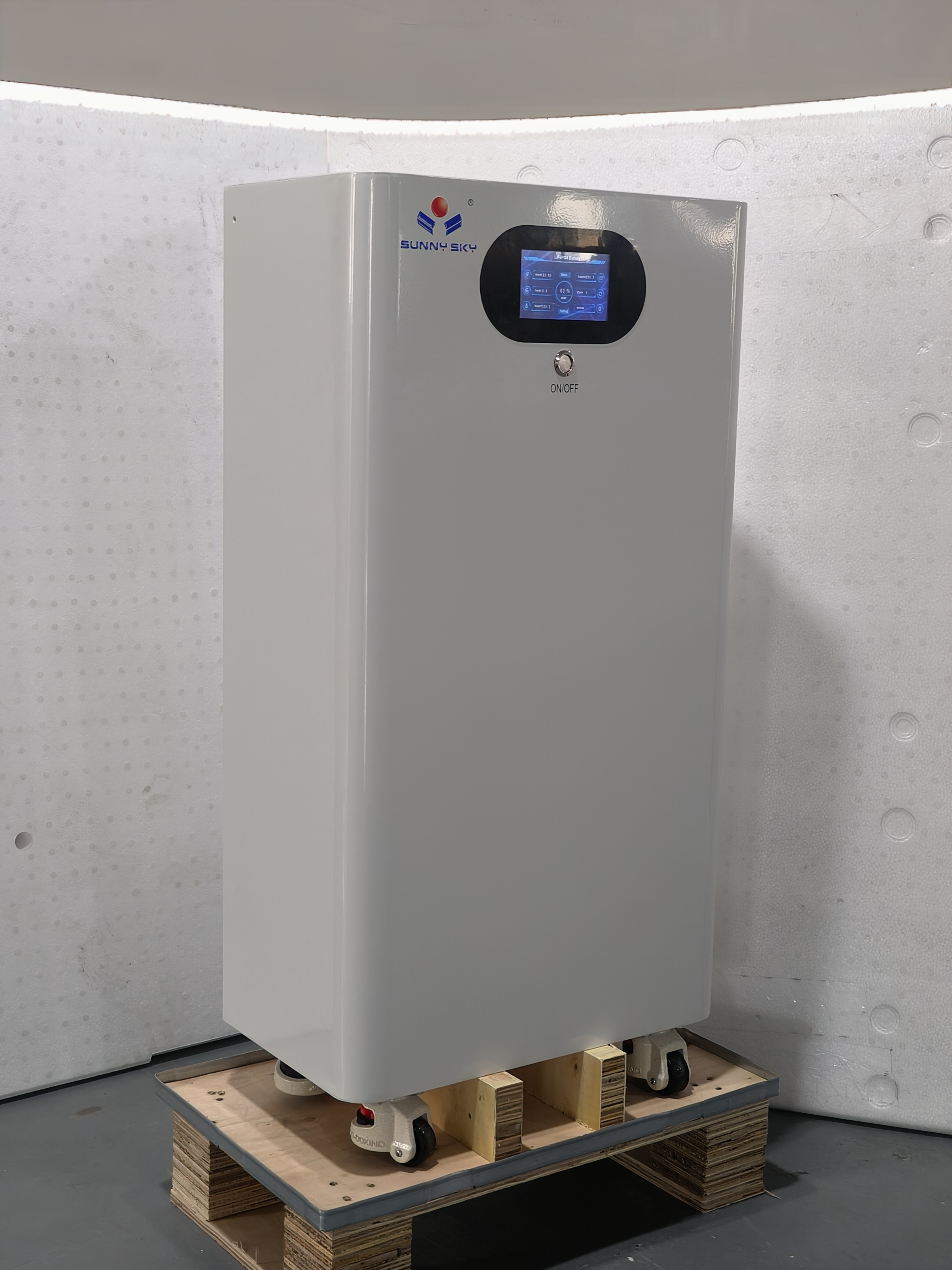
Talk to a Didisolar advisor today

Recommended Products

Featured Blogs

Tag:

  • news
Share On
Featured Blogs
Why Choose a Solar Supplier with Its Own Factory? In-Depth Analysis

Why Choose a Solar Supplier with Its Own Factory? In-Depth Analysis

1. Product quality control: end-to-end management from raw materials to finished products. 2. Stable supply guarantee: No shortage of stock during peak season, flexible order adjustments. 3. Customization advantage: Flexible customization of appearance, parameters, functions, and packaging. 4. Reliable after-sales service: clear responsibilities, sufficient spare parts, and rapid response. 5. Long-term cooperation value: stable prices, product iteration, and stable relationships. 6. How to choose: A comprehensive evaluation based on scale, management, technology, and qualifications.

Why have lithium iron phosphate batteries become the mainstream energy storage solution? In-depth analysis of their advantages and disadvantages.

Why have lithium iron phosphate batteries become the mainstream energy storage solution? In-depth analysis of their advantages and disadvantages.

1. What is a lithium iron phosphate battery: its structure, operating principle, and material properties? 2. Core advantages: High safety, long cycle life, stable cost, and excellent high-temperature performance. 3. Limitations: Low energy density, poor low-temperature performance, and challenges in achieving consistency. 4. Comparison of three types of batteries: Lithium iron phosphate vs. Ternary lithium vs. Lead-acid battery 5. Application scenarios: residential energy storage, industrial and commercial energy storage, and communication backup power. 6. Avoiding pitfalls when purchasing: Falsely advertised capacity, refurbished old cells, and warranty traps.

Why must off-grid systems be equipped with inverters? Analysis of the energy storage system workflow.

Why must off-grid systems be equipped with inverters? Analysis of the energy storage system workflow.

1. Direct Current (DC) vs. Alternating Current (AC): Why Conversion is Necessary 2. The complete workflow consists of four stages: charging, energy storage, discharging, and switching. 3. MPPT tracking, BMS management, and islanding protection – the core functions of an inverter. 4. How to select a model: power matching, voltage range, battery compatibility, conversion efficiency 5. Overload and short-circuit protection: key guarantees for safe system operation 6. Communication Monitoring: Remotely view system status and perform remote diagnostics.

Real-world user experience with integrated solar water heaters: Is it worth buying? Read this article.

Real-world user experience with integrated solar water heaters: Is it worth buying? Read this article.

1. What is a solar integrated machine: Working principle and three types explained 2. Core Advantages: Simple installation, optimized integration, intelligent management, and unified after-sales service. 3. Limitations and shortcomings: Low maintenance flexibility, high upgrade costs, and relatively high price. 4. Suitable for families: Urban families with high electricity bills, families worried about power outages, and users who value aesthetics. 5. Key considerations for purchasing: brand strength, core specifications, warranty terms, user feedback, and price evaluation. 6. Is it worth buying? Choose the most suitable option based on your needs.

tianyuansolar@gmail.com
+86-13711660041
+8613711660041
WhatsApp :WhatsApp QR Code