Foreword
With the escalating global energy crisis and growing environmental awareness, solar energy, as the most mature and inclusive clean energy source, is entering households at an unprecedented pace. From developed countries in Europe and America to emerging markets in Asia, Africa, and Latin America, solar power systems have become the preferred solution for an increasing number of families and businesses to reduce electricity costs and practice green living. However, for most ordinary people, solar power systems remain a complex and unfamiliar field. What is a grid-connected system? What is an off-grid system? How much does it cost to install a system? This article will answer these questions for you.
I. What is a solar power generation system?
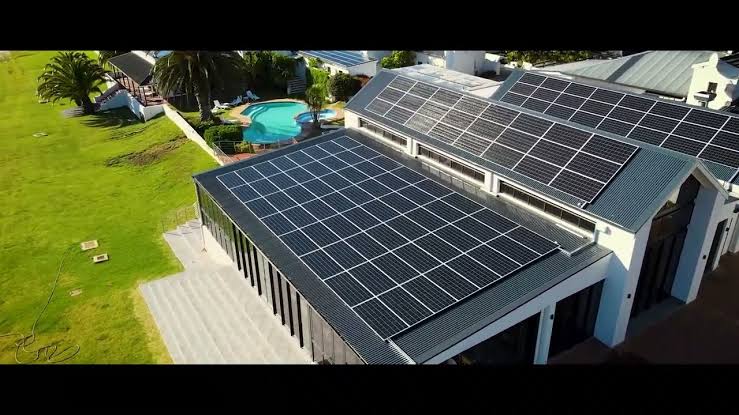
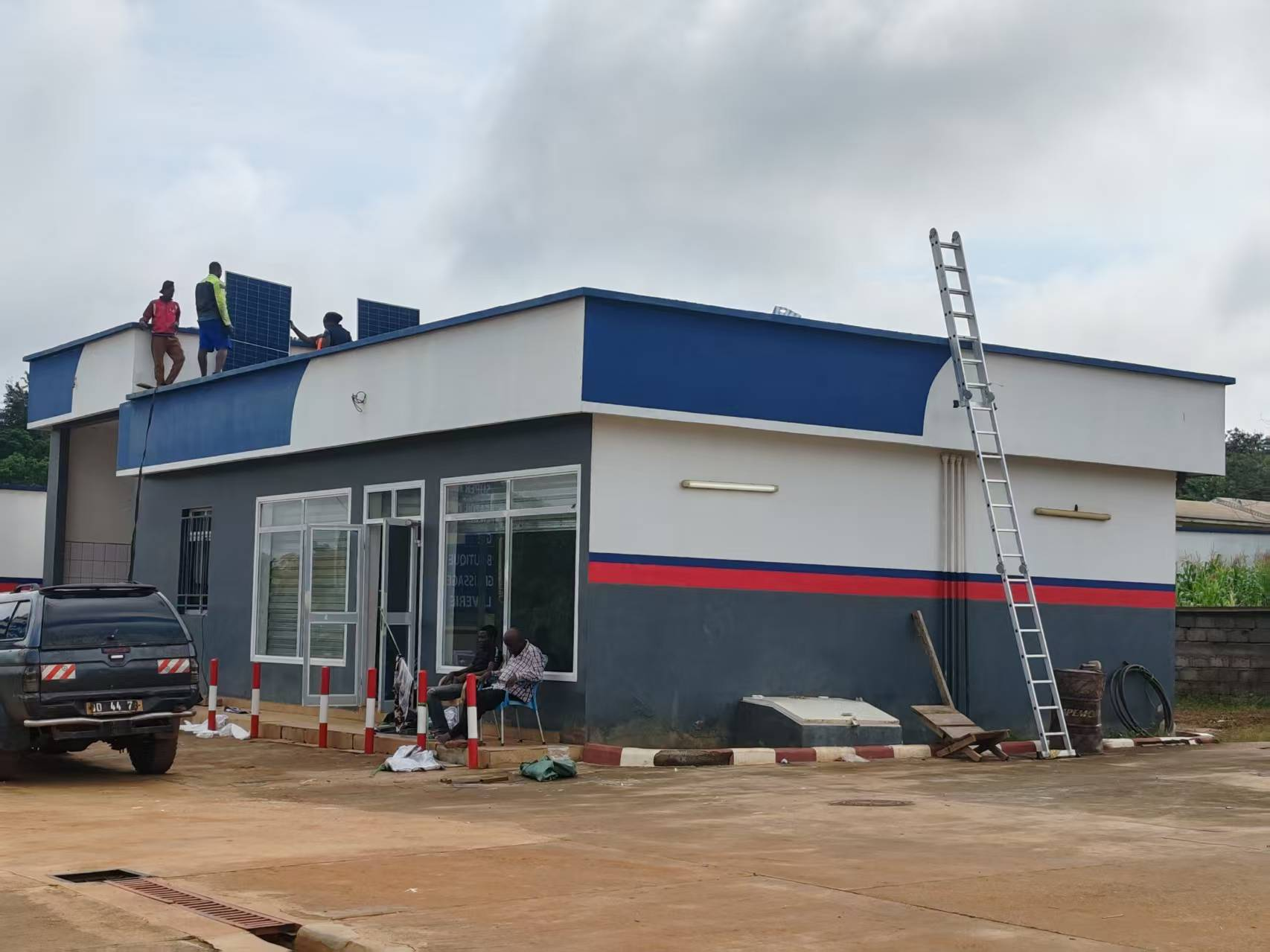
A solar power generation system is a complete solution that uses solar photovoltaic technology to directly convert sunlight into electrical energy. A complete system typically consists of the following core components:
Solar panels are the energy source for the entire system, responsible for converting sunlight into direct current (DC). Currently, mainstream solar panels use monocrystalline or polycrystalline silicon cells, with power ranging from 400W to 750W. A standard 600W solar panel can generate approximately 0.6 kilowatt-hours of electricity per hour under sufficient sunlight.
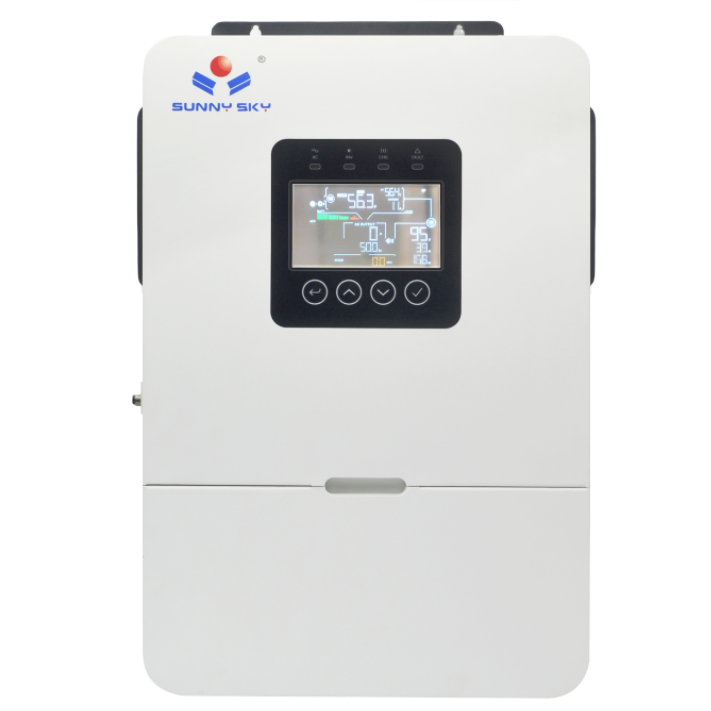
The inverter is the heart of the system, responsible for converting the direct current (DC) generated by the solar panels into alternating current (AC) for use by household or industrial equipment. The inverter's power output typically needs to match the total power of the solar panels; common residential inverters range from 3kW to 15kW.
Support systems are used to fix and install solar panels, and common types include roof supports, ground supports, and balcony supports.
Cables and accessories include DC cables, AC cables, MC4 connectors, circuit breakers, surge protectors, etc., which are responsible for the electrical connections and safety protection within the system.
Based on whether they are connected to the power grid and whether they are equipped with energy storage, solar power systems are mainly divided into three types. Grid-connected systems are currently the most common type. The electricity generated by the solar panels is initially used by the household, and excess electricity can be sold back to the grid. The advantages are lower initial investment and no need for batteries; the disadvantage is that the system will stop working when the grid is down. Off-grid systems are completely independent of the power grid and must be equipped with sufficient battery storage capacity. They are suitable for remote areas not covered by the grid. Hybrid systems fall between grid-connected and off-grid systems. They can be connected to the grid and are equipped with battery storage. When the grid is down, they can continue to supply power to critical loads, making them the most recommended choice for residential users.
II. What are the core advantages of solar power generation systems?
The rapid global adoption of solar power systems is due to their numerous outstanding advantages.
Significantly reducing electricity bills is the most direct motivation for users. Taking an average household with an annual electricity consumption of approximately 6000 kWh as an example, installing a 5kW grid-connected system can generate about 7000 kWh annually, of which about 5000 kWh will be used for their own consumption and the remaining 2000 kWh will be fed into the grid. Based on a residential electricity price of 0.6 yuan/kWh, this translates to annual savings of approximately 3000 yuan. If a hybrid system is installed, taking advantage of peak-valley electricity price differences to save on electricity bills, the annual savings can reach 5000-8000 yuan.
Being green and environmentally friendly is an inherent attribute of solar energy. For every kilowatt-hour of solar electricity generated, approximately 0.7 kilograms of carbon dioxide emissions can be reduced. A 5kW system generates about 7,000 kilowatt-hours of electricity annually, reducing carbon emissions by about 4.9 tons, equivalent to planting about 200 trees. For businesses and individuals committed to sustainable development, solar energy systems are one of the best ways to fulfill their environmental commitments.
Enhancing energy security and independence. With increasing volatility in international energy prices, building your own solar energy system can effectively reduce dependence on external energy sources. In particular, systems equipped with energy storage can ensure basic power supply even during grid failures or emergencies, improving the energy resilience of homes and businesses.
Benefit from favorable policies. Many countries and regions have introduced solar energy subsidies, tax incentives, and green credit support. In China, some regions still retain subsidies for distributed photovoltaic systems; in Europe and the United States, tax credits and green financing schemes make the return on investment for solar systems more attractive. Installing solar systems can also increase the market value and rental yield of buildings. In the commercial real estate sector, green building certifications such as LEED and BREEAM are increasingly emphasizing the proportion of renewable energy used.
III. How to design a solar energy system that suits your needs?
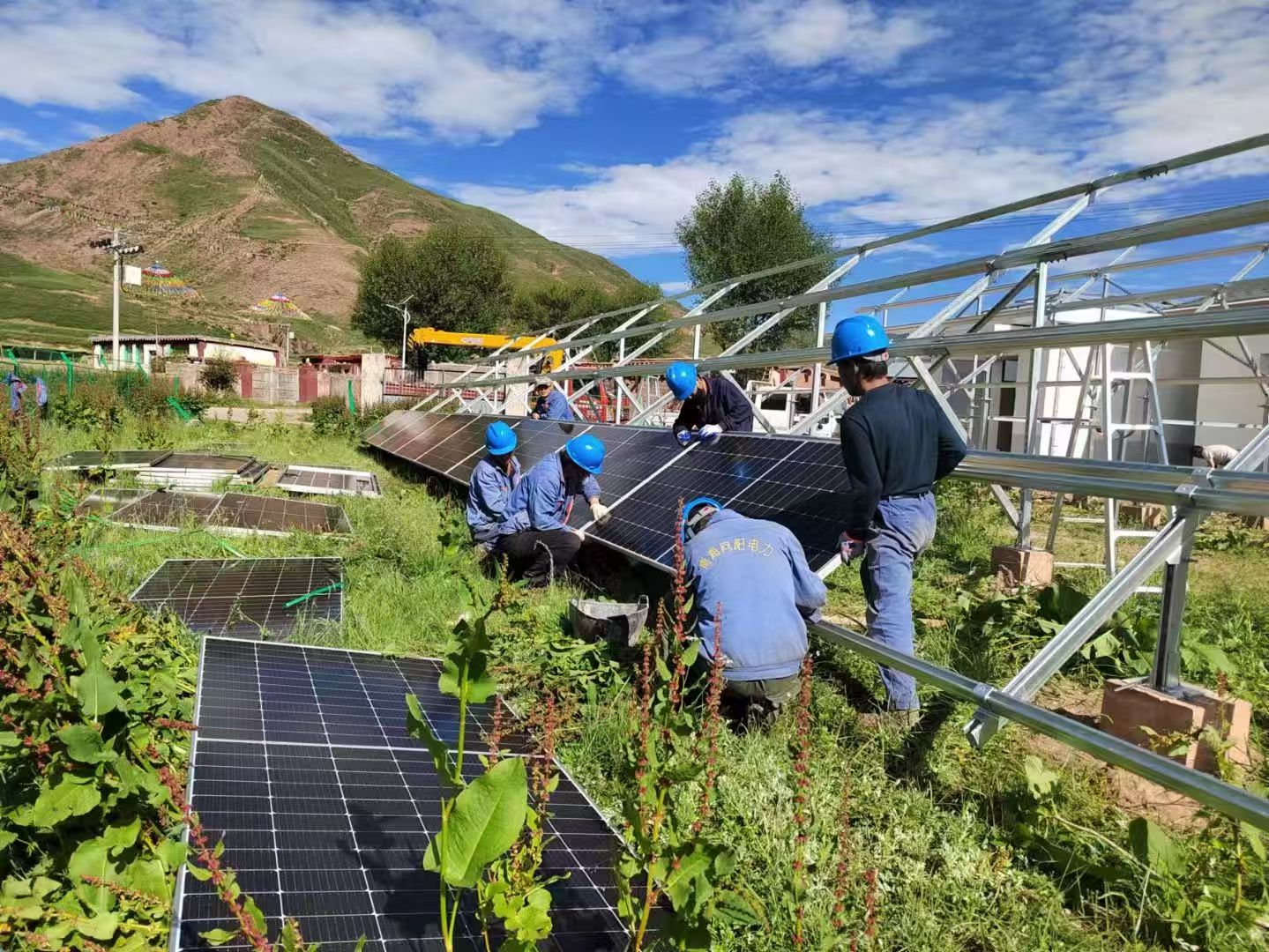
Designing a solar energy system requires comprehensive consideration of multiple factors, including electricity demand, roof conditions, and budget.
Step 1: Assess electricity demand. First, calculate the average annual, monthly, and daily electricity consumption for households or businesses. This data can be obtained from electricity bills. Annual electricity consumption is the core basis for determining the system size. For example, for a household with an annual electricity consumption of 12,000 kWh, if an 80% self-sufficiency rate is desired, the system size should be around 8-10 kW.
Step 2: Analyze roof conditions. Measure the available roof area, orientation, and slope. The optimal installation orientation is due south, with a slope approximately equal to the local latitude. Also check the roof's load-bearing capacity, any obstructions, and the amount of shade. East-west facing roofs may generate slightly less electricity, but installation is still possible; an unobstructed south-facing roof is ideal.
Step 3: Determine the system type. Based on whether backup power is needed and the stability of the local power grid, choose a grid-connected, off-grid, or hybrid system. If the local power grid is stable and there are no concerns about power outages, a grid-connected system is the most cost-effective option; if power outages are frequent or the location is remote, a hybrid or off-grid system is more suitable.
Step 4: Select Component Specifications. Choose solar panels with appropriate power based on your roof area and budget. Common residential solar panels have a power output of 550W to 650W. For example, 10 650W panels would have a total installed capacity of 6.5kW, requiring a roof area of approximately 15 square meters. The inverter power should match the total power of the solar panels, typically 80%-100% of the total panel power. If choosing a hybrid system, the battery capacity should ideally be sufficient to support electricity consumption for at least half a day to a full day on cloudy days or at night. For a typical family of three, a battery capacity of around 10kWh is usually adequate.
IV. Prices and Precautions for Solar Power Generation Systems
This is the question everyone is most concerned about. Grid-connected system price reference: 3kW system approximately 20,000-30,000 RMB, suitable for small apartments; 5kW system approximately 35,000-50,000 RMB, currently the most mainstream choice; 8kW system approximately 55,000-80,000 RMB, suitable for large apartments; 10kW and above system approximately 70,000-120,000 RMB. Hybrid system price reference: Due to the increased battery cost, a 5kW/10kWh hybrid system is approximately 70,000-120,000 RMB; an 8kW/15kWh hybrid system is approximately 100,000-180,000 RMB; a 10kW/20kWh hybrid system is approximately 140,000-250,000 RMB. In terms of return on investment, taking a 5kW grid-connected system as an example, the total investment is approximately 40,000 RMB, with an annual power generation of approximately 7,000 kWh, annual savings and revenue of approximately 3,500 RMB, and an investment payback period of approximately 11-12 years. Considering the system's lifespan can reach over 25 years, the subsequent ten years or so are almost pure profit.
Choosing a reliable installer is crucial. Solar systems are long-term investments, and installation quality and after-sales service directly affect system lifespan and power generation revenue. It is recommended to choose a professional installer with certifications, a track record of successful installations, and comprehensive after-sales support. The grid connection application process is also essential. In China, installing a distributed photovoltaic system requires submitting a grid connection application to the local power grid company. Required materials typically include an ID card, property ownership certificate, system design plan, and product certification certificates. System maintenance is not complicated. Daily use simply involves periodically cleaning the solar panels to remove dust and dirt, maintaining light transmittance; monitoring data and promptly investigating any abnormal power generation; and conducting a professional inspection annually to check electrical connections and equipment operating status.
Conclusion
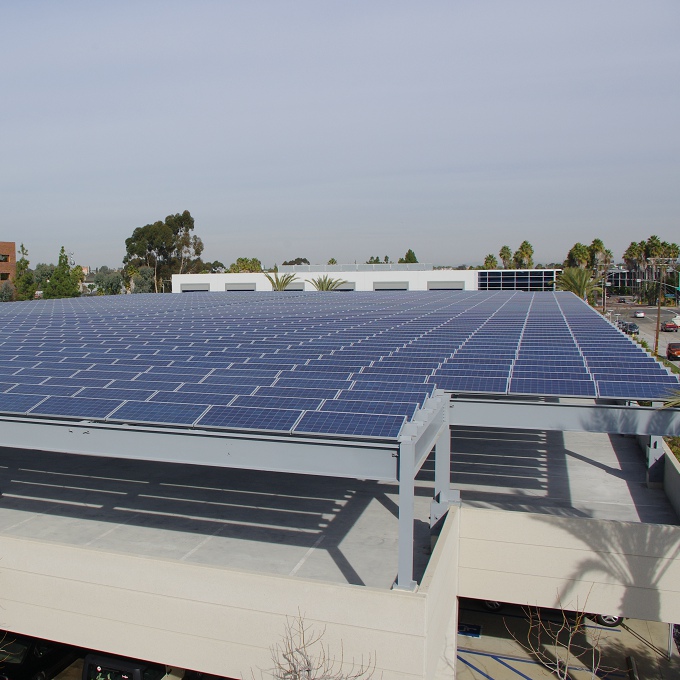
Solar power systems have transformed from high-tech products into practical solutions that ordinary households can afford. They not only help us save on electricity bills and improve energy security, but also contribute to environmental protection. Whether you're an urban professional seeking affordability, an environmental enthusiast focused on green living, or a business owner looking to reduce operating costs—solar power systems are worth your serious consideration and in-depth research. Starting today, let sunlight become your home's most reliable energy partner!
Please contact Simon immediately to discuss your project:
• WeChat: TY530643572
• Telephone: +86 137 1166 0041