Foreword
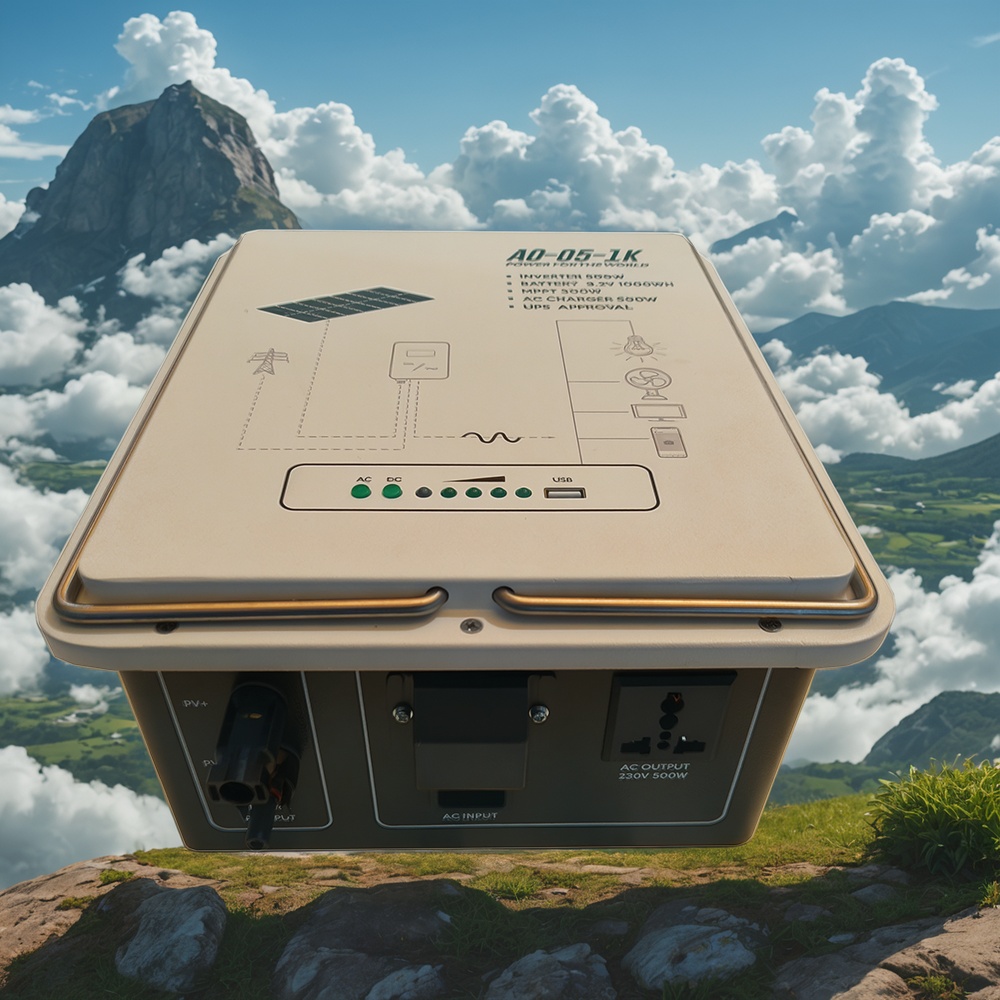
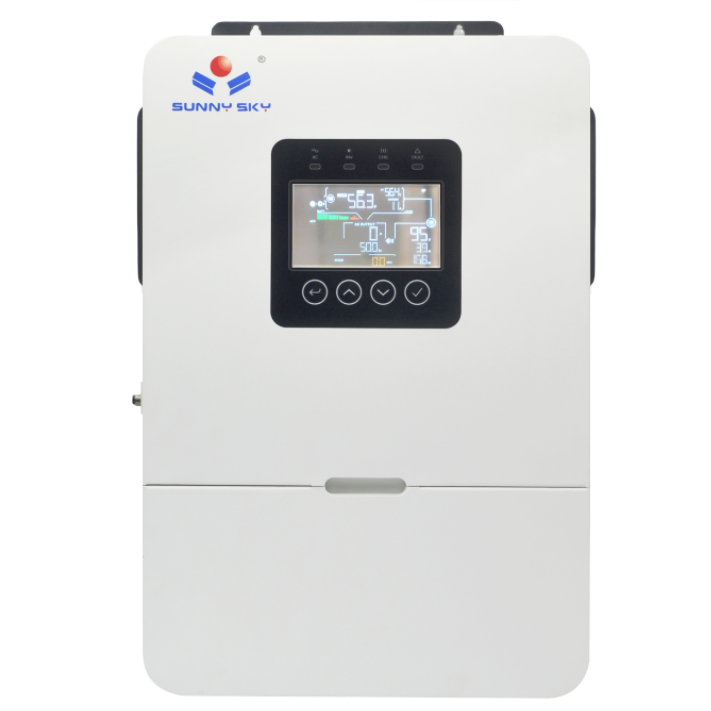
In recent years, integrated solar panels have emerged as a rising star in the home energy market, becoming the preferred choice for an increasing number of consumers. Compared to traditional split-type solar systems, integrated panels highly integrate core components such as solar panels, energy storage batteries, and inverters into a single unit, enabling a complete process from photovoltaic power generation to energy storage power supply. This highly integrated design not only simplifies the installation process but also significantly improves system stability and user experience.
Many people face the choice between integrated and split-type solar energy systems when selecting one. Traditionally, split-type systems are considered more flexible and easier to maintain, but with technological advancements, the advantages of integrated systems are being recognized and accepted by more and more users. What are the superior features of integrated systems that allow them to stand out in the fierce market competition? This article will comprehensively analyze the core advantages of integrated solar energy systems from five dimensions: ease of installation, superior performance, cost-effectiveness, worry-free operation and maintenance, and wide applicability, helping users make a more informed choice.
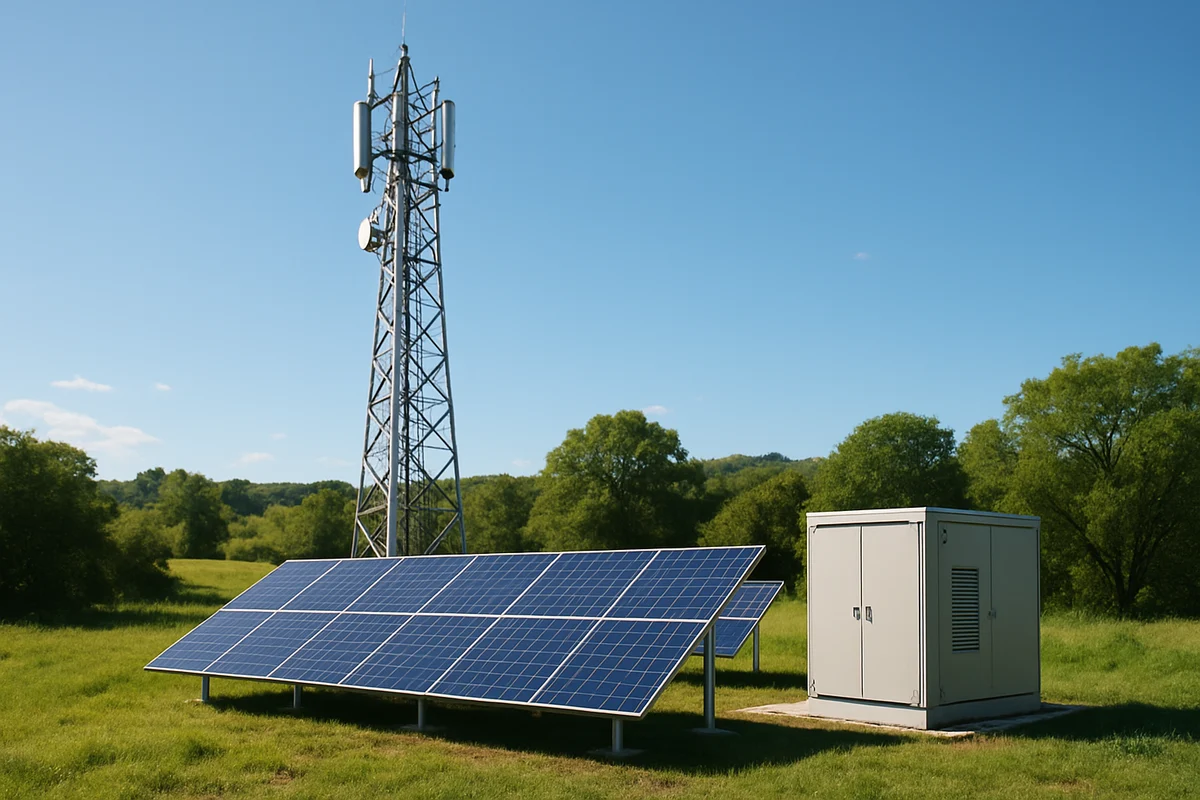
I. Easy installation
The most obvious advantage of integrated solar panels—small space, high energy output, and one-button start-up—is their extremely simple installation. Traditional split-type solar systems require the separate purchase and installation of multiple components such as solar panels, brackets, inverters, and batteries. The wiring, cabling, and securing of each component require professional personnel, and the entire installation process can take several days. In contrast, integrated solar panels have all core components pre-assembled in the factory. Upon delivery, only the solar panels and simple wiring need to be connected, and after debugging, it is ready to use. Installation time can be reduced to a few hours or even less.
For installation environments with limited space, the compact design of all-in-one units offers even greater advantages. Split-system units require separate placement of each component, potentially necessitating dedicated equipment rooms or larger installation spaces, which poses a significant challenge for urban residences. All-in-one units integrate all core components into a single, compact unit that can be wall-mounted, placed on balconies, or installed in basements, flexibly adapting to various spatial conditions. Even users living in apartments or small dwellings can find suitable installation locations.
The lower installation threshold is another major change brought about by integrated solar panels. Traditional split systems require professional photovoltaic installation teams for construction, and users must contact professional solar engineering companies, making the entire process cumbersome and costly. Since most of the assembly is completed before leaving the factory, users can choose to install it themselves or hire a regular electrician for the final connection, significantly reducing installation costs. For users with strong DIY skills, integrated solar panels can even provide a "do-it-yourself" installation experience.
The plug-and-play design of the all-in-one system allows users to quickly experience the convenience of solar energy. From unpacking to power generation, traditional systems may require weeks of waiting and debugging, while an all-in-one system can be completed in just half a day. This instant satisfaction of what you see is what you get is difficult for split-type systems to provide. For users with emergency power needs or those who cannot carry out large-scale construction on rented sites, the rapid deployment capability of the all-in-one system is an irreplaceable advantage.
II. Superior performance
The efficiency improvements brought about by high integration: Integrated systems are not simply about piecing together components, but rather about achieving an overall improvement in system efficiency through deep integration. In traditional split systems, the electricity generated by the solar panels needs to go through multiple stages before reaching the user: a DC cable is needed from the solar panel to the inverter, another connection is needed from the inverter to the battery, and a conversion is needed from the battery to the user load. Each stage incurs some energy loss, which can accumulate to more than 10%. In contrast, integrated systems, through optimized internal design, significantly shorten the energy transmission path within the device, reducing connection points and energy losses.
Intelligent energy management is one of the core competitive advantages of the all-in-one appliance. Its built-in intelligent management system can monitor multiple parameters in real time, including solar panel power generation, battery energy storage status, and user load, and automatically optimize energy allocation strategies based on actual conditions. During the day when there is ample sunlight, solar power is prioritized to supply the load, with excess electricity stored in the battery; at night or on cloudy days, it automatically switches to battery power mode. This intelligent energy scheduling maximizes the utilization of solar energy and avoids energy waste.
The use of higher-quality components in all-in-one PCs is also a significant reason for their improved performance. Because all-in-one PCs require highly compatible internal components, manufacturers typically select rigorously screened, high-quality parts to ensure system stability and lifespan. For example, all-in-one PC manufacturers usually choose lithium iron phosphate batteries with long cycle life and high discharge efficiency, rather than opting for low-quality batteries to reduce costs. This pursuit of overall quality often results in all-in-one PCs outperforming comparable modular PCs in terms of overall performance.
The wide voltage range enables the all-in-one unit to handle various complex operating environments. Whether in remote areas with unstable voltage or complex loads requiring compatibility with multiple devices, the all-in-one unit can maintain stable operation through its built-in voltage regulation and power adjustment functions. This strong adaptability allows the all-in-one unit to perform excellently in various scenarios, regardless of environment or load, truly achieving "buy with confidence and use with peace of mind."
III. Economical
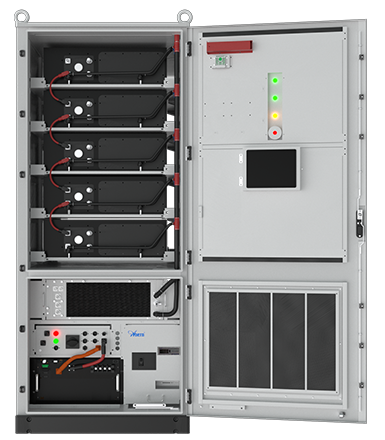
When choosing a solar energy system, initial investment cost is a key factor for every user. While integrated systems may seem more expensive per unit, they are often more economical than traditional split-systems when considering total lifecycle costs. This cost advantage is reflected in multiple aspects, including procurement, installation, maintenance, and energy consumption.
Cost optimization in the procurement process is a key selling point of all-in-one systems. Split-type systems require the separate purchase of multiple components such as solar panels, inverters, batteries, brackets, and cables. Each component needs to be individually packaged, transported, and sold, and these costs are ultimately passed on to the user. In contrast, all-in-one systems, being a complete product, significantly reduce costs in procurement, logistics, and packaging, ensuring that every penny paid by the user is used effectively. Furthermore, bulk purchasing of all-in-one systems gives them a competitive advantage in negotiations, allowing them to secure better prices for users.
The savings in installation costs are a direct reflection of the economic advantages of all-in-one systems. The installation cost of traditional split-systems typically ranges from 15% to 25% of the total system price, including labor, materials, and setup fees. In contrast, all-in-one systems are mostly assembled at the factory, requiring only simple connection work on-site, reducing installation costs by more than 50%. For users with limited budgets, these savings are considerable.
The low maintenance cost of all-in-one systems is a significant source of their long-term economic advantage. Split-type systems consist of multiple components from various manufacturers; if any component malfunctions, repair or replacement must be handled separately by each supplier, with potentially differing warranty periods and after-sales policies, requiring users to spend considerable time and effort coordinating and resolving issues. All-in-one systems, on the other hand, only require interaction with one manufacturer, making after-sales service more convenient and efficient. Furthermore, the core components of all-in-one systems undergo deep integration and optimization by the manufacturer, resulting in a significantly lower failure rate compared to piecemeal split-type systems, leading to lower long-term maintenance costs.
IV. Worry-free operation and maintenance
Intelligent technology simplifies management. The daily operation and maintenance of solar systems is a major concern for many users. Traditional split-type systems require regular checks of solar panel cleanliness, tightening of component connections, monitoring of inverter operation status, and checking battery performance parameters—a tedious and specialized task. Integrated systems, through intelligent design, simplify these maintenance tasks.
Remote monitoring via mobile app is a standard feature of the integrated solar water heater. Through the accompanying mobile application, users can view key data such as real-time power generation, daily power generation, monthly power generation, and annual power generation anytime, anywhere, and understand the system's operating status. If power generation suddenly drops or an abnormal alarm occurs, users will receive push notifications immediately and can address the issue promptly. This monitoring experience, accessible from home, allows users to have complete control over the operation of their own solar energy system.
One-click fault diagnosis eliminates the need for professional personnel for troubleshooting. The all-in-one machine's built-in intelligent diagnostic system automatically detects the operating status of each component. Once a problem is detected, it immediately locates and indicates the cause of the fault. Users can then resolve simple usage issues themselves based on the prompts, or provide accurate fault information when contacting after-sales service, significantly reducing repair waiting time. This intelligent fault handling method greatly lowers the barrier to entry for users' maintenance needs.
The modular design of the all-in-one unit also allows for more flexible upgrades. If users need to expand the system capacity in the future, such as by increasing the number of solar panels or adding energy storage batteries, the all-in-one unit can be smoothly upgraded by connecting external expansion modules without replacing the entire system. This scalability protects the user's initial investment, making the all-in-one unit an energy system that can evolve along with the user's needs.
V. Wide Applicability
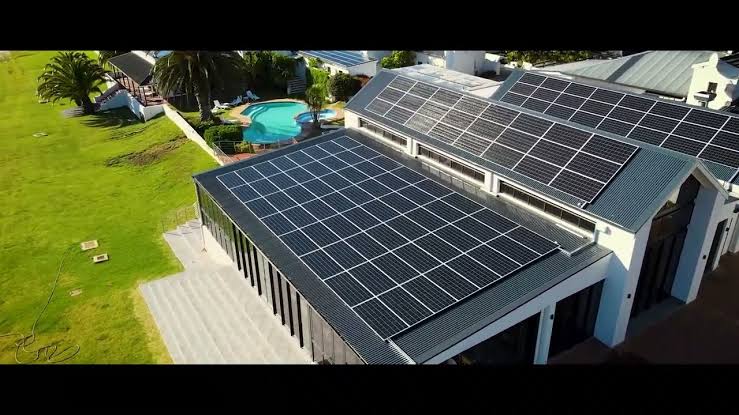
For ordinary households, integrated energy systems are an ideal choice for achieving a clean energy transition in their homes. A 5kW to 10kW integrated system can meet the daily electricity needs of most families, and with the addition of a battery storage system, it can cover electricity usage at night and on cloudy days, essentially achieving significant reductions in electricity bills or even zero electricity bills. In areas with peak-valley electricity pricing policies, users can also utilize the integrated system's energy storage function to charge during off-peak hours and discharge during peak hours, further saving on electricity expenses.
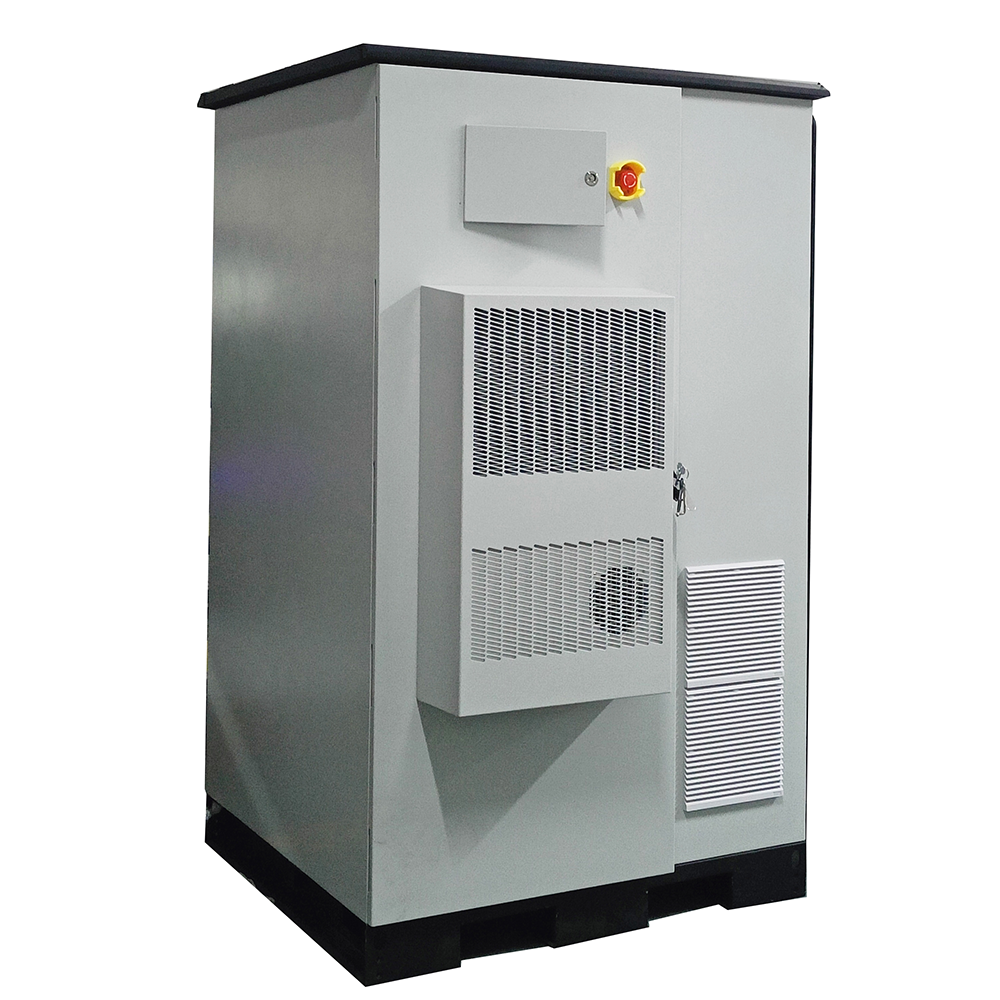
For villas and large residences, integrated units can provide larger capacity energy storage systems. High-power integrated units ranging from 15 kW to 30 kW can support the operation of high-power appliances such as central air conditioning, underfloor heating, and hot water systems. Combined with large-capacity lithium iron phosphate batteries, they can guarantee basic power supply for several days even during consecutive cloudy days. This "energy independence" experience allows villa owners to completely say goodbye to the troubles of power rationing and outages.
Commercial and industrial users can also benefit from integrated solar power systems. Shops, office buildings, small factories, and other commercial establishments with high electricity consumption and costs can significantly reduce operating expenses by installing integrated solar power systems. The intelligent energy management function of these systems can also help commercial users optimize their electricity usage strategies and achieve additional savings by taking advantage of peak-valley pricing. Furthermore, some regions offer additional solar energy subsidies for commercial users, allowing them to benefit from these policy incentives when installing integrated solar power systems.
For areas without or lacking electricity, integrated power units play an irreplaceable role. In remote mountainous areas, islands, and pastoral areas where access to the main power grid is impossible, integrated power units can be deployed quickly to provide a stable power supply to local residents. The combination of solar energy and energy storage allows people in these areas to say goodbye to kerosene lamps and candles and use modern electrical appliances, significantly improving their quality of life. The ease of deployment of integrated power units makes them an important piece of equipment for targeted poverty alleviation and rural revitalization projects.
Conclusion
Integrated solar power systems are becoming the choice of an increasing number of users due to their five core advantages: easy installation, superior performance, cost-effectiveness, worry-free operation and maintenance, and wide applicability. This highly integrated product form not only reflects technological progress but also aligns with user needs. For residential and commercial users seeking simplicity, convenience, and high cost-effectiveness, integrated systems are undoubtedly the most worthwhile solar energy solution currently available.
Choosing an integrated solar water heater means choosing a more relaxed and environmentally friendly lifestyle. It simplifies complex solar systems, making expensive clean energy investments accessible. In today's pursuit of a green and low-carbon life, integrated solar water heaters are leading a revolution in home energy, enabling every family to become a producer and beneficiary of clean energy.
Please contact Simon immediately to discuss your project:
• WeChat: TY530643572
• Telephone: +86 137 1166 0041