Foreword
When purchasing a solar inverter, many people face a basic but crucial question: should they choose a single-phase inverter or a three-phase inverter? This question seems simple, but it actually involves multiple factors such as the type of electricity used in the household, electricity consumption, and installation conditions. Choosing the wrong one can not only affect power generation efficiency but may also prevent proper grid connection and even create safety hazards. As the core equipment of a solar system, the selection of an inverter requires extreme caution.
Many users new to solar energy are unaware of the differences between single-phase and three-phase inverters, often focusing only on price and power output while neglecting the crucial parameter of phase number. Single-phase and three-phase inverters differ significantly in their application range, wiring methods, performance characteristics, and installation requirements. Inappropriate selection can lead to numerous problems later on. This article will provide a detailed analysis of the definitions, differences, advantages, and disadvantages of single-phase and three-phase inverters, along with selection suggestions for different scenarios, to help solar energy users make the right decision.

I. Basic Concepts of Single-Phase and Three-Phase Electricity
To understand the difference between single-phase and three-phase inverters, it's essential to first understand what single-phase and three-phase electricity are. These are two fundamental electrical concepts that permeate the entire power system and electrical engineering field.
Single-phase electricity refers to a power supply system consisting of only one phase wire (live wire), one neutral wire, and a ground wire. The voltage between the phase wire and the neutral wire is called the phase voltage, which is 220 volts in China. The waveform of single-phase electricity is a standard sine wave with a frequency of 50 Hz and a period of 0.02 seconds. The power of single-phase electricity is pulsating, ideally crossing zero 100 times per second (in reality, this is not obvious due to phase relationships). Ordinary household electricity is single-phase; most appliances in daily life, such as lights, televisions, refrigerators, and air conditioners, use single-phase electricity.
Three-phase electricity refers to a power supply system consisting of three phase wires, one neutral wire, and a ground wire. The voltage between the three phase wires is called the line voltage, which is 380 volts in China, while the phase voltage between each phase wire and the neutral wire is still 220 volts. The core characteristic of three-phase electricity is that the voltages of the three phase wires are 120 degrees out of phase, forming a symmetrical three-phase system. The advantages of this design are: the power output of three-phase electricity is constant, eliminating the pulsation problem of single-phase electricity; three-phase electricity has higher transmission efficiency, requiring fewer wires for the same power; and three-phase electricity can provide greater power, making it suitable for high-power equipment. Three-phase electricity is mainly used in industry, commerce, and large buildings to drive high-power equipment such as motors, air conditioning units, and elevators.
Why are there single-phase and three-phase power supply methods? This is because different electricity usage scenarios require different power configurations. Ordinary households have limited electricity consumption, and single-phase power is perfectly adequate. Furthermore, single-phase power connection is simpler and less expensive. Three-phase power connection requires an application to the power company and necessitates a separate transformer or three-phase line, which is demanding for ordinary households. However, for high-power consumption scenarios, single-phase power is insufficient, and three-phase power must be used. This is why villas, large shops, and factories typically choose three-phase power connections, while ordinary apartments and residences generally use single-phase power connections.
II. Technical Differences Between Single-Phase Inverters and Three-Phase Inverters
Having understood the concepts of single-phase and three-phase electricity, let's look at the specific technical differences between single-phase and three-phase inverters. These technical differences determine that the two types of inverters are suitable for different application scenarios.
The most obvious differences are output voltage and power range. Single-phase inverters have an output voltage of 220 volts and a power range typically from 1 kW to 15 kW, suitable for residential and small commercial applications. Three-phase inverters have an output voltage of 380 volts and a power range typically starting from 10 kW, extending to hundreds of kW or even megawatts, primarily used in industrial, commercial, and large-scale photovoltaic power plants. The maximum power of a single-phase inverter is usually limited by the load capacity of a single-phase meter; a typical household meter has a rated current of 40 to 60 amps, corresponding to a maximum power of approximately 8.8 kW to 13.2 kW. Three-phase inverters can support larger system capacities because the total power is distributed across three phases, with each phase bearing a smaller load.
The internal topologies of inverters also differ. Single-phase inverters typically use a full-bridge inverter circuit, and the output is filtered to obtain a sine wave. Three-phase inverters, on the other hand, need to generate three sets of alternating currents with a 120-degree phase difference, resulting in a more complex circuit structure. They typically employ topologies such as three-phase full-bridge or neutral-point clamping. These structural differences lead to a higher cost for three-phase inverters compared to single-phase inverters; at the same power rating, a three-phase inverter can cost 1.5 to 2 times more than a single-phase inverter.
The grid connection methods and requirements differ. For a single-phase inverter connected to a single-phase grid, only the live, neutral, and ground wires need to be connected, and the connection point is located after the single-phase meter. For a three-phase inverter connected to a three-phase grid, all three phase wires, the neutral wire, and the ground wire must be correctly connected, and the three-phase load must be balanced. If a three-phase inverter is connected to a three-phase grid but the three-phase load is severely unbalanced, it may cause grid voltage fluctuations, affecting power quality. When applying for grid connection, the power company will strictly review the inverter's grid connection standards to ensure compliance with grid safety operation requirements.
The design of MPPT tracking channels also differs. Single-phase string inverters typically have one or two MPPT inputs, each capable of connecting to a string of solar panels. Three-phase string inverters typically have two to four or even more MPPT inputs, allowing them to track the maximum power point (MPP) of solar panel strings with different orientations and tilt angles. This multi-MPPT design gives three-phase inverters an advantage in complex installation environments, such as when rooftop solar panels are oriented differently; each string can independently track its MPP, avoiding power generation losses due to series-parallel mismatch.
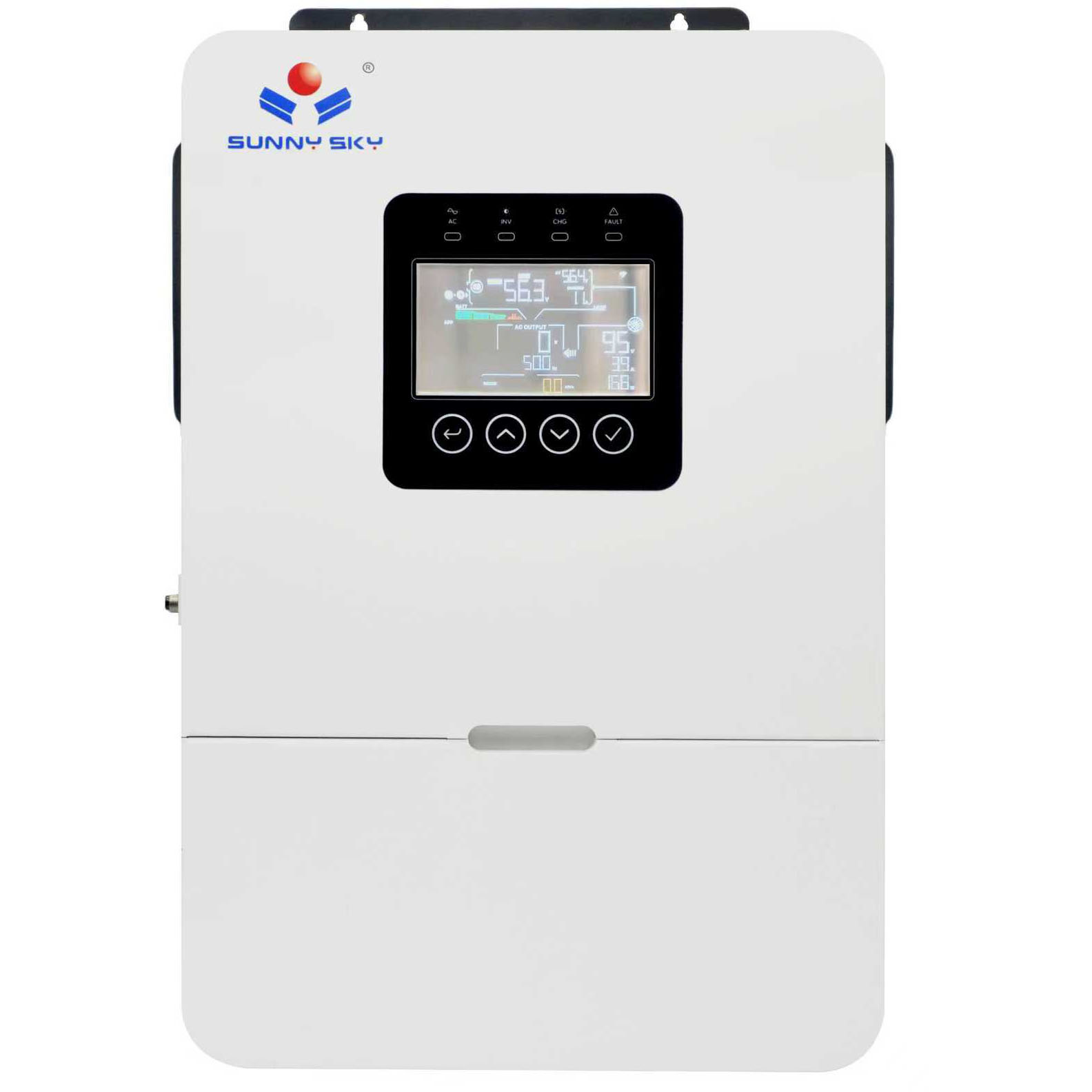
III. Analysis of the Advantages and Disadvantages of Single-Phase Inverters
Every device has its applicable scope, and single-phase inverters are no exception. Understanding the advantages and limitations of single-phase inverters helps in making the right choice in actual projects.
The primary advantage of single-phase inverters lies in their simple connection requirements. Most residential homes use single-phase electricity, requiring no additional application or modification of electrical facilities for direct installation of a single-phase inverter. This zero-barrier connection makes single-phase inverters the absolute mainstream in the residential solar energy market. For families living in apartments or ordinary residences, choosing a single-phase inverter is the most natural choice.
Price advantage is also a key selling point for single-phase inverters. Due to their relatively simple circuit topology, mature manufacturing processes, and competitive market, single-phase inverters are more affordable than three-phase inverters. For the same power rating, a single-phase inverter may cost only 60% to 70% of a three-phase inverter. For home users with limited budgets, choosing a single-phase inverter can effectively control system costs.
Easy installation is another advantage. Single-phase inverters are small and lightweight, allowing for easy transport and installation by a single person. Wiring is simple, requiring only the connection of three wires: live, neutral, and ground, eliminating the need to consider complex issues such as three-phase balance. The minimal workload for installation and commissioning makes construction more convenient for installers and easier for users in the future.
The main limitation of single-phase inverters lies in their power capacity. Single-phase meters and lines have limited current-carrying capacity; exceeding this limit will cause tripping or even safety hazards. It is generally recommended that the maximum power of a single-phase inverter not exceed 80% of the meter's rated capacity; that is, a 40-amp meter can only accommodate a maximum of approximately 7 kilowatts of inverter. For households with high electricity consumption, or users planning to install larger capacity solar systems, the power limit of a single-phase inverter may not meet their needs.
Furthermore, single-phase inverters have certain limitations in power generation optimization. Because they only have single-phase output, if the solar panels are unevenly distributed, such as some on the front and some on the back of the house, the single-phase inverter's single or dual-channel MPPT may not be able to achieve optimal tracking for each group of panels. In contrast, the multi-channel MPPT design of three-phase inverters can better handle such complex roof conditions.
IV. Analysis of the Advantages and Disadvantages of Three-Phase Inverters
Three-phase inverters contrast sharply with single-phase inverters in some aspects, each with its own applicable scenarios and advantages.
The biggest advantage of three-phase inverters is their high power output and lack of limitations. Single-phase meters have limited capacity, but three-phase meters can handle significantly higher current and power. Three-phase inverters can support system capacities ranging from tens to hundreds of kilowatts, meeting the needs of industrial and commercial users and large-scale projects. For scenarios with high electricity consumption, such as villas, large residential buildings, and small commercial buildings, three-phase inverters are the only feasible option. Forcibly connecting high-power equipment to a single-phase circuit can cause meter overload, line overheating, frequent tripping, and in severe cases, even electrical fires.
Another advantage of three-phase inverters is load balancing. The biggest characteristic of three-phase electricity is its ability to balance three-phase loads, with each phase carrying one-third of the total power. For users with high-power single-phase devices, such as high-power air conditioners, water heaters, and electric boilers, three-phase electricity can distribute the current to these devices, preventing single-phase overload. Three-phase inverters, combined with three-phase power supply, can achieve more rational power distribution.
Three-phase inverters also have certain advantages in terms of power generation efficiency. Because three-phase inverters typically have more MPPTs (Maximum Power Point Tracking), they can track the maximum power point of different solar panel strings individually. For installation environments with complex roof structures, inconsistent orientations, or partial shading, the multiple MPPTs of a three-phase inverter can maximize the power generation of each panel string and reduce losses caused by series-parallel mismatch. Furthermore, three-phase inverters generally have better heat dissipation designs because heat can be distributed more evenly across the three-phase circuitry.
The main disadvantage of three-phase inverters lies in their high access barrier. Three-phase power access requires a separate application to the power company, and a three-phase inverter can only be installed in a residence that already has three-phase electricity. In China, most ordinary apartments only have single-phase electricity; only villas, large residences, and commercial buildings may have three-phase power access. Applying for three-phase power requires meeting certain conditions and may involve paying related fees, which increases the barrier and cost of installation.
Price and installation complexity are also factors to consider. Three-phase inverters are more expensive than single-phase inverters, and are larger and heavier, requiring more installation space and more robust brackets. Wiring is also more complex, requiring ensuring three-phase balance; otherwise, overload of one phase may affect the overall system operation. Maintenance also requires more specialized knowledge, making it more difficult for ordinary users.
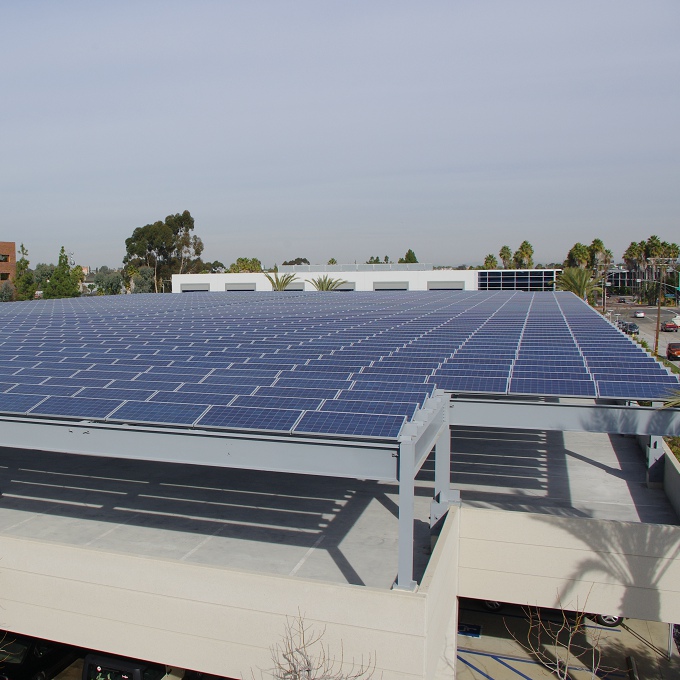
V. How to choose in a family setting
After understanding the differences between single-phase and three-phase inverters, the most crucial question is: how should an average household choose? Here are some selection suggestions for typical scenarios.
For typical apartment buildings with single-phase power access and meters with a capacity of 40 to 60 amps, and normal power consumption, a single-phase inverter is undoubtedly the best choice. Single-phase inverters can be directly connected to the grid without additional application, are simple to install, and easy to debug. It is recommended to keep the system capacity between 5 and 8 kilowatts to meet power generation needs without exceeding the meter's capacity. Single-phase inverters are typically available in 3 kW, 5 kW, 6 kW, 8 kW, and 10 kW specifications, which can be selected based on roof area and power requirements.
Large houses or villas typically have three-phase power connections and consume a significant amount of electricity. In such cases, a three-phase inverter should be the preferred choice. Three-phase inverters can support larger system capacities, such as 10 kW, 15 kW, or even 20 kW, matching the power demands of larger homes. Furthermore, three-phase inverters can support more high-power appliances, such as central air conditioning, hot water systems, and underfloor heating systems, which offer better operating efficiency and stability when powered by three-phase power.
Commercial buildings or small industrial and commercial users, such as shops, office buildings, and factories, typically use three-phase power. These scenarios involve high electricity consumption and large installation areas, making three-phase inverters suitable. Three-phase inverters range in power rating from 10 kilowatts to several hundred kilowatts, allowing selection based on actual needs. It's important to note that industrial and commercial photovoltaic projects usually require grid connection registration, and the grid connection plan needs approval from the power authority.
There are also some special scenarios to consider. For example, some users have three-phase power but their electrical load is mainly concentrated on single-phase power. In this case, either a three-phase inverter or a single-phase inverter can be considered. However, if the system capacity exceeds the power limit of a single-phase inverter, or if the solar panel distribution requires multi-MPPT optimization, then a three-phase inverter is a better choice.
For homeowners planning to build or renovate a house, if you intend to install a large-capacity solar system, it is recommended to apply for three-phase electricity when applying for the electricity meter. Although the application process for three-phase electricity is slightly more complicated, it allows for sufficient capacity reserves for the future. Three-phase electricity not only supports larger photovoltaic systems but also more powerful household appliances, avoiding the hassle of upgrading capacity later.
Conclusion
Single-phase and three-phase inverters each have their own applicable scope, and there is no absolute good or bad. The core selection principle is to choose based on the household's power connection type and electricity demand. If the household has a single-phase power connection and normal electricity consumption, choosing a single-phase inverter is the simplest and most economical choice. If the household has a three-phase power connection, or has high electricity consumption and needs to install high-power equipment, then a three-phase inverter is a more suitable choice.
Before making a choice, it is recommended to confirm the type and rated capacity of your electricity meter. If unsure, check the nameplate on the meter box or consult your local power company. When selecting an inverter, you should comprehensively consider factors such as available roof area, electricity demand, and budget to choose a product with appropriate power, rather than simply pursuing the highest power output.
Choosing the right inverter not only ensures optimal performance of your solar system but also guarantees its safe and stable operation, preventing various problems later on. This article aims to help solar energy users better understand the differences between single-phase and three-phase inverters and make the right decision when purchasing one.
Please contact Simon immediately to discuss your project:
• WeChat: TY530643572
• Telephone: +86 137 1166 0041