Foreword
In the solar energy industry, inverters are often referred to as the "heart" of the system, responsible for converting the direct current (DC) generated by solar panels into alternating current (AC) usable by residential and commercial equipment. However, despite being the same type of inverter, the market offers three main categories: grid-connected inverters, off-grid inverters, and hybrid inverters. Each type differs in its operating principles, applicable scenarios, and key selection criteria. For users preparing to install a solar energy system, understanding the differences between these three types of inverters is the first step in making the right choice.
Many users, when inquiring about solar energy systems, often only focus on the number and power of solar panels, neglecting the selection of the inverter type. Some believe that expensive is better, only to find that the inverter they buy is unsuitable for their actual needs; others choose the wrong type to save money, resulting in the system failing to generate electricity properly when connected to the grid; still others confuse the concepts of off-grid and grid-connected, causing the entire system to fail to meet their electricity demands. These problems are commonplace in my years of experience in the industry, ultimately stemming from a lack of understanding of the fundamental differences between the three types of inverters.
This article will systematically analyze the working principles, core differences, advantages and disadvantages, and applicable scenarios of grid-connected inverters, off-grid inverters, and hybrid inverters in simple and easy-to-understand language. By reading this article, users will be able to clearly understand the essential differences between the three types of inverters, clarify their actual needs, and thus make the right choice. The article will also provide selection suggestions for different scenarios to help users avoid losses caused by incorrect selection.
I. Basic Definitions and Working Principles of Three Types of Inverters
To distinguish between the three types of inverters, it is essential to first understand their basic definitions and operating principles. This is the foundation for understanding the following content.
Grid-connected inverters are the most common of the three types. Their core feature is the ability to directly feed the electricity generated by a solar system into the public power grid. When operating, a grid-connected inverter tracks the grid's voltage and frequency in real time, ensuring that the output AC power is perfectly synchronized with the grid. When the solar panels generate more electricity than the household consumes, the excess electricity automatically flows to the grid, allowing the user to earn revenue from selling electricity to the power company. When generation is insufficient, the grid automatically supplements the supply, and the user can still use grid electricity. This "surplus electricity to the grid, shortage to the grid" operating mode makes grid-connected inverters the preferred choice for most household solar systems. However, grid-connected inverters cannot operate independently of the grid; they will stop working if the grid experiences a power outage—this is their inherent limitation.
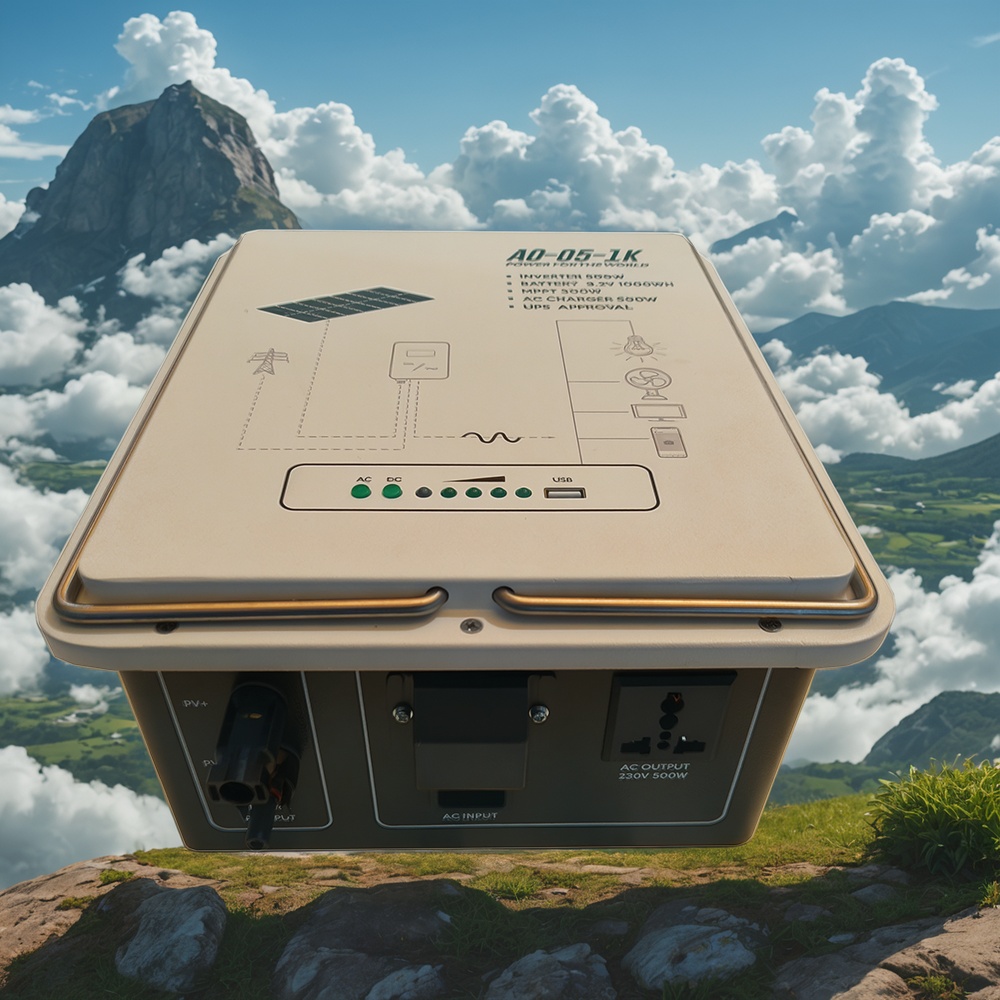
Off-grid inverters are the core equipment of independent solar power systems, operating without relying on the power grid. Used in conjunction with solar panels and battery banks, they form a completely independent power system. During the day, the solar panels generate electricity to power the loads and simultaneously charge the batteries; at night or on cloudy days, the batteries discharge, converting the electricity into AC power for household use via the off-grid inverter. Off-grid inverters require batteries to function properly because solar panels generate DC power, while household electricity is AC. The batteries act as an intermediate energy storage link to balance the supply and demand of electricity. Off-grid inverters can operate completely off the grid, making them suitable for remote areas where the grid cannot reach or for users who wish to achieve complete energy independence.
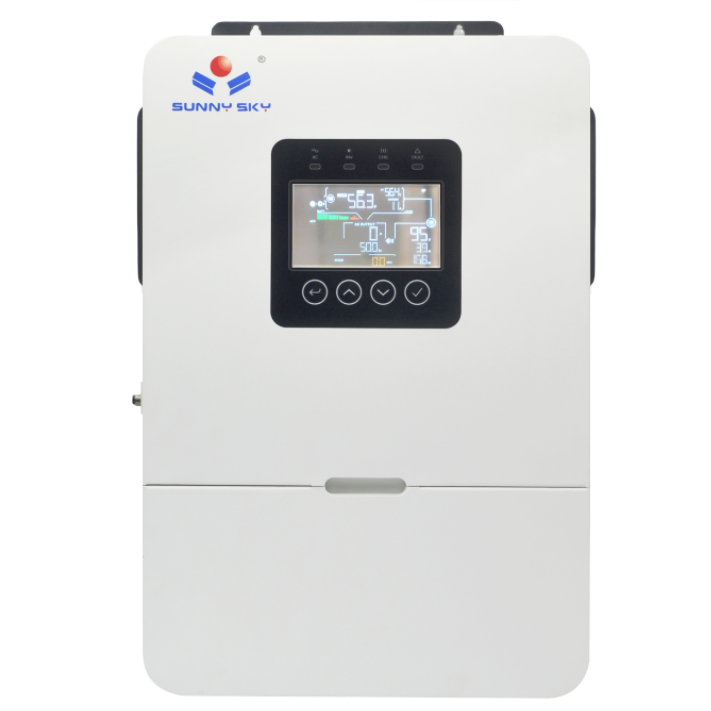
Hybrid inverters are the fastest-growing type in recent years, combining the functions of grid-connected and off-grid inverters. They can be connected to the grid or operate independently with a battery. Essentially, a hybrid inverter is a grid-connected inverter with added energy storage interfaces and functional modules. It supports both "surplus electricity fed into the grid" mode and a "storage-first" mode. In storage-first mode, the hybrid inverter prioritizes using solar energy to charge the battery, purchasing power from the grid only when the battery is low. During grid outages, the hybrid inverter can switch to off-grid mode, using the battery to power household loads. Hybrid inverters offer the highest flexibility of the three types, but are also correspondingly more expensive.
To understand the working principles of the three types of inverters, a simple analogy can be used: a grid-connected inverter is like the word "borrow," with the power grid being the "bank"—depositing money when there's surplus and withdrawing when there's not enough; an off-grid inverter is like a self-sufficient small-scale agricultural economy—growing its own land and eating its own food, without interacting with the outside world; and a hybrid inverter is like a family with both savings and granaries—able to deposit and withdraw money from the bank while also having its own reserves, ensuring supply under various circumstances.
II. Comparison of the core differences among the three types of inverters
After gaining a basic understanding of the definitions of the three types of inverters, we need to delve into their specific differences across multiple dimensions. These differences directly determine their respective applicable scenarios and user choices.
The most fundamental difference between the three types of inverters lies in their dependence on the power grid. Grid-connected inverters rely entirely on the grid to operate; if the grid fails, they will stop outputting power. For most urban households, this isn't a problem, as grid outages are rare. However, for areas with unstable grids, or users with specific requirements for power continuity, this limitation can be fatal. Off-grid inverters are completely independent of the grid; the presence or absence of the grid has no effect on them. However, off-grid systems require batteries of sufficient capacity to operate stably. Hybrid inverters, on the other hand, combine both modes, switching between grid-connected and off-grid modes as needed, making them the most flexible option.
Energy storage configuration is another key difference. Grid-connected inverters do not have built-in energy storage; to configure energy storage, an additional battery system needs to be installed and connected via a dedicated controller. Off-grid inverters must be used with batteries; without batteries, they cannot function properly, and the battery capacity directly determines the system's power supply capability in the absence of solar energy. Hybrid inverters have pre-installed energy storage interfaces in their design, allowing direct connection to batteries, making energy storage configuration simpler and more convenient. From an energy storage configuration perspective, both off-grid and hybrid inverters support energy storage, but off-grid systems are centered around energy storage, grid-connected systems require additional integration for energy storage, while hybrid inverters natively support energy storage.
Significant differences exist in system costs. Grid-connected inverters have a relatively simple structure, mature technology, and the lowest price. A 10 kW grid-connected inverter typically costs between several thousand and over ten thousand yuan. Off-grid inverters, requiring more advanced technology to manage battery charging and discharging, are 50% to 100% more expensive than grid-connected inverters of the same power. Hybrid inverters combine grid-connected and off-grid functions, have the highest technological content, and are the most expensive of the three types; a hybrid inverter of the same power can cost 2 to 3 times more than a grid-connected inverter. However, cost analysis cannot focus solely on the inverter itself; it must also consider battery costs, system complexity, maintenance costs, and other factors for comprehensive calculation.
Installation conditions and complexity also differ. Grid-connected inverters are the simplest to install, requiring only connection to solar panels and the grid, without needing to consider battery installation location or ventilation. Off-grid inverters are relatively complex, requiring planning the installation space for the battery pack, ensuring good ventilation and suitable temperature, and considering the load-bearing requirements of the battery weight. Hybrid inverters fall between the two in terms of installation complexity—simpler than off-grid systems but more complex than grid-connected systems. Regarding grid connection applications, grid-connected inverters require application for grid connection registration with the power sector, a relatively mature process; off-grid inverters do not require a grid connection application; and the grid connection application process for hybrid inverters is similar to that for grid-connected inverters.
Inverter efficiency is a crucial indicator of inverter performance. Higher efficiency means less loss during energy conversion, resulting in a higher proportion of generated electricity being effectively utilized. Currently, mainstream grid-connected inverters generally have efficiencies between 97% and 99%, with high-quality products exceeding 99%. Off-grid inverters typically have slightly lower efficiencies than grid-connected inverters, with mainstream products ranging from 95% to 97%. This is because off-grid inverters require more control logic to manage battery charging and discharging. The efficiency of hybrid inverters depends on their current operating mode; in grid-connected mode, their efficiency is close to that of grid-connected inverters, while in off-grid mode, their efficiency is close to that of off-grid inverters. When selecting an inverter, attention should be paid to its "European efficiency" or "Chinese efficiency" ratings, as these are weighted average efficiencies across multiple load points, better reflecting its performance in real-world applications.
III. Analysis of the Advantages and Disadvantages of the Three Types of Inverters
Every product has its applicable scope, and these three types of inverters are no exception. A thorough understanding of their respective advantages and disadvantages is a prerequisite for making the right choice.
The advantages of grid-connected inverters are very clear. First, there's the price advantage. As the most mature and highest-volume inverter type, grid-connected inverters benefit from economies of scale, making them competitively priced. Second, they offer high conversion efficiency. Grid-connected inverters don't require complex battery charging and discharging management; they focus solely on converting DC to AC, resulting in excellent efficiency. Third, the system is simpler. Without batteries, system complexity is significantly reduced, there are fewer potential points of failure, and maintenance is easier. Fourth, there are grid-connected benefits. Users can sell excess electricity back to the grid and earn revenue, something off-grid systems cannot do. Fifth, there's policy support. Most regions' solar energy subsidies and feed-in tariff policies are geared towards grid-connected systems.
The main disadvantages of grid-connected inverters lie in their dependence on the power grid and their lack of energy storage capacity. When the grid experiences a power outage, the grid-connected inverter also stops working and cannot provide power during the outage. This can be a fatal flaw for areas prone to power outages or users with high requirements for power continuity. Even when the grid is stable, users cannot take advantage of peak-valley electricity price differences to save on electricity bills because without energy storage, they cannot store electricity from low-price periods for use during high-price periods. Furthermore, without a dedicated energy storage system, grid-connected inverters cannot provide backup power during grid outages.
Off-grid inverters offer advantages that precisely compensate for the disadvantages of grid-connected systems. Completely independent of the power grid and external power sources, off-grid systems guarantee power supply under all circumstances, making them particularly suitable for remote areas inaccessible by the grid. For users seeking complete energy independence, off-grid systems are the only option. Coupled with high-capacity batteries, off-grid systems can provide continuous power for several days or even longer, ensuring basic electricity needs during prolonged periods of cloudy or rainy weather. Furthermore, off-grid systems are unaffected by grid policies and electricity price fluctuations, making electricity costs entirely controllable.
The disadvantages of off-grid inverters are also obvious. First, they are expensive. Battery costs account for a large proportion of the cost of an off-grid system; a 10 kWh energy storage system can cost tens of thousands of yuan, and batteries need to be replaced regularly, resulting in significant long-term costs. Second, the system is complex. From solar panels to batteries to the inverter, the integration and commissioning of the entire system requires specialized knowledge, making troubleshooting and repair more difficult. Third, battery maintenance is challenging. Battery banks require regular inspection, cleaning, and equalization charging, and the installation environment has certain requirements. Fourth, the system efficiency is relatively low. Energy loss occurs during battery charging and discharging, and combined with inverter conversion losses, the overall efficiency is lower than that of grid-connected systems.
Hybrid inverters combine the advantages of both grid-connected and off-grid models, making them the most comprehensive type. When connected to the grid, they can generate electricity and earn revenue from selling it; when disconnected, they can switch to off-grid mode and utilize battery power. In regions with favorable electricity pricing policies, hybrid inverters can profit from peak-valley electricity price differences: storing electricity during off-peak hours and discharging during peak hours to generate arbitrage profits. Hybrid inverters can also serve as backup power, automatically switching to battery power during grid outages to ensure the continuous operation of critical loads. For users who may upgrade from grid-connected to energy storage in the future, hybrid inverters offer expansion capabilities.
The main disadvantages of hybrid inverters are price and complexity. Hybrid inverters are more expensive than simple grid-connected or off-grid inverters, requiring users to pay a higher cost for their multi-functionality. The rich functionality of hybrid inverters also means a more complex user interface and parameter settings, potentially requiring a learning curve for ordinary users to become proficient. Furthermore, because hybrid inverters combine the characteristics of two systems, troubleshooting and repairing them may be more difficult in the event of a malfunction.
IV. How to Choose Three Types of Inverters for Different Scenarios
After a lot of theoretical analysis, it all comes down to specific selection advice. Each of the three types of inverters has its optimal application scenario, and the key to choosing one is to match your actual needs.
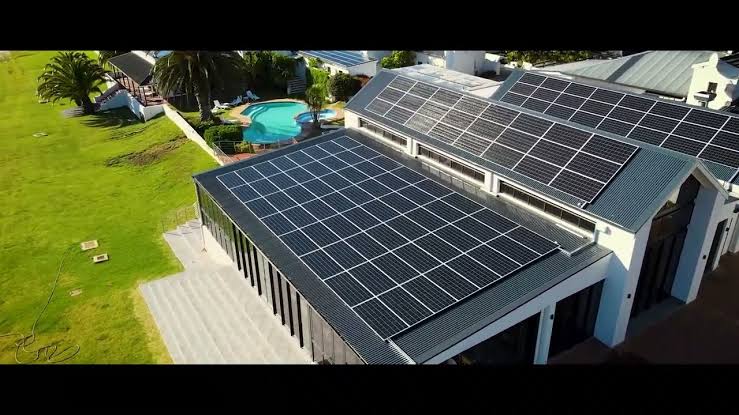
The largest market for grid-connected inverters is the typical urban residential market. If your home is located in a city or suburb with good grid coverage, where power outages are infrequent and your electricity needs are mainly for daily living, then a grid-connected inverter is the most cost-effective option. You only need to consider how to utilize solar energy to reduce electricity bills, without needing to worry about backup power. Installing a 5 to 10 kW grid-connected system, generating electricity for your own use during the day and selling surplus electricity back to the grid, while using grid electricity at night, typically allows you to recoup your investment within 5 to 7 years, based on current electricity prices and subsidy policies. Options exceeding this range are likely "overinvestment."
In regions with peak-valley electricity pricing policies, the value of hybrid inverters becomes apparent. If your local electricity price uses time-of-use pricing, with peak-hour prices significantly higher than off-peak prices, a hybrid inverter can help you profit from the price difference. You can use solar power to charge your battery during off-peak hours and use the battery to power your system during peak hours, reducing the need to purchase more expensive electricity. This "buy low, sell high" strategy can save thousands of yuan in electricity bills annually in areas with large peak-valley price differences. From an economic perspective, if the peak-valley price difference is large enough, the extra cost of the hybrid inverter can be recovered through electricity bill savings within a few years.
In areas with unstable power grids or frequent power outages, the backup power function of hybrid inverters is crucial. In some parts of China, power outages are frequent due to aging grids or power shortages. For users in these areas, choosing a hybrid inverter offers a dual benefit: enjoying the benefits of solar power generation during normal times, and automatically switching to battery power during power outages to ensure the continuous operation of critical loads such as refrigerators, freezers, and medical equipment. For families with infants, the elderly, or patients who require continuous power, this function may be essential. It is recommended to select battery capacity that can support critical loads for 24 to 48 hours.
In remote mountainous areas, areas without electricity, and pastoral settlements where the power grid cannot reach, off-grid inverters are the only option. These areas often have abundant solar energy resources, but they are too far from the grid or the cost of grid connection is too high, making grid-connected systems unusable. Off-grid systems, utilizing a combination of solar power generation and battery energy storage, can completely solve the basic electricity problems in these areas. Although the initial investment is higher, for people who live there long-term, saying goodbye to kerosene lamps and candles and using electric lights, televisions, and refrigerators will bring a qualitative leap in their quality of life. From this perspective, the value of off-grid systems cannot be measured solely in monetary terms.
Hybrid inverters are generally recommended for villas and large residences. These homes typically have higher electricity demands, including central air conditioning, underfloor heating, and hot water systems, and require a high degree of power continuity. Hybrid inverters can support larger system capacities while providing energy storage backup to ensure stable power supply under various conditions. Furthermore, villas usually have larger rooftops or yards, allowing for the installation of more solar panels. The multi-MPPT function of hybrid inverters can optimize the power generation efficiency of panels facing different directions. For users with sufficient budgets who pursue a high quality of life, hybrid inverters are a worthwhile investment.
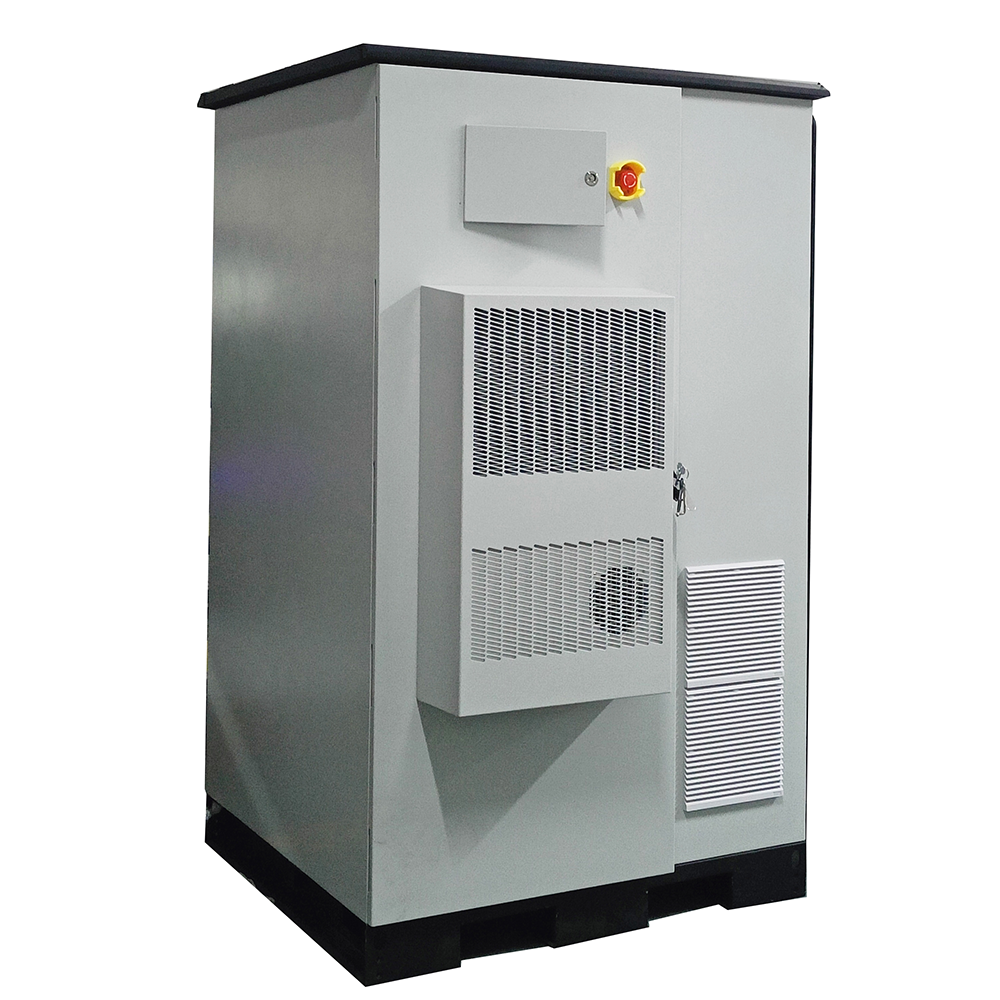
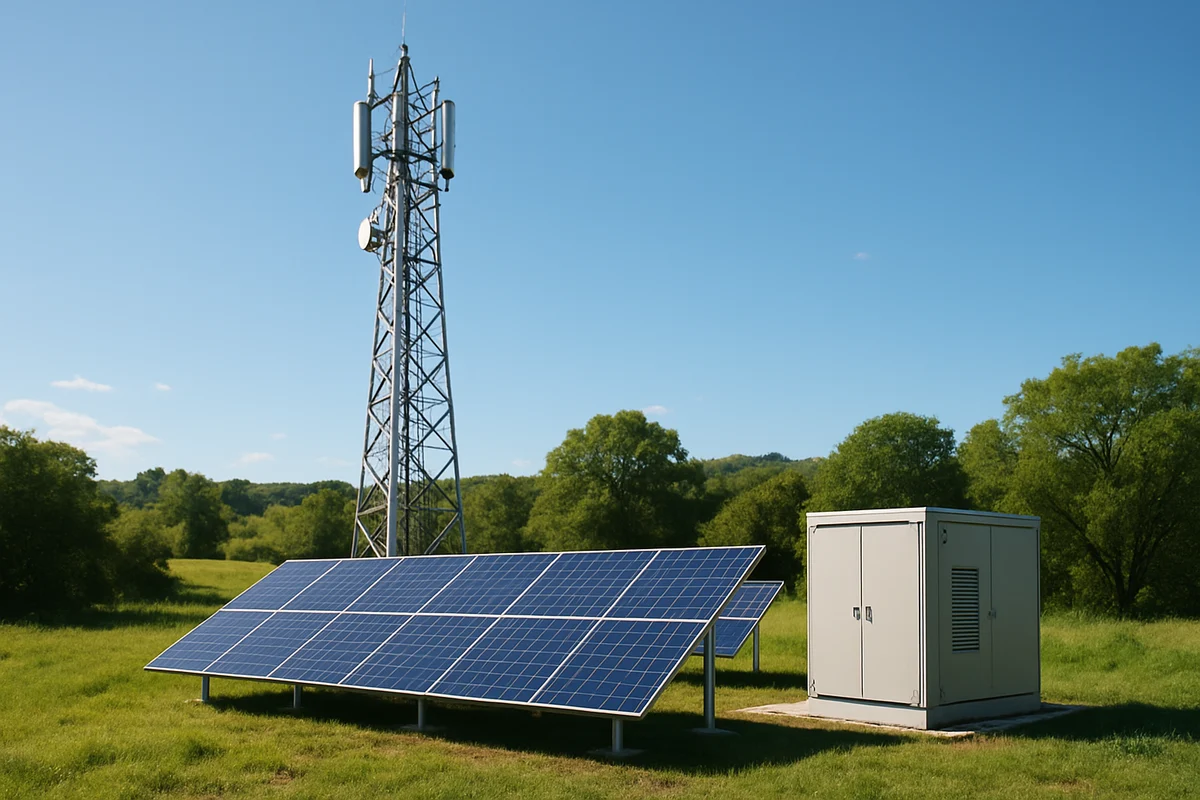
The choice for industrial and commercial users needs to be analyzed based on specific circumstances. For commercial buildings with high and stable daytime electricity consumption, such as shopping malls, factories, and office buildings, grid-connected systems are usually sufficient. Utilizing solar energy for self-consumption can significantly reduce electricity costs. Industrial and commercial users with peak-valley pricing policies and a high proportion of peak-hour electricity consumption can consider hybrid inverters for arbitrage. For locations with special power supply reliability requirements, such as hospitals, data centers, and communication base stations, it is recommended to configure hybrid systems with energy storage or a dual-insurance solution of diesel generators and energy storage.
Another important selection principle to remember is that the inverter's power should match the installed capacity of the solar panels. It is generally recommended that the ratio of the total solar panel power to the inverter's rated power (capacity ratio) be between 1.1 and 1.3. This avoids waste caused by the inverter operating at low loads for extended periods, and also avoids power limiting during peak power operations. If you are unsure how to choose, you can consult a professional solar system integrator who can provide customized solutions based on your specific needs.
Conclusion
Grid-connected inverters, off-grid inverters, and hybrid inverters may sound similar, but they are three completely different types of products with entirely different application scenarios and user groups. Choosing the right type is the first step to a successful solar system investment.
The core conclusions of this article can be summarized as follows: If you live in an urban residence with stable electricity supply and infrequent power outages, a grid-connected inverter offers the best cost-performance ratio; if you live in a remote area without electricity, an off-grid inverter is the only option; if you live in an area with an unstable grid, or want to take advantage of peak-valley electricity price arbitrage, or need backup power, a hybrid inverter is a more comprehensive choice. Before making a final decision, it is recommended to clarify your core needs: is it saving money, backup power, energy independence, or electricity price arbitrage? Different needs correspond to different choices.
Investing in a solar energy system is a long-term decision. Choosing the right inverter type not only affects the initial investment but also the user experience and maintenance costs over the next one to two decades. This article aims to help solar energy users correctly understand the differences between the three types of inverters, avoid losses from incorrect selection, and minimize detours on the road to clean energy transition.
Please contact Simon immediately to discuss your project:
• WeChat: TY530643572
• Telephone: +86 137 1166 0041