Comparing the 48V Solar Inverter to Traditional Options: Efficiency and Flexibility
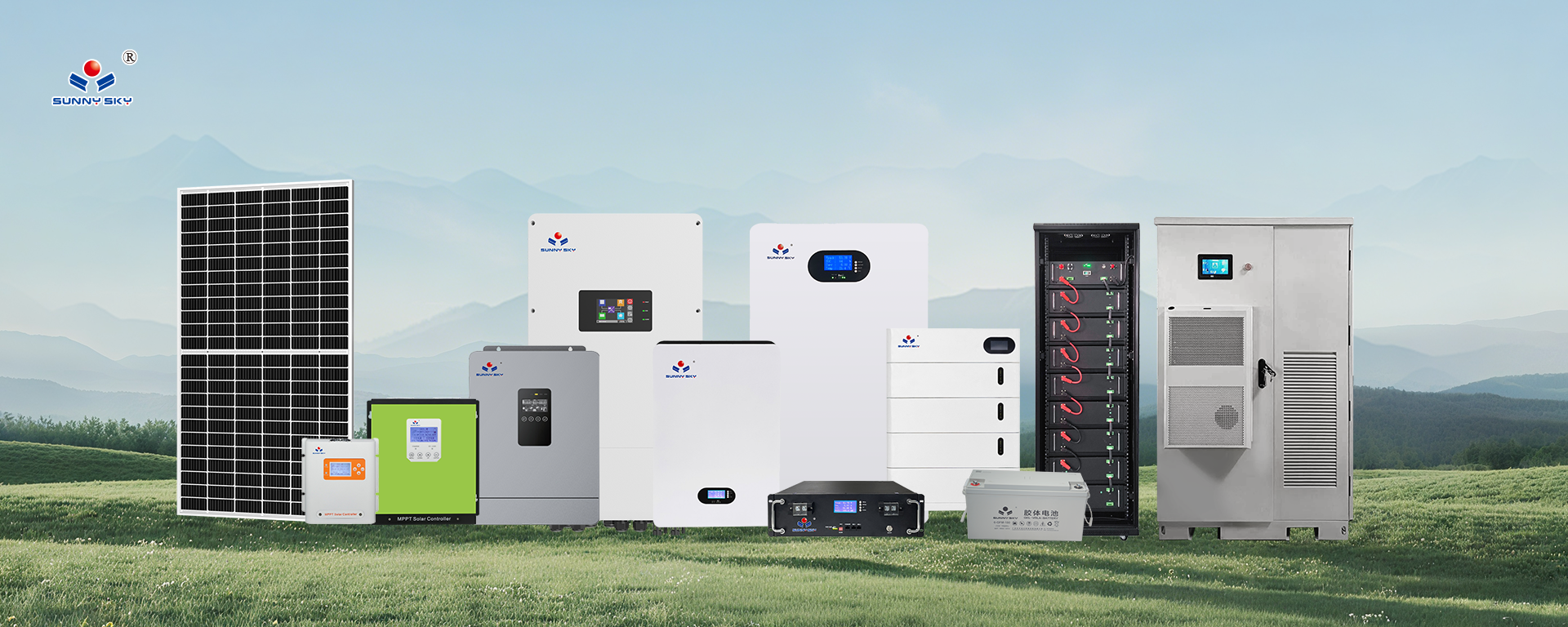
When exploring solar energy solutions, the 48V solar inverter stands out as a pivotal component for modern renewable energy systems. This high-voltage inverter efficiently converts DC power from solar panels into usable AC power, making it essential for hybrid solar systems. In comparison to lower-voltage alternatives like 12V or 24V models, the 48V solar inverter offers superior efficiency due to reduced current flow, which minimizes energy losses over long cable runs. This makes it particularly advantageous for off-grid solar inverter setups where reliability is key. Traditional inverters often struggle with voltage drops in extended installations, whereas the 48V model maintains consistent performance, providing a clearer path to sustainable energy systems.
Versus 3.6KW Hybrid Inverters: Power Capacity and Scalability
A key contrast emerges when pitting the 48V solar inverter against a 3.6KW hybrid inverter. While the 3.6KW hybrid inverter is designed for smaller-scale residential use, handling moderate loads with integrated battery charging, the 48V solar inverter supports higher capacities, often scaling up to 6KW or more in advanced configurations. For instance, our 6KW Hybrid Solar Inverter exemplifies this evolution in solar inverter technology, featuring bidirectional inverter capabilities that allow energy to flow both from solar panels to the grid and vice versa. In contrast, a standard 3.6KW model may lack the robustness for commercial demands, leading to frequent overloads during peak usage. The 48V system's higher voltage enables smoother integration with larger battery banks, enhancing the longevity and output of solar power inverters in demanding environments. This scalability positions the 48V option as a forward-thinking choice for users prioritizing growth in their renewable energy inverter setups.
Hybrid Solar Systems Showdown: Grid-Tied vs. Off-Grid Applications
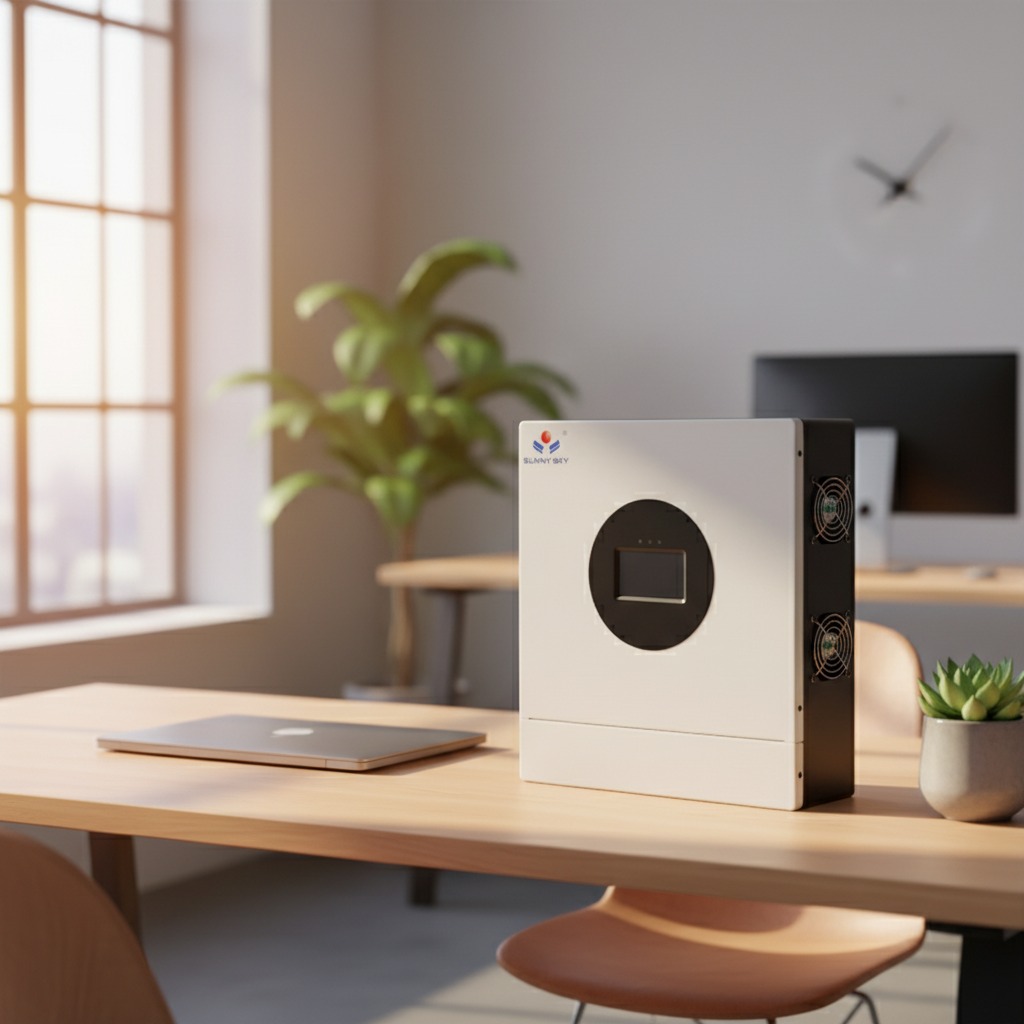
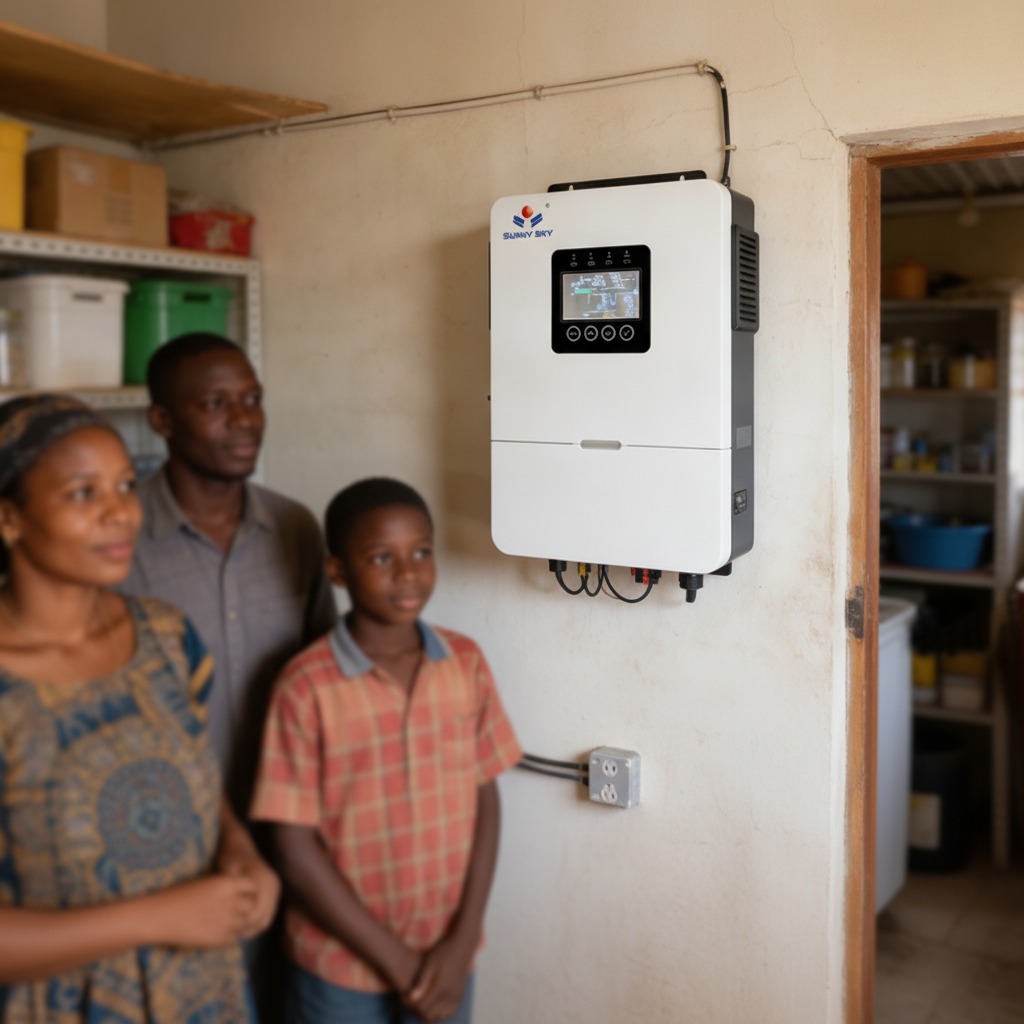
Delving deeper, hybrid solar systems powered by 48V solar inverters outperform purely grid-tied or off-grid alternatives in versatility. A traditional off-grid solar inverter might excel in remote locations but falters without grid backup, resulting in power interruptions during low solar yield. Conversely, the bidirectional inverter in a 48V system seamlessly blends grid, solar, and battery inputs, as seen in our product's user-friendly LCD display for real-time monitoring. This contrasts sharply with non-hybrid solar energy solutions, which often require separate components for each function, increasing complexity and cost. For sustainable energy systems, the 48V solar inverter's compact design and durable build ensure reliability across scenarios, from urban homes to rural off-grid sites. While a basic solar power inverter might suffice for simple setups, the hybrid approach reduces dependency on fossil fuels, offering economic savings through net metering—something rigid off-grid models can't match.
Future-Proofing with Advanced Solar Inverter Technology
Looking ahead, the 48V solar inverter represents a leap in solar inverter technology compared to outdated unidirectional models. Our 6KW Hybrid Solar Inverter, with its intuitive control panel and robust safety features, achieves up to 98% efficiency, far surpassing the 85-90% of legacy renewable energy inverters. This efficiency gap translates to substantial energy savings and a lower carbon footprint. In contrast, older systems often suffer from overheating or inefficient conversion, limiting their role in expansive sustainable energy systems. By incorporating advanced MPPT tracking, the 48V model optimizes power harvest even in variable weather, a feature absent in many conventional off-grid solar inverters. For businesses and homeowners eyeing long-term solar energy solutions, this technology not only contrasts favorably but also aligns with global shifts toward greener power management, ensuring a resilient and adaptable energy infrastructure.
In summary, the 48V solar inverter's advantages in efficiency, scalability, and integration make it a superior choice over traditional counterparts, paving the way for innovative hybrid solar systems that balance cost, performance, and sustainability.