Understanding Hybrid Solar Inverters: The Foundation of Efficient Renewable Energy Systems
If you're diving into renewable energy systems, a hybrid solar inverter is your gateway to smarter, more versatile power management. This device seamlessly blends solar power with grid electricity or battery storage, making it essential for both on-grid and off-grid setups. In this guide, we'll walk you through everything you need to know about hybrid solar inverters, including how they incorporate solar inverter technology to optimize your home's energy flow. Whether you're a homeowner looking to cut bills or a business aiming for sustainability, mastering this tech can transform your energy setup.
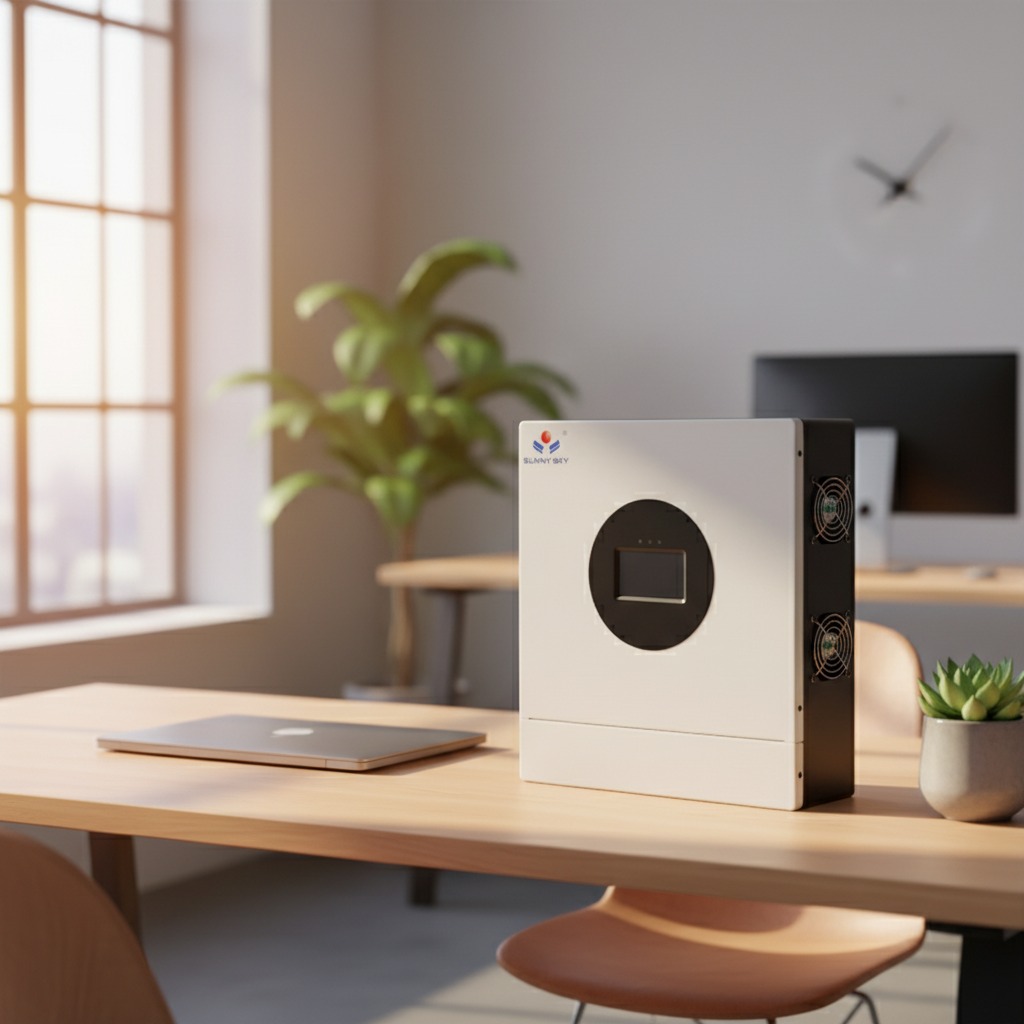
To get started, assess your energy needs. Calculate your daily consumption using past utility bills and factor in future expansions like electric vehicles. A hybrid solar inverter, such as the Sunny Sky 6KW model, handles up to 6KW loads effortlessly, supporting residential and commercial demands. Its design allows integration with solar panels, batteries, and the grid, ensuring you never run short on power. Begin by choosing components that match your goals—prioritize efficiency ratings above 95% to maximize returns.
Selecting the Best Hybrid Inverter: Key Features to Look For
Choosing the best hybrid inverter involves balancing performance, compatibility, and ease of use. Focus on models with advanced solar inverter technology, like Maximum Power Point Tracking (MPPT), which extracts the most energy from your solar panels even on cloudy days. The Sunny Sky 6KW hybrid solar inverter exemplifies this, featuring an intuitive LCD display for real-time monitoring of inputs, outputs, and battery status. It supports multiple inputs, including solar, AC grid, and batteries, making it ideal for versatile renewable energy systems.
Next, consider off-grid solar inverter capabilities if reliability during outages is crucial. Hybrid models like this one switch seamlessly between grid-tied inverter mode and battery backup, preventing disruptions. Look for smart solar inverters with app connectivity for remote control—monitor your system via smartphone to track performance and adjust settings. Safety features such as overload protection and temperature control are non-negotiable; the Sunny Sky inverter includes these to safeguard your investment. Budget-wise, aim for units with a 10-year warranty and high surge capacity to handle peak loads without faltering.
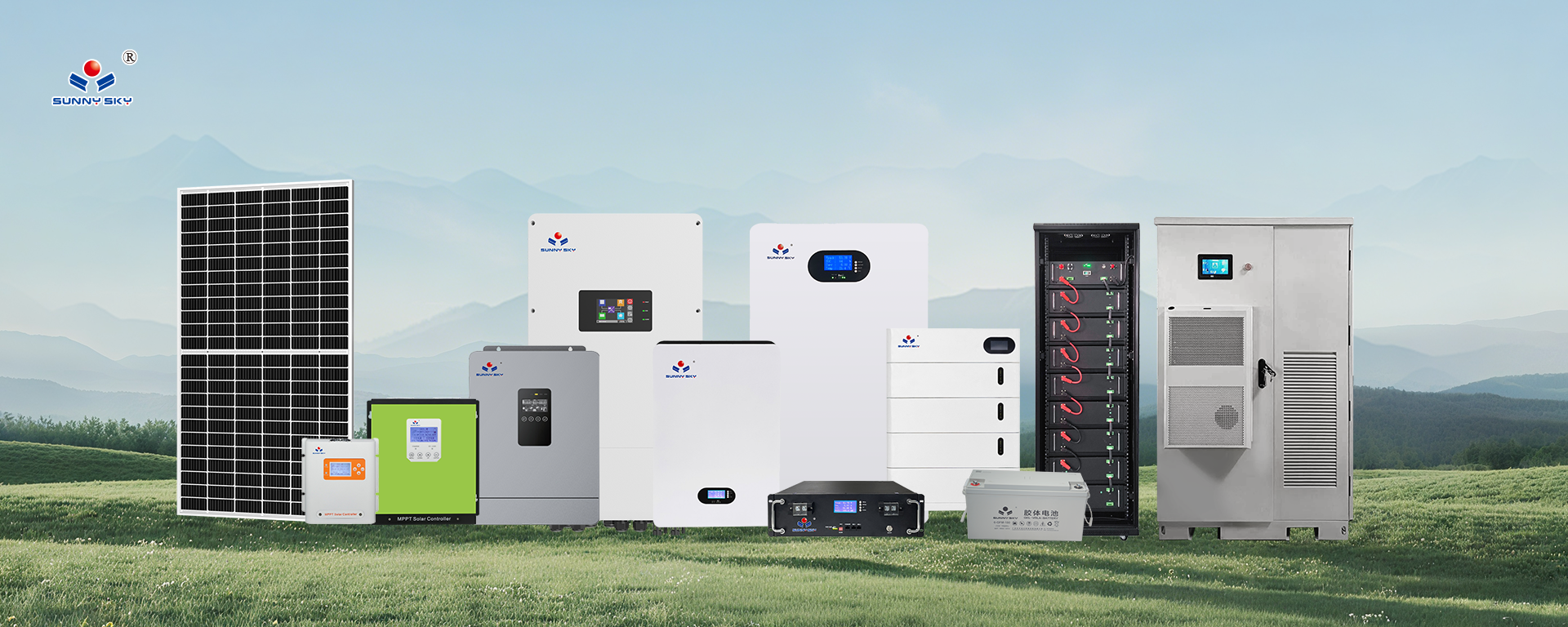
For energy storage inverter integration, ensure compatibility with lithium-ion or lead-acid batteries. This setup stores excess solar energy for nighttime use, reducing reliance on the grid. The best hybrid inverter will have built-in charge controllers to prevent overcharging, extending battery life. Evaluate noise levels too—the Sunny Sky operates silently, fitting perfectly into quiet homes. By prioritizing these elements, you'll select a device that aligns with your long-term sustainability goals.
Installing Your Hybrid Solar Inverter: A Step-by-Step Guide
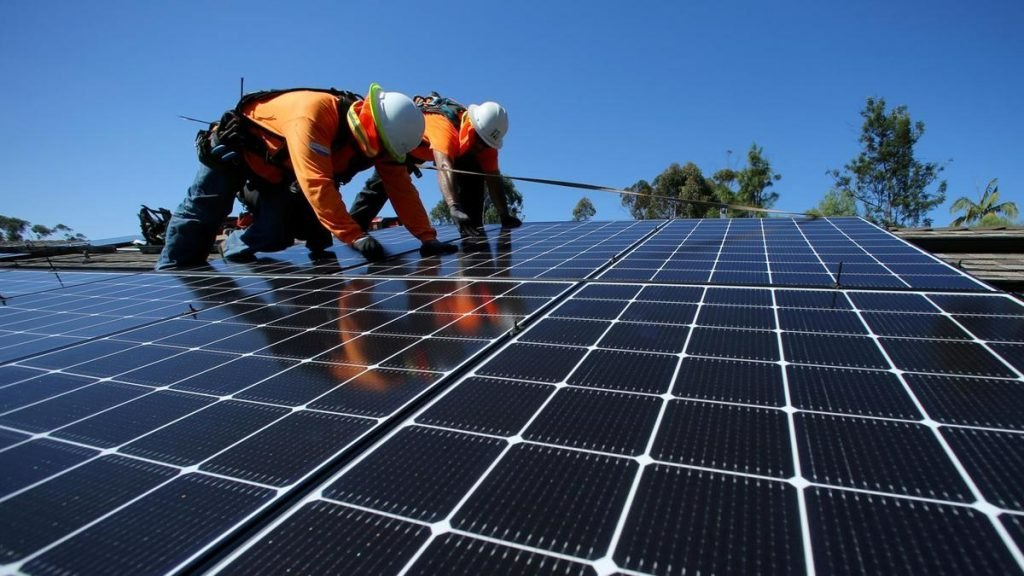
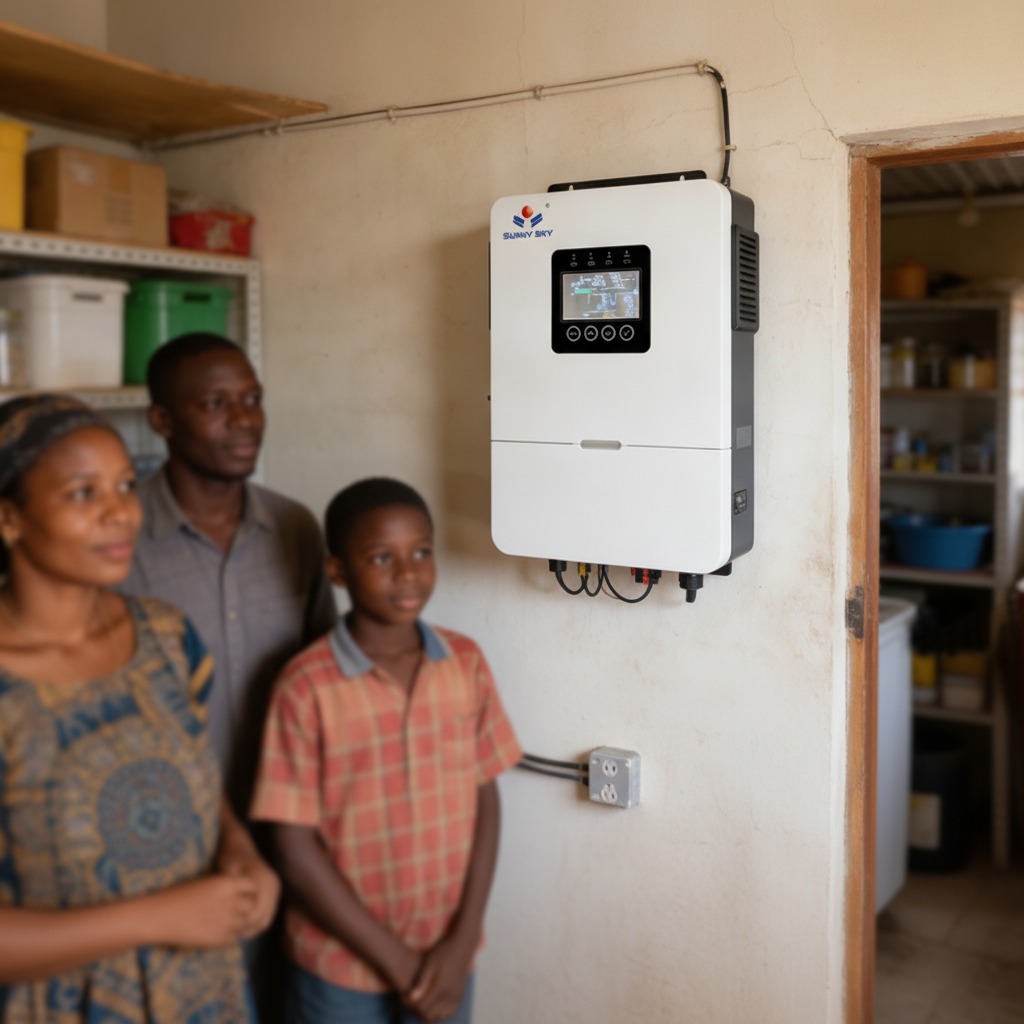
Installation is straightforward but requires careful planning to ensure safety and efficiency. First, consult a certified electrician to comply with local codes. Position the hybrid solar inverter in a cool, dry spot away from direct sunlight— the Sunny Sky's compact white casing makes it easy to mount on walls or racks. Connect solar panels to the DC input using appropriately sized cables; the solar panel inverter function will convert this to usable AC power.
Wire the battery bank next, following the manufacturer's polarity guidelines. For grid-tied inverter setups, link to your main panel with a transfer switch for automatic failover. Program the device via its user-friendly interface: set priorities for solar, battery, or grid usage. Test the system by simulating loads—verify that the smart solar inverters adjust outputs dynamically. If integrating with an existing setup, use the energy storage inverter mode to blend stored power seamlessly.
Post-installation, maintain your system by cleaning panels quarterly and checking connections annually. Monitor via the display or app to spot issues early. With proper setup, your hybrid solar inverter will pay for itself through energy savings in 5-7 years, while cutting your carbon footprint.
Optimizing Performance: Tips for Your Solar Inverter Setup
To get the most from your hybrid solar inverter, optimize for peak efficiency. Pair it with high-quality solar panels rated for your inverter's input capacity. In renewable energy systems, angle panels south (in the northern hemisphere) at your latitude for maximum yield—the MPPT in solar inverter technology will handle the rest.
For off-grid solar inverter users, size your battery bank to cover 2-3 days of autonomy. The Sunny Sky's battery inverter compatibility shines here, allowing deep discharge without damage. In grid-tied inverter scenarios, enable net metering to sell excess power back to the utility. Use smart features to schedule loads during sunny hours, minimizing grid draw.
Regular software updates keep your smart solar inverters current with efficiency improvements. Track metrics like efficiency ratios and energy harvested to fine-tune. If expanding, the modular design of models like the best hybrid inverter from Sunny Sky supports scaling without full replacements. By following these steps, you'll harness clean energy effectively, powering your life sustainably.
In essence, a hybrid solar inverter is more than equipment—it's a cornerstone of modern energy independence. With the Sunny Sky 6KW as your choice, enjoy reliability, style, and innovation in one package.