Understanding Hybrid Solar Inverters and Why You Need One
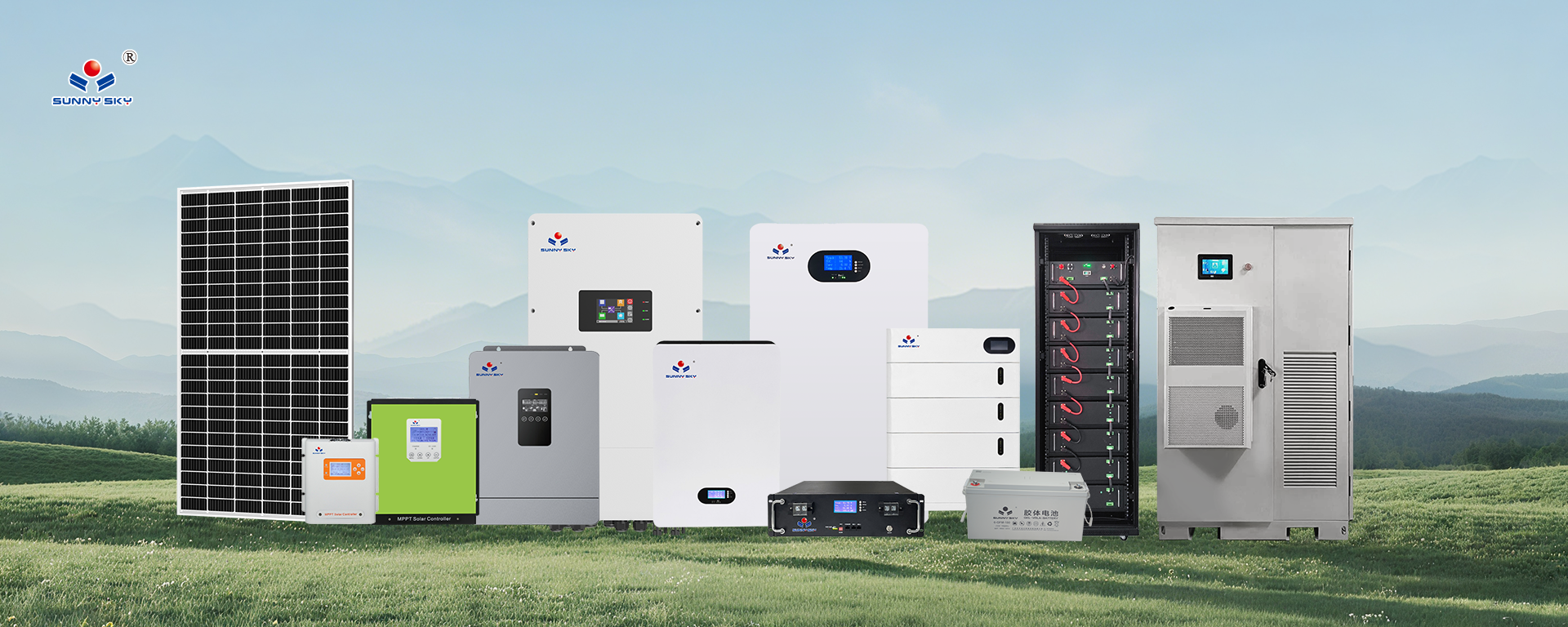
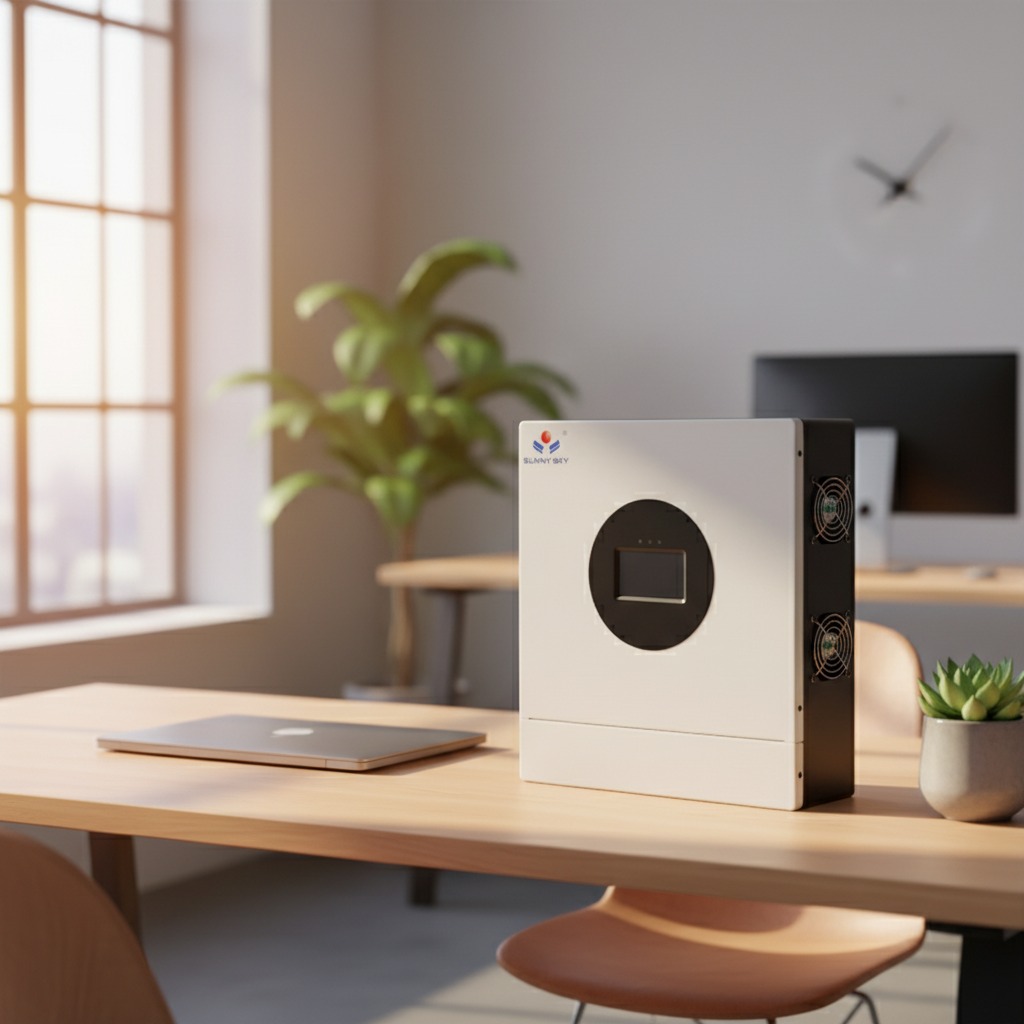
If you're looking to harness the power of the sun for your home or business, a hybrid solar inverter is an essential component of any efficient setup. This versatile device combines the functions of a traditional solar inverter with battery storage management, allowing you to store excess energy for later use. In this guide, we'll walk you through how to choose and install the best hybrid solar inverter, incorporating key features like PV input and battery integration to optimize your solar energy solutions.
Hybrid solar inverters stand out because they support both grid-tied and off-grid operations, making them ideal for renewable energy inverters in various scenarios. Whether you're dealing with fluctuating power grids or aiming for energy independence, understanding these systems starts with grasping their core capabilities. Let's dive into the selection process.
Step 1: Assess Your Energy Needs and Choose the Right Type
Begin by evaluating your power requirements. A hybrid inverter for solar panels should match your daily energy consumption, typically ranging from 3kW to 10kW for residential use. Consider options like the off-grid hybrid inverter if you live in remote areas, or a grid-tied solar inverter for urban setups where you can sell excess power back to the utility.
Key factors include efficiency ratings above 95% and compatibility with your solar panels. Look for models with dual input inverter capabilities, which allow simultaneous AC and PV connections. For instance, prioritize a solar inverter with robust AC input and output ports to ensure seamless integration with your existing electrical system. This step ensures your solar power systems are scalable and future-proof.
Don't overlook safety features like a built-in circuit breaker to protect against overloads. By calculating your peak load—such as appliances running simultaneously—you can select the best hybrid solar inverters that align with your budget and sustainability goals.
Step 2: Explore Essential Features for Optimal Performance
Once you've assessed needs, focus on features that enhance functionality. A top-tier hybrid solar inverter includes dry contact for automation, USB ports for monitoring devices, and RS-485 for industrial communication. The PV input is crucial for directly connecting solar panels, converting sunlight into usable DC power efficiently.
Battery input is another highlight, enabling storage for nighttime or cloudy days, which is vital for off-grid hybrid inverter users. Features like parallel connection allow you to link multiple units for expanded capacity, perfect for growing solar energy solutions. Additionally, USB WIFI integration lets you monitor your system remotely via apps, providing real-time data on energy flow.
For visual oversight, an LCD display showing solar panel output, battery status, grid connection, and home consumption icons is invaluable. This graphical interface, with date and time stamps, helps track zero-kilowatt readings during low production, ensuring you optimize every aspect of your renewable energy inverters.
Step 3: Installation Guide for Your Hybrid Solar Inverter
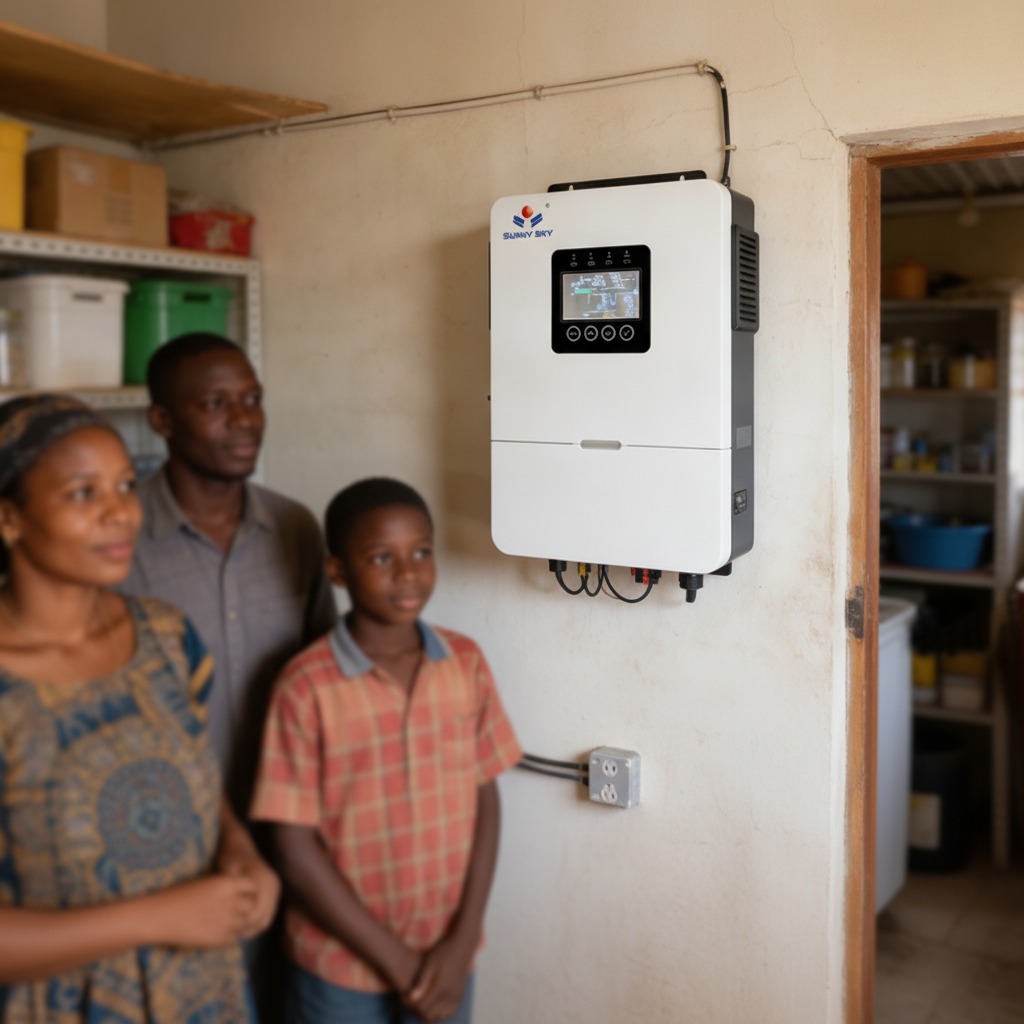
Installing a hybrid inverter requires careful planning. Start by mounting the unit in a cool, dry location near your battery bank and solar panels. Connect the PV input to your panels using appropriate wiring, ensuring polarity is correct to avoid damage. Next, link the battery input to your storage system, following manufacturer guidelines for voltage matching.
For grid-tied setups, secure the AC input to your main supply and AC output to your home's breaker panel. Activate the on/off switch only after all connections are verified. If using parallel connection, synchronize units as per the manual to boost output.
Professional installation is recommended for safety, especially with circuit breakers and dry contacts. Test the system by monitoring the LCD display for energy flow from solar panels to the house icon, confirming seamless operation in your solar power systems.
Step 4: Maintenance and Maximizing Efficiency
To keep your hybrid solar inverter running smoothly, perform regular maintenance. Clean PV connections quarterly and check battery levels via the USB ports. Update firmware through RS-485 or WIFI to access the latest efficiency improvements.
Monitor for issues like low solar input by reviewing the display's icons—adjust panel angles if kilowatt readings are suboptimal. For the best hybrid solar inverters, schedule annual inspections to ensure longevity and peak performance in your renewable energy inverters setup.
By following these steps, you'll not only install a reliable hybrid inverter for solar panels but also contribute to sustainable living. With features like dual inputs and smart monitoring, your solar energy solutions will provide years of clean, dependable power, reducing reliance on the grid and lowering costs.
In summary, selecting and setting up a hybrid solar inverter involves thoughtful planning around your needs, features, and installation best practices. This guide equips you to build an efficient solar power system that powers your life sustainably.