The landscape of renewable energy is rapidly evolving, and at the heart of this transformation is the 51.2V lithium battery. As homeowners increasingly turn to solar power, the need for efficient and reliable energy storage has become paramount. This has led to a surge in advanced battery solutions, moving beyond simple power storage to become integral components of a smart home ecosystem. When considering a system for home energy storage, consumers are now faced with a variety of choices, each with unique designs, technologies, and features. Understanding the key differences is crucial to selecting the perfect solar storage battery for your specific needs.
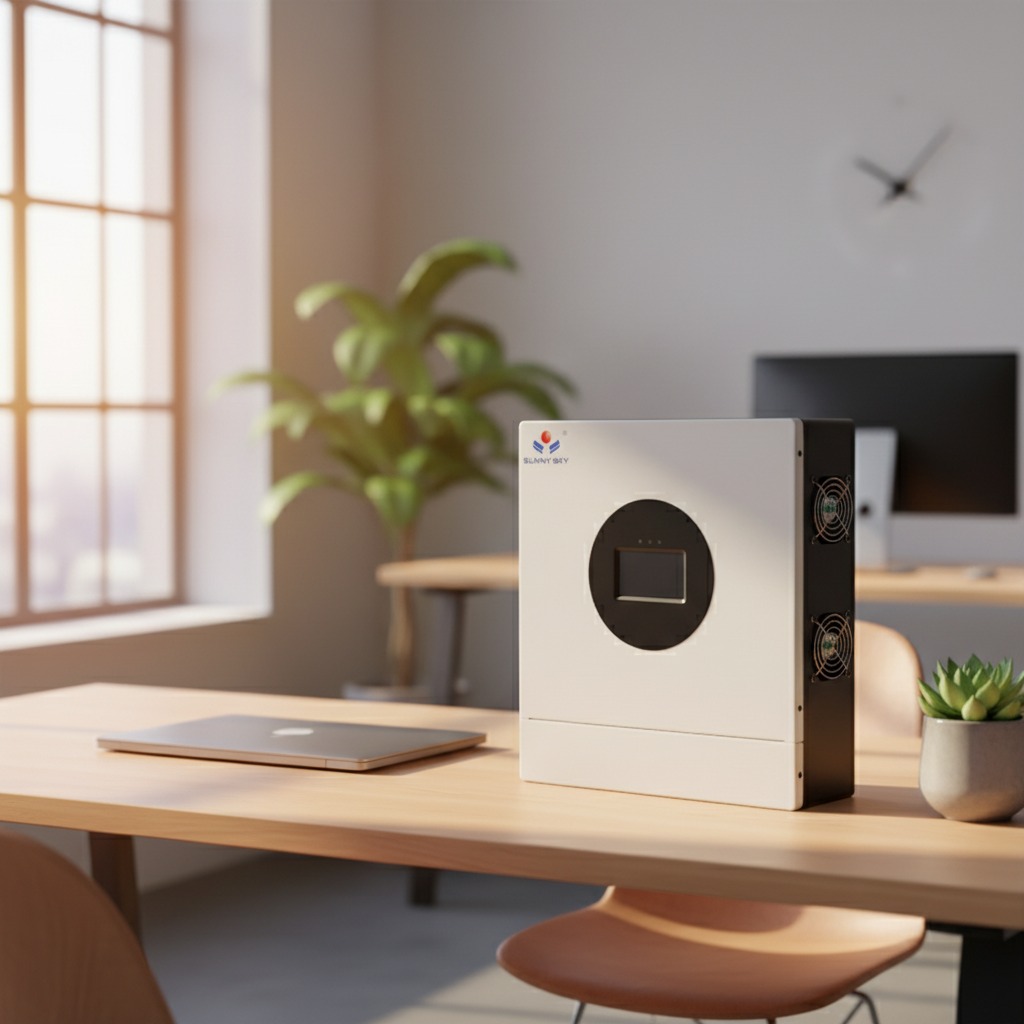
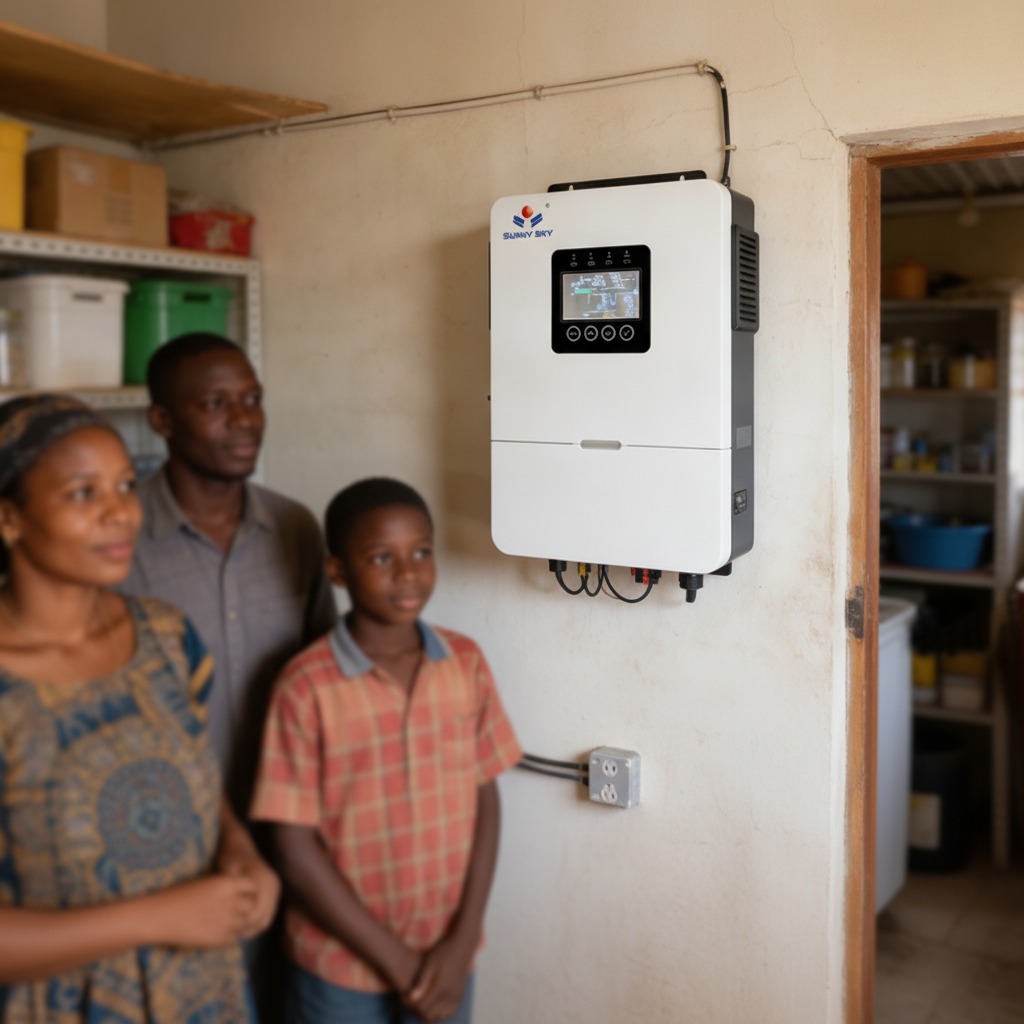
One of the most significant comparisons in today's market is between traditional battery banks and modern, integrated units like the 350AH wall-mounted battery. Older systems often consisted of multiple, bulky batteries that required significant floor space in a garage or utility room. In contrast, the modern power wall lithium battery offers a sleek, minimalist design that can be mounted directly on a wall, saving valuable space and providing a cleaner aesthetic. This design philosophy is not just about looks; it reflects a user-centric approach, integrating seamlessly into a home's design rather than being a purely industrial component hidden away. The choice often comes down to spatial constraints and visual preference, with wall-mounted solutions leading the charge for contemporary residential installations.
Beyond the external casing, the internal chemistry of the battery is a critical point of comparison. While many types of lithium-ion batteries exist, Lithium Iron Phosphate (LiFePO4) has emerged as a superior choice for solar energy storage applications. Compared to other chemistries like Nickel Manganese Cobalt (NMC), LiFePO4 batteries offer a significantly longer lifespan and a much higher degree of thermal and chemical stability. This inherent safety is a massive advantage for a device installed within a home. A quality lithium ion battery for solar will feature an advanced integrated Battery Management System (BMS) that monitors cell health, balances charge, and protects against overcharging or short circuits, but the foundational safety of LiFePO4 provides an unparalleled level of peace of mind for any solar battery system.
A modern 51.2V lithium battery is more than just a power reservoir; it's an intelligent device. When comparing models, the level of smart integration is a key differentiator. Basic models may offer simple state-of-charge indicators, but advanced units provide comprehensive data through digital displays and communication ports. This allows for seamless integration with smart home systems and remote monitoring via apps. For owners of a residential lithium battery, this means having real-time visibility into energy production, consumption, and battery performance. This connectivity transforms the battery from a passive component into an active part of your energy management strategy, allowing for optimized performance and greater control over your solar power system battery.
Ultimately, selecting the right battery comes down to comparing these key aspects against your personal requirements. If space and aesthetics are a priority, a sleek, wall-mounted unit is the clear winner. For those prioritizing safety and long-term investment, a battery with LiFePO4 chemistry is superior. And for the tech-savvy homeowner looking to create a fully integrated smart home, a battery with advanced monitoring and connectivity is essential. By contrasting these features—form factor, internal technology, and smart capabilities—you can confidently choose a battery that not only meets your power needs but also enhances your home's efficiency and sustainability for years to come.
Design and Form Factor: The Power Wall Revolution
One of the most significant comparisons in today's market is between traditional battery banks and modern, integrated units like the 350AH wall-mounted battery. Older systems often consisted of multiple, bulky batteries that required significant floor space in a garage or utility room. In contrast, the modern power wall lithium battery offers a sleek, minimalist design that can be mounted directly on a wall, saving valuable space and providing a cleaner aesthetic. This design philosophy is not just about looks; it reflects a user-centric approach, integrating seamlessly into a home's design rather than being a purely industrial component hidden away. The choice often comes down to spatial constraints and visual preference, with wall-mounted solutions leading the charge for contemporary residential installations.
Core Technology: LiFePO4 vs. Other Lithium Chemistries
Beyond the external casing, the internal chemistry of the battery is a critical point of comparison. While many types of lithium-ion batteries exist, Lithium Iron Phosphate (LiFePO4) has emerged as a superior choice for solar energy storage applications. Compared to other chemistries like Nickel Manganese Cobalt (NMC), LiFePO4 batteries offer a significantly longer lifespan and a much higher degree of thermal and chemical stability. This inherent safety is a massive advantage for a device installed within a home. A quality lithium ion battery for solar will feature an advanced integrated Battery Management System (BMS) that monitors cell health, balances charge, and protects against overcharging or short circuits, but the foundational safety of LiFePO4 provides an unparalleled level of peace of mind for any solar battery system.
Smart Integration and User Experience
A modern 51.2V lithium battery is more than just a power reservoir; it's an intelligent device. When comparing models, the level of smart integration is a key differentiator. Basic models may offer simple state-of-charge indicators, but advanced units provide comprehensive data through digital displays and communication ports. This allows for seamless integration with smart home systems and remote monitoring via apps. For owners of a residential lithium battery, this means having real-time visibility into energy production, consumption, and battery performance. This connectivity transforms the battery from a passive component into an active part of your energy management strategy, allowing for optimized performance and greater control over your solar power system battery.
Making the Right Choice for Your Home
Ultimately, selecting the right battery comes down to comparing these key aspects against your personal requirements. If space and aesthetics are a priority, a sleek, wall-mounted unit is the clear winner. For those prioritizing safety and long-term investment, a battery with LiFePO4 chemistry is superior. And for the tech-savvy homeowner looking to create a fully integrated smart home, a battery with advanced monitoring and connectivity is essential. By contrasting these features—form factor, internal technology, and smart capabilities—you can confidently choose a battery that not only meets your power needs but also enhances your home's efficiency and sustainability for years to come.