FAQ: What is a solar storage inverter system, and why does it matter?
A solar storage inverter system is the part of a solar setup that helps convert, manage, and store electricity so power is available when the sun is not shining. In practice, buyers often use the term to cover a few related configurations: a solar inverter with battery storage, a hybrid solar inverter, or a larger battery energy storage system tied to a photovoltaic inverter system. The exact architecture depends on whether the project is residential, commercial, or off-grid, and that difference matters more than many first-time buyers expect.
For engineers and sourcing teams, the real decision is not just “Can it store power?” but “How will it behave under the load profile, backup requirement, and site constraints?” A home solar storage system has very different priorities from a commercial solar inverter package feeding peak-shaving loads in a factory. One focuses on continuity and compactness; the other may prioritize service access, cabinet layout, ventilation, and integration with broader energy management equipment.
FAQ: What does the pictured industrial storage cabinet suggest about system design?
The visible product is a large floor-standing energy storage cabinet, likely part of a battery energy storage system. It has a painted metal enclosure, double front doors, a black base frame, a lifting point on top, ventilation openings, and front access hardware. Those details point to stationary industrial use rather than a small residential inverter.
That is useful for buyers because the enclosure tells you a lot about the intended duty even before you see the internal electrical package. A cabinet like this is typically chosen for commercial buildings, renewable energy sites, microgrids, backup power rooms, or projects that need an enclosed, serviceable storage unit. The presence of an emergency stop, warning label, and lockable access doors suggests that safety and maintenance access were part of the design brief.
One caution: do not assume battery chemistry, capacity, power rating, or certification status from the exterior. Those details are not visible and should be confirmed in the datasheet or technical proposal.
FAQ: How do hybrid, grid-tied, and off-grid systems differ?
Hybrid solar inverter
A hybrid solar inverter is often the most flexible option. It can manage solar generation, battery charging, and grid interaction in one system. For buyers, that flexibility can simplify installation, but it also makes controls and compatibility more important.
Off grid solar inverter
An off grid solar inverter is designed for sites without reliable utility power. It usually depends more heavily on batteries and careful sizing, since there is no grid to lean on when demand rises or solar output falls.
Commercial solar inverter
A commercial solar inverter tends to focus on larger loads, higher uptime expectations, and integration with plant or building controls. In this segment, the battery energy storage system often becomes part of a wider power architecture rather than a stand-alone feature.
FAQ: What should buyers check before specifying a solar power storage inverter?
The first check is the load profile. A storage inverter that works well for evening lighting backup may be a poor fit for motors, chillers, or process equipment. Next, look at runtime expectations, available installation space, heat management, and service access. Cabinet-based systems need room for doors, wiring, and maintenance, not just the footprint on the floor.
It also helps to separate electrical performance from mechanical packaging. The inverter and battery functions may be integrated, but the enclosure still has to survive the site environment. Painted metal cabinets are common, yet industrial buyers should still ask about corrosion protection, ventilation approach, and how cable routing is handled. A neat cabinet is not the same thing as a robust system, though it is a decent sign that the engineering team cared about the build.
FAQ: What common mistakes do buyers make?
One common mistake is buying for peak power alone and ignoring daily cycling behavior. Another is underestimating the importance of thermal design. A storage cabinet can look substantial and still be poorly suited to a hot mechanical room or dusty industrial setting. Buyers also sometimes treat the inverter and battery as separate purchases when, in reality, the interface between them determines a great deal of the system’s reliability.
Another practical warning: if the project needs remote monitoring, generator coordination, or seamless backup transfer, ask those questions early. Retrofitting controls after the hardware is fixed can be awkward and expensive.
FAQ: Where does Guangzhou Tianyuan Solar Equipment CO.,LTD fit in?
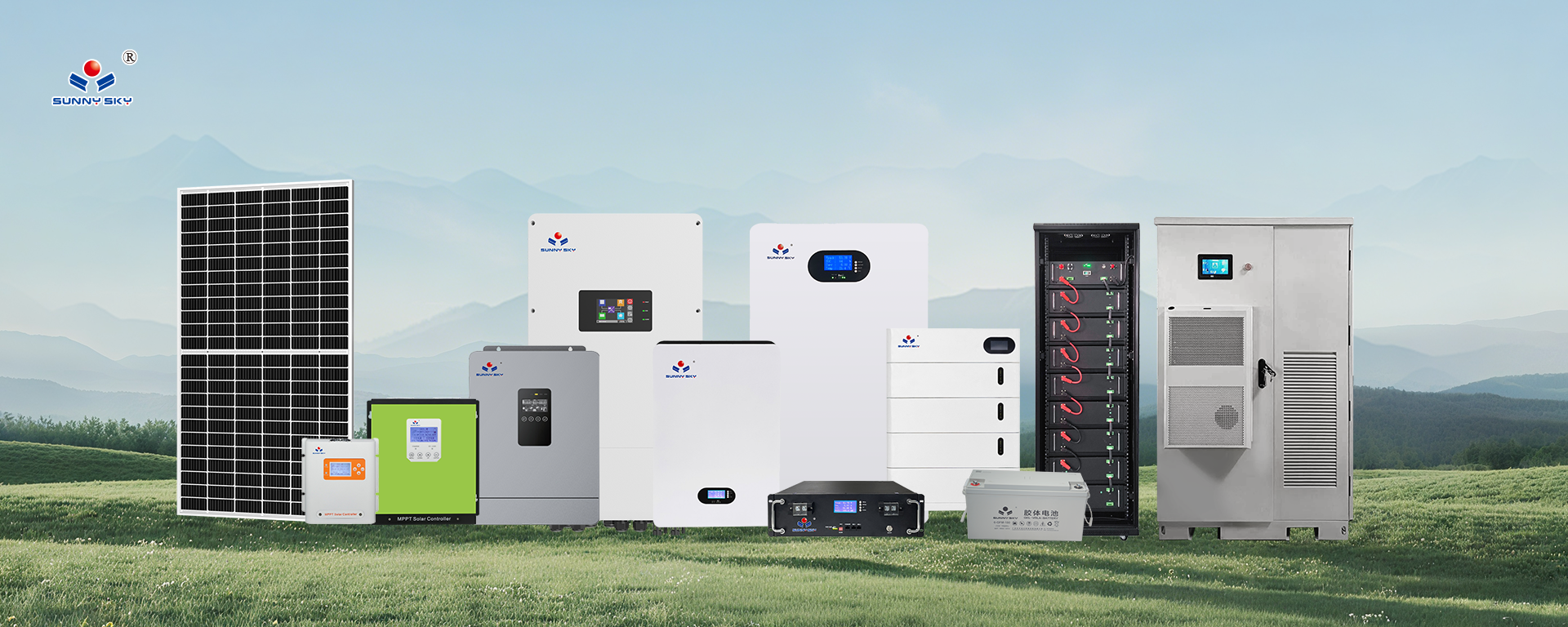
Guangzhou Tianyuan Solar Equipment CO.,LTD, under the SUNNYSKY brand, says it focuses on reliable, innovative green energy solutions and has invested in independent R&D and patented technologies. The company notes that its products have reached more than 50 countries and that it welcomes global clients to visit its factory near Guangzhou Baiyun International Airport, with complimentary airport pickup available. For sourcing teams, that combination suggests a supplier that is positioned around solar equipment and energy storage integration, although any specific project fit still depends on the technical specification rather than the brand name alone.
FAQ: What is the best next step for a buyer?
The best next step is to request a complete technical package: system topology, rated power, usable capacity, battery configuration, protection functions, enclosure details, and interface requirements. If your project involves a solar storage inverter system for commercial or industrial use, ask for the operating assumptions as well. Those assumptions often reveal more than a brochure does.
If you are comparing a hybrid solar inverter against a larger cabinet-style storage solution, start with the actual load profile and the uptime target. That usually narrows the field quickly and keeps the conversation grounded in what the site really needs.