FAQ: How should buyers think about a solar storage inverter system?
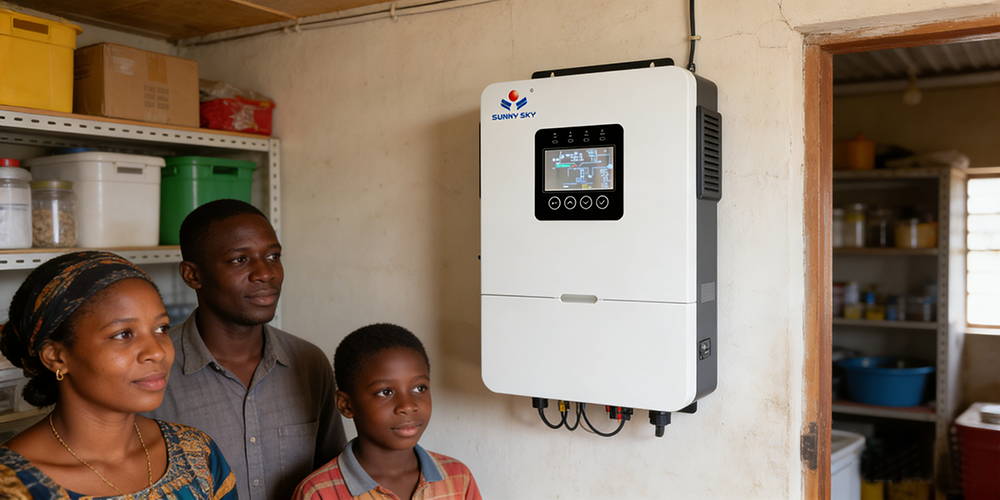
A solar storage inverter system sits at the point where generation, storage, and load management meet. For buyers, that matters more than the label on the brochure. The real question is not whether the system looks compact or modern, but whether it can move solar power into usable AC energy, manage battery charging safely, and support the site when the grid is weak or unavailable. For factories, commercial buildings, and larger home projects, that decision affects uptime, energy bills, and how much value you actually get from a PV investment.
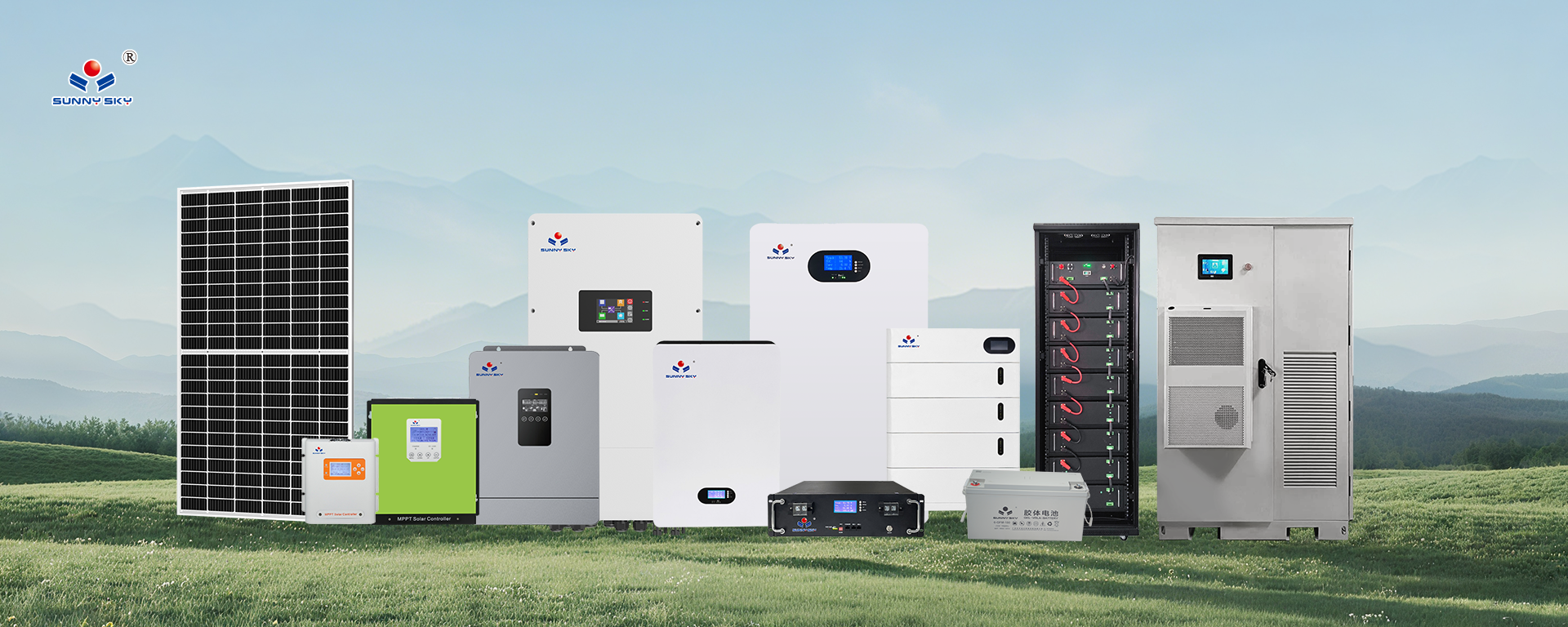
The cabinet-style energy storage unit shown here points to the industrial side of the market: enclosed metal construction, front access, indicator lights, an emergency stop, and ventilation provisions. That is the kind of practical hardware sourcing teams usually want to see before they start asking about capacity or software features. Those deeper specifications still need confirmation, but the physical layout already tells a story about use case and serviceability.
What does a solar storage inverter system do?
At its simplest, the system converts and coordinates energy flows. Solar generation is intermittent; loads are not. A solar storage inverter system helps bridge that gap by charging batteries when surplus power is available and discharging them when demand rises or solar output falls.
In buyer terms, that can mean:
Reliable backup during outages
Peak shaving to reduce expensive demand periods
Load shifting to move energy use into lower-cost hours
Smoother buffering for photovoltaic inverter system operation when site conditions fluctuate
For some projects, the setup is closer to a solar inverter with battery storage arrangement. For others, it is part of a broader battery energy storage system that may also coordinate with grid power, generators, or site controls. The exact architecture matters, and it should be verified early rather than assumed.
Why the cabinet format matters
Industrial buyers often focus on electronics first and enclosure design second. That is usually backward. Cabinet construction affects installation, maintenance, cooling access, cable routing, and safety procedures.
The product category here appears to be a large floor-standing enclosure with door access and visible front-side controls. That suggests a serviceable design intended for stationary power storage, not a small consumer unit. The emergency stop button is a practical detail, not a decorative one. So is the warning labeling. If you are comparing a commercial solar inverter against an enclosed storage cabinet, this kind of hardware often signals a stronger emphasis on operational safety and field service.
One small caution: a neat cabinet does not tell you everything. Buyers still need to check thermal management, internal battery chemistry, communication options, and maintenance access. Those details can decide whether a system is easy to live with or a headache six months later.
How do the main system types differ?
Residential vs. commercial use
A home solar storage system usually prioritizes footprint, quiet operation, and household backup loads. A residential energy storage inverter may be optimized for simpler installation and lower power levels.
A commercial solar inverter setup, by contrast, tends to be judged on uptime, capacity scaling, serviceability, and how well it fits facility power strategy. The cabinet in the image looks much closer to the commercial and industrial end of the spectrum.
Hybrid, off-grid, and grid-tied functions
A hybrid solar inverter can work with both PV and batteries, often giving the site more operational flexibility. An off grid solar inverter is built for independent power systems where the battery bank is essential, not optional. Many modern projects sit somewhere between those categories, and buyers should ask where the system is expected to operate most of the time.
That question sounds basic, but it shapes the whole procurement brief.
What should sourcing managers verify before placing an order?
Start with the numbers that affect design:
Rated capacity and usable energy
Power rating and surge behavior
Battery chemistry and module architecture
AC-coupled or DC-coupled integration, if applicable
Cooling method and cabinet ventilation strategy
Communication interfaces and monitoring functions
Protection features, shutdown logic, and emergency procedures
For this specific cabinet-style product, the image confirms visible controls, lockable access, and safety signage, but not the internal configuration. So the right approach is to ask for a full technical sheet before drawing conclusions.
Common buyer mistakes
The biggest mistake is buying a solar power storage inverter on the assumption that all systems behave the same way. They do not. A unit that works well for daily self-consumption on a light commercial site may be a poor fit for backup-heavy operations or harsh environments.
Another common error is ignoring service access. If a cabinet needs frequent inspection, maintenance teams will appreciate front access, clear indicators, and an obvious shutdown point. Those practical details save time, and time is money when a facility is down.
Where does Guangzhou Tianyuan Solar Equipment fit in?
Guangzhou Tianyuan Solar Equipment CO.,LTD says it combines independent R&D, patented technologies, and global project experience across more than 50 countries. The company also positions SUNNYSKY around reliable, innovative green energy, with factory visits available in Guangzhou and airport pickup for visiting clients.
For buyers, that kind of supplier profile is useful when the project needs more than a commodity product. If your team is sourcing a solar storage inverter system for a larger site, the real test is whether the manufacturer can support integration questions, documentation, and after-sales service—not just sell a cabinet.
FAQ
Is a solar storage inverter system the same as a battery?
No. The battery stores energy; the inverter and control system manage how that energy is converted and delivered.
Can one system support both solar and backup power?
Often yes, but the final architecture depends on whether it is hybrid, grid-connected, or off-grid.
Should I choose a cabinet-style system or a smaller unit?
That depends on load size, site space, service needs, and whether the project is residential or commercial.
What is the next step for a buyer?
Request the full technical specification, confirm the application scenario, and compare the enclosure, safety features, and integration method before discussing price. If the project is serious, ask for a factory review as well; a real look inside the manufacturing process is worth more than a polished datasheet.