What buyers really want to know about a solar storage inverter system
A solar storage inverter system is usually where the project stops being simple and starts becoming useful. Panels alone can make electricity, but they do not decide when that electricity is used. Once storage enters the picture, the inverter becomes the traffic controller: it manages how solar power, batteries, and the site load interact. For engineers and sourcing teams, the real question is not whether storage sounds attractive. It is whether the system fits the load profile, the installation environment, and the operating risk of the site.
That is why buyers often compare a solar inverter with battery storage against a plain grid-tied inverter, or weigh a hybrid solar inverter against a more modular battery energy storage system. Those are not just product labels. They affect wiring, controls, backup behavior, maintenance access, and what happens when the grid is down. In a commercial or industrial setting, those details matter more than brochure language.
Key roles in the system
A photovoltaic inverter system converts and manages power from solar generation, but storage adds another layer. The inverter must coordinate charging, discharging, and site supply without creating instability. In a home solar storage system, that may mean keeping critical loads alive during an outage. In a commercial solar inverter installation, it may mean shaving peaks, shifting load to lower tariff hours, or buffering a process line against short interruptions.
The product described here is closer to an integrated energy storage cabinet than a bare inverter package. Its floor-standing metal enclosure, louvered ventilation panel, emergency stop or disconnect knob, status lights, and warning labels all suggest a secured industrial control assembly. That makes it relevant to plants, commercial buildings, microgrids, and other sites that need a protected cabinet rather than exposed equipment.
Quick buyer comparison: what changes from one use case to another
Residential
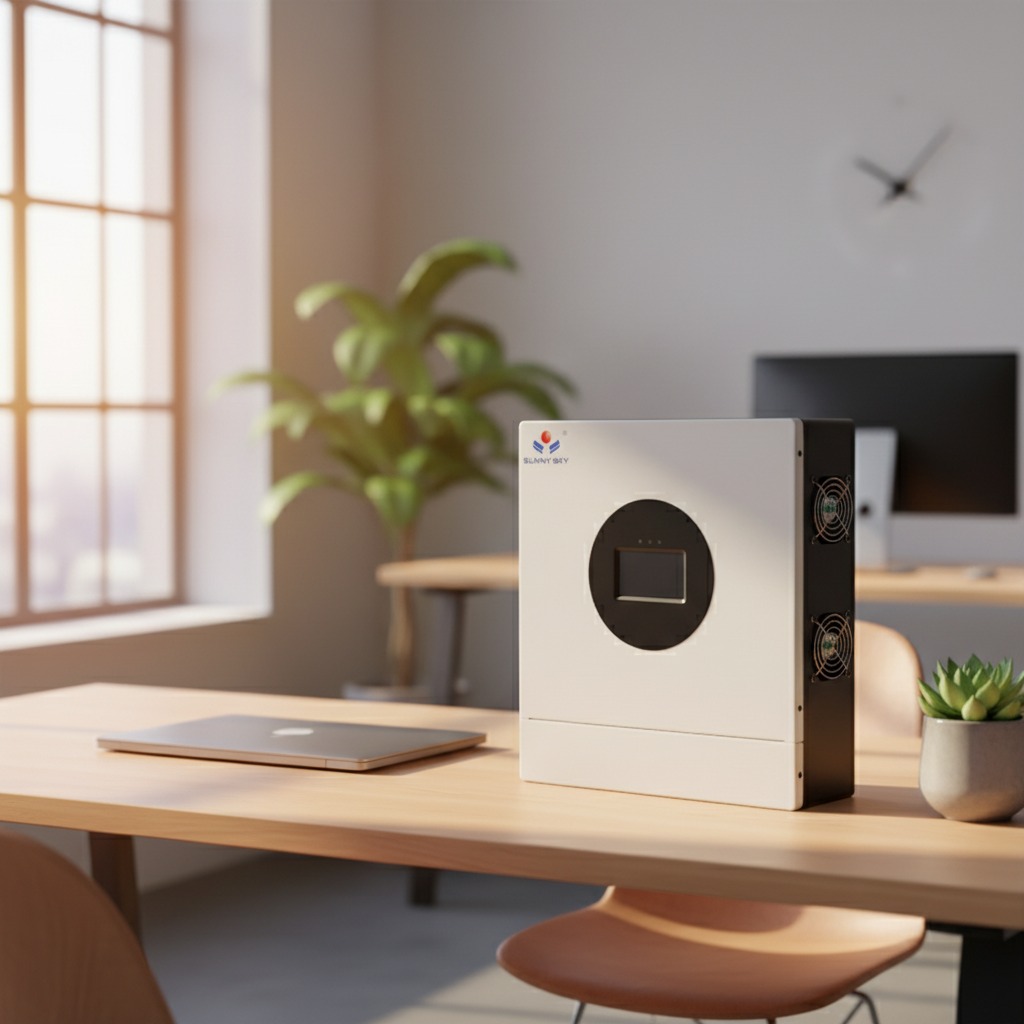
A residential energy storage inverter usually prioritizes quiet operation, compact size, and easy monitoring. The homeowner wants backup power and better self-consumption. They rarely want a large cabinet in view unless the garage or utility room can take it.
Commercial and industrial
For industrial buyers, enclosure design and service access become much more important. A large cabinet can simplify installation because power electronics, controls, and storage functions are gathered in one place. That can reduce site clutter, though it may also create a single point that demands careful ventilation and maintenance planning.
Off-grid and remote sites
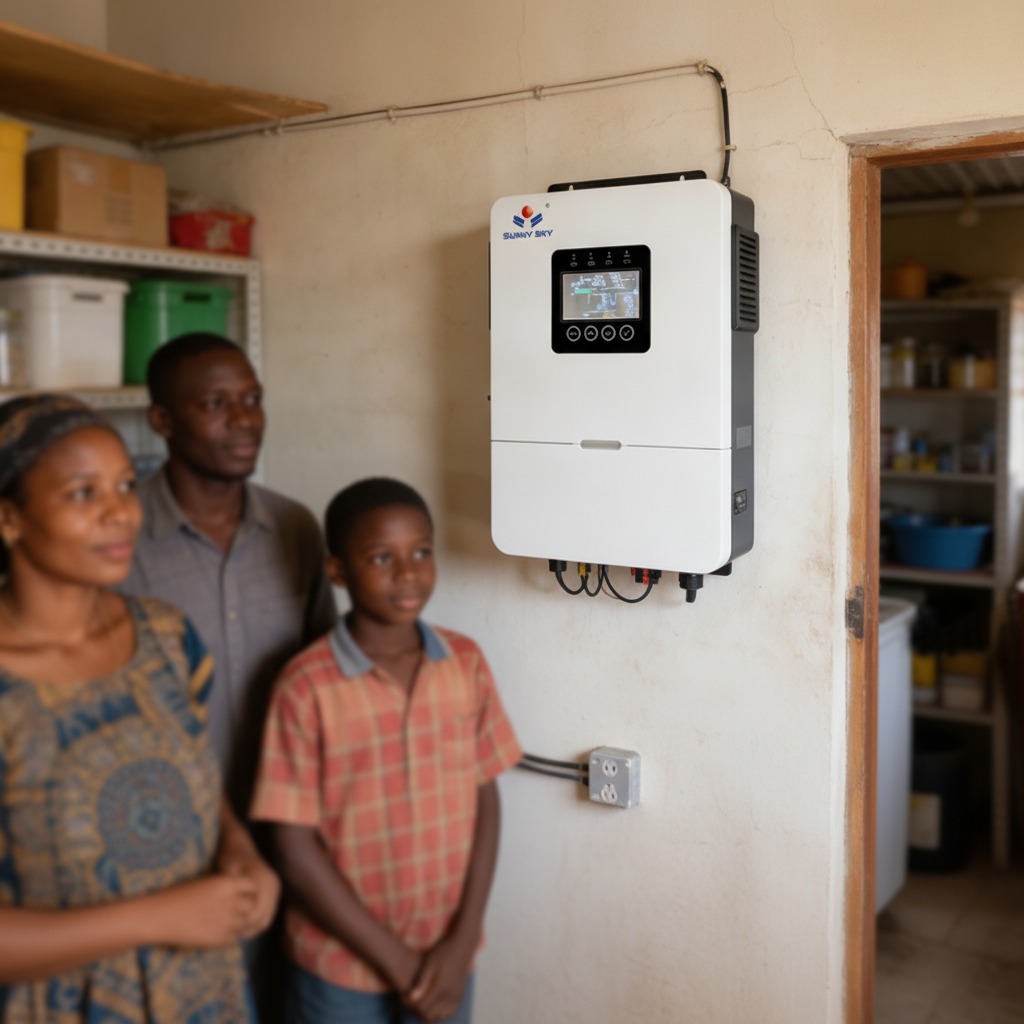
An off grid solar inverter has a harder job. It must support the load without the grid acting as a fallback, so sizing and protection logic matter. In remote operations, the buyer should look beyond the inverter nameplate and ask how the system handles overload, fault isolation, and long periods of partial charging. This is where a solar power storage inverter can be useful, but only if the battery and controls are matched to the duty cycle.
What the cabinet design tells you
From the visible features alone, this enclosure appears built for industrial electrical integration. The locked double-door front, black handles, emergency stop/disconnect, and high-voltage warning are all signs that the manufacturer expects controlled access. That is reassuring, but it also tells the buyer something practical: this is not a plug-and-forget appliance.
The louvered vent panel hints at active or at least assisted cooling through airflow. That is common in cabinet-style equipment, but it should prompt questions about ambient temperature limits, dust conditions, and service intervals. A buyer in a clean indoor electrical room will evaluate the cabinet differently from one in a hot utility area or a plant floor with airborne debris.
How to evaluate a system before you buy
Start with the application, not the hardware. Ask what problem the system must solve: backup, peak shaving, demand response, solar self-consumption, or resilience. A battery energy storage system built for load shifting may not be the best answer for a site that needs ride-through during frequent outages.
Then review the missing technical data carefully. For this cabinet, key details are not visible and should not be assumed: battery chemistry, capacity, inverter or PCS presence, DC or AC coupling, cooling method beyond the vented front panel, IP rating, fire suppression, communications, dimensions, and weight. If a supplier cannot provide those, treat that as a buyer risk, not a paperwork nuisance.
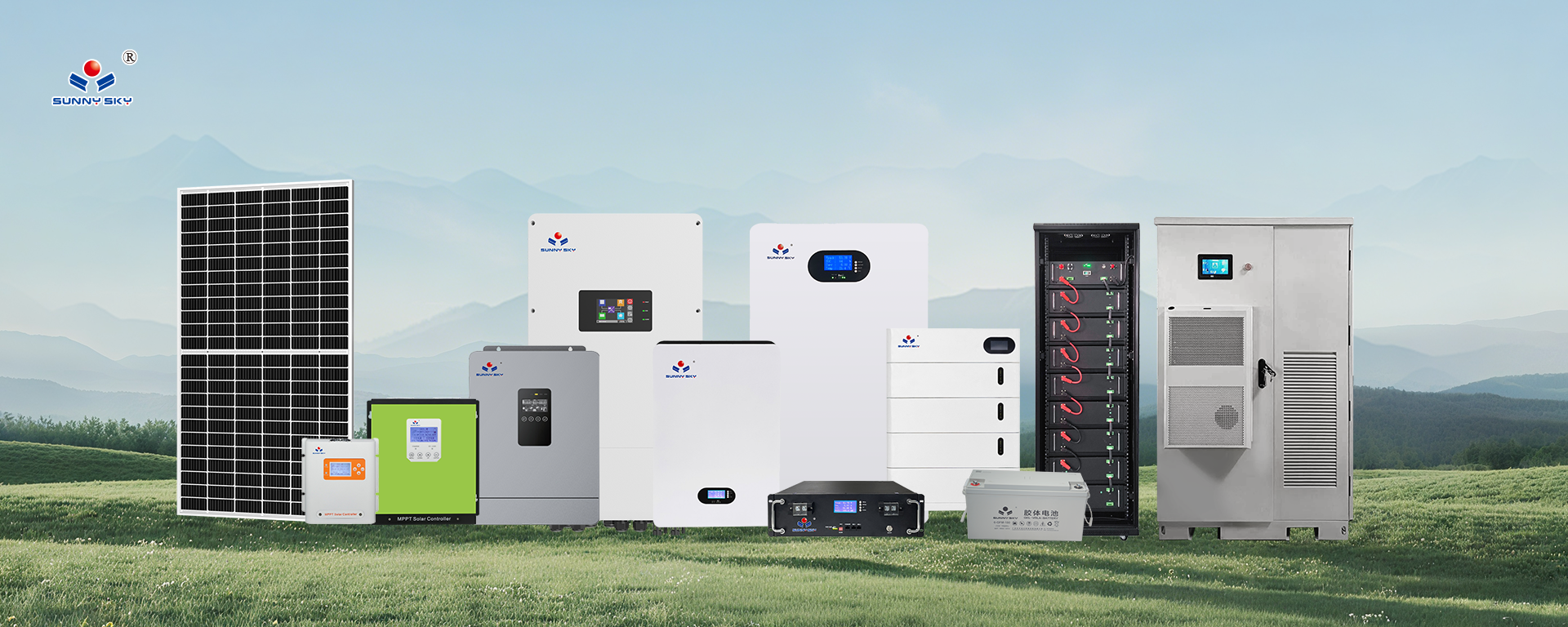
Guangzhou Tianyuan Solar Equipment CO.,LTD says its SUNNYSKY brand focuses on reliable, innovative green energy, with independent R&D, patented technologies, and export experience in more than 50 countries. For procurement teams, that kind of background can be useful, especially when a project needs both product integration and factory support. The company also notes its location near Guangzhou Baiyun International Airport and invites factory visits, which is often a practical way to verify build quality and service capability before a larger order.
Common mistakes buyers make
One common mistake is treating every hybrid solar inverter as if it can serve every site. It cannot. Another is assuming a neat cabinet equals a complete solution. The enclosure may look finished, but the integration burden still sits with the buyer, installer, or EPC team.
A smaller but costly mistake is neglecting maintenance clearance. A tall floor-standing cabinet can be easy to place and hard to service if it is tucked too close to a wall. That becomes annoying during routine inspections and dangerous during fault response.
FAQ
Is a solar storage inverter system the same as a battery cabinet?
Not always. A battery cabinet stores energy, while an inverter system converts and manages power. Some products combine both functions in one enclosure, but the internal architecture can vary widely.
Can this type of system support backup power?
Potentially yes, but only if the full system is designed for backup operation. The visible cabinet features suggest industrial use, yet backup behavior depends on the internal inverter, battery setup, controls, and protection logic.
What should sourcing teams ask first?
Ask for the electrical architecture, cooling method, enclosure rating, service access plan, and documentation for installation and operation. Those answers will tell you far more than marketing language about efficiency or smart control.
Is this more suitable for commercial or residential use?
Based on the cabinet form factor and safety layout, it appears more aligned with commercial and industrial sites than typical residential installs.
Next step for project teams
If you are comparing a solar storage inverter system for a factory, office building, or renewable-energy buffer project, start with a short technical brief and request the internal configuration, coupling method, and service requirements. A good supplier will answer those questions directly. A better one will help you match the cabinet to the load, not just to the solar array.