Why a solar storage inverter system matters more than the panel count
A solar storage inverter system is often the part of a project that decides whether the solar array becomes a useful power asset or just a daytime generator. For engineers, sourcing managers, and project teams, the real question is not simply how much PV can be installed. It is how smoothly the system can store energy, discharge it when needed, and keep loads running when the grid is unstable or unavailable.
That is where the choice between a standard inverter and a solar inverter with battery storage starts to matter. In practical terms, the inverter and storage function define how the site handles peak shaving, load shifting, backup power, and renewable buffering. If the application is commercial, the decision can affect utility bills and resilience. If it is residential, it can determine whether a home solar storage system actually covers evening demand or only offsets midday consumption.
What buyers are usually trying to solve
Most buyers are not shopping for technology in the abstract. They are trying to solve a problem: rising electricity costs, weak grid reliability, or the need to make better use of solar generation. A photovoltaic inverter system linked to storage can help in all three cases, but only if the architecture matches the load profile.
For a factory, the priority may be a commercial solar inverter arrangement that supports peak shaving and reduces demand charges. For a remote site, an off grid solar inverter setup may be more appropriate because continuous autonomy matters more than bill reduction. In a suburban home, a residential energy storage inverter is usually judged on backup convenience, usable capacity, and how well it handles daily cycling. The same broad category covers very different business needs.
Key system types buyers compare
Hybrid solar inverter
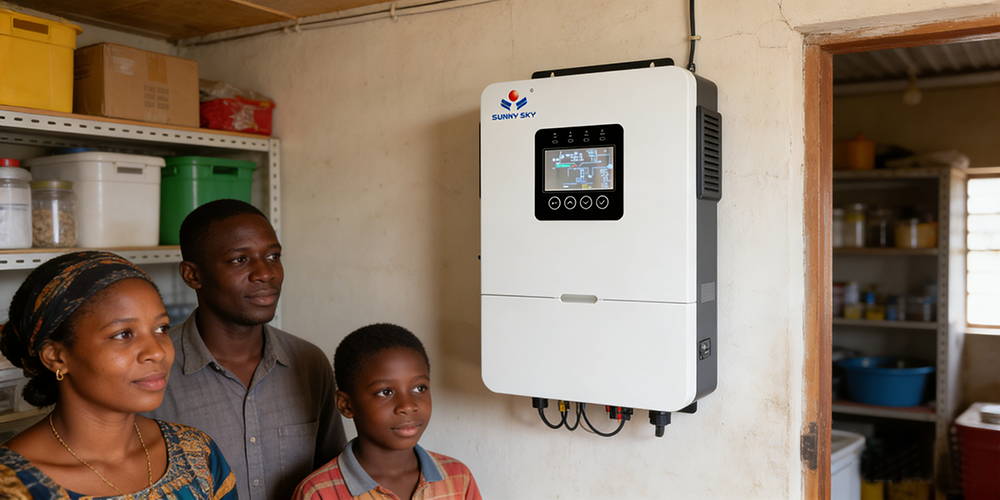
A hybrid solar inverter combines PV input, battery charging, and grid interaction in one system architecture. It is often the preferred option where sites want energy flexibility without building separate subsystems. The trade-off is that integration quality matters. A neat brochure does not guarantee the control logic is well tuned.
Off-grid and backup-oriented systems
An off grid solar inverter is built for installations where the battery carries the site through long gaps without utility support. These systems demand a more conservative design approach. Load diversity, surge behavior, and operating temperature all deserve attention, especially if the battery energy storage system will support motors or other variable loads.
Commercial and industrial storage cabinets
The image provided shows a large industrial energy storage cabinet: a floor-standing, enclosed metal unit with double front doors, visible ventilation, warning labeling, an emergency stop button, and a lockable access panel. That kind of enclosure is typically used in stationary energy storage installations where safety, maintainability, and control access matter. The internal battery chemistry and inverter configuration are not visible, so it would be unwise to assume more than that.
What to look for in the cabinet and enclosure
Many procurement mistakes happen because teams focus on electrical theory and ignore the physical build. Yet the cabinet is where reliability often starts. A well-fabricated solar power storage inverter enclosure should support safe access, basic thermal management, and straightforward servicing. Visible features such as louvered ventilation, safety signage, and emergency shutdown hardware are not decorative. They are practical indicators that the unit was designed for industrial handling rather than casual installation.
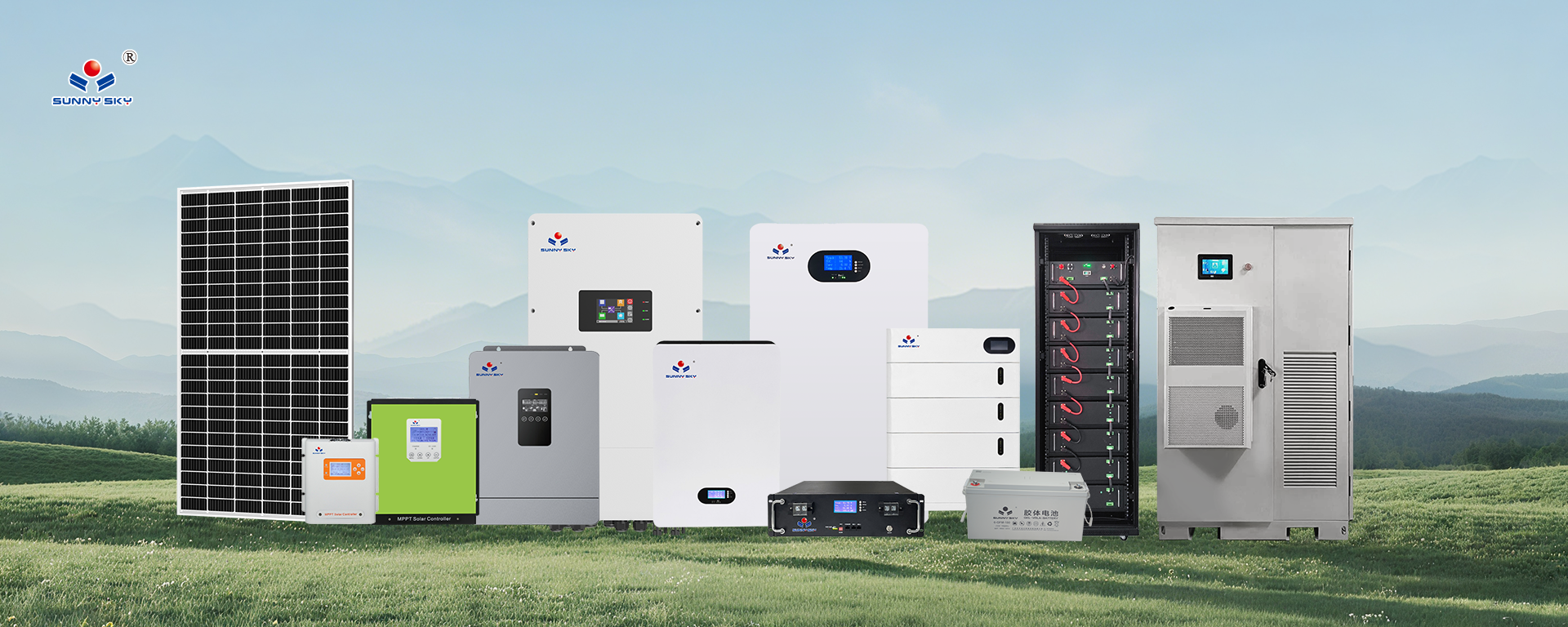
Guangzhou Tianyuan Solar Equipment CO.,LTD, under the SUNNYSKY brand, emphasizes independent R&D and patented technologies, with products supplied to more than 50 countries. The company positions its work around stable, reliable green energy solutions. That does not remove the need for technical due diligence, of course, but it does suggest the supplier is built around solar equipment rather than general-purpose sheet metal only.
FAQ: common buyer questions
Is a solar storage inverter system the same as a battery cabinet?
Not always. A battery cabinet may only house storage modules and safety equipment, while a solar storage inverter system may also include conversion and control functions. The exact topology should be confirmed before purchase.
Can one system cover both residential and commercial use?
Sometimes the product family overlaps, but the duty cycle, enclosure size, and control strategy are usually very different. A home solar storage system is not a direct substitute for an industrial cabinet.
What should buyers verify before placing an order?
Ask for the rated power, usable capacity, battery chemistry, thermal management approach, protection details, and whether the unit includes the inverter or only the storage enclosure. If these are unclear, pause. A cautious buyer loses less time than a rushed one.
Why does integration matter so much?
Because a battery energy storage system is only as useful as its controls. Poor coordination between PV, storage, and load can waste energy and create nuisance trips. Good integration should look boring once it is commissioned, which is usually a good sign.
Practical next step for sourcing teams
If you are comparing a hybrid solar inverter, a commercial solar inverter package, or a full solar storage inverter system, start with the load profile and the installation environment. Then request the exact electrical configuration, enclosure details, and service access plan. For projects that need factory review, Guangzhou Tianyuan Solar Equipment CO.,LTD also invites clients to visit its facility in Guangzhou, with airport pickup available. That kind of visit is often more useful than a polished specification sheet, because you can see how the cabinet is built, how the controls are arranged, and whether the product fits the actual project instead of the ideal one.