Solar energy is rapidly transforming the global energy landscape, emerging as a cornerstone of sustainable development and environmental conservation. As the world grapples with climate change and the need for cleaner power sources, solar energy has seen unprecedented growth, driven by technological advancements and supportive policies. This trend analysis explores how solar energy is evolving, particularly in areas like residential solar systems and commercial solar power, highlighting its potential to reduce reliance on fossil fuels and promote a greener future.
The Surge in Residential Solar Systems
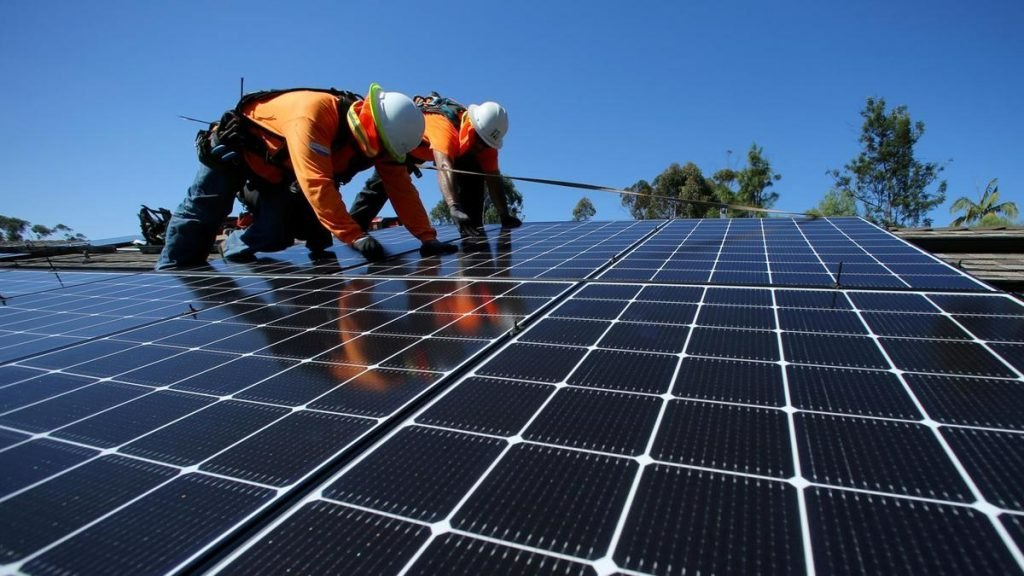
As homeowners increasingly seek ways to lower their carbon footprints and energy bills, residential solar systems have become a prominent trend. These systems allow individuals to generate their own electricity using photovoltaic panels installed on rooftops, thereby decreasing dependence on traditional grid power. The adoption of residential solar systems is fueled by dropping costs and improved efficiency, making them accessible to more families. For instance, innovations like the Tianyuan Solar Power Project exemplify this trend, integrating solar panels into everyday structures for maximum utility. However, challenges such as initial installation expenses and regulatory hurdles remain, yet the long-term savings and environmental benefits continue to drive popularity. This shift not only empowers consumers but also contributes to broader renewable energy solutions, with projections indicating that residential installations will double in the next decade.
Trends in Commercial Solar Power and Cost Dynamics
Commercial solar power is another key area witnessing significant momentum, as businesses leverage solar energy to meet sustainability goals and reduce operational costs. Large-scale photovoltaic systems are being deployed in warehouses, offices, and industrial sites, providing a reliable source of clean energy. The decreasing solar power cost has made this option more viable, with prices for solar installations falling by over 80% in the past decade due to economies of scale and technological improvements. Companies are also exploring solar energy efficiency enhancements, such as advanced tracking systems that optimize panel orientation for better energy capture. The Tianyuan Solar Power Project serves as a prime example, showcasing how commercial applications can blend functionality with eco-friendly design, like shading parking areas while generating power. This trend is expected to accelerate as governments offer incentives, positioning solar energy as a smart investment for forward-thinking enterprises.
Advancements in Solar Battery Storage and Off-Grid Solutions
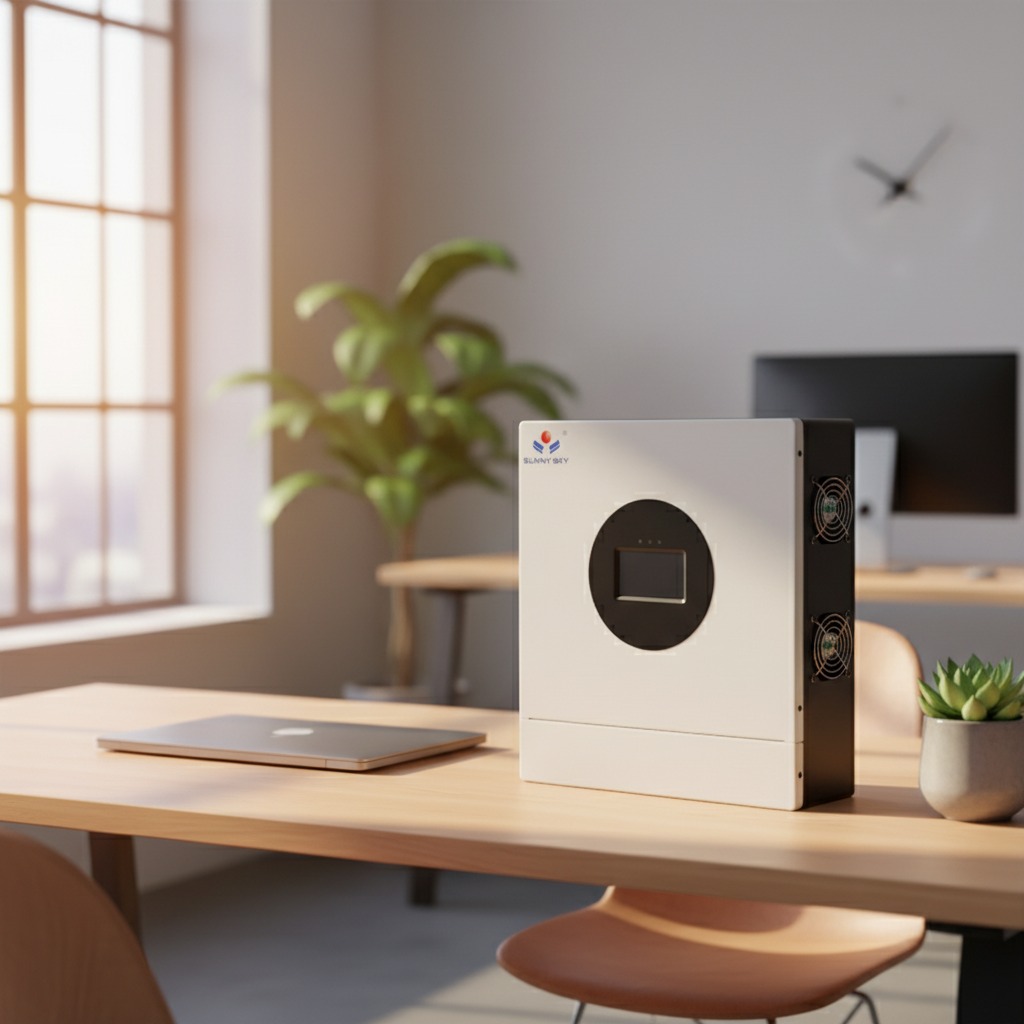
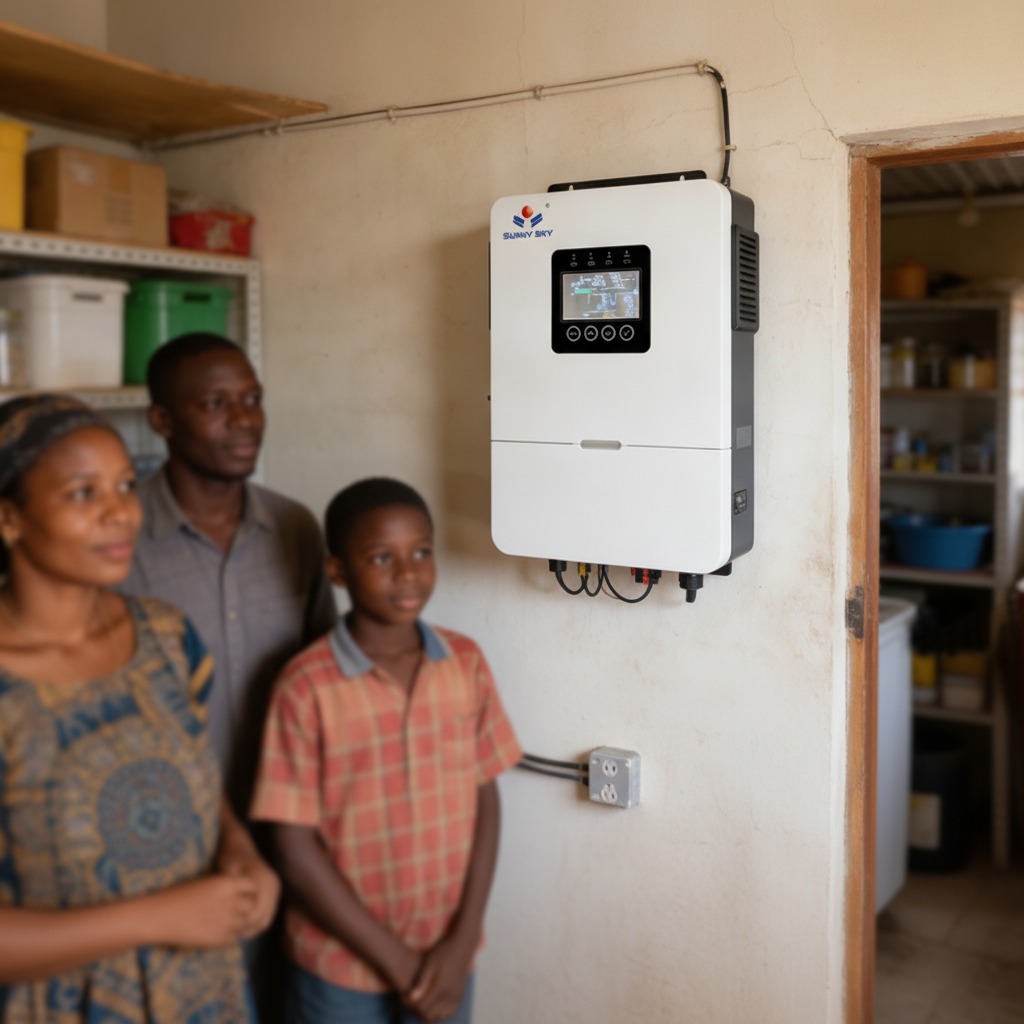
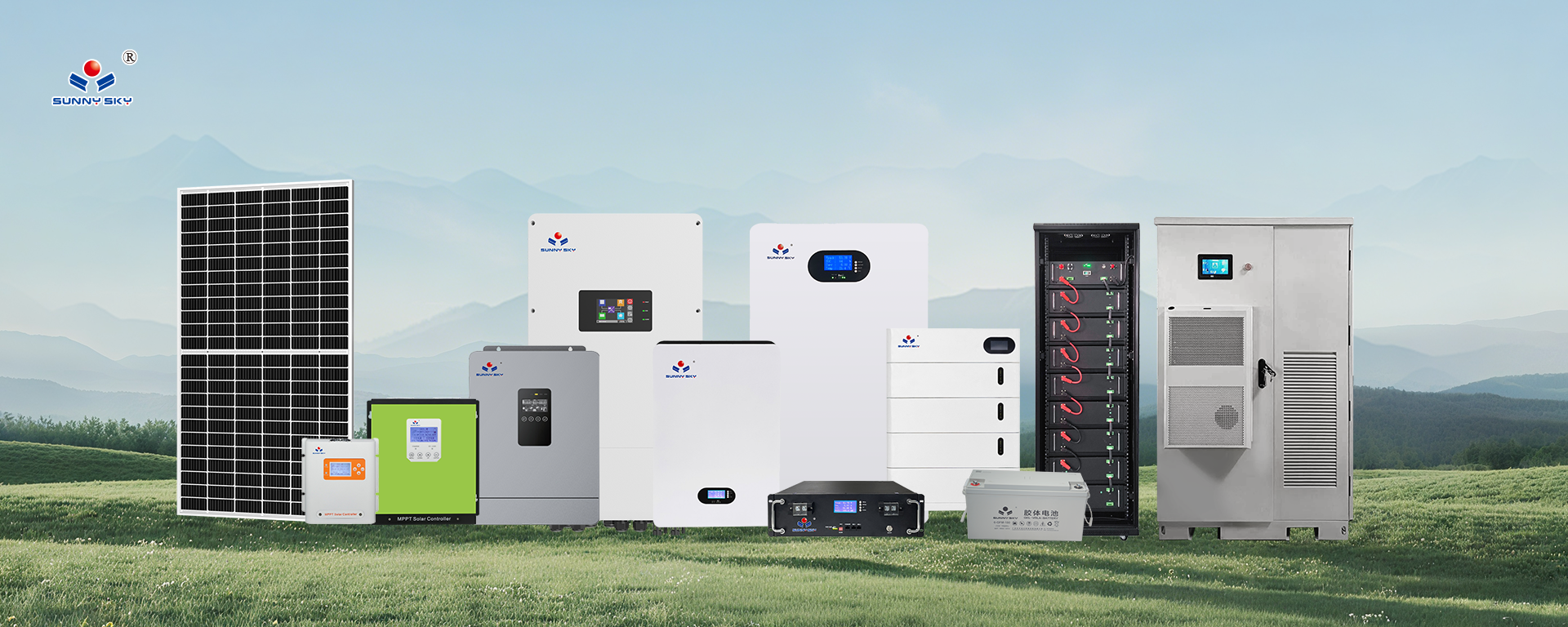
Solar battery storage is revolutionizing the way energy is stored and utilized, enabling greater independence from the grid and supporting off-grid solar systems. This technology allows excess energy generated during peak sunlight hours to be stored for use at night or during cloudy periods, enhancing the reliability of solar energy systems. Trends in this sector point towards increased integration of batteries with photovoltaic systems, making renewable energy solutions more practical for both urban and remote areas. For example, the Tianyuan Solar Power Project incorporates durable, high-efficiency storage options that ensure consistent power supply, demonstrating scalability for off-grid communities. As battery costs continue to decline and efficiency improves, we can anticipate a surge in hybrid systems that combine solar with other renewables. This evolution is crucial for addressing energy access in underserved regions and aligns with global efforts to achieve net-zero emissions.
Future Prospects of Photovoltaic Systems and Overall Efficiency
Looking ahead, photovoltaic systems are at the forefront of innovation in solar energy efficiency, with ongoing research focused on materials that can convert more sunlight into electricity. Emerging trends include bifacial panels that capture light on both sides and AI-driven monitoring for optimal performance. Renewable energy solutions encompassing solar are projected to dominate the market, potentially supplying up to 25% of global electricity by 2030. The Tianyuan Solar Power Project illustrates this potential, offering a blueprint for efficient, expandable solar infrastructures that cater to diverse needs, from residential to commercial scales. As these trends unfold, the emphasis on solar energy will not only mitigate climate impacts but also foster economic growth through job creation in the green sector. Overall, the trajectory of solar energy points towards a sustainable, efficient, and inclusive energy future, underscoring its role as a pivotal trend in the 21st century.