The solar energy sector is experiencing unprecedented growth, driven by global efforts to combat climate change and transition to sustainable power sources. This trend is reshaping how we produce and consume electricity, with solar energy at the forefront of renewable innovations. As nations aim to reduce carbon emissions, solar energy is emerging as a key player in achieving energy independence and environmental sustainability. The rapid adoption of solar technologies is not just a fad but a fundamental shift towards cleaner energy alternatives.
The Rising Trend in Residential Solar Systems
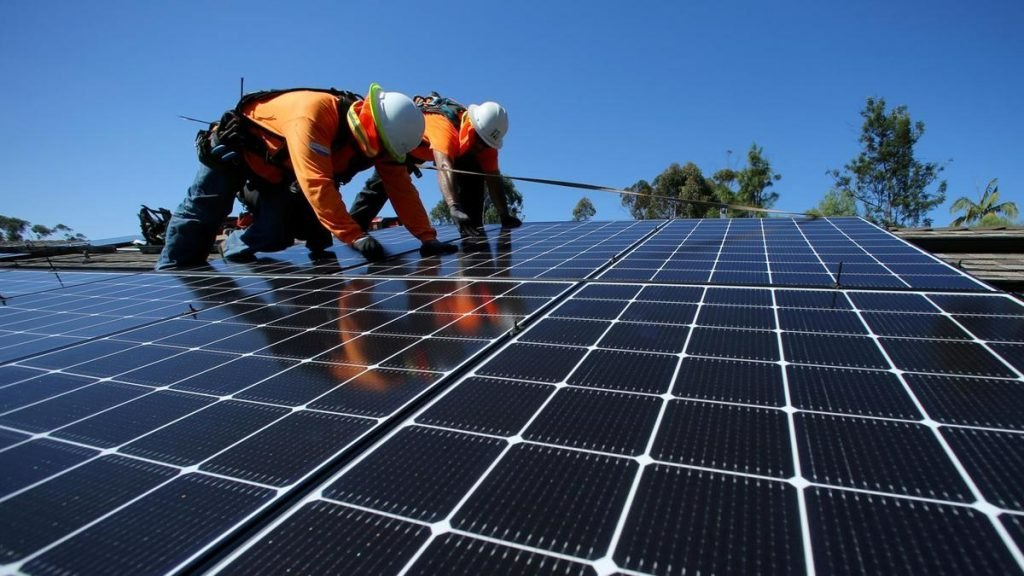
One of the most notable trends in solar energy is the surge in residential solar systems, which allow homeowners to generate their own power and reduce reliance on traditional grids. Residential solar systems are becoming more accessible due to advancements in technology and decreasing installation costs, making them a practical choice for families looking to lower their utility bills. This growth is fueled by incentives like tax credits and net metering policies, which encourage more households to invest in photovoltaic systems. According to recent reports, the demand for residential solar systems has doubled in the last five years, highlighting a clear shift towards decentralized energy production. As photovoltaic systems become more efficient, they offer homeowners a reliable way to harness sunlight, potentially saving thousands in energy expenses over time.
Advancements in Commercial Solar Power and Cost Trends
Commercial solar power is another area witnessing significant trends, with businesses increasingly adopting large-scale installations to meet sustainability goals and cut operational costs. Companies are integrating commercial solar power into their infrastructure to demonstrate corporate responsibility and gain a competitive edge in eco-conscious markets. Meanwhile, solar power cost has been on a steady decline, dropping by over 80% in the past decade due to economies of scale and improved manufacturing processes. This cost reduction is making solar energy more viable for commercial applications, allowing firms to invest in renewable energy solutions without straining their budgets. As solar power cost continues to fall, more businesses are expected to transition, fostering a broader economic shift towards renewables.
The Role of Solar Battery Storage in Energy Trends
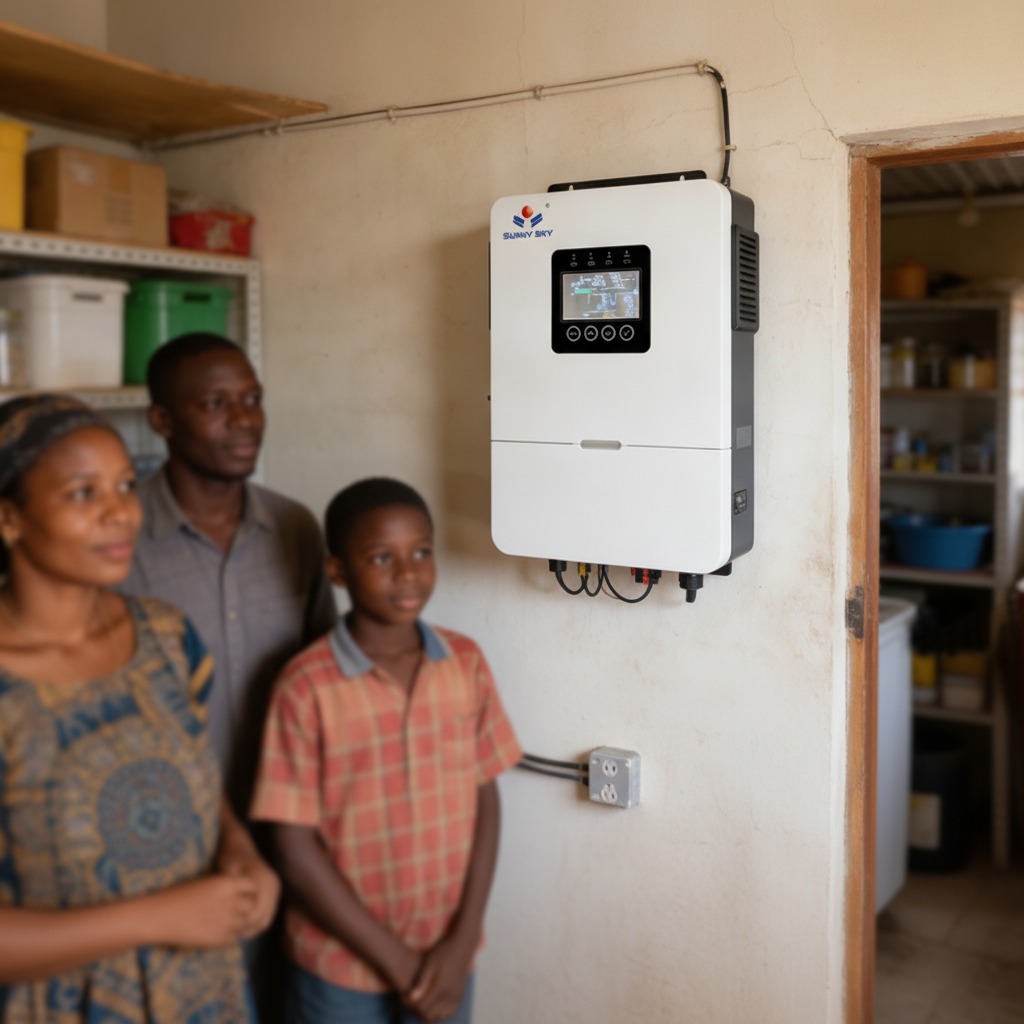
Solar battery storage is revolutionizing the way we store and utilize captured solar energy, addressing one of the biggest challenges in the industry: intermittency. By pairing photovoltaic systems with advanced battery technologies, users can store excess energy for use during peak demand or at night, enhancing overall energy efficiency. This trend is particularly evident in off-grid solar systems, which are gaining popularity in remote areas where traditional power grids are unreliable. Renewable energy solutions like these are not only empowering individuals and communities but also driving innovation in energy storage. For instance, projects such as the Tianyuan Solar Power Project exemplify this trend, featuring state-of-the-art panels that optimize energy capture and storage, blending efficiency with environmental harmony. As solar battery storage improves, it paves the way for a more resilient and flexible energy landscape.
Future Prospects of Photovoltaic Systems and Off-Grid Solutions
Looking ahead, photovoltaic systems are set to dominate the renewable energy market, with ongoing improvements in solar energy efficiency making them more competitive against fossil fuels. This includes innovations in panel design and materials that increase energy yields even in less-than-ideal conditions. Off-grid solar systems are particularly promising for developing regions, providing clean energy access without the need for extensive infrastructure. Additionally, solar energy systems are evolving to include smart technologies that allow for real-time monitoring and optimization, further enhancing their appeal. The Tianyuan Solar Power Project serves as a prime example of these advancements, showcasing how integrated designs can deliver both power and practical benefits like shaded parking areas. As solar energy efficiency continues to rise, it underscores a broader trend towards a sustainable future, where renewable energy solutions play a central role in global energy strategies. Overall, the trajectory of solar energy indicates a world increasingly powered by the sun, promising economic, environmental, and social benefits for generations to come.