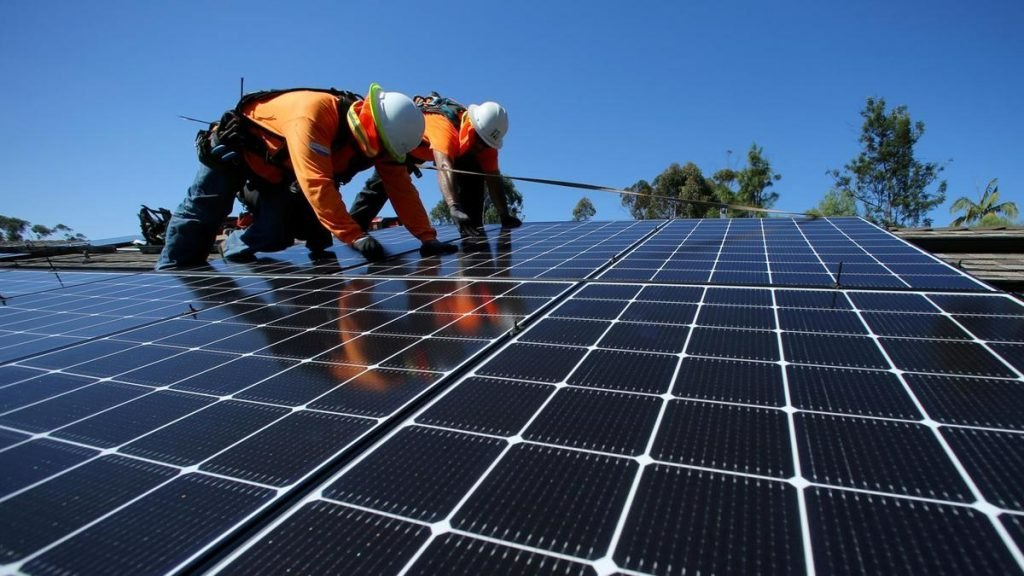
Solar energy is rapidly transforming the global energy landscape, emerging as a cornerstone of sustainable development and environmental stewardship. As the world grapples with climate change, solar energy offers a viable path to reducing fossil fuel dependency and lowering carbon emissions. This trend is driven by technological advancements, cost reductions, and increasing governmental incentives, making it more accessible than ever before. In recent years, the adoption of solar energy has surged, with innovations in photovoltaic systems paving the way for widespread integration into both residential and commercial sectors.
Trends in Residential Solar Systems
The rise of residential solar systems represents a significant trend in the solar energy sector, as more homeowners seek to harness sunlight for their daily power needs. This shift is fueled by decreasing solar power costs, which have fallen dramatically over the past decade due to economies of scale and improved manufacturing processes. Residential solar systems allow individuals to generate their own electricity, reducing utility bills and enhancing energy independence. For instance, the Tianyuan Solar Power Generation Project exemplifies this trend by demonstrating how advanced solar panels can be installed in home settings to maximize efficiency. As renewable energy solutions gain popularity, experts predict that residential solar systems will continue to expand, with projections indicating a doubling of installations in the next five years. This growth is further supported by incentives like tax credits, making solar energy an attractive investment for families looking to lower their environmental impact.
Advancements in Commercial Solar Power and Battery Storage
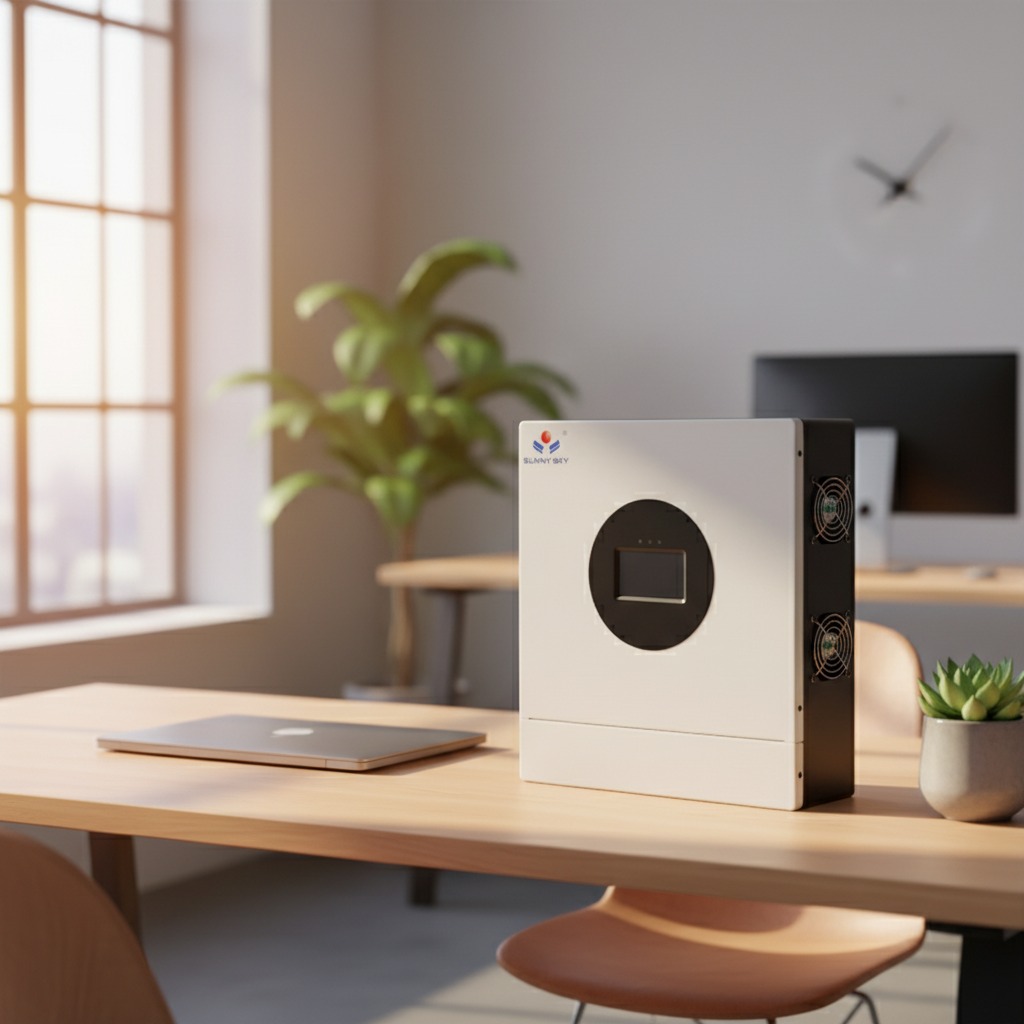
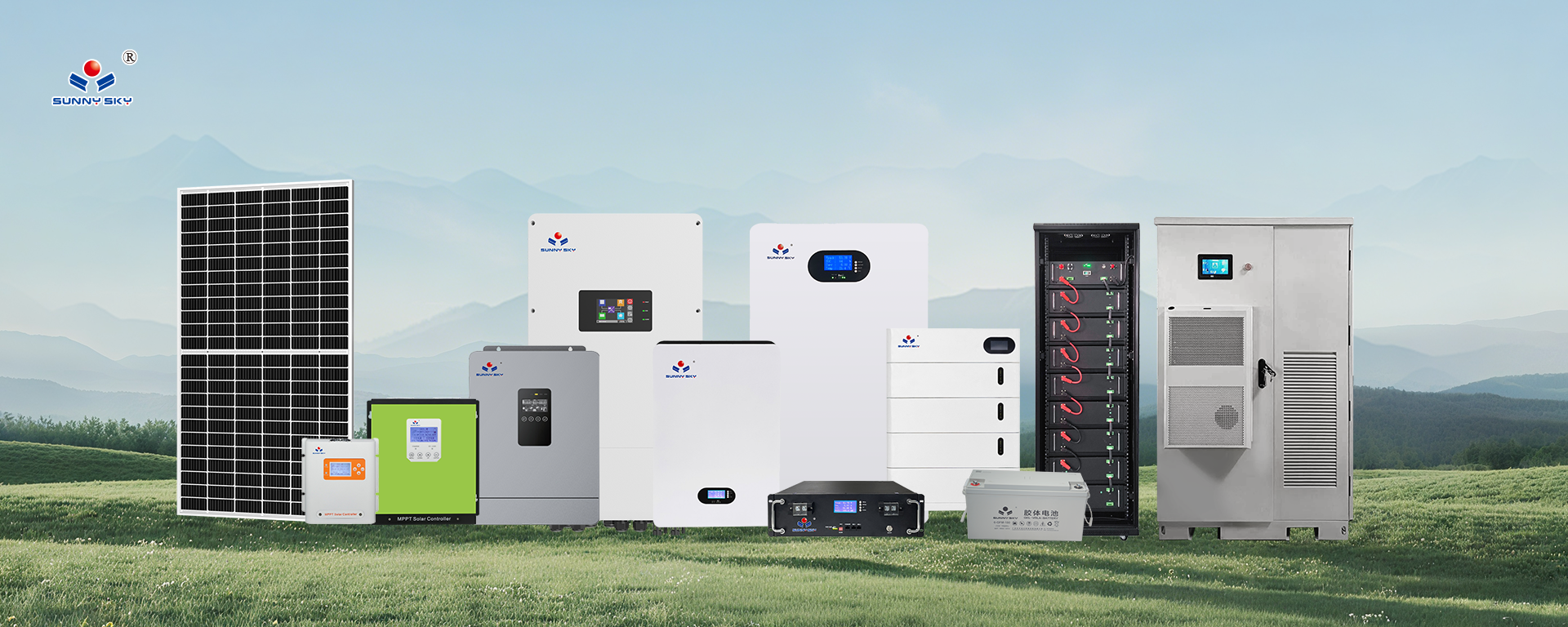
Commercial solar power is another key trend, with businesses increasingly adopting large-scale solar installations to meet their energy demands sustainably. This development is closely linked to solar battery storage, which enables the storage of excess energy generated during peak sunlight hours for use during low-light periods. Photovoltaic systems have become more efficient, allowing companies to integrate solar energy into their operations without disrupting productivity. The Tianyuan Solar Power Generation Project highlights this innovation, showcasing how robust solar energy systems can be scaled for commercial applications, thereby reducing operational costs and enhancing corporate sustainability profiles. Meanwhile, off-grid solar systems are gaining traction in remote areas, providing reliable power where traditional grids are unavailable. As solar energy efficiency improves, these trends are expected to accelerate, with experts forecasting that commercial solar power will account for a larger share of the market by 2030.
The Future of Solar Energy Efficiency and Renewable Solutions
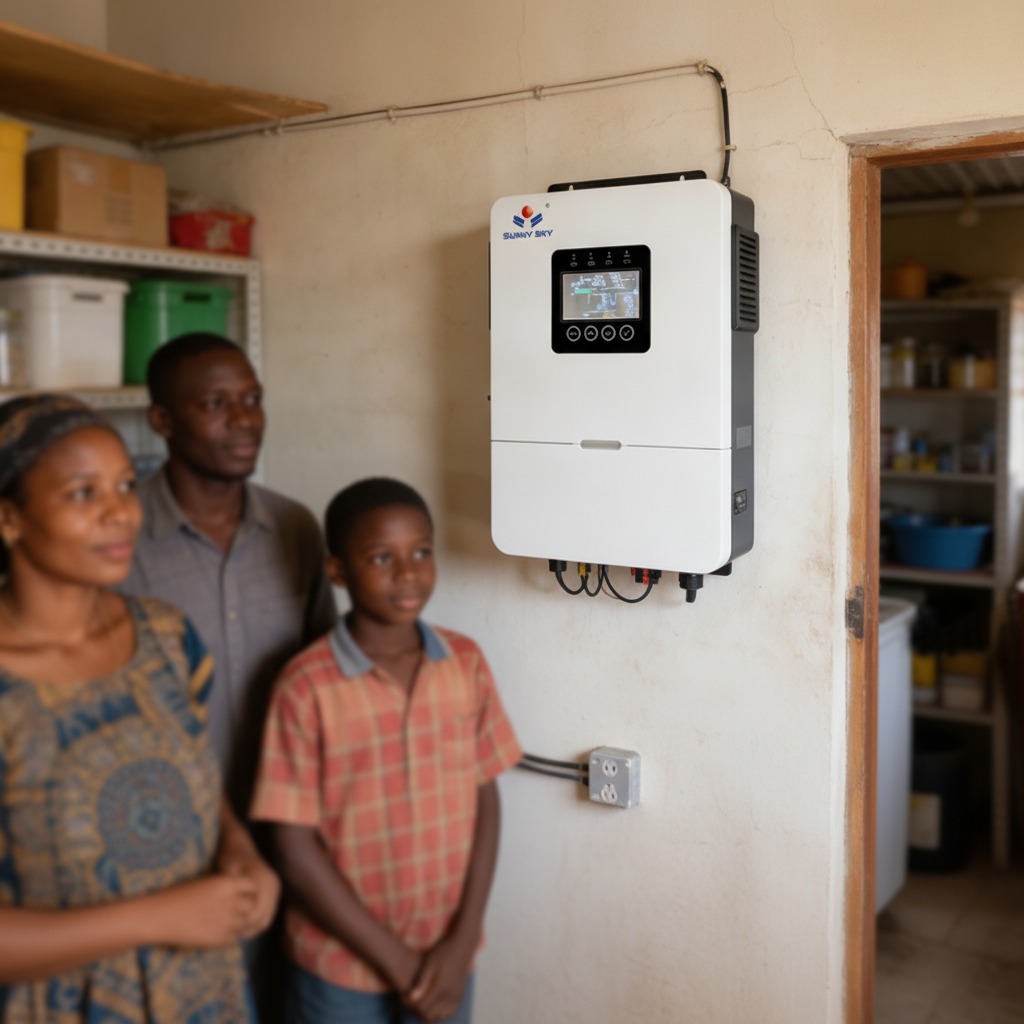
Looking ahead, solar energy efficiency remains a focal point in trend analysis, with ongoing research aimed at enhancing the performance of solar panels and related technologies. Innovations in areas like photovoltaic systems and solar battery storage are making renewable energy solutions more viable for both urban and rural environments. For example, the integration of smart technology in projects like the Tianyuan Solar Power Generation Project allows for real-time monitoring and optimization, ensuring maximum output and longevity. Off-grid solar systems are particularly promising for developing regions, offering a pathway to energy access without extensive infrastructure. As global demand for clean energy rises, solar energy will likely play a pivotal role in achieving net-zero goals, with trends pointing towards greater affordability and widespread adoption. This evolution not only addresses environmental concerns but also drives economic growth, creating jobs in manufacturing and installation. Overall, the trajectory of solar energy underscores a shift towards a greener future, where sustainable practices become the norm rather than the exception.