Understanding Hybrid Solar Inverters: A Core to Renewable Energy Systems
In the evolving landscape of renewable energy, the hybrid solar inverter stands out as a pivotal technology that bridges traditional grid power with modern solar solutions. Unlike conventional inverters that solely manage solar-to-grid conversion, a hybrid solar inverter integrates multiple power sources, offering versatility for both on-grid and off-grid setups. This comparison highlights how it outperforms standalone systems by seamlessly blending solar panel inverter functions with battery storage, making it essential for homeowners aiming for energy independence.
Comparing the Best Hybrid Solar Inverter with Traditional Options
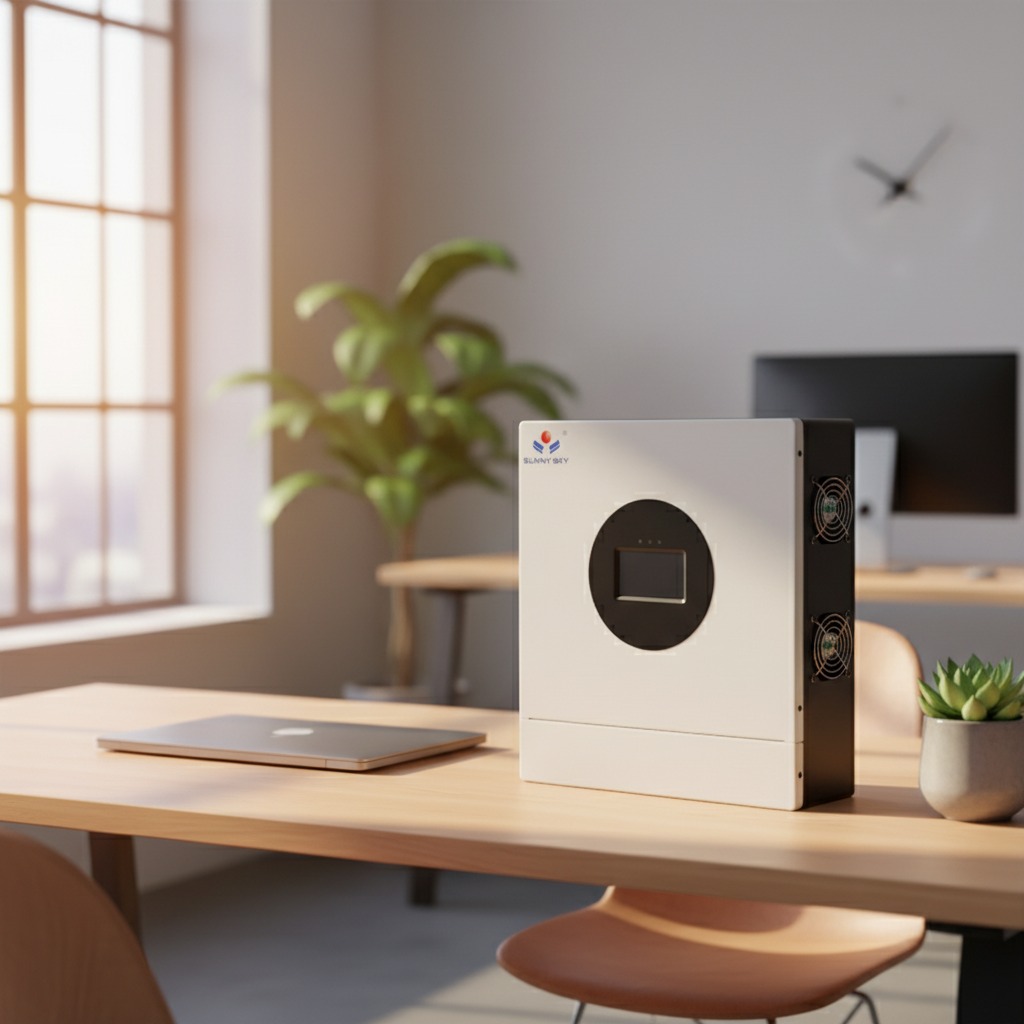
When evaluating the best hybrid solar inverter against pure grid-tied or off-grid alternatives, the differences in functionality and efficiency become evident. Traditional solar inverters focus narrowly on converting DC from solar panels to AC for immediate use, often wasting excess energy without storage integration. In contrast, the best hybrid solar inverter, like Sunny Sky's 6kW model, incorporates hybrid inverter advantages such as intelligent switching between solar, battery, and grid power. This not only reduces reliance on utility bills but also ensures uninterrupted supply during outages. Solar inverter technology in hybrids employs advanced MPPT (Maximum Power Point Tracking) for up to 98% efficiency, far surpassing the 90-95% of basic models, while features like user-friendly LCD displays provide real-time insights absent in simpler units.
Hybrid Inverter Price vs. Long-Term Value: A Cost-Benefit Analysis
A common point of contrast lies in hybrid inverter price compared to their return on investment. Entry-level grid-tied inverters might cost 20-30% less upfront, around $1,000-$2,000 for a 5kW unit, but they lack the expandability of hybrids, which range from $2,500 to $4,000 for comparable capacities. Sunny Sky's 6kW hybrid solar inverter, priced competitively, justifies its cost through features like efficient power conversion and smart management algorithms that prioritize renewable sources. Over five years, users save significantly on electricity bills—potentially $5,000 or more—thanks to inverter battery storage integration that captures excess solar for nighttime use. In contrast, non-hybrid systems often require separate batteries, inflating total expenses and complicating installation. The hybrid's compact design further contrasts with bulkier traditional setups, saving space and enhancing aesthetics.
Off-Grid Hybrid Inverter: Reliability in Remote vs. Urban Settings
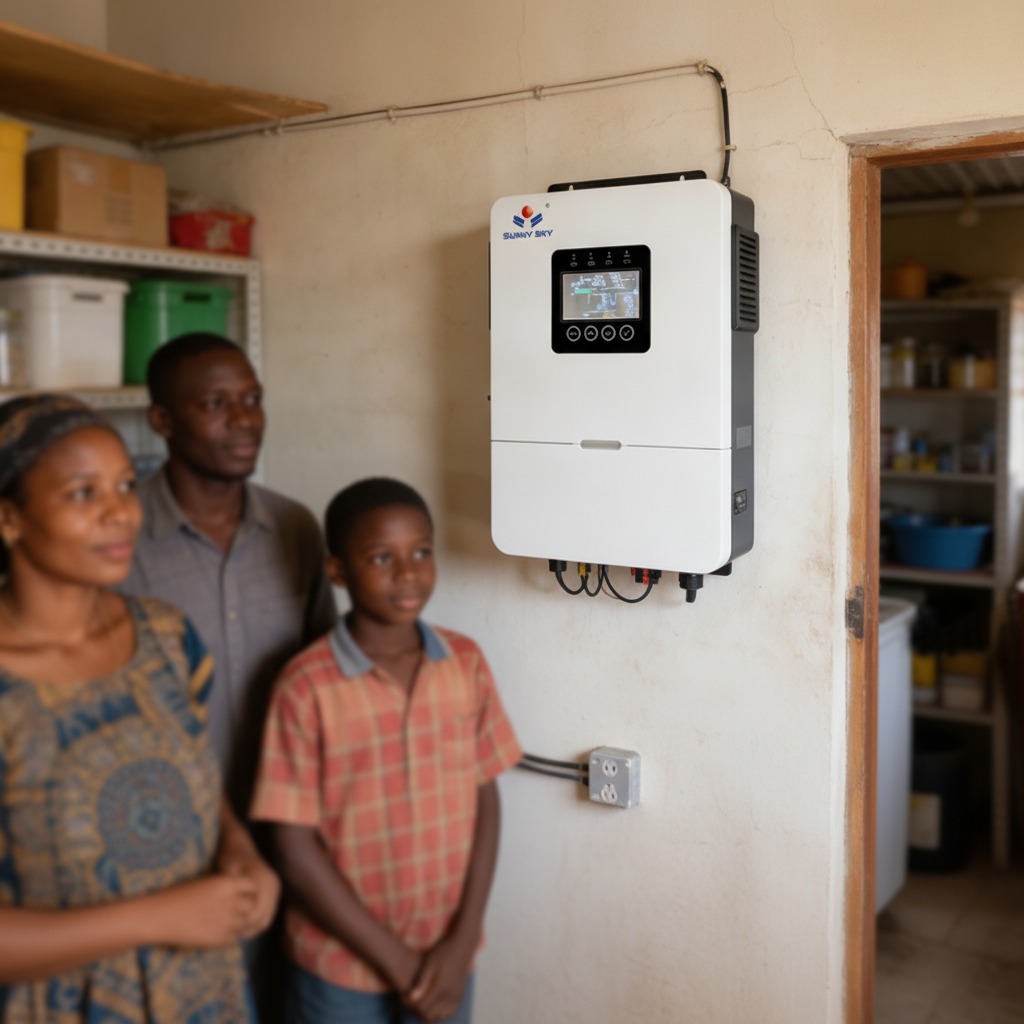
For off-grid applications, the off-grid hybrid inverter excels where standard solar panel inverters falter due to limited adaptability. In remote areas, pure off-grid inverters handle battery charging but struggle with fluctuating inputs, leading to inefficiencies. Hybrids, however, offer seamless transitions, using solar inverter technology to optimize renewable energy inverter performance across scenarios. Sunny Sky's model, with built-in protections against overload and overheating, provides superior reliability compared to basic off-grid units that may overheat in high-demand situations. This makes it ideal for rural homes versus urban grid-dependent systems, where hybrids reduce peak-time grid draws by 50-70%, promoting sustainability.
Hybrid Solar System Advantages Over Conventional Renewables
Delving into hybrid inverter advantages reveals stark contrasts with conventional renewable energy inverter setups. While traditional systems prioritize either solar or grid, hybrid solar systems intelligently manage all, extending battery life through optimized charging and discharging. For instance, Sunny Sky's inverter uses advanced circuitry to minimize energy loss, achieving better output than standalone renewable energy inverters that lose 10-15% in conversion. In battery-integrated comparisons, hybrids like this one support scalable storage, contrasting with rigid non-hybrid designs. Ultimately, for those investing in a hybrid solar system, the blend of efficiency, safety, and intelligence positions it as a forward-thinking choice, fostering greater energy autonomy and environmental benefits over outdated alternatives.