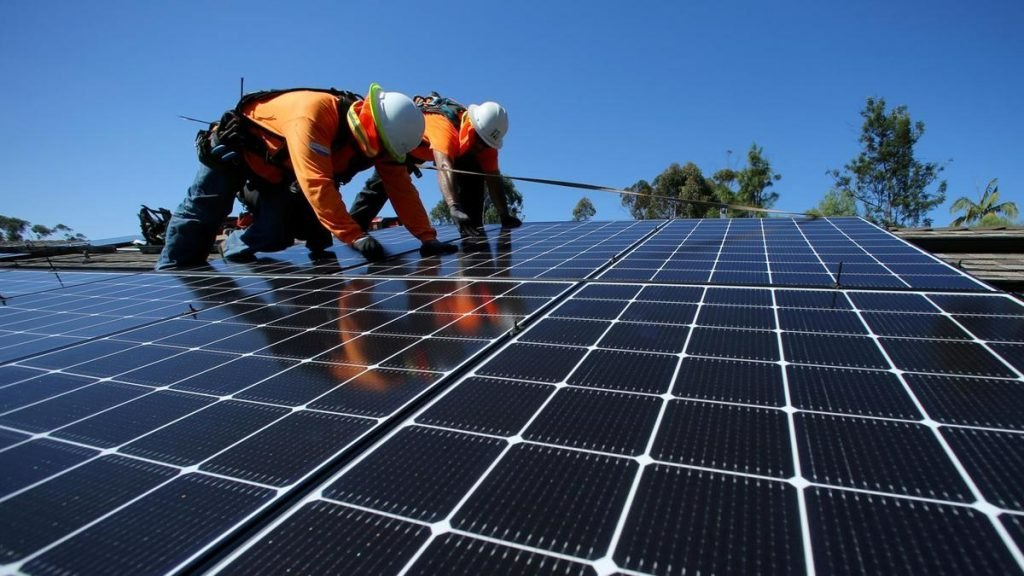
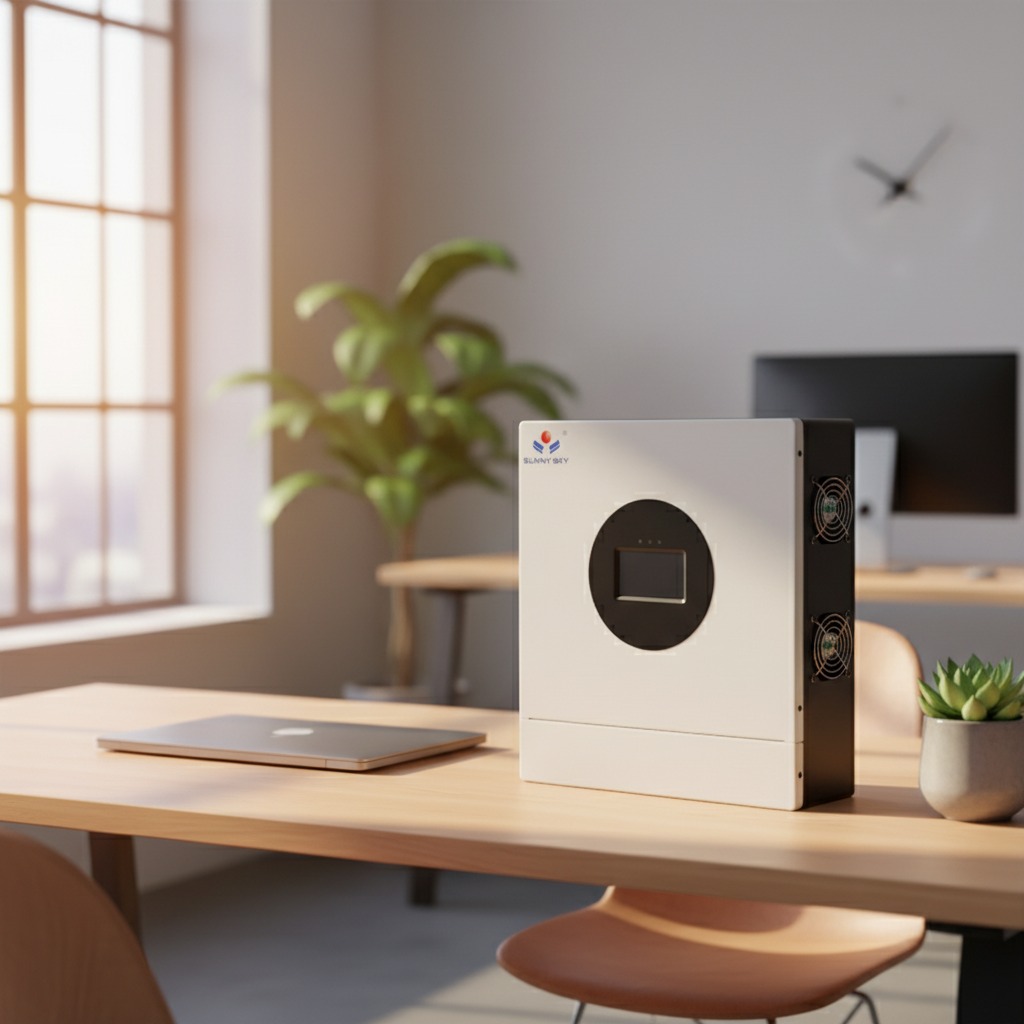
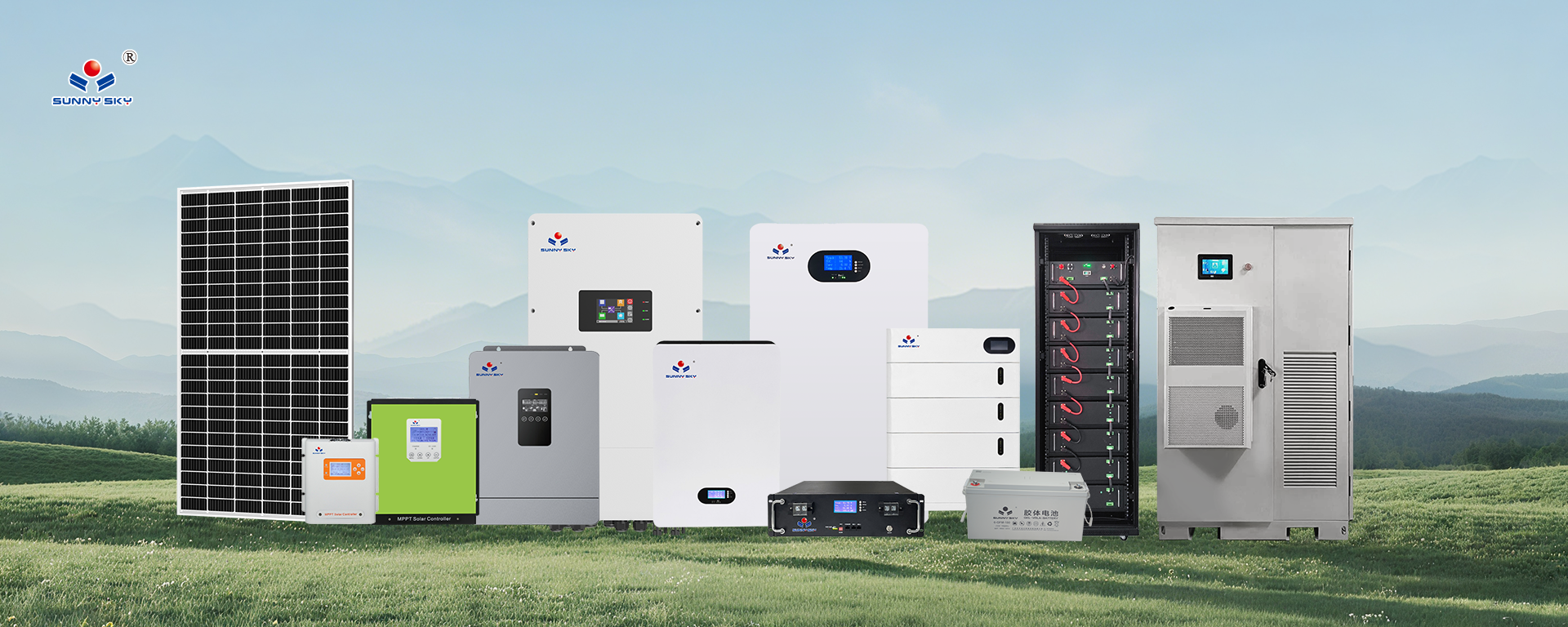
The landscape of renewable energy is constantly evolving, with innovations pushing the boundaries of what's possible. At the heart of this evolution for solar energy systems lies the MPPT solar charge controller, a device critical for maximizing energy harvest. As solar adoption grows, the trend is shifting from simply having solar power to optimizing every watt generated. This focus on optimization is driving significant advancements in charge controller technology, making them smarter, more efficient, and more adaptable than ever before. Understanding these trends is key for anyone looking to invest in a new system or upgrade an existing one.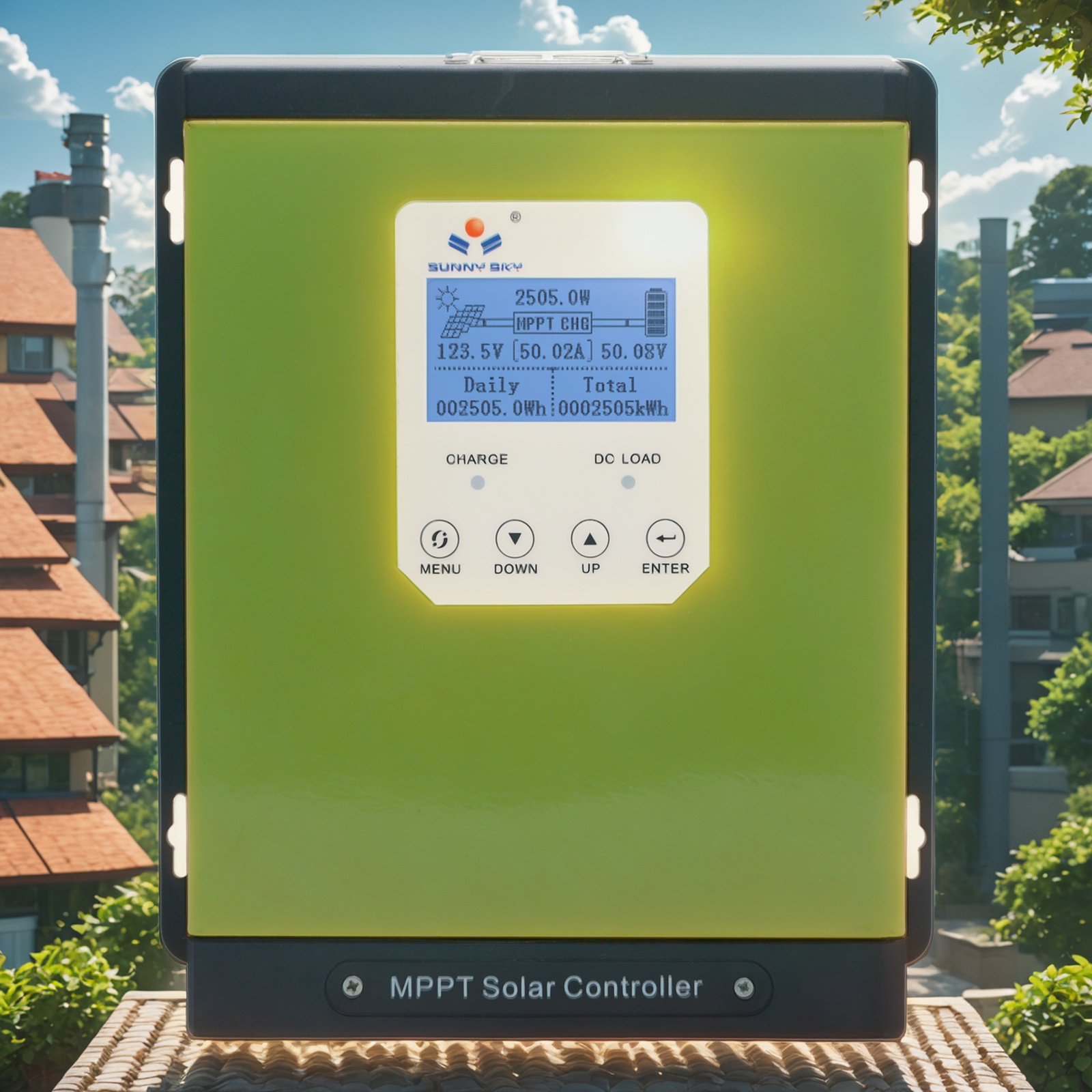
The Trend Towards Higher Solar Charge Controller Efficiency
The most significant and enduring trend in this space is the relentless pursuit of higher solar charge controller efficiency. The core technology that defines modern controllers is Maximum Power Point Tracking (MPPT), an intelligent algorithm that dynamically adjusts the electrical operating point of the solar panels to extract the maximum available power. Unlike older PWM controllers, which can be less effective, an MPPT controller can boost energy harvest by up to 30%, especially in cooler weather or under variable light conditions. Products like the Sunny Sky Model MPPT Solar Controller exemplify this trend, utilizing advanced algorithms to ensure that not a single ray of sunlight is wasted. This drive for efficiency means users get more power from the same number of panels, leading to a faster return on investment and greater energy independence.
The Rise of Smart Solar Charge Controllers
Another major trend is the integration of intelligent features, transforming standard charge controllers into smart solar charge controllers. Gone are the days of passive, set-and-forget devices. Today’s users demand data and control. The new wave of controllers features intuitive LCD screens and user-friendly interfaces that provide real-time feedback on system performance. You can monitor charge conditions, current and voltage levels, and even track daily and total kilowatt-hour production. This wealth of information empowers users to understand their energy consumption and production patterns, allowing for better system management. When looking through solar charge controller reviews, you'll notice that the best MPPT solar controllers are praised for these smart capabilities, as they offer transparency and a higher degree of control over the energy network.
Compatibility and Specialization: Supporting Lithium Batteries and Beyond
As energy storage technology advances, so too must the controllers that manage it. A prominent trend is the development of the solar charge controller for lithium batteries. Lithium batteries have different charging requirements than traditional lead-acid batteries, and using an incompatible controller can reduce their lifespan and performance. Modern MPPT controllers are designed with programmable charging profiles to safely and efficiently charge various battery chemistries, including lithium iron phosphate (LiFePO4). Furthermore, for more complex setups, such as those with panels facing different directions, the dual MPPT solar charge controller is becoming a popular solution. This technology allows for two independent MPPT channels, optimizing the power harvest from each solar array separately. This specialization ensures that the charge controller can serve as a robust and flexible brain for any modern solar installation.
Choosing the Best MPPT Solar Controller for Your Needs
Ultimately, the current trends in solar technology are converging to create more powerful, user-friendly, and versatile systems. When evaluating your options, the focus should be on controllers that embody these advancements. Look for high conversion efficiency, robust data monitoring, and compatibility with modern battery technologies. The ease of solar charge controller installation and a clear, intuitive user interface are also critical factors that contribute to a positive user experience. Investing in a high-quality device, such as the Sunny Sky model with its clear data display and advanced tracking, is not just about buying a component; it's about future-proofing your energy system and ensuring you get the absolute most out of your solar investment.