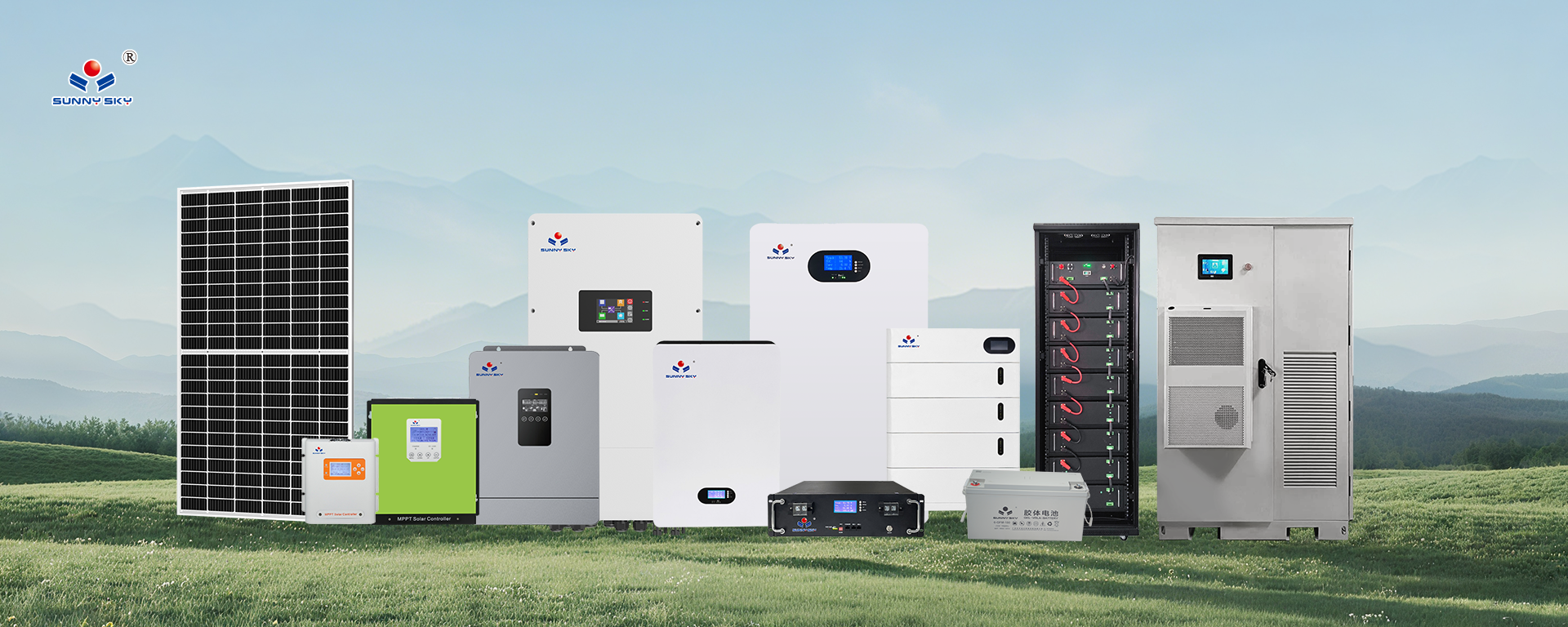
MPPT solar charge controller technology has revolutionized the way we manage solar energy systems, offering superior efficiency in converting sunlight into usable power. This advanced system, known as Maximum Power Point Tracking, ensures that solar panels operate at their optimal voltage, maximizing energy harvest even under varying weather conditions. As renewable energy solutions gain prominence, understanding and implementing MPPT controllers becomes essential for both residential and commercial setups. This article delves into the intricacies of MPPT solar charge controllers, exploring their types, benefits, and applications in modern photovoltaic systems.

Exploring Solar Charge Controller Types
Solar charge controller types form the backbone of any effective solar energy conversion setup, with MPPT controllers standing out for their intelligent algorithms. Unlike traditional PWM controllers, MPPT systems continuously adjust to the maximum power point of the solar array, resulting in higher energy yields. Renewable energy solutions often incorporate these controllers to mitigate losses from voltage mismatches, making them ideal for photovoltaic systems. For instance, in off-grid solar systems, an MPPT controller can boost overall efficiency by up to 30% compared to basic models. Battery management systems work in tandem with these controllers to prevent overcharging and extend battery life, ensuring reliable solar battery charging even in remote locations. The TCY Series MPPT Solar Charge Controller exemplifies this with its 99% efficiency rating, providing robust protection against electrical anomalies while supporting parallel connections for scalable installations.
Maximum Power Point Tracking in Action
Maximum power point tracking is a core feature of advanced MPPT solar charge controllers, allowing real-time monitoring and adjustment to achieve peak performance from solar panels. This technology analyzes the current-voltage curve of the panels and dynamically shifts to the optimal operating point, which is crucial for solar energy conversion in fluctuating environments. When compared to PWM controllers, MPPT offers significant advantages in terms of energy output, especially in low-light conditions common in photovoltaic systems. Off-grid solar systems benefit greatly from this, as it ensures consistent power delivery to battery management systems. The TCY Series, available from 40A to 120A, incorporates sophisticated LED and LCD displays for intuitive monitoring, allowing users to make quick adjustments and track performance metrics. This level of precision not only enhances solar battery charging but also safeguards against issues like overloads and short circuits, promoting longevity in demanding applications.
Comparing MPPT and PWM Controllers
MPPT vs PWM controllers is a frequent debate in the realm of renewable energy solutions, with MPPT emerging as the superior choice for most photovoltaic systems due to its efficiency gains. PWM controllers operate by directly connecting the solar panel to the battery, which can lead to energy losses when voltage levels differ, whereas MPPT controllers use DC-to-DC conversion to extract more power. This difference is particularly evident in solar energy conversion processes, where MPPT can increase system output by 20-25%. In off-grid solar systems, battery management systems paired with MPPT technology ensure optimal charging cycles, reducing wear on batteries and improving overall system reliability. The TCY Series MPPT Solar Charge Controller further elevates this with its versatile charging modes and parallel connection capabilities, making it adaptable to various solar battery charging needs. Professionals and hobbyists alike appreciate its robust build, which withstands harsh conditions while maintaining high performance.
Applications in Off-Grid Systems and Beyond
Off-grid solar systems rely heavily on efficient components like MPPT solar charge controllers to maintain energy independence, integrating seamlessly with battery management systems for sustained operation. These controllers play a pivotal role in solar energy conversion, enabling users to harness power from photovoltaic systems even in remote or challenging locations. Renewable energy solutions such as these are increasingly adopted for their environmental benefits, with MPPT technology ensuring minimal waste and maximum utilization. For example, in solar battery charging scenarios, the TCY Series provides flexible options to accommodate different battery types and capacities, enhancing overall system versatility. As solar charge controller types continue to evolve, MPPT remains at the forefront, offering a future-proof solution for growing energy demands. With its professional-grade design and innovative features, the TCY Series not only meets but exceeds expectations, making it a cornerstone for anyone invested in sustainable energy practices.