tianyuansolar@gmail.com

MPPT Solar Charge Controller: Maximizing Energy Efficiency

  • Learning center
Posted by SUNNYSKY On Oct 07 2025
MPPT solar charge controller is a vital component in modern solar energy systems, optimizing the conversion of sunlight into usable electricity. This technology ensures that solar panels operate at their highest efficiency by continuously adjusting to the varying conditions of sunlight and temperature, thereby maximizing energy harvest.

MPPT solar charge controller, solar charge controller types, renewable energy solutions, solar battery charging

Understanding Solar Charge Controller Types

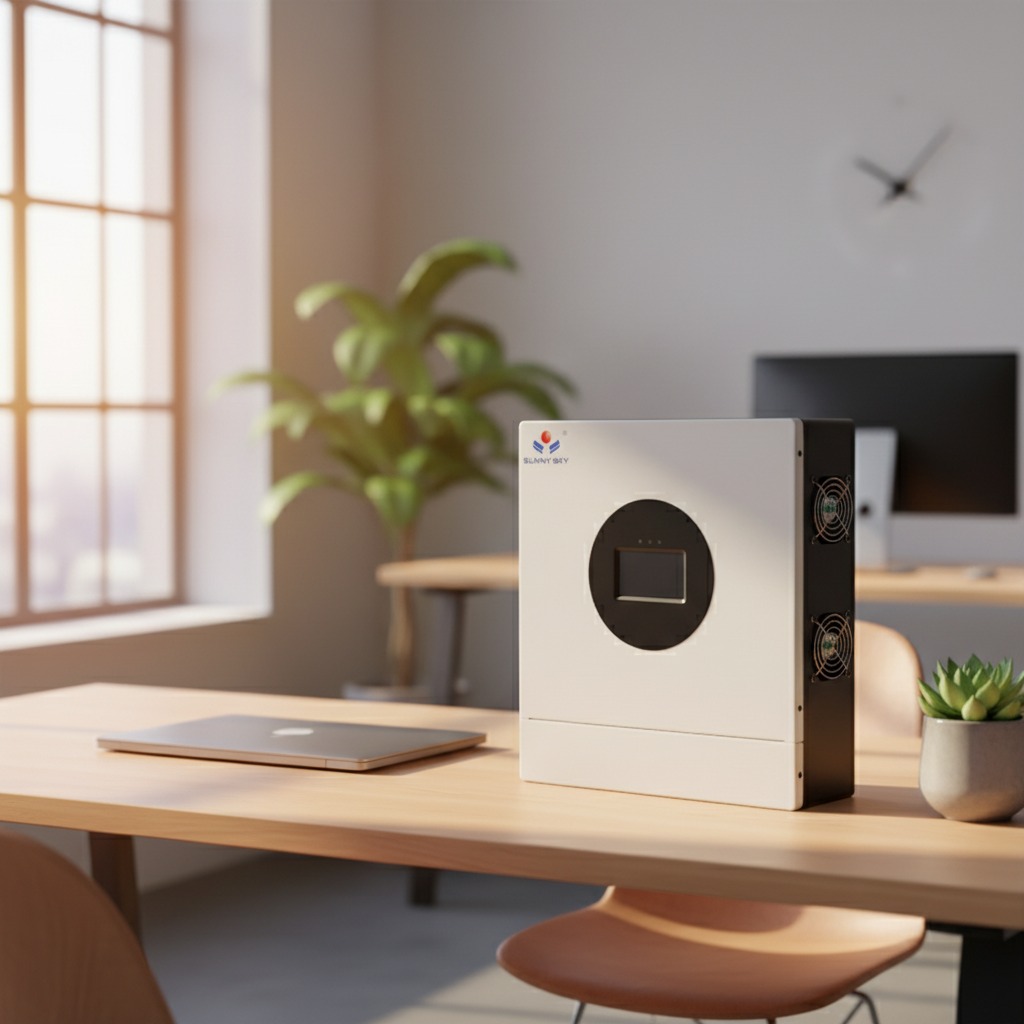
Solar charge controller types include MPPT and PWM variants, each serving distinct roles in photovoltaic systems. MPPT controllers, such as the one highlighted in our product info, use advanced algorithms to track the maximum power point, converting excess voltage into amperage for better energy yield. In contrast, PWM controllers are simpler and less efficient, making them suitable only for smaller setups. When selecting a controller, factors like system size and environmental conditions play a crucial role, as MPPT options excel in renewable energy solutions by reducing losses and enhancing overall performance.

The Role of Maximum Power Point Tracking in Solar Energy Conversion

Maximum power point tracking is a core feature that differentiates high-efficiency controllers from basic models. This process involves real-time monitoring of the solar array's output to maintain optimal voltage and current levels, which is essential for solar battery charging in off-grid solar systems. By employing sophisticated electronics, an MPPT solar charge controller can achieve up to 99% efficiency, as mentioned in the product details, minimizing energy waste and extending battery life. Technical specifications, such as current ranges from 40A to 120A, allow for scalable designs that adapt to varying power needs, making it ideal for both residential and commercial applications.

Comparing MPPT and PWM Controllers in Battery Management Systems

MPPT vs PWM controllers is a common debate in the realm of photovoltaic systems, with MPPT offering superior advantages in energy conversion and battery management systems. While PWM controllers simply switch on and off to regulate charging, MPPT actively adjusts to environmental variables, providing faster and more efficient solar battery charging. This leads to significant improvements in renewable energy solutions, particularly in off-grid setups where reliability is key. For instance, the product's protection functions guard against overcharging and short-circuiting, ensuring the longevity of batteries. Real-time monitoring via LED and LCD interfaces further enhances user control, allowing for adjustments in charging modes to prioritize either rapid charging or extended battery health.

Applications in Off-Grid Solar Systems and Beyond

Off-grid solar systems greatly benefit from the integration of MPPT technology, as it optimizes solar energy conversion for remote or independent power needs. These systems often incorporate MPPT controllers to handle fluctuations in sunlight, ensuring consistent power delivery to essential loads. The versatility of such controllers, supporting parallel connections and various charging modes, makes them adaptable for expanding setups. In professional environments, the robust build quality withstands harsh conditions, contributing to a greener planet by maximizing energy savings. Overall, investing in an MPPT solar charge controller not only boosts system efficiency but also aligns with sustainable practices, making it a smart choice for future-proof energy management.

Produits recommandés

Blogs en vedette

Tag:

  • Learning center
Partager sur
Blogs en vedette
Analyse du marché de l'énergie solaire au Bangladesh : opportunités et défis sur les marchés émergents d'Asie du Sud

Analyse du marché de l'énergie solaire au Bangladesh : opportunités et défis sur les marchés émergents d'Asie du Sud

1. Situation énergétique actuelle : Pénurie d’électricité importante, réseau électrique instable, ressources solaires abondantes. 2. Développement du marché : Expansion rapide du marché, des systèmes hors réseau aux toitures commerciales et industrielles. 3. Opportunités : Soutien politique, prix de l’électricité relativement élevés, dividende démographique et avantages géographiques. 4. Défis : Risque de non-paiement, risque de crédit, exigences de certification et concurrence sur les prix. 5. Caractéristiques de la demande : Préférence pour les onduleurs de petite et moyenne puissance et les onduleurs hybrides ; priorité à la certification. 6. Recommandations de développement : Sélectionner les bons clients, instaurer un climat de confiance, fournir des services à valeur ajoutée et maîtriser les risques.

Faut-il acheter des produits d'énergie solaire auprès d'une société de négoce ou directement auprès du fabricant ? Cet article vous explique tout.

Faut-il acheter des produits d'énergie solaire auprès d'une société de négoce ou directement auprès du fabricant ? Cet article vous explique tout.

1. Différenciation conceptuelle : Quelle est la différence fondamentale entre une société commerciale et une usine ? 2. Comparaison des prix : Qui propose le prix le plus compétitif selon les situations ? 3. Contrôle qualité : Une usine est-elle plus fiable ou une société commerciale plus digne de confiance ? 4. Capacités de service : Qui est le plus apte à résoudre les problèmes pratiques ? 5. Risques liés à la coopération : Qui prend le moins de risques ? 6. Stratégie de scénarios : Comment choisir entre les achats initiaux, les partenariats à long terme, les produits personnalisés et les commandes urgentes ?

Commandes d'essai vs commandes groupées : la bonne méthode pour tester les fournisseurs chinois de panneaux solaires

Commandes d'essai vs commandes groupées : la bonne méthode pour tester les fournisseurs chinois de panneaux solaires

Guide pratique à l'intention des distributeurs et des entreprises d'ingénierie, d'approvisionnement et de construction (EPC) en Afrique, en Europe et en Amérique qui évaluent les fabricants chinois d'onduleurs solaires et de batteries au lithium et souhaitent minimiser les risques avant de s'engager dans des achats en volume.

Onduleur solaire hybride : ce que les acheteurs doivent vérifier avant de faire leur choix

Onduleur solaire hybride : ce que les acheteurs doivent vérifier avant de faire leur choix

1. Pourquoi un onduleur solaire hybride est devenu l'élément central de nombreux systèmes énergétiques domestiques ? 2. Les problèmes que les acheteurs cherchent généralement à résoudre. 3. Principaux enseignements tirés du design. 4. Éléments à évaluer avant de choisir un système. 5. Points forts de Guangzhou Tianyuan Solar Equipment. 6. Erreurs fréquentes des acheteurs. 7. FAQ : questions pratiques des équipes d'approvisionnement et d'ingénierie. 8. Quelles sont les prochaines étapes à suivre ?

tianyuansolar@gmail.com
+86-13711660041
+8613711660041
WhatsApp :WhatsApp QR Code