In the rapidly evolving world of renewable energy, maximizing the output of every solar panel is paramount. As solar technology becomes more accessible, the focus has shifted towards the sophisticated components that manage and optimize energy flow. At the heart of this evolution is the MPPT solar charge controller, a device that has become the industry standard for efficiency and performance, setting new trends in how we harness the power of the sun.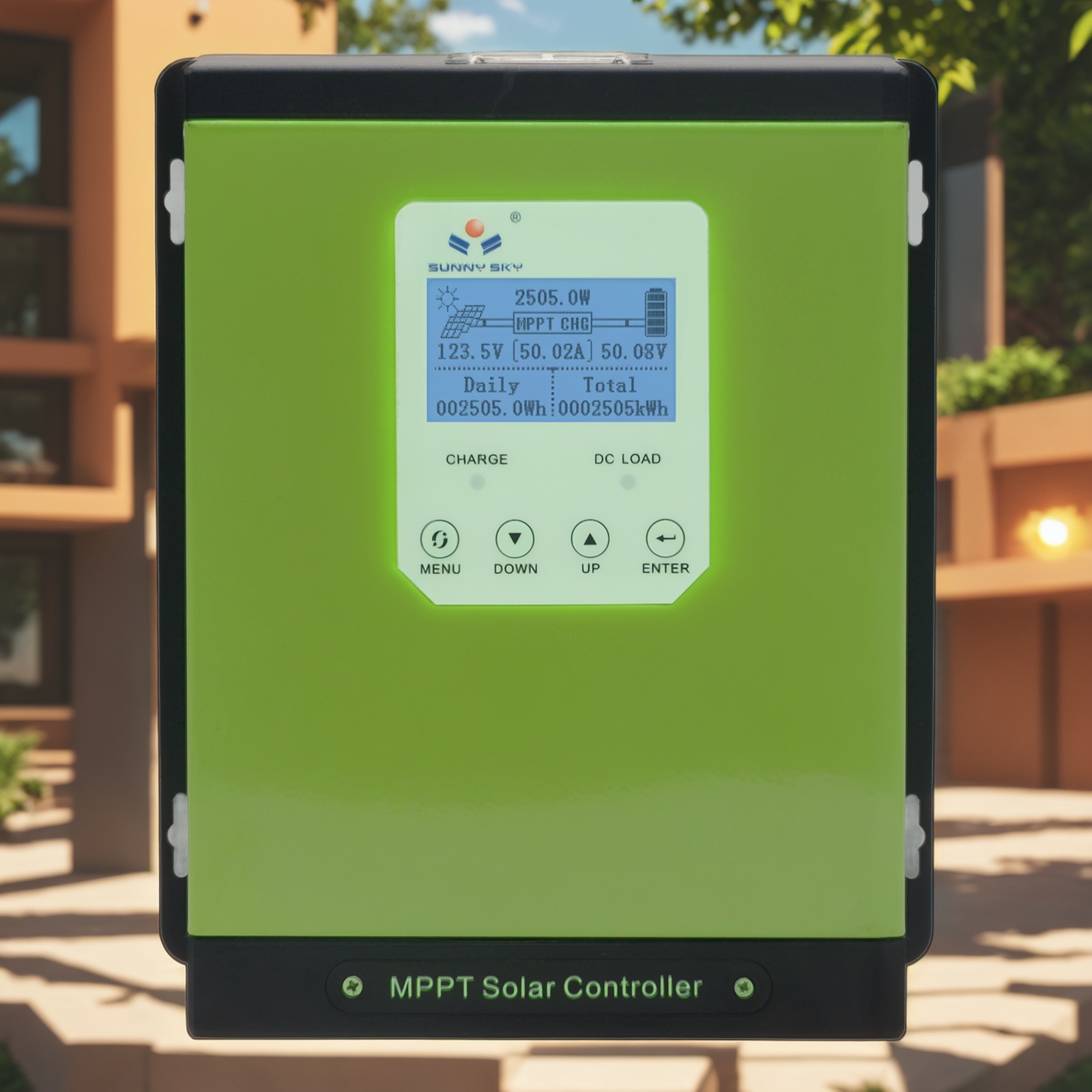
The Efficiency Revolution: Maximum Power Point Tracking
The most significant trend driving the solar market is the push for greater efficiency. This is where Maximum Power Point Tracking (MPPT) technology truly shines. Unlike older PWM controllers, an MPPT controller intelligently scans the voltage of the solar panel array to find the point of maximum power output. This dynamic adjustment allows the controller to harvest significantly more energy, often boosting system output by up to 30%, especially in variable weather conditions or when battery voltage is low. This leap in solar charge controller efficiency has made solar power more viable and cost-effective than ever before, establishing MPPT as the cornerstone of modern off-grid and grid-tied systems.
The Rise of Smart and Connected Controllers
Another defining trend is the integration of smart technology. Modern systems demand more than just power conversion; they require data and control. Smart solar charge controllers are meeting this demand with features like Bluetooth and Wi-Fi connectivity, allowing users to monitor their system's performance in real-time through dedicated mobile apps. The best MPPT solar controllers now feature clear, detailed displays showing wattage, voltage, and charge current, coupled with intuitive button interfaces for easy navigation. This level of monitoring empowers users to understand their energy production and consumption patterns, making system management more accessible and transparent.
Adapting to New Technologies: Lithium Batteries and Complex Arrays
The energy storage landscape is also changing, with a major shift towards lithium-ion batteries. Consequently, a critical trend is the development of a solar charge controller for lithium batteries, which features specific charging algorithms to ensure the safety, performance, and longevity of these advanced power sources. Furthermore, as solar installations become more ambitious, the dual MPPT solar charge controller is gaining traction. This technology is ideal for systems with solar arrays facing different directions or those that experience partial shading, as it allows each string of panels to be optimized independently, maximizing the total energy harvest for more complex setups.
Choosing the Right Controller: Installation and Reviews
With so many advanced options available, making the right choice can seem daunting. The trend towards user-friendliness extends to solar charge controller installation, with manufacturers designing more compact, plug-and-play units. However, before making a purchase, consulting solar charge controller reviews is essential. Real-world feedback from other users provides invaluable insight into a controller's reliability, ease of use, and actual performance. These reviews are often the best resource for identifying the top-performing models that live up to their promises, ensuring your investment in a high-efficiency solar system is a sound one.