The landscape of renewable energy is constantly evolving, with solar power leading the charge towards a more sustainable future. At the heart of every efficient off-grid or hybrid solar system lies a critical component: the charge controller. As technology advances, the trend has decisively shifted towards the superior performance of the MPPT solar charge controller. This device is no longer just a simple regulator; it's the intelligent brain of a solar power setup, tasked with maximizing every ounce of energy harvested from the sun, ensuring batteries are charged safely and efficiently, and providing users with unprecedented insight into their system's performance.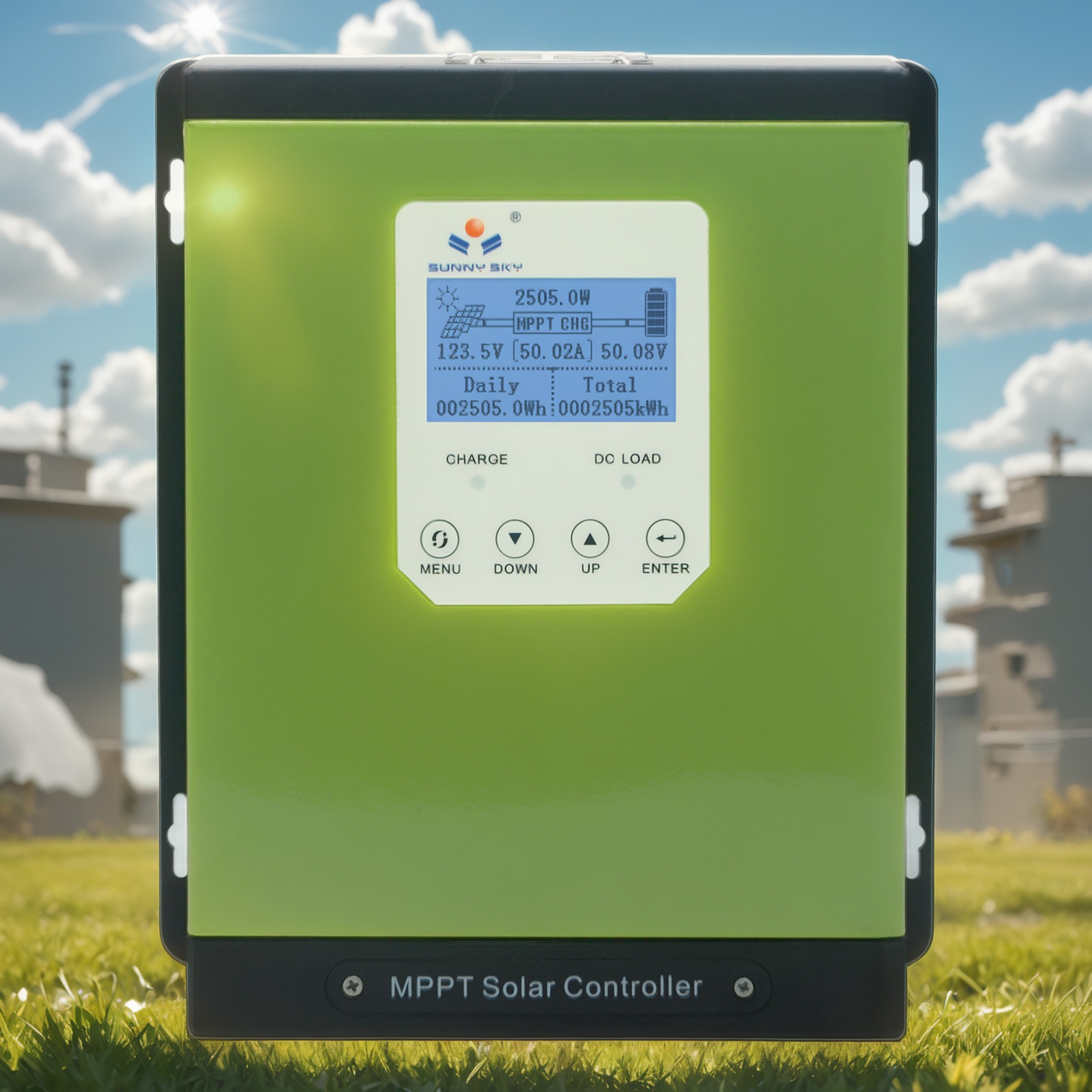
The Evolution Towards Smarter Solar Management
The primary trend driving the solar industry is the pursuit of greater efficiency. This is where the principle of Maximum Power Point Tracking comes into play. Unlike older PWM controllers, which act as simple switches, MPPT technology is a sophisticated DC-to-DC converter that actively finds the optimal voltage and current combination from the solar panels to extract the most power possible. This focus on solar charge controller efficiency is paramount, especially in variable weather conditions like cloudy days or during colder temperatures, where MPPT technology can boost energy harvest by up to 30%. The market is now dominated by smart solar charge controllers that integrate this technology with advanced monitoring and connectivity, allowing users to track performance via detailed displays or even smartphone apps.
What to Look For in the Best MPPT Solar Controllers Today
When analyzing current trends, several key features distinguish the best MPPT solar controllers on the market. A prominent trend is the demand for greater battery compatibility, particularly the need for a solar charge controller for lithium batteries. As LiFePO4 and other lithium chemistries become the standard for energy storage due to their long lifespan and high performance, controllers must offer specific charging algorithms to protect and optimize these investments. Furthermore, user interface and data transparency are huge trends. Modern units, like the SUNNY SKY MPPT Solar Controller, feature clear, intuitive displays that provide real-time feedback on power, voltage, and amperage. For more complex systems, the emergence of the dual MPPT solar charge controller allows for separate optimization of two different solar arrays, which is ideal for installations with panels facing different directions or with different specifications.
From Installation to Optimization: The Modern User Experience
As solar becomes more mainstream, manufacturers are focusing on a simplified user experience, starting with solar charge controller installation. Today's designs feature clearer labeling, safer terminals, and more comprehensive manuals to streamline the setup process for both professionals and DIY enthusiasts. Post-installation, the user journey is defined by data. The ability to see daily and total energy production, as shown on sophisticated displays, empowers users to understand their consumption patterns and verify system health. This transparency is a powerful trend that builds consumer confidence. Consequently, solar charge controller reviews have become a critical tool for prospective buyers, who now prioritize real-world feedback on reliability, ease of use, and the accuracy of the data provided by these intelligent devices.
The Future is Bright: What's Next for Solar Charging?
Looking ahead, the trajectory for solar charge controllers is pointed towards even greater intelligence and integration. We can expect to see enhanced connectivity features, deeper integration with smart home ecosystems, and the use of AI to predict weather patterns and optimize charging strategies accordingly. The core technology of Maximum Power Point Tracking will continue to be refined for even higher efficiency gains. For anyone building or upgrading a solar system today, investing in a high-quality, feature-rich MPPT controller is not just a trend; it is the most effective way to ensure your system performs optimally, adapts to future technologies, and delivers the best possible return on your renewable energy investment for years to come.