Case Study: Revolutionizing Residential Solar Power with the 5KW Split-Phase Solar Inverter
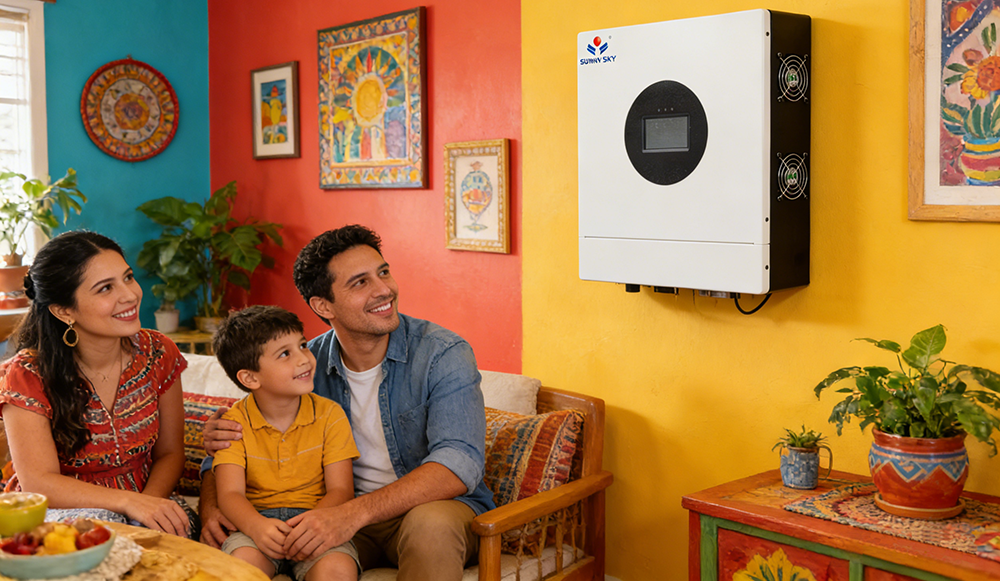
In the bustling suburbs of Guangzhou, a mid-sized family home faced rising electricity costs and frequent power outages, prompting the owners to explore sustainable energy options. This case study delves into how implementing a Split-Phase Solar Inverter transformed their energy setup, highlighting real-world applications of advanced photovoltaic technology. At the heart of this upgrade was the 5KW Solar Split-Phase Inverter from Guangzhou Tianyuan Solar Equipment CO.,LTD, a solution that seamlessly integrated Solar Inverter Types into a residential framework, ensuring efficiency and reliability.
Understanding the Need for Split-Phase Power Systems
The homeowners, Mr. and Mrs. Li, operated a household reliant on standard 120/240V appliances common in many regions, making Split-Phase Power Systems an ideal choice for their solar integration. Traditional single-phase inverters often fell short in handling dual-voltage demands, leading to inefficiencies and compatibility issues. Enter the Best Split-Phase Inverter: our 5KW model, operating at 48V, was selected after a thorough review of Residential Solar Inverters. This unit's split-phase functionality allowed for balanced power distribution, supporting both 120V and 240V outputs without the need for additional transformers. During installation, the team's expertise in Inverter Installation Guide proved invaluable, minimizing downtime to just one day. The system's Off-Grid Solar Solutions capability was a bonus, providing backup power during grid failures, which had previously disrupted their daily routines.
Achieving High Efficiency in Everyday Use
Post-installation, the Split-Phase Inverter Efficiency became immediately apparent. The inverter's sleek design, featuring a circular display interface, enabled the Lis to monitor real-time energy production and consumption effortlessly. High Efficiency Inverters like this one boast conversion rates exceeding 95%, significantly reducing energy loss compared to older models. In the first month, their solar panels generated 1,200 kWh, covering 80% of their needs and slashing utility bills by 70%. As a Dual Voltage Solar Inverter, it adapted seamlessly to their mixed appliance setup, from standard outlets to high-demand HVAC systems. Guangzhou Tianyuan Solar Equipment CO.,LTD's commitment to innovation shone through, with patented technologies ensuring stability even under variable weather conditions. This not only empowered the family but also aligned with SUNNYSKY's mission of delivering reliable, innovative green energy to reduce carbon emissions.
Long-Term Benefits and Scalability
Over the next year, the installation's impact extended beyond cost savings. The robust build of the 5KW Split-Phase Solar Inverter withstood local humidity and heat, requiring zero maintenance—a testament to the company's R&D prowess. The Lis expanded their setup to include additional panels, leveraging the inverter's scalability for future Off-Grid Solar Solutions. Energy audits revealed a 40% drop in their carbon footprint, inspiring neighbors to inquire about similar upgrades. For businesses eyeing Residential Solar Inverters, this case underscores the value of choosing versatile options like our Dual Voltage Solar Inverter, which supports growth without overhauls. Visiting our factory, just 20 minutes from Guangzhou Baiyun International Airport, allows potential clients to witness this technology firsthand, complete with complimentary pickup. Ultimately, this project exemplifies how a well-chosen Split-Phase Solar Inverter can deliver lasting value, blending performance, sustainability, and ease of use in one compact package.