Understanding Hybrid Solar Inverters: Your Guide to Efficient Solar Power
A hybrid solar inverter is the heart of modern solar power systems, blending grid-tied functionality with off-grid capabilities for optimal energy management. If you're exploring solar energy solutions, choosing the right hybrid solar inverter can transform how you harness renewable energy. This guide will walk you through the essentials, helping you select and install the best hybrid solar inverters to power your home sustainably.
Key Features to Look for in the Best Hybrid Solar Inverters
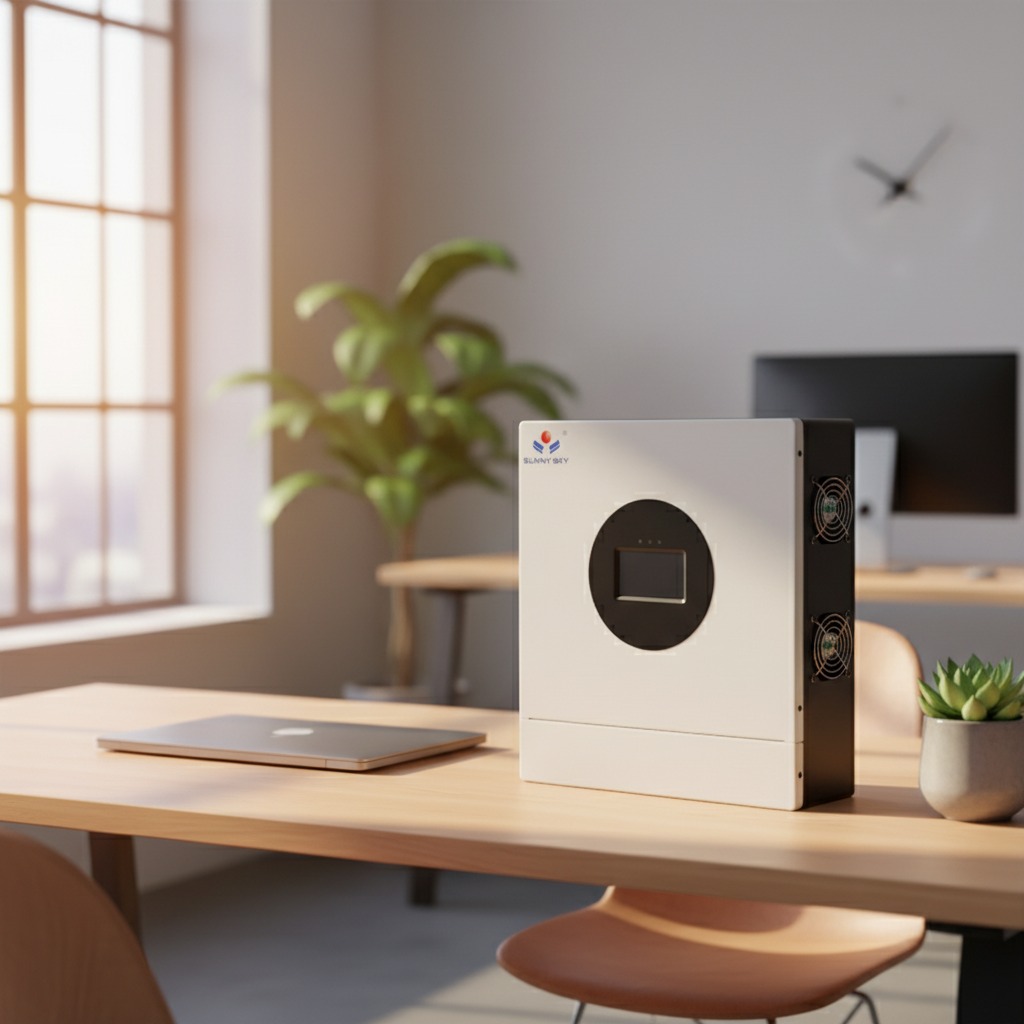
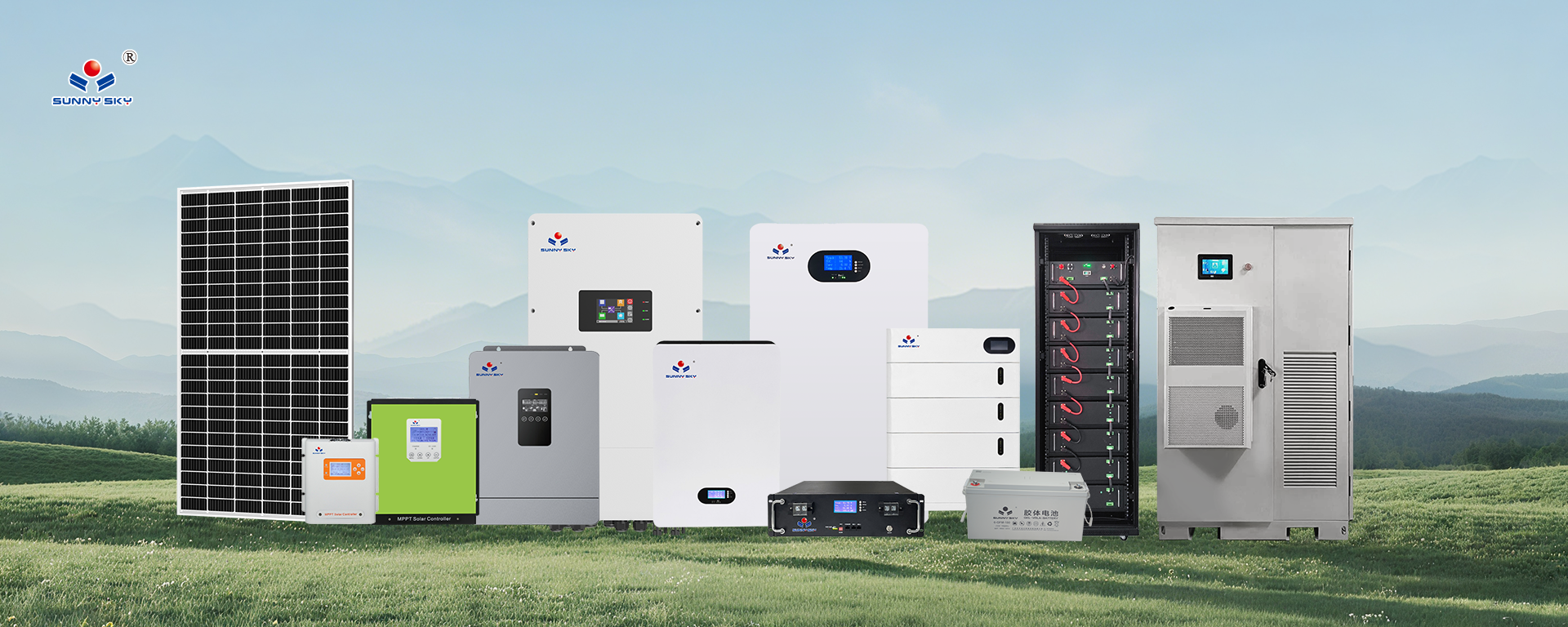
When selecting the best hybrid solar inverters, prioritize models with versatile inputs and advanced connectivity. For instance, a top-tier hybrid inverter for solar panels should feature dual PV inputs to maximize energy capture from your solar panels, alongside battery inputs for storing excess power. Look for AC inputs that integrate seamlessly with the grid, ensuring a grid-tied solar inverter operates efficiently during peak hours. Safety features like circuit breakers prevent overloads, while parallel capabilities allow scaling up your solar power systems for larger setups. Additionally, renewable energy inverters with RS-485 interfaces and USB WiFi enable remote monitoring, making maintenance straightforward. An intuitive LCD display is crucial, showing real-time data on solar generation, battery status, grid usage, and home consumption—often divided into quadrants for easy visualization. This setup not only boosts efficiency but also provides peace of mind with features like dry contacts for automated controls and on/off switches for quick operation.
Setting Up a Hybrid Inverter for Solar Panels: Step-by-Step Installation
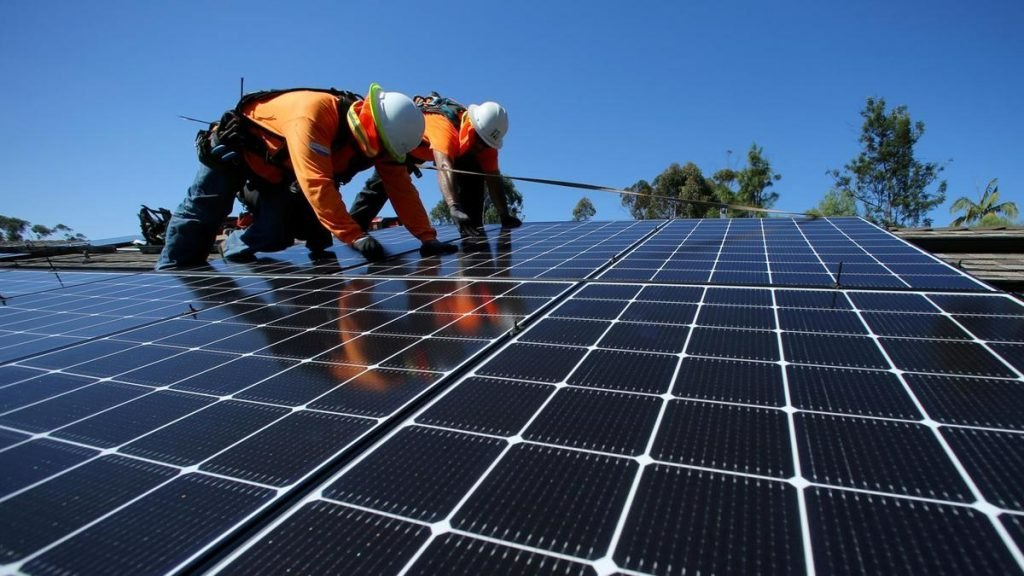
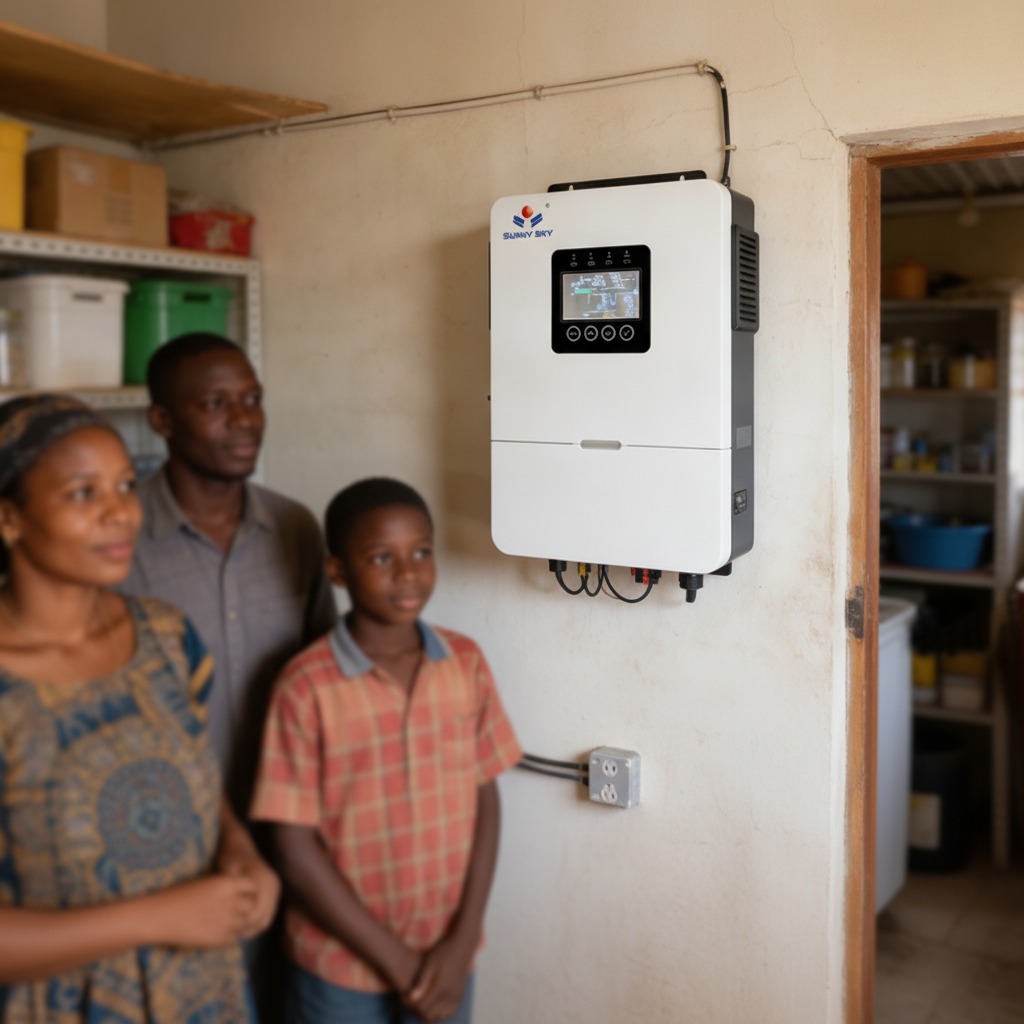
Installing a hybrid inverter for solar panels starts with site assessment. Ensure your location receives ample sunlight and has space for the unit, which typically includes AC outputs to power household appliances reliably. Begin by connecting the PV input to your solar array, securing the battery input for off-grid hybrid inverter resilience during outages. Wire the AC input to your main grid supply, and use the dual USB ports for device integration if needed. Activate the parallel function if expanding to multiple units, enhancing your solar energy solutions. Once connected, configure the RS-485 for system communication and enable USB WiFi for app-based control. Test the circuit breaker by simulating loads, and monitor the LCD icons: the sun for solar output, power tower for grid flow, battery for storage (aim for at least 50% charge initially), and home icon for usage tracking. This dual input inverter setup ensures seamless transitions between grid-tied and off-grid modes, optimizing your renewable energy inverters for daily needs.
Benefits and Applications of Off-Grid and Grid-Tied Solar Inverters
Opting for an off-grid hybrid inverter provides independence from utility fluctuations, ideal for remote locations where solar power systems shine. In contrast, a grid-tied solar inverter allows excess energy sales back to the grid, reducing bills through net metering. Hybrid models combine both, offering flexibility in solar energy solutions for urban or rural setups. With features like efficient AC outputs and battery management, these inverters support sustainable living by minimizing waste. For example, during high solar production, the system stores surplus in batteries via the PV input, drawing from the grid only when necessary. The LCD display's central flow indicator helps visualize energy direction—storing, using, or exporting—empowering informed adjustments. Whether powering essentials during blackouts or integrating with smart homes, a well-chosen hybrid solar inverter elevates your setup. Advanced options with dry contacts automate processes like generator starts, while the ergonomic design ensures longevity. By investing in the best hybrid solar inverters, you'll achieve energy autonomy, lower costs, and environmental impact, making renewable energy inverters a smart choice for the future.
Maintaining and Optimizing Your Solar Power Systems
To keep your hybrid solar inverter performing at its peak, regular maintenance is key. Clean the PV input connections quarterly to ensure unobstructed solar capture, and check battery levels via the LCD's battery quadrant to avoid deep discharges. Update firmware through USB ports for enhanced features in your grid-tied solar inverter. Monitor via the WiFi interface for anomalies, using the gear icon on the display for settings tweaks. For off-grid hybrid inverter users, test backup modes monthly by flipping the on/off switch and verifying AC output stability. If paralleling units, balance loads evenly to prevent strain on the circuit breaker. These steps extend the life of your dual input inverter, maximizing returns on solar energy solutions. With robust construction and innovative interfaces, your renewable energy inverters will reliably support home usage, adapting to changing needs while promoting eco-friendly practices.