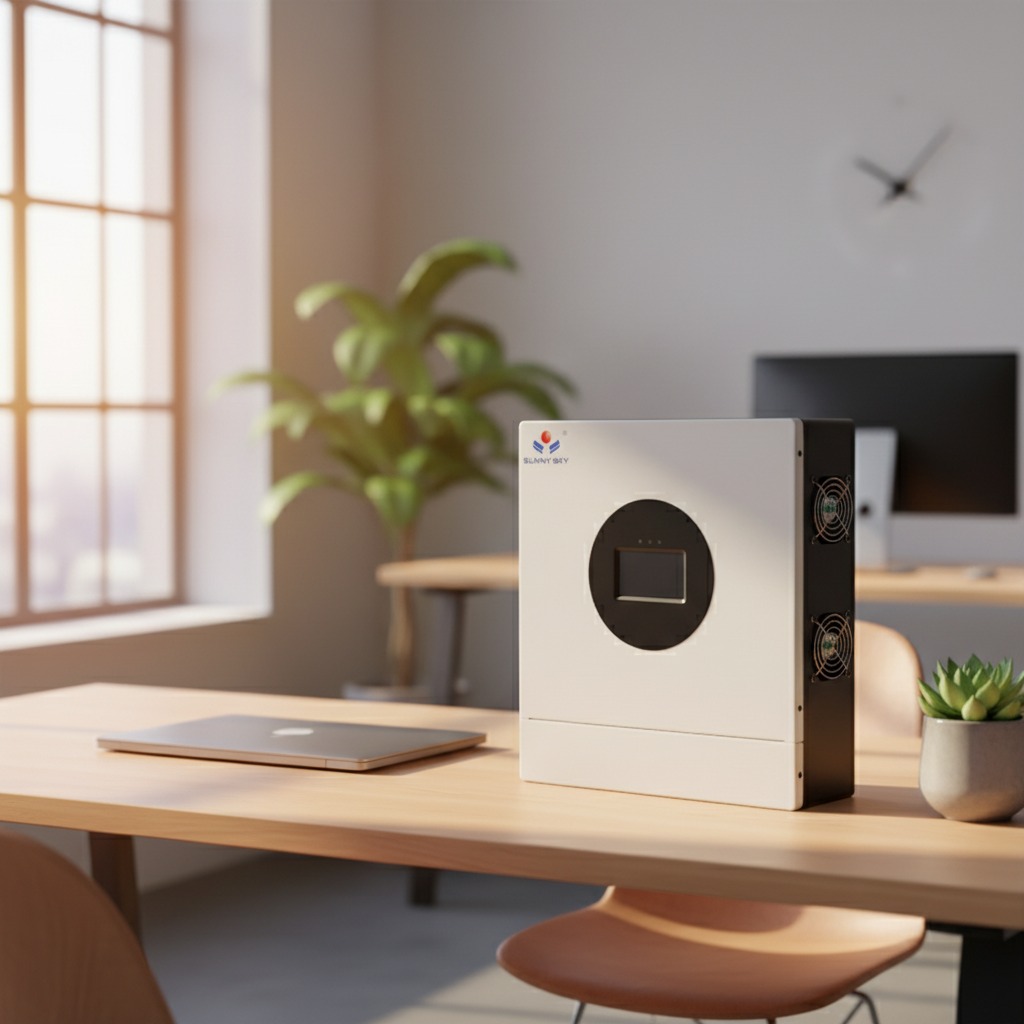
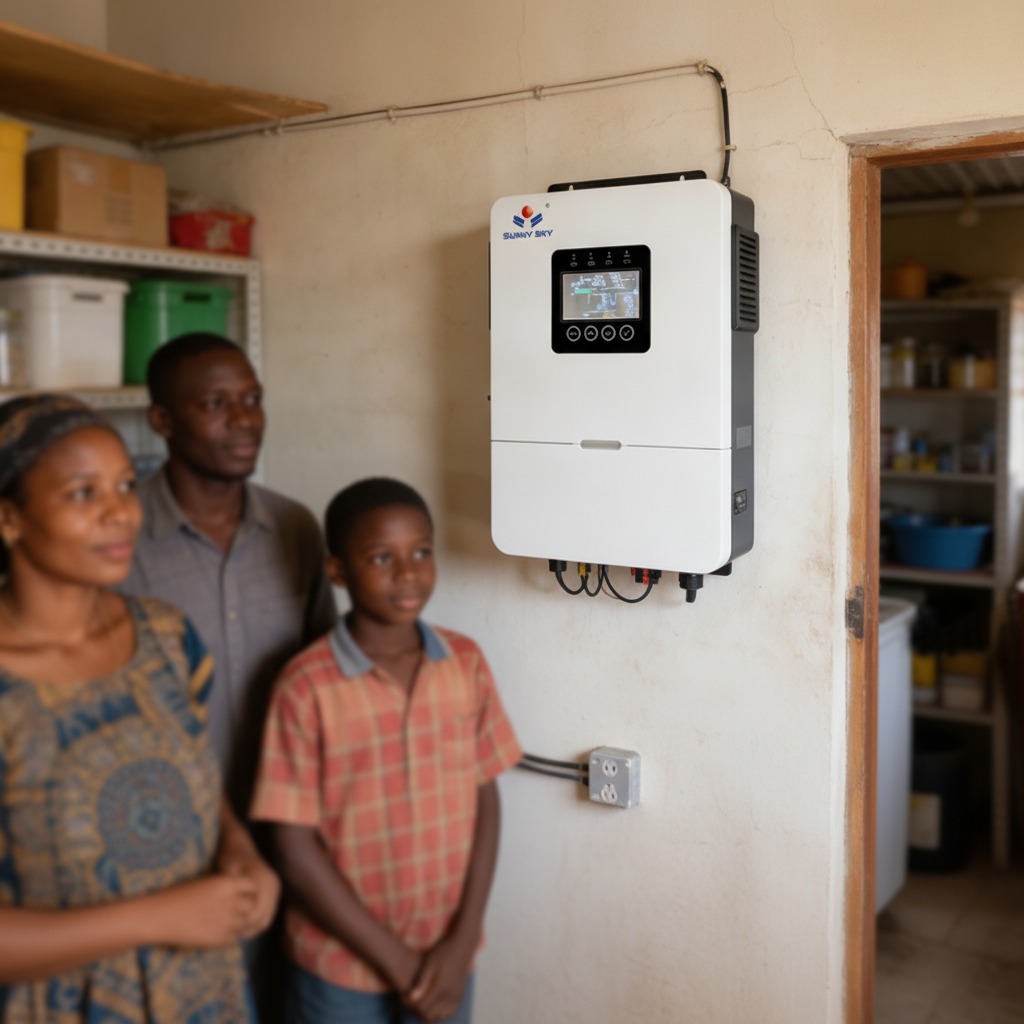
Hybrid Solar Inverter technology has emerged as a pivotal advancement in the renewable energy sector, offering a versatile solution for both residential and commercial energy needs. This innovative device seamlessly integrates solar power with traditional grid electricity and battery storage, allowing users to optimize energy usage and reduce reliance on fossil fuels. When compared to other inverter types, such as Bidirectional Inverter systems, the Hybrid Solar Inverter stands out for its ability to manage multiple energy sources efficiently, making it a preferred choice for sustainable living.
Comparing Hybrid Solar Inverters with Grid-Tied Inverters
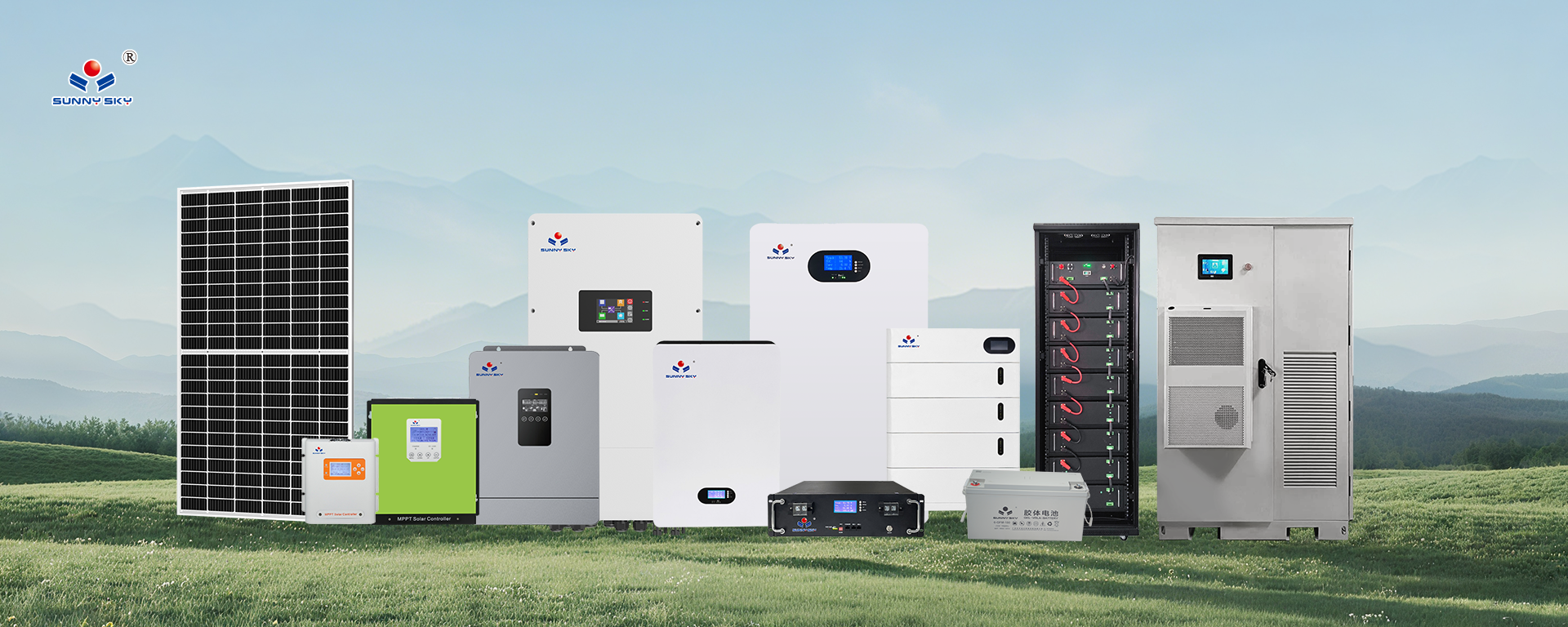
In the realm of Solar Power Systems, Hybrid Solar Inverters and Grid-Tied Inverters present contrasting approaches to energy management. Grid-Tied Inverters, which directly connect to the utility grid, are excellent for feeding excess solar energy back into the grid for credits, but they lack the off-grid capabilities that Hybrid Solar Inverters provide. For instance, during a power outage, a Grid-Tied Inverter often shuts down to prevent backfeeding, leaving users without electricity, whereas a Hybrid Solar Inverter can switch to battery storage or other sources for uninterrupted power. This contrast highlights the Hybrid Solar Inverter's superior reliability in Energy Storage Solutions, as it combines grid interaction with independent operation. On the flip side, Grid-Tied Inverters are generally more straightforward and cost-effective for setups where grid stability is assured, making them a viable option for urban environments. However, when evaluating Residential Solar Inverter options, the Hybrid model's bidirectional capabilities—similar to those in Bidirectional Inverter designs—offer greater flexibility for future expansions.
Contrasting Hybrid Solar Inverters with Off-Grid Inverters
Another key comparison involves Hybrid Solar Inverters and Off-Grid Inverters, particularly in the context of Renewable Energy Inverters for remote or self-sufficient setups. Off-Grid Inverters are designed solely for standalone systems, relying heavily on batteries and solar panels without any grid connection, which makes them ideal for isolated locations. In contrast, Hybrid Solar Inverters can operate both on and off the grid, providing a more adaptable solution that reduces the need for oversized battery banks. For example, while an Off-Grid Inverter might require constant monitoring and larger Solar Inverter Technology investments to handle fluctuations, a Hybrid Inverter benefits from grid support during low solar production, enhancing overall efficiency. This difference underscores the Hybrid Inverter Benefits, such as cost savings and ease of use, especially in hybrid scenarios where users can blend solar, grid, and storage. Off-Grid Inverters, however, excel in pure independence, offering peace of mind in areas with unreliable grids, but they often fall short in scalability compared to the interconnected features of Hybrid models.
Highlighting the Advantages of Hybrid Inverter Technology
When weighing the pros and cons of various inverter types, the Hybrid Solar Inverter consistently demonstrates its edge through advanced features like seamless integration with Energy Storage Solutions and Solar Power Systems. Unlike traditional Grid-Tied Inverters, which prioritize grid synchronization, or Off-Grid Inverters that focus on isolation, Hybrid options provide a balanced approach that adapts to changing energy demands. For residential users, this means lower energy bills and reduced environmental impact, as the system can prioritize solar energy before drawing from the grid. In terms of Bidirectional Inverter functionalities, Hybrid models allow for both importing and exporting power, fostering a more interactive relationship with the grid. Overall, the versatility of Hybrid Solar Inverters positions them as a forward-thinking choice in the evolving landscape of renewable energy, making them an essential component for anyone serious about sustainable living.