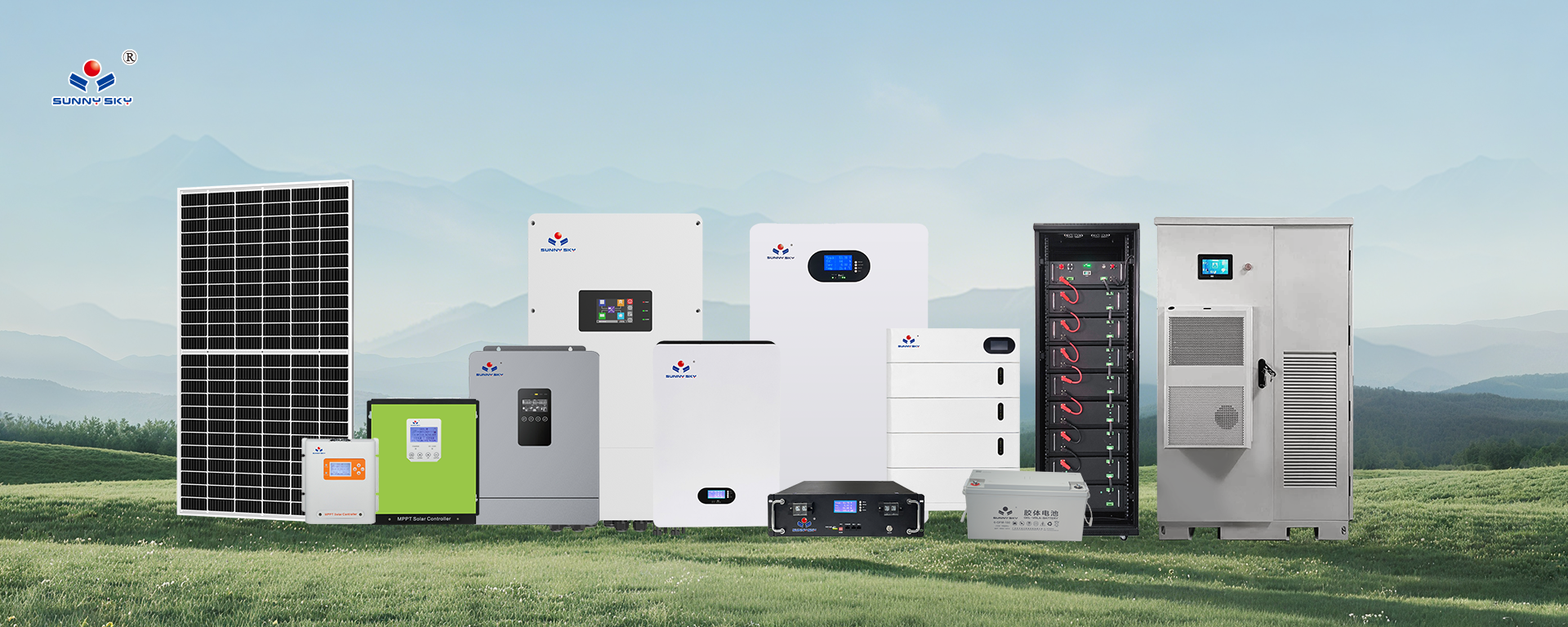
Hybrid Solar Inverter technology has revolutionized the way we manage energy in both residential and commercial settings, seamlessly blending solar power with traditional energy sources for greater efficiency and reliability. This innovative solution allows for the integration of solar panels with battery storage, enabling users to store excess energy and use it during peak demand or outages, making it a versatile choice for modern energy needs. By comparing it to other inverter types, we can see how it stands out in the evolving landscape of renewable energy.
Comparing Hybrid Solar Inverters to Grid-Tied Inverters
One of the key differences lies in their dependency on the electrical grid. A Grid-Tied Inverter, which connects directly to the utility grid, is excellent for feeding surplus solar energy back into the grid for credits, but it often fails during grid outages, leaving users without power. In contrast, a Hybrid Solar Inverter can operate independently by drawing from connected batteries, ensuring continuous energy supply even when the grid is down. This makes Hybrid Solar Inverter particularly appealing for areas with unreliable power grids. For instance, while Grid-Tied Inverter focuses on maximizing solar power exports, Hybrid Inverter Benefits include enhanced energy independence and the ability to incorporate Energy Storage Solutions. Residential Solar Inverter users might find this comparison crucial, as it highlights how hybrid models provide more control over energy consumption compared to the straightforward, grid-reliant approach of grid-tied systems.
Contrasting Hybrid Solar Inverters with Off-Grid Inverters
When we contrast Hybrid Solar Inverter with Off-Grid Inverter, the flexibility of integration becomes evident. An Off-Grid Inverter is designed for complete independence from the grid, relying solely on batteries and solar panels, which is ideal for remote locations but can be less efficient in urban settings where grid access is available. A Hybrid Solar Inverter, however, offers the best of both worlds by allowing seamless switching between grid-tied and off-grid modes, optimizing for cost savings and reliability. For example, Bidirectional Inverter functionality in hybrid systems enables two-way energy flow, which Off-Grid Inverter lacks in its basic form, making hybrids more adaptable for Solar Power Systems that need to evolve with changing energy policies. This comparison underscores how Hybrid Inverter Benefits, such as reduced reliance on large battery banks, make them a smarter choice for everyday users compared to the more isolated setup of off-grid options.
Examining Hybrid Solar Inverters Against Other Renewable Energy Solutions
Finally, let's examine how Hybrid Solar Inverter stacks up against broader Renewable Energy Inverters and Solar Inverter Technology as a whole. Unlike specialized Energy Storage Solutions that focus purely on battery management, a Hybrid Solar Inverter integrates storage, conversion, and grid interaction into one unit, offering a more streamlined approach. For instance, while Residential Solar Inverter might emphasize ease of installation, hybrids provide advanced features like intelligent energy monitoring, which can be contrasted with the basic functionality of standalone inverters. This technology not only enhances efficiency but also promotes sustainability by minimizing waste, as seen in its ability to prioritize solar over grid power. In summary, the Hybrid Solar Inverter emerges as a superior option when weighed against alternatives, providing a balanced, future-proof solution for energy management.